
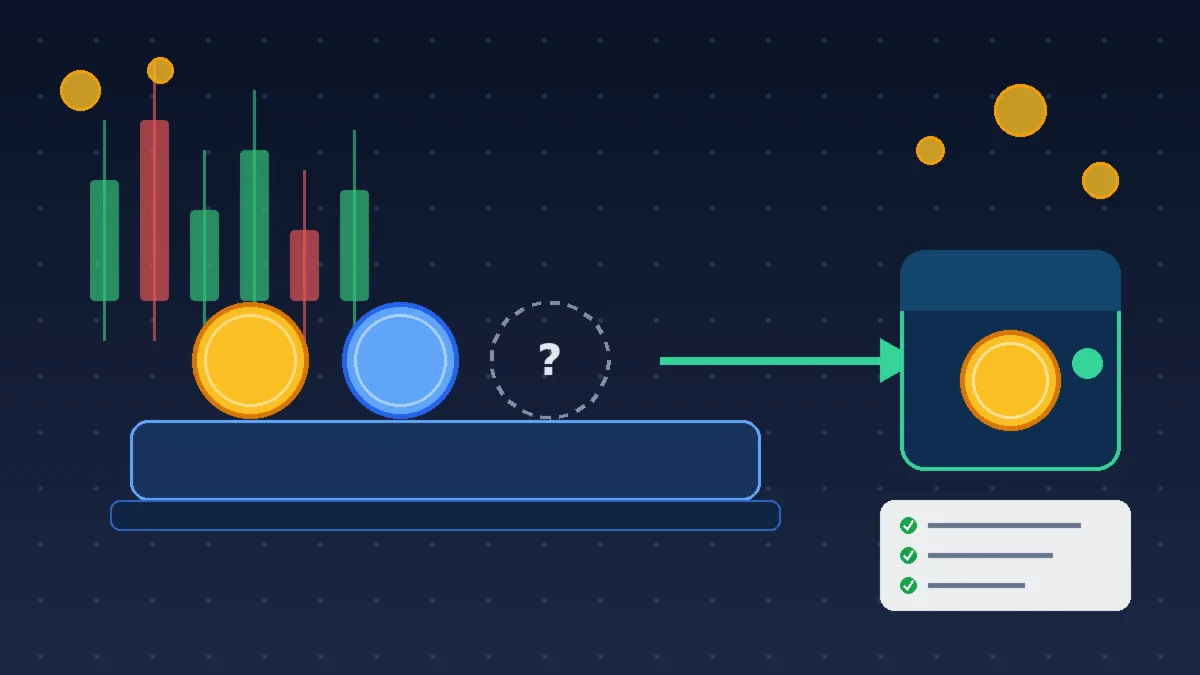
Coinbase delisting cryptocurrencies sounds dramatic on a headline. However, the event itself follows a fairly ordinary process. Basically, an exchange decides to stop supporting an asset. Consequently, trading for that asset ends on that platform.
This guide explains that process in plain language. Specifically, it covers why exchanges delist assets. Additionally, it shows what a notice usually contains. Finally, it sets out what holders should check in general terms.
Importantly, this article is educational only. Indeed, it is not financial advice. Moreover, it names no coin as currently delisted. Instead, it teaches you how to read any future announcement calmly.
What Does Delisting Actually Mean?
Delisting means an exchange removes an asset from its market. For example, the asset may disappear from its buy and sell screens. Similarly, its trading pairs may close. As a result, customers can no longer trade it there.
A trading pair is simply a market between two assets. For instance, a pair might link a token with a dollar market. When the pair closes, that route closes too. Nevertheless, the token itself still exists elsewhere.
That distinction matters a great deal. In short, delisting is a platform decision. Conversely, a blockchain does not stop because one exchange leaves. Meanwhile, other venues may still support the same asset.
Coinbase describes delistings in similar practical terms. According to its help pages, a delisted cryptocurrency is suspended from trading on its platform. Often, that happens after project changes. Alternatively, an asset may fail to meet review standards. Sometimes, the underlying project has simply ended.
Why Do Exchanges Delist Crypto Assets?
Exchanges review listed assets on an ongoing basis. Therefore, a listing is never a permanent promise. Moreover, the same standards used at listing can be applied later. If an asset drifts away from those standards, removal can follow.
When an Asset No Longer Meets Listing Standards
Every major exchange publishes broad listing standards. Typically, those standards cover legality, security, and transparency. Additionally, they may cover code quality and team accountability. When an asset stops meeting them, the exchange may act.
Sometimes, the gap appears slowly over time. For example, disclosures may become thin or irregular. In other cases, governance may become unclear. Consequently, the exchange can no longer assess the asset confidently.
Low Liquidity and Thin Trading Activity
Low liquidity delisting is another common reason. Liquidity means how easily an asset trades without wild price swings. When volume stays very thin, orders become hard to fill fairly. As a result, the market can feel broken for users.
Thin markets also widen the gap between buy and sell prices. Moreover, a single large order can move the price sharply. Therefore, an exchange may decide the market is no longer healthy. Still, low activity alone does not tell the whole story.
Project Changes, Shutdowns, and Inactive Teams
Projects change direction more often than newcomers expect. For instance, a team may abandon its original roadmap. Alternatively, development may quietly stop altogether. If nobody maintains the network, risk rises for everyone holding it.
Sometimes, the project itself announces a shutdown. In that case, the exchange is reacting rather than leading. Furthermore, a winding-down project may offer its own redemption or migration path. Holders then need to read both notices carefully.
Security Problems and Network Trouble
Security concerns can trigger a faster decision. For example, a network may suffer repeated outages. Similarly, a serious vulnerability may remain unfixed. Consequently, an exchange may suspend support to protect customers.
Other technical problems can point the same way. Indeed, unreliable deposits or withdrawals create real operational risk. Moreover, a chain split can leave two competing versions. In such cases, clarity matters more than speed.
Legal and Regulatory Pressure
Regulation shapes listings in every major market. Sometimes, a rule changes in one country only. As a result, an asset may leave one region but stay in another. Therefore, delisting notices can differ by location.
Legal classification can also affect an asset. For instance, a token may face questions about how it was sold. Alternatively, its features may clash with local requirements. Exchanges usually explain this only in broad terms.
Token Migrations and Contract Upgrades
A token migration can look like a delisting at first glance. However, the story is usually different. Often, a project moves to a new blockchain or contract. Consequently, the old version is retired deliberately.
Coinbase notes this pattern in its help material. When an asset migrates, the earlier version may be delisted. Meanwhile, holders may need a self-custody wallet to migrate manually. The notice explains whether any conversion is automatic.
How Does the Delisting Process Usually Unfold?
Most delistings follow a sequence rather than a single moment. First, the exchange reviews the asset internally. Next, it publishes an announcement with key dates. Finally, trading and transfer functions change in stages.
Stage One: Review and Monitoring
Before any announcement, an exchange usually monitors warning signs. For example, it may watch liquidity, development, and compliance. Additionally, it may contact the project team for answers. This stage is mostly invisible to holders.
Sometimes, an asset is placed under closer review publicly. Nevertheless, a review does not guarantee removal. Indeed, some assets address the concerns and remain listed. Therefore, readers should avoid treating a review as a verdict.
Understanding this stage also explains sudden headlines. Often, the public notice is the last step, not the first. Behind it sits a longer internal process. That is also why a SEO agency for cryptocurrency or a project team watches official channels so closely.
Stage Two: The Public Announcement
The announcement turns a private decision into a timetable. Typically, it names the asset and the affected products. Moreover, it states when trading will change. Coinbase says it shares key dates through email and platform announcements. Additionally, it uses its markets account on social media.
At this point, holders should slow down and read. In particular, the exact wording matters more than headlines elsewhere. For instance, one notice may cover trading only. Another notice may also cover deposits and withdrawals.
Stage Three: Trading Winds Down
Trading rarely continues unchanged after an announcement. Sometimes, an exchange moves an asset to a limited mode first. For example, customers may be able to sell but not buy. Alternatively, trading may stop completely on a stated date.
Coinbase calls that point the trading deadline. After this date, customers can no longer buy, sell, or convert the token there. Moreover, its help pages mention a limited period to cash out to fiat in some cases. The exact arrangement depends on the notice.
Open orders deserve attention during this stage. Typically, exchanges cancel remaining orders when a market closes. However, holders should check rather than assume. Indeed, a forgotten order can create confusion later.
Stage Four: Deposits, Withdrawals, and Transfers Change
After trading ends, transfer rules become the main issue. Often, deposits close earlier than withdrawals. Meanwhile, withdrawals may continue for a limited period. Consequently, the crypto withdrawal deadline becomes the date that matters most.
Coinbase warns that send and receive functions can be paused or disabled. If services are disabled, transfers will no longer be supported after the cutoff. Therefore, holders who want to move assets should act before that point. Waiting until the final day adds unnecessary pressure.
What Should You Look for in a Delisting Announcement?
A good Coinbase delisting announcement answers practical questions directly. Essentially, it works like a checklist in prose form. Moreover, each line can change what a holder needs to do. Reading it fully takes only a few minutes.
Start with the asset name and ticker symbol. Then, confirm that the notice matches an asset you actually hold. Similarly, check which platform or app the notice covers. Sometimes, different products change on different schedules.
Next, find every date in the document. In particular, note the trading deadline separately from the withdrawal deadline. Additionally, look for any final migration date. Confusing those dates is a common and avoidable mistake.
Afterwards, look for the action the exchange expects from you. For instance, some notices require no action at all. Conversely, others require a manual move to a self-custody wallet. If a conversion is automatic, the notice should say so clearly.
Regional details also deserve a careful look. Indeed, availability can vary by country or state. Moreover, a migration tool itself may block certain regions. Therefore, a notice written for another market may not apply to you.
Finally, check what happens after the final deadline. For example, the notice may say deposits will not be recoverable. Similarly, it may warn that unsupported tokens sent later could be lost. Those warnings should be taken literally.
What Happens When a Coin Is Delisted for Holders?
The most common question is simple. What happens when a coin is delisted if you still hold it? Basically, your access on that platform changes. However, delisting does not automatically erase the asset itself.
On the exchange, the practical effects arrive in stages. First, you lose the ability to trade the asset there. Next, deposit functions may close. Finally, withdrawal support may end after the stated window.
The implications of delisting cryptocurrencies extend beyond mere asset removal; they underscore a critical aspect of the digital currency landscape that every investor should understand. As exchanges like Coinbase reassess their offerings, it becomes increasingly vital to grasp the underlying mechanics of the cryptocurrency ecosystem. This knowledge not only aids in navigating potential losses due to delisting but also enhances one’s awareness of the intricacies involved in transactions. For instance, understanding how cryptocurrency transactions work—from signing through to confirmation—can empower investors to make informed decisions and foster greater confidence in their trading strategies amidst an ever-evolving market. Such insights can help demystify the process, offering a clearer view of how assets are handled once they are delisted and the implications for those holding them.
Outside that exchange, the picture can look different. For instance, another exchange may still list the asset. Likewise, a compatible wallet can still hold it. Nevertheless, each venue sets its own rules and fees.
Liquidity elsewhere may also feel different. Indeed, a delisted cryptocurrency can trade on thinner markets elsewhere. As a result, prices can vary between venues at the same moment. That is a market condition, not a promise about direction.
Holders sometimes assume delisting means a project has ended. However, that is not always true. Sometimes, a migration or contract change explains everything. Therefore, the project channels matter alongside the exchange notice.
Readers who follow broader market behaviour can compare this with our guide to cryptocurrency shorting and how thin markets behave. Still, this article offers no view on any trade. Its aim is process knowledge, not market calls.
A Calm Checklist for Delisted Token Holders
A clear routine prevents most delisting mistakes. Moreover, the steps below work for almost any crypto exchange delisting. Work through them in order. Then, keep a record of what you did.
Read the Official Notice First
Always start with the exchange itself. Specifically, open the notice inside your account or official help centre. Additionally, check the email address the message came from. Scam copies often imitate real announcements closely.
Then, compare dates across the notice and the asset page. If two sources disagree, trust the in-account notice first. Moreover, contact support through the app rather than through social links. That route is harder for scammers to fake.
Note Each Deadline Separately
Write down each delisting deadline in your own notes. For example, list the trading date on one line. Next, list the withdrawal date on another line. Finally, add any migration date on a third line.
This simple habit prevents a costly mix-up. Indeed, many holders remember only the first date they saw. Consequently, they miss the later transfer cutoff. A calendar reminder set well ahead helps too.
Decide Where the Asset Will Live
Next, decide on a destination before moving anything. Common options include a personal wallet or another venue. However, each option carries its own responsibilities. For instance, a personal wallet puts key security entirely on you.
Check that the destination actually supports the asset. Additionally, confirm the exact network it accepts. A token can exist on several networks at once. Sending on the wrong network can make recovery very difficult.
Our explainer on cryptocurrency ecommerce shows how widely crypto tools now reach everyday users. Nevertheless, wider adoption does not remove these basic checks. Careful setup still matters more than speed.
Move Assets Carefully and Test First
When you move crypto off exchange, accuracy is everything. First, copy the destination address from the receiving wallet itself. Then, compare its first and last characters before sending. Finally, consider a small test transfer first.
A test transfer costs a little extra in fees. However, it can confirm the network and address are right. Moreover, it lets you see how long a transfer takes. That knowledge helps before any deadline pressure builds.
After the test arrives, you can move the remainder. Still, keep the exchange withdrawal screen open until completion. Additionally, save the transaction identifier somewhere safe. That record proves what was sent and when.
Keep Records for Your Files and Taxes
Good records make later questions much easier. For example, save screenshots of balances before and after a move. Similarly, keep the original announcement email. Together, they show why and when you acted.
Tax treatment varies widely by country. Moreover, a forced conversion or migration can have tax consequences. Coinbase itself advises consulting a local tax professional in such cases. Therefore, keep records and seek local advice where needed.
Organisation habits from basic finance apply here too. Indeed, the principles in understanding basic finance about tracking money translate directly. Clear records protect you long after the deadline passes.
Delisting, Suspension, Migration, and Halt: What Is the Difference?
These terms often appear together, yet they mean different things. Understanding them helps you read any notice accurately. Moreover, the difference usually decides how urgent your response should be. The table below keeps it simple.
| Term | What It Usually Means |
|---|---|
| Trading suspension | Trading pauses, sometimes temporarily, while an issue is reviewed. |
| Delisting | The exchange ends support for the asset on its platform. |
| Token migration | A project replaces an old token or contract with a new one. |
| Deposit halt | New deposits stop, although withdrawals may still be open. |
A suspension can sometimes end with trading restored. However, a delisting points toward a full removal. Conversely, a migration points toward a replacement asset. Therefore, the headline word alone should never drive your reaction.
Context from the wider industry helps as well. For instance, how brokers update technology shows how trading platforms constantly revise their systems and offerings. Delistings sit inside that same cycle of review. Platforms change, and their catalogues change with them.
Scams That Appear Around Delisting News
Delisting news creates urgency, and scammers exploit urgency. For example, fake support accounts often reply to worried holders online. Typically, they offer to recover or migrate assets for a fee. Genuine support teams do not work that way.
Phishing messages are another familiar pattern. Indeed, a fake email may copy a real announcement almost perfectly. However, its links lead to a lookalike site. Therefore, open your exchange app directly instead of tapping email links.
Fake migration portals deserve special caution. Sometimes, a site promises to convert a delisted token instantly. Instead, it asks you to connect a wallet and approve a transfer. That approval can drain the wallet.
Protect yourself with a few steady rules. First, never share a seed phrase with anyone. Next, never send assets to an address promised to double them. Finally, verify every portal through the project and exchange notices.
Platforms invest heavily in keeping users engaged and safe during moments like this. In fact, our article on the Zeigarnik effect in financial technology explains how apps handle unfinished tasks and attention. Scammers use that same unfinished feeling against you. Slowing down breaks their advantage.
Can a Delisted Asset Return Later?
Sometimes, an asset can be considered again in the future. However, that possibility is never guaranteed. Typically, the project would need to meet listing standards again. Moreover, it would go through a fresh review process.
Holders should not plan around a possible return. Instead, treat the published timetable as the real one. If circumstances change, the exchange will announce it. Until then, the withdrawal window is what counts.
Relisting stories do happen in crypto history. Nevertheless, they remain the exception rather than the pattern. Additionally, a new listing may involve a migrated token instead. That version can behave like a different asset entirely.
Studying market structure helps set realistic expectations here. For example, mastering the principles of finance covers how markets require standards and oversight. Exchanges apply similar thinking to their catalogues. Access is earned, reviewed, and sometimes withdrawn.
Questions Holders Often Ask
Do You Lose Your Coins When an Exchange Delists Them?
No, delisting does not automatically delete your balance. However, your ability to trade or move the asset on that platform can end. Therefore, the deadlines in the notice decide your practical options. Acting inside the window keeps those options open.
Can You Still Withdraw After Trading Stops?
Often, yes, for a limited period after trading ends. Coinbase describes this as a trading-only situation in some cases. In those cases, customers may still send assets off the platform. Nevertheless, always confirm the withdrawal date in your own notice.
What Happens If You Miss the Withdrawal Deadline?
Missing the deadline can leave an asset inaccessible on that platform. Indeed, Coinbase warns that transfers stop after a cutoff. Moreover, later deposits of unsupported assets may not be recoverable. Consequently, early action is the safest general habit.
Why Did an Exchange Delist an Asset Without Warning You Personally?
Exchanges usually communicate through shared channels rather than personal calls. For example, Coinbase uses email, platform announcements, and its markets account. Therefore, an announcement can be public before every holder notices it. Checking account email regularly genuinely helps.
Is a Delisting Always Bad News for a Project?
Not necessarily, although it is always a serious event. Sometimes, a migration or rebrand explains the change completely. In other cases, the reasons reflect deeper project problems. Accordingly, read both the exchange notice and the project statement before judging.
The Main Lesson for Every Holder
Overall, a delisting is a process with a timetable, not a sudden disappearance. First, an exchange reviews an asset against its standards. Next, it announces dates for trading and transfers. Finally, holders choose where their assets should live next.
That rhythm makes the event manageable. Indeed, reading the notice carefully solves most confusion. Moreover, noting each deadline separately prevents the commonest mistake. A small test transfer then removes most technical risk.
In short, Coinbase delisting cryptocurrencies is best understood as catalogue management with real consequences. It deserves attention, but it does not deserve panic. Calm checks, verified sources, and good records will serve you well. And if any detail affects your taxes or legal position, a local professional should guide that part.
Educational note: This article explains how exchange delistings generally work. It is not financial advice, and it makes no recommendation about any asset. Always rely on the official notice for your own account and region.




