
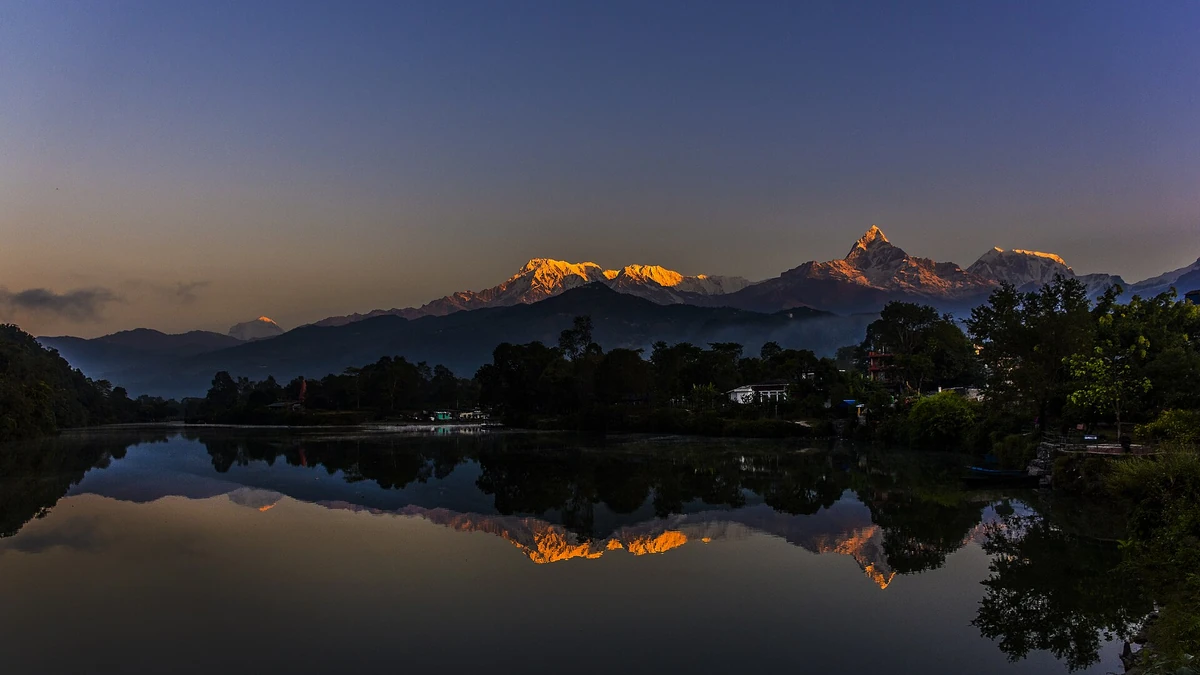
You do not need a trekking permit to love Nepal. This Nepal itinerary 7 days plan proves that point happily. Two bases carry the whole week here. Kathmandu Valley fills your first days with living heritage. Pokhara then slows everything down beside a mountain lake.
Moreover, the route suits complete beginners perfectly. Spending 7 days in Nepal first time feels daunting initially. However, this Kathmandu Pokhara itinerary removes the guesswork completely. Each day below has one clear job. Furthermore, every sight appears inside a timed day plan.
Admittedly, tour operators sell similar weeks everywhere. Their versions, though, rush heritage into single afternoons. In contrast, this plan sequences the valley properly. Consequently, you see temples calmly instead of through crowds. Additionally, you choose the transfer style yourself.
What does this Nepal itinerary 7 days look like at a glance?
The table below shows your whole week instantly. Two bases appear, plus one optional extension. Furthermore, the direction never doubles back on itself.
| Day | Base | Highlight |
|---|---|---|
| Day 1 | Kathmandu | Arrive, settle, gentle Durbar Square evening |
| Day 2 | Kathmandu | Pashupatinath, Boudhanath and Swayambhunath circuit |
| Day 3 | Kathmandu | Bhaktapur and Patan, properly sequenced |
| Day 4 | Pokhara | Transfer day, then a lakeside evening |
| Day 5 | Pokhara | Sarangkot sunrise and Phewa Lake boating |
| Day 6 | Pokhara | Davis Falls, caves and the Peace Pagoda |
| Day 7 | Depart via Kathmandu | Slow morning, then fly or ride back |
Notice how Kathmandu holds three nights first. That order matters more than it seems. Heritage days run better before any transfer. Meanwhile, Pokhara rewards unhurried time at the end. Therefore, tired travellers finish beside calm water.
Geography explains why this order works so well. Kathmandu Valley sights cluster within short drives. Pokhara, however, sits far west across the hills. Grouping each cluster tightly therefore saves entire hours. Backtracking, in contrast, would waste a full day.
How many days in Kathmandu does this route give you?
Firstly, this plan answers how many days in Kathmandu with three. Three nights means two full sightseeing days. Additionally, arrival day adds one gentle evening. That rhythm suits a Nepal itinerary without trekking perfectly.
Some travellers squeeze the valley into one day. However, that pace punishes you with traffic stress. The valley cities deserve separate, calmer treatment instead. Similarly, heritage overload ruins temple visits quickly. Spreading sights across days keeps every visit fresh.
Multi-base planning works the same way elsewhere. Our guide to what are the best places to visit in China rewards similar patience. Big countries punish rushed, scattered routing badly. Nepal, likewise, opens up when bases stay few.
Where should you base yourself in Kathmandu and Pokhara?
Base location quietly decides how days feel. In Kathmandu, stay near Thamel without sleeping inside it. Quieter lanes nearby offer rest plus easy access. Taxis and walking then cover every valley departure. Furthermore, early starts feel easier from central bases.
Pokhara’s answer stays even simpler for everyone. Lakeside places you beside boats, cafés, and sunsets. Morning transfers to Sarangkot start right there too. Consequently, most travellers never cross town at all. Choose a lake-facing room if budgets allow.
Both bases, moreover, reward booking ahead in autumn. Peak season fills well-located rooms surprisingly early. Flexible cancellation protects plans against weather reshuffles. Therefore, reserve rooms before finalizing domestic flights. That order keeps every option open longest.
Kathmandu to Pokhara flight vs bus: which should you choose?
This Kathmandu to Pokhara flight vs bus decision shapes day four. Both options work, yet they feel completely different. Firstly, the domestic flight takes well under an hour airborne. Secondly, the road journey takes most of a day.
The flight, admittedly, costs more than the bus. However, it returns nearly a full day to you. You land fresh, with lakeside daylight still remaining. Consequently, short trips usually favour flying westbound.
The bus, in contrast, moves slowly through hills. Winding roads, trucks, and stops stretch the journey considerably. Nevertheless, the ride shows rural Nepal unfolding gradually. River valleys and terraced hillsides roll past constantly. Budget travellers often prefer that slower bargain.
Weather also deserves an honest mention here. Mountain flights can delay when clouds roll in. Morning departures, therefore, usually face fewer weather problems. Meanwhile, road journeys continue in most conditions. Still, monsoon rain can slow roads badly too.
Our verdict stays simple for this itinerary. Fly to Pokhara on day four, maximizing lake time. Then ride back only if your schedule allows. Alternatively, fly both ways and protect day seven. Either way, book the transfer before fixing hotels.
What should first timers know about Nepal visa on arrival?
For most nationalities, the Nepal visa on arrival first timers use stays straightforward. You complete arrival forms at Kathmandu airport itself. Additionally, you should carry a valid passport always. Passport photos may also be requested there.
Rules and fees, however, change without much warning. Therefore, check Nepal’s official immigration website before departure. Official sources beat blog summaries every single time. Similarly, confirm your passport validity well beforehand. Preparation there prevents a stressful arrival completely.
Arrival day itself stays deliberately gentle here. Land, clear immigration, and reach your hotel calmly. Afterwards, rest before any serious sightseeing begins. A slow first evening protects tomorrow’s temple day.
Why do October and November suit this route best?
Firstly, October November is widely called the best time to visit Nepal. Monsoon rain has washed the air clean by then. Mountain views turn sharp, especially around Pokhara. Furthermore, temperatures feel pleasant in both bases.
Spring offers the main alternative window here. March and April bring warmth and blooming hillsides. However, haze can soften mountain views sometimes. Summer monsoon rain, meanwhile, disrupts roads and flights. Winter brings clear views but chilly valley mornings.
Season choice also affects the Sarangkot sunrise greatly. Clear autumn mornings reward early risers most reliably. In contrast, cloudy months can hide everything completely. Therefore, flexible travellers should target autumn first. Still, this route works respectably outside peak season.
Day 1: how do you settle into Kathmandu gently?
Day one begins after your airport arrival formalities. Settle into your hotel and rest briefly first. Then wander out only when energy returns properly. Kathmandu rewards patience more than frantic sightseeing.
Late afternoon suits Kathmandu Durbar Square beautifully. Old palaces and temples cluster around the square. Moreover, the light softens wonderfully before evening. Local life swirls through the courtyards constantly. You simply watch, wander, and absorb slowly.
Evening belongs to your neighbourhood streets instead. Thamel buzzes nearby with cafés and small shops. However, avoid overplanning this first night completely. Dinner early, then sleep before a full tomorrow. That restraint pays off across the week.
- Arrival: clear immigration, transfer, and hotel rest
- Afternoon: a gentle Durbar Square wander
- Evening: dinner nearby and an early night
Day 2: can you do Pashupatinath Boudhanath Swayambhunath in one day?
Yes, Pashupatinath Boudhanath Swayambhunath in one day works beautifully. Geography makes the three sites a natural circuit. Moreover, each site carries a completely different atmosphere. Sequencing them correctly keeps the day balanced.
Start early at Pashupatinath beside the Bagmati River. Hindu pilgrims gather there from dawn onwards daily. Cremation ghats line the riverbanks below the temple. Respectfully, non-Hindus observe from across the river. Guides help explain rituals with proper context.
Next, continue northeast to Boudhanath’s enormous white stupa. Prayer flags radiate above its peaceful circumambulation path. Monks, pilgrims, and locals circle the stupa clockwise. Additionally, rooftop cafés overlook the whole scene calmly. Lunch here beats rushing onwards anywhere else.
Finally, cross the city towards Swayambhunath hilltop. Steps climb steeply towards its ancient stupa above. Monkeys patrol the stairway, so guard snacks carefully. From above, Kathmandu Valley spreads out gloriously. Sunset light rewards your climb most days.
Sacred circuits gain depth when paced slowly. Our one-day guide to Mathura and Vrindavan in one day follows similar logic. Both routes pair intense devotion with breathing space. Consequently, neither day feels like a checklist.
Day 3: how does a Bhaktapur and Patan day trip sequence work?
A Bhaktapur and Patan day trip needs smart sequencing. Both cities hold their own Durbar Squares proudly. However, they sit in opposite valley directions. Therefore, order matters more than distance here.
Firstly, head east to Bhaktapur during the morning. Bhaktapur feels like a living medieval museum throughout. Its Nyatapola Temple rises in five elegant tiers. Potters and woodcarvers still work its quiet lanes. Furthermore, crowds stay thinner earlier in the day.
Afterwards, return westwards towards Patan by afternoon. Patan’s Durbar Square glows beautifully in later light. Its museum ranks among Nepal’s finest cultural stops. Krishna temples and courtyards reward slow wandering there. Moreover, café terraces overlook the square perfectly.
Temple craftsmanship connects both cities across centuries. The carved temples in our Khajuraho Madhya Pradesh guide inspire similar awe. Different regions, admittedly, yet the devotion feels familiar. Lingering slowly matters more than collecting photographs here.
Alternatively, swap Patan for a Nagarkot sunrise day trip tomorrow. Nagarkot sits eastwards, beyond Bhaktapur, along the rim. Its sunrise reveals a long Himalayan panorama. Therefore, keen photographers sometimes overnight near Bhaktapur instead. That tweak removes one backtracking journey entirely.
Day 4: how do you transfer to Pokhara without losing the day?
Day four applies your earlier transfer decision. Fly, and Pokhara arrives before lunch most days. Ride, and the hills fill your whole day. Either way, pack snacks and patience beforehand.
Flying travellers should target a morning departure. Clearer skies, moreover, reduce weather delay risks considerably. After landing, settle into a Lakeside hotel quickly. Then claim the afternoon for the lake itself.
Road travellers, in contrast, depart very early. The highway winds through hills and river valleys. Stops stretch legs and break the monotony regularly. Nevertheless, arriving by evening feels genuinely satisfying. Dinner beside the lake erases the journey.
Evening on Phewa Lake sets Pokhara’s tone perfectly. Boats rest along the shore as light fades. Cafés line Lakeside with relaxed, traveller-friendly energy. Furthermore, the Annapurnas sometimes glow pink above rooftops. Save serious boating, however, for tomorrow morning.
Day 5: what makes Sarangkot sunrise Pokhara mornings special?
Your Sarangkot sunrise Pokhara experience begins before dawn. Vehicles climb the hill above Lakeside while dark. Gradually, light spills across the Annapurna range opposite. Machhapuchhre, the fishtail peak, catches colour first usually. Few travel moments feel this quietly dramatic.
Afterwards, descend slowly as cafés open below. Breakfast back in Lakeside restores everyone properly. Then the lake itself becomes the day’s focus. Calm morning water suits boating far better.
Phewa Lake boating Tal Barahi Temple trips anchor midday. Colourful boats carry you towards the island temple. Tal Barahi sits small and serene offshore there. You land briefly, visit respectfully, then row onwards. Alternatively, hire a boatman and simply relax.
Afternoon stays deliberately unstructured after that. Browse Lakeside bookshops, cafés, and small gear stores. Alternatively, rest properly before tomorrow’s busier circuit. Travellers chasing bigger mountain dreams, meanwhile, browse our best nature places to visit in the world guide. Pokhara’s peaks already deliver that wonder today.
Day 6: which Pokhara things to do fit Davis Falls Peace Pagoda into one day?
Today’s Pokhara things to do Davis Falls Peace Pagoda circuit links neatly. Both stops sit south of the lake area. Moreover, a nearby cave complex joins them naturally. Sequencing them together avoids cross-town zigzags completely.
Begin at Davis Falls during the quieter morning. Water plunges into a deep, mysterious gorge there. The falls connect locally with a famous legend. Opposite, Gupteshwor Cave shelters a shrine and waterfall view. Damp steps, however, demand careful footwear throughout.
Afterwards, climb or ride towards the World Peace Pagoda. White stupas crown the ridge above the lake. From there, Pokhara and Phewa Lake align beautifully below. Annapurna views return whenever clouds permit them. Furthermore, the descent can end by boat across.
Hill-view pacing shapes successful days everywhere. Our guide to places to visit in Munnar in one day uses similar sequencing. Viewpoints first, then gentler stops while descending. Consequently, energy lasts until the final viewpoint.
Evening returns you to Lakeside once more. Sunset colours reflect across calm lake water daily. Choose a favourite café for the final Pokhara night. Pack tonight, because tomorrow involves travelling again.
Day 7: how should your final day in Pokhara unfold?
Your last morning deserves zero rushing whatsoever. Sleep in, then breakfast slowly beside the lake. Afterwards, take one final stroll along the shore. Small souvenir stops fit naturally along Lakeside.
Return options mirror your outbound choice exactly. Flights restore you to Kathmandu by midday usually. Buses, meanwhile, consume most of the day again. Therefore, onward international flights need careful buffering. Never schedule tight connections after mountain transfers.
Many travellers overnight in Kathmandu before flying home. That buffer absorbs delays without endangering connections. Alternatively, some depart internationally the following morning instead. Either rhythm closes the week calmly and safely.
Nepal often sparks a much longer wishlist. Our top 500 places to visit in the world guide feeds exactly that feeling. One good week, however, always beats rushed months. This route, in contrast, chooses depth deliberately. Keep this plan open beside your bookings throughout.
What happens if clouds steal your Sarangkot sunrise?
Mountain weather occasionally ruins even perfect plans. Clouds can blanket Sarangkot without any warning whatsoever. However, this itinerary quietly builds a retry chance. Day six starts later, leaving mornings flexible deliberately.
Simply swap the two Pokhara mornings when needed. Chase sunrise on day six instead of day five. Davis Falls and the Peace Pagoda tolerate afternoons well. Consequently, one cloudy dawn never ruins the week. Flexibility, ultimately, beats rigid scheduling in mountains.
Similarly, Nagarkot offers Kathmandu-side sunrise insurance earlier. Travellers overnighting near Bhaktapur can attempt both sunrises. Two attempts dramatically improve your panorama odds overall. Still, even cloudy mornings feel atmospheric in Nepal.
The optional Chitwan add on: 2 days safari, no squeezing
Many readers ask about a Chitwan add on. Two full safari days turn it into reality. However, Chitwan cannot squeeze inside seven days honestly. Instead, add two nights beyond this itinerary. Alternatively, swap one Pokhara day very reluctantly.
Chitwan lies south of the Kathmandu Pokhara corridor. Reaching it adds a separate road leg entirely. Safaris there explore subtropical jungle by jeep. Rhinos, deer, and abundant birdlife reward patient searching. Guides, moreover, explain the jungle ecosystem brilliantly.
Sequencing Chitwan works two sensible ways only. Firstly, insert it between Kathmandu and Pokhara carefully. Secondly, append it after Pokhara before returning home. Either option extends the trip beyond seven days. Therefore, book the extension before fixing flights.
Quieter extensions reward travellers almost everywhere worldwide. Our guide to places to visit in Japan off the beaten path celebrates similar detours. Extra days, chosen deliberately, transform good trips completely. Chitwan, likewise, deserves unhurried jungle mornings.
Frequently asked questions
Short answers below settle the questions readers ask most. Each answer assumes this exact route and pacing. Different bases, admittedly, can change some answers slightly. Season, moreover, shifts transfer advice more than anything.
Can you follow this route with no trekking at all?
Yes, completely, because every day uses vehicles and walking. This Nepal itinerary without trekking still reaches superb viewpoints. Sarangkot and the Peace Pagoda involve short climbs only. Drivers can reduce even those climbs considerably. Consequently, most reasonably mobile travellers manage comfortably.
Do you need to book the Kathmandu Pokhara transfer early?
Booking early helps, especially during October and November. Flights fill quickly in Nepal’s peak season. Buses, likewise, sell out on popular departure days. Therefore, reserve day four transport before hotels. Flexibility remains easier outside peak months.
What do first timers most often forget to pack?
Layers matter most across both bases here. Mornings feel cold, while afternoons turn mild quickly. Additionally, carry a light rain layer always. Comfortable walking shoes beat formal footwear everywhere. Finally, keep passport copies separate from originals.
Can you reverse this Kathmandu Pokhara itinerary and start in Pokhara?
Yes, although the given order works better usually. Heritage first suits jet-lagged energy more realistically. Pokhara, in contrast, rewards rested travellers far more. Reversing also risks transfer delays before sightseeing. Therefore, keep Kathmandu first whenever possible.
Is seven days enough for Nepal without a trek?
Honestly, seven days covers the classic introduction beautifully. You see living heritage, lakes, and Himalayan viewpoints. Admittedly, remote regions remain untouched for later trips. Nevertheless, nothing here feels like a consolation prize. Most first timers leave planning their return.




