
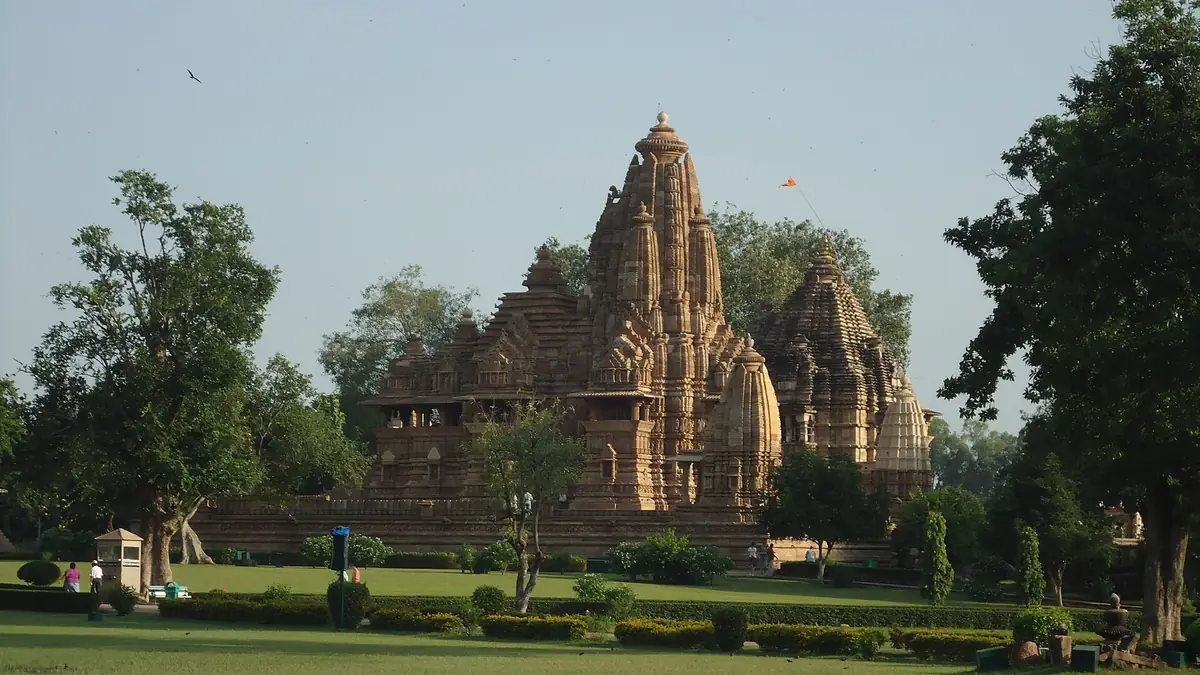
Khajuraho rewards travellers who slow down and look closely at stone. At first glance, the town in Madhya Pradesh feels quiet and small. However, its temples hold some of the finest medieval sculpture in India. Moreover, the carvings cover gods, dancers, warriors, musicians, and everyday village life. Consequently, a single visit quickly turns into a full day of discovery.
This guide covers the best places to visit in Khajuraho in a practical order. Firstly, it explains the three temple groups that form the historic core. Secondly, it adds museums, waterfalls, and wildlife stops nearby. Finally, it shares timing, routing, and simple tips for a smoother trip. As a result, you can plan one focused day or a relaxed two-day stay.
Why Is Khajuraho So Special for Travellers?
Khajuraho was a major centre under the Chandela dynasty many centuries ago. Indeed, local tradition speaks of around eighty-five temples here originally. Today, roughly twenty temples survive in varying states of preservation. Nevertheless, those survivors are remarkably detailed and beautifully maintained. Furthermore, UNESCO recognised the group as a World Heritage Site in 1986.
The temples follow the Nagara style of northern Indian architecture. For example, tall curving towers rise above each sanctum like mountain peaks. Additionally, every major temple stands on a high raised platform called a jagati. Inside, the layout moves from porch to hall and then to sanctum. Meanwhile, the outer walls carry hundreds of sculpted figures in neat bands.
Many visitors arrive expecting only the famous erotic panels. In fact, those panels form a very small share of the total sculpture. Instead, most carvings show devotion, celebration, work, and play. Therefore, guides often describe the temples as a celebration of life itself. Above all, Khajuraho shows Hindu and Jain faiths flourishing side by side.
Western Group of Temples: Where Should You Start?
The Western Group of Temples is the largest and best-known cluster. Moreover, it sits inside a landscaped, ticketed enclosure near the town centre. Consequently, most travellers begin their sightseeing here in the morning. Early light, notably, brings out the warm colour of the sandstone. Additionally, the paths between temples are flat and easy to walk.
Allow at least half a day for this group alone. Otherwise, the sheer number of sculptures can feel overwhelming. A licensed guide, for instance, helps you read the stories in stone. Similarly, a guide points out details that most visitors walk past. In short, this group sets the standard for everything else in Khajuraho.
Kandariya Mahadeva Temple
The Kandariya Mahadeva Temple is the largest temple in Khajuraho. Furthermore, it is widely regarded as the finest temple here. Dedicated to Shiva, it rises dramatically above its high platform. Its main tower, in particular, climbs like a sculpted mountain peak. Meanwhile, hundreds of figures cover almost every outer surface.
Look closely at the bands of carving as you circle the temple. For example, you will see deities, celestial dancers, and lovers together. Additionally, musicians and soldiers appear in lively procession scenes. Inside, the sanctum holds a Shiva lingam in calm darkness. As a result, the contrast between busy walls and quiet interior feels powerful.
Lakshmana Temple
The Lakshmana Temple is among the earliest and best-preserved temples here. Moreover, it is dedicated to Vishnu in his Vaikuntha form. The temple stands on a broad platform with smaller corner shrines. Notably, its entrance lintel shows Brahma, Vishnu, and Shiva together. Consequently, the carving neatly expresses a shared sacred vision.
The platform friezes deserve slow and careful attention from visitors. For instance, they depict royal processions, hunting scenes, and battles. Additionally, scenes of daily life appear alongside divine stories here. In front, a small Varaha shrine holds a large boar sculpture. Indeed, that single sculpture is carved with hundreds of tiny figures.
Vishvanatha, Chitragupta, and Devi Jagadamba Temples
The Vishvanatha Temple is another elegant shrine dedicated to Shiva. Furthermore, a large Nandi bull faces the sanctum from its own pavilion. Stone lions and elephants, notably, guard the entrance steps here. Inside the walls, graceful female figures show remarkable sculptural skill. Therefore, photographers often linger here during the softer morning light.
Nearby, the Chitragupta Temple honours Surya, the sun god. For example, its sanctum shows Surya driving a seven-horse chariot. Meanwhile, the Devi Jagadamba Temple displays especially refined figure carving. Additionally, the smaller Chausath Yogini Temple stands apart from the rest. Built largely of granite, it is the oldest surviving shrine here. In contrast to the sandstone temples, its rougher stone feels ancient.
Just outside the enclosure, the Matangeshvara Temple remains in active worship. Consequently, you may see local devotees offering prayers there daily. Its large Shiva lingam still draws a steady flow of worshippers. Above all, it reminds visitors that Khajuraho is a living sacred place. Travellers planning other temple towns can compare this experience with places to visit in Mathura and Vrindavan in one day.
Eastern Group of Temples: What Will You Find There?
The Eastern Group of Temples lies near the old village of Khajuraho. Moreover, the setting feels calmer and more local than the west. Consequently, many travellers enjoy the slower pace here greatly. Jain temples form the heart of this eastern cluster. Additionally, a few Hindu temples stand scattered nearby as well.
Parsvanatha and the Jain Temples
The Parsvanatha Temple is the largest Jain temple in Khajuraho. Furthermore, it is dedicated to Parsvanatha, the twenty-third Jain tirthankara. Its walls carry exceptionally fine and delicate figure carving. For example, graceful female figures appear in beautifully detailed panels. Interestingly, Hindu deities also appear on this Jain temple’s walls. Therefore, scholars see shared workshops and mutual respect here.
Nearby, the Adinatha Temple shows similarly refined Jain sculpture. Meanwhile, the Shantinatha Temple remains an active place of Jain worship. Indeed, it holds a tall image of the tirthankara Shantinatha. Additionally, smaller shrines cluster around its main sacred image. As a result, the complex feels devotional rather than purely historical.
Hindu Temples in the Eastern Group
The eastern area also holds several noteworthy Hindu temples. For instance, the Vamana Temple honours Vishnu in his dwarf avatar. Its walls, moreover, carry rows of lively sculpted figures. Nearby, the Javari Temple is small but beautifully proportioned. Consequently, it often surprises visitors who expect only grand monuments.
The Brahma Temple stands beside a quiet lake in this area. Furthermore, the Ghantai Temple is named for its bell-and-chain carvings. Only its entrance porch and hall survive today, sadly. Nevertheless, the carved pillars still show impressive Chandela craftsmanship. Above all, the eastern group rewards visitors who explore beyond the highlights. If you enjoy quieter heritage routes, you may also like places to visit in Japan off the beaten path.
Southern Group of Temples: Why Do Fewer People Visit?
The Southern Group of Temples is the smallest and quietest cluster. Moreover, its temples stand scattered near a small village road. Consequently, far fewer tour groups make the short trip here. However, that quietness is exactly the appeal for many travellers. Additionally, late afternoon light suits these temples particularly well.
Duladeo Temple
The Duladeo Temple is dedicated to Shiva and stands beside a riverbank. Furthermore, it was built later than most Khajuraho temples. Its carvings show celestial dancers in especially graceful poses. For example, the female figures display elaborate jewellery and hairstyles. Meanwhile, the interior feels calm, cool, and uncrowded. Therefore, visitors often pause here longer than they planned.
Chaturbhuj Temple
The Chaturbhuj Temple is dedicated to Vishnu and faces west. Notably, it holds a large and striking image of Vishnu inside. Moreover, this temple is famous for a very unusual feature. Unlike the other temples, it has no erotic sculpture at all. Consequently, guides often highlight it as a deliberate exception here.
The temple stands near the village of Jatkari, away from crowds. Additionally, its high platform offers pleasant views of surrounding farmland. In the evening, the west-facing facade catches warm golden light. As a result, it makes a peaceful final temple stop. Travellers who love hill scenery might also enjoy places to visit in Munnar in one day for a different Indian landscape.
Khajuraho Light and Sound Show: Is It Worth Your Evening?
The light and sound show takes place at the Western Group lawns. Moreover, Madhya Pradesh Tourism runs separate shows in English and Hindi. During the show, coloured lights pick out the temple towers. Meanwhile, narration tells the story of the Chandela kings. Consequently, the temples feel dramatic and almost theatrical at night.
Is the show worth attending after a full temple day? For most first-time visitors, the answer is yes, certainly. Firstly, it summarises the history in an accessible, engaging way. Secondly, it helps children connect with stories behind the stones. However, timings change with the season, so confirm locally first. Above all, arrive a little early for a good seat.
Museums in Khajuraho: What Can You Learn Indoors?
Museums add useful context after you have walked the temple grounds. Moreover, they protect fragile sculptures removed from exposed temple walls. Consequently, a short museum visit deepens your understanding of the site. Additionally, museums offer welcome shade during the hotter midday hours.
The Archaeological Museum near the Western Group displays recovered sculptures. For example, its galleries hold architectural fragments, inscriptions, and deity images. Furthermore, labels explain where many pieces originally stood. Meanwhile, the Adivart Tribal and Folk Art Museum shows living regional culture. Its displays, notably, present tribal art from across Madhya Pradesh. Therefore, you see painting, craft, and everyday objects from tribal communities.
Together, both museums balance ancient stone with living tradition beautifully. In contrast, the temples alone can feel distant and purely historical. As a result, many thoughtful itineraries include at least one museum. If family-friendly cultural stops appeal to you, compare ideas in places to visit in Oman with family.
Raneh Falls: Why Is It Called a Mini Grand Canyon?
Raneh Falls is the most popular nature excursion from Khajuraho. Moreover, it lies a short drive away on the Ken River. The river has cut a deep canyon through colourful crystalline granite. Consequently, the gorge walls glow in shades of pink, red, and grey. Indeed, many travellers compare it to a miniature Grand Canyon.
The falls look most powerful during and just after the monsoon. However, the canyon itself stays impressive throughout the year. Additionally, viewing platforms offer safe points above the gorge. Nearby, the Ken Gharial Sanctuary protects gharials and other wildlife. For example, you may spot nilgai, sambar, monkeys, and vultures. Therefore, nature lovers should allow extra time for this trip.
Guides at the site explain the volcanic geology in simple terms. Furthermore, they point out the different rock layers and colours. As a result, even a short visit feels educational for families. Above all, Raneh Falls balances the temples with raw natural drama. Travellers researching southern temple towns may also browse places to visit in Rameshwaram in one day.
Panna National Park: Can You Add a Safari to Your Trip?
Panna National Park is a well-known tiger reserve near Khajuraho. Moreover, its forests and river gorges suit a half-day safari well. The Ken River, notably, flows through the park’s rocky landscape. Consequently, scenery here feels as rewarding as the wildlife itself. Additionally, the park has earned praise for its tiger conservation work.
On safari, visitors may see tigers, leopards, deer, and sloth bears. However, wildlife sightings always depend on luck and season. For example, early morning drives usually offer the best chances. Meanwhile, birdwatchers can spot vultures, eagles, and colourful kingfishers. Therefore, binoculars are worth packing for this excursion.
Safari permits are limited, so booking ahead is strongly advisable. Furthermore, park zones and rules can change between seasons. As a result, confirm current arrangements before fixing your dates. In short, Panna turns a heritage trip into a complete nature break. If you prefer city heritage instead, see top ten places to visit in Gujarat for another rich circuit.
When Is the Best Time to Visit Khajuraho?
The best time to visit Khajuraho is from October to March. Moreover, these months bring clear skies and comfortable daytime temperatures. Consequently, walking between temple groups feels pleasant rather than exhausting. December and January nights, however, can turn surprisingly chilly. Therefore, pack a warm layer for early morning sightseeing.
Summer, from April to June, is extremely hot in this region. Additionally, exposed temple platforms offer very little natural shade. As a result, most travellers avoid the peak summer months. Monsoon months bring greenery, humidity, and occasional travel disruption. Nevertheless, Raneh Falls looks its most dramatic after monsoon rain.
| Season | Months | What to Expect? |
|---|---|---|
| Winter peak | October to March | Cool mornings, clear light, and best walking weather overall |
| Summer | April to June | Very hot days, so sightseeing needs early starts only |
| Monsoon | July to September | Green countryside, humid air, and fuller waterfalls nearby |
The Khajuraho Dance Festival usually takes place in February each year. Furthermore, classical dancers perform against the floodlit Western Group temples. For example, audiences enjoy Kathak, Bharatanatyam, and Odissi performances there. Consequently, February is a wonderful month for culture-focused travellers. However, dates change annually, so check official announcements before booking. Seasonal planners may also like places to visit in London in summer for contrast.
How Can You Plan a Two-Day Khajuraho Itinerary?
Two days suit Khajuraho far better than a rushed day trip. Moreover, a slower plan reduces heat stress and sculpture fatigue. Consequently, the itinerary below balances temples, museums, and nature. Additionally, it keeps the busiest site for the freshest morning hours.
| Day | Morning | Afternoon and Evening |
|---|---|---|
| Day 1 | Western Group with a guide, starting early | Archaeological Museum, rest, then the evening light and sound show |
| Day 2 | Eastern Group Jain temples and village walk | Southern Group temples, then Raneh Falls or a Panna safari |
Khajuraho has its own small airport and railway station for travellers. Furthermore, road journeys connect it with Jhansi and other regional cities. However, exact schedules change, so verify trains and flights before travel. As a result, flexible travellers usually keep one buffer evening. Above all, stay near the Western Group for the easiest walking access.
Practical Tips: How Can You Make Your Visit Smoother?
Firstly, hire a licensed guide at the Western Group entrance. Moreover, the carvings reward context far more than a solo walk. Secondly, carry water, sunscreen, and a hat on every outing. Indeed, the stone platforms reflect heat strongly at midday. Additionally, wear comfortable shoes with a good grip for steps.
Dress modestly, especially because some temples remain active sacred spaces. Furthermore, remove footwear wherever local custom or signage requires it. Meanwhile, ask before photographing worshippers or Jain monks closely. Consequently, you will enjoy warmer interactions with local people. Finally, keep small cash handy for autos between temple groups.
- Start the Western Group early for softer light and fewer crowds.
- Carry a reusable bottle, because sightseeing involves long outdoor walks.
- Confirm show timings and safari bookings locally before relying on them.
- Keep one evening free, since the Dance Festival season fills venues quickly.
Frequently Asked Questions
How many days are enough for Khajuraho?
Two days are enough for most travellers visiting Khajuraho. Moreover, two days cover all three temple groups comfortably. Additionally, you can fit in Raneh Falls or Panna easily. However, art lovers may happily spend a third day here. Consequently, the pace feels relaxed rather than rushed.
What is Khajuraho most famous for?
Khajuraho is most famous for its UNESCO-listed medieval temples. Furthermore, the temples are celebrated for intricate Nagara architecture and sculpture. Indeed, the Kandariya Mahadeva Temple is the best-known example. Meanwhile, the erotic panels form only a small fraction overall. Therefore, the site appeals to art, history, and spirituality lovers alike.
Which temple group should you see first?
You should see the Western Group first on your visit. Moreover, it holds the largest and most ornate temples. For example, Kandariya Mahadeva and Lakshmana stand within this enclosure. Consequently, it gives the clearest introduction to Chandela art. Afterwards, the quieter eastern and southern groups add welcome contrast.
Is Khajuraho suitable for family trips?
Yes, Khajuraho suits families with curious children very well. Furthermore, the flat paths and lawns make walking manageable. Additionally, the light and sound show engages younger visitors at night. However, carry water and plan shade breaks during warmer months. As a result, families usually enjoy a two-day, unhurried plan.
Can you combine Khajuraho with a wildlife trip?
Yes, you can combine Khajuraho with Panna National Park easily. Moreover, the park offers jeep safaris along the Ken River. For example, visitors look for tigers, leopards, and deer there. However, safari permits are limited and sightings are never guaranteed. Therefore, book ahead and keep your expectations pleasantly flexible.
Final Thoughts: Why Does Khajuraho Stay With You?
Khajuraho stays with travellers because it celebrates life in stone. Moreover, its temples blend devotion, artistry, humour, and everyday joy. Consequently, each visit reveals details that you missed before. Additionally, waterfalls and forests nearby complete the experience beautifully.
Plan two unhurried days, hire a good guide, and wander slowly. Furthermore, balance the famous Western Group with the quieter clusters. In short, the best places to visit in Khajuraho reward patience generously. Above all, this small town proves that India’s heritage can still surprise you.




