
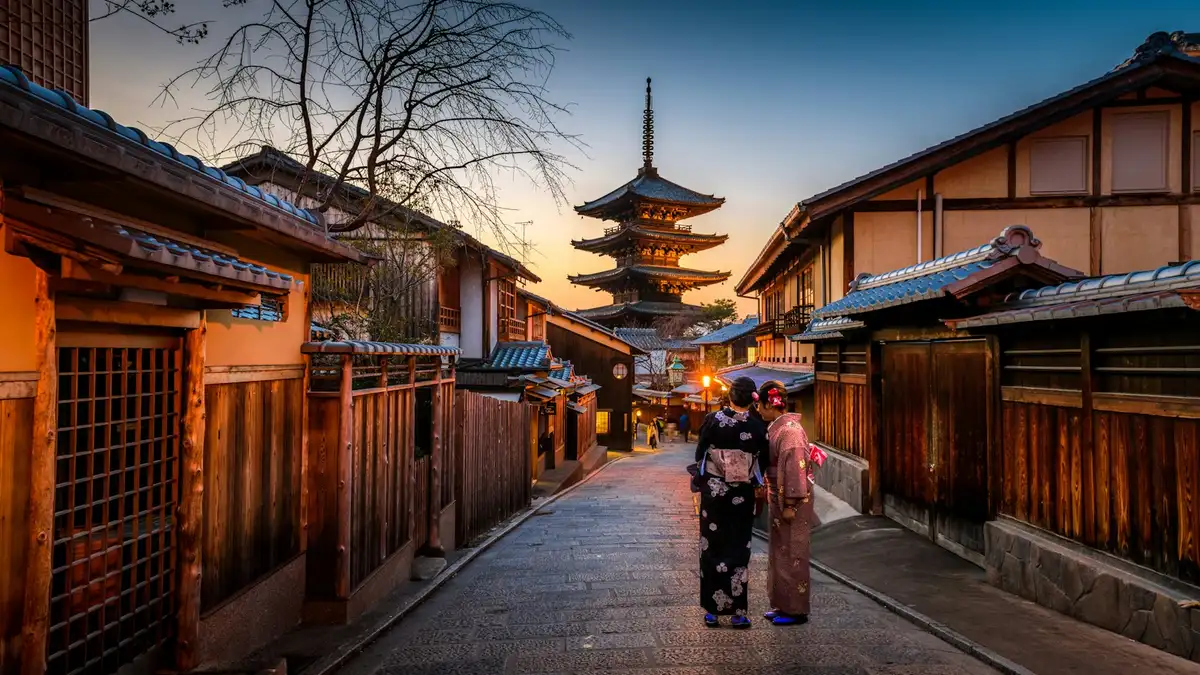
Most first trips to Japan follow the same golden route. Indeed, Tokyo, Kyoto, Mount Fuji, and Osaka fill almost every itinerary online. However, the places to visit in Japan off the beaten path tell a quieter, deeper story. Moreover, these hidden corners reward travellers who slow down and look beyond the postcards.
This guide collects twelve lesser known places in Japan that travel sources consistently praise. Firstly, it covers art islands, mountain villages, and fishing towns with real local life. Secondly, it explains how to group these stops into a workable route. Finally, it answers the practical questions that curious travellers ask most often.
Perhaps you have already ticked off the famous sights on a list of top places to visit outside of the US. Alternatively, this might be your very first visit to Japan. Either way, these underrated places in Japan can transform a good trip into a memorable one. In fact, many visitors later call these quiet stops the highlight of their journey.
Why Should You Go Off the Beaten Path in Japan?
Famous sights earn their fame honestly, and nobody should skip Kyoto entirely. Still, crowds change the feeling of a place, especially in peak seasons. In contrast, hidden gems in Japan offer space, silence, and unhurried conversations. Additionally, local shops and family inns in smaller towns genuinely welcome your business.
Rural Japan also protects traditions that big cities have largely lost. For example, farmers still thatch roofs together in Shirakawa-go every generation. Similarly, pilgrims still walk forest paths in Shikoku wearing white clothing. Consequently, a slower route shows you a living culture rather than a museum version.
Money stretches further outside the major cities as well. Admittedly, remote areas demand more planning and longer travel days. Nevertheless, regional trains, ferries, and buses connect almost every place in this guide. Therefore, patience rather than wealth unlocks the best secret places in Japan.
Naoshima and Teshima, the Art Islands of the Seto Inland Sea
Naoshima turns a sleepy fishing island into an open-air gallery. Above all, the island blends contemporary art with beaches, villages, and slow island rhythms. Yayoi Kusama’s famous pumpkin sculptures sit by the sea and greet arriving visitors. Meanwhile, Tadao Ando’s concrete museums disappear into hillsides and underground spaces.
The Chichu Art Museum holds works by Monet, James Turrell, and Walter De Maria. Additionally, old houses in Honmura village hide surprising art installations inside. Locals still live among the artworks, so daily life continues around you. As a result, Naoshima feels creative and human rather than polished and commercial.
Neighbouring Teshima offers a quieter counterpoint across the water. Specifically, the Teshima Art Museum holds one vast, meditative space under a concrete shell. Water droplets gather, slide, and pool across its gently curved floor. In short, both islands anchor any serious list of Japan hidden destinations.
- Reach Naoshima by ferry from Uno Port or Takamatsu.
- Rent a bicycle to explore the island at your own pace.
- Book major museums ahead, because popular time slots fill quickly.
- Stay overnight to enjoy the island after day visitors leave.
Shirakawa-go and Gokayama, Villages Built for Deep Snow
Steep thatched roofs rise above the rice fields of Shirakawa-go like praying hands. Indeed, locals call this building style gassho-zukuri, meaning hands joined in prayer. Families designed the roofs so heavy snow slides off without damaging the homes. Moreover, some farmhouses have stood in this mountain valley for centuries.
Ogimachi, the largest village, welcomes visitors into several historic farmhouses. Inside, you can see silk farming tools, hearths, and dark timber attics. However, Shirakawa-go now draws serious crowds during winter light-up events. Consequently, its quieter neighbour Gokayama deserves equal attention from thoughtful travellers.
Ainokura village in Gokayama keeps the same traditions with far fewer visitors. Small lanes wind between farmhouses, workshops, and tiny mountain shrines. Additionally, several families run simple guesthouses inside the historic homes. Staying overnight lets you hear the valley settle into complete evening silence. For winter scenery lovers, this region rivals the snowy charm in guides to places to visit in New Zealand in winter.
Kanazawa, Samurai Streets Without the Kyoto Crowds
Kanazawa escaped wartime destruction, so its historic districts survive almost intact. Firstly, Kenroku-en Garden ranks among the most celebrated landscape gardens in Japan. Gardeners there protect pine trees with elegant rope cones every winter. Secondly, the Nagamachi district preserves samurai homes behind earthen walls and narrow lanes.
The Higashi Chaya district adds a different atmosphere across the river. Wooden teahouses line its streets, and geisha culture still lives here. In addition, gold leaf workshops reflect the city’s long craft tradition. Visitors can try gold leaf crafts and taste gold leaf ice cream. Of course, the modern art museum nearby balances all that history beautifully.
Kanazawa also celebrates seafood from the nearby Sea of Japan coast. Omicho Market buzzes each morning with crab, shrimp, and sushi stalls. Furthermore, local chefs turn seasonal catches into memorable, affordable lunches. Therefore, food lovers should give this underrated city at least two nights.
Kurashiki, Canals and Warehouses From the Edo Period
Willow trees lean over quiet canals in Kurashiki’s Bikan Historical Quarter. White-walled warehouses, called kura, once stored rice and goods for merchants. Today, those warehouses house cafes, craft shops, museums, and small galleries. As a result, the quarter feels like an Edo period street that simply kept living.
The Ohara Museum of Art anchors the cultural side of the town. Surprisingly, this museum holds Western paintings alongside Japanese folk craft collections. Meanwhile, boatmen guide small wooden boats slowly along the canal. Passengers watch reflections ripple across the water and under stone bridges.
Kurashiki also suits travellers who dislike rushed sightseeing. For instance, denim shops celebrate the region’s famous textile heritage nearby. Local makers produce jeans and canvas goods with real pride. In short, Kurashiki rewards an unhurried afternoon far more than a quick photo stop.
The Nakasendo Trail Between Magome and Tsumago
Feudal travellers once walked the Nakasendo highway between Kyoto and Edo. Today, walkers follow its best preserved stretch between Magome and Tsumago. Stone paths climb through cedar forests, past waterfalls, farms, and tea houses. Moreover, both post towns protect their wooden buildings with unusual care.
Magome slopes uphill and offers wide views across the Kiso Valley. Tsumago, by contrast, hides cars and cables to preserve its historic mood. Residents famously restored the town together and banned intrusive modern clutter. Consequently, evening streets here glow softly under wooden lanterns alone.
Luggage forwarding services make the walk surprisingly easy for most visitors. Specifically, you can send bags ahead and walk with only a daypack. Free rest houses along the route serve tea to passing walkers. In fact, this gentle hike ranks among the finest off the beaten path Japan experiences.
Iya Valley, Vine Bridges Deep in Shikoku’s Mountains
Shikoku remains Japan’s least visited main island, and Iya Valley explains its mystique. Steep gorges cut through green mountains in the island’s wild interior. Long ago, locals crossed those gorges on bridges woven from mountain vines. Remarkably, craftsmen still rebuild the famous Kazurabashi vine bridge by hand.
Crossing that bridge delivers a small, delicious thrill for most walkers. Planks sit wide apart, and the river rushes far below your feet. Meanwhile, the nearby Oboke Gorge offers boat rides between dramatic rock walls. Additionally, riverside inns serve simple meals and hot spring baths after hiking.
The valley also forms part of the wider Shikoku pilgrimage landscape. Pilgrims visit eighty-eight temples across the island over many weeks. Most visitors sample only a temple or two along their route. Nevertheless, even that brief contact adds depth to a mountain road trip. Nature fans comparing wild landscapes worldwide often place Iya beside picks in best nature places to visit in the world guides.
Ine, the Fishing Village Where Houses Float on the Water
Ine lines a sheltered bay on the coast of Kyoto Prefecture. Uniquely, its funaya boat houses combine a boathouse below with living rooms above. Fishermen launch boats directly from their homes into the calm bay. As a result, the whole village seems to float gently on the water.
Sea taxis and sightseeing boats show visitors the funaya from the water. From that angle, rows of wooden houses mirror themselves in the bay. Additionally, some owners now run small cafes and guesthouses inside converted funaya. Guests wake to gulls, fishing boats, and the smell of the sea.
Ine suits travellers who crave slowness above sightseeing checklists. For example, you can cycle the bay road and stop wherever curiosity strikes. Local restaurants serve whatever the boats brought in that morning. In short, Ine delivers everyday coastal Japan rather than a staged attraction.
Tottori Sand Dunes, a Desert Beside the Sea of Japan
Few visitors expect a desert landscape in Japan, yet Tottori delivers one. Wind shapes huge sand dunes along the coast of the Sea of Japan. Moreover, those dunes constantly shift, so the scenery changes between visits. The nearby Sand Museum displays enormous sculptures carved entirely from sand.
Artists from around the world rebuild the museum’s exhibition every year. Consequently, each season brings a completely fresh theme and new sculptures. Outside, visitors can ride camels, paraglide, or simply climb the highest dune. From the top, the sea stretches endlessly beyond the rippled sand.
Tottori city itself stays refreshingly free of tourist crowds. Local chefs champion seasonal crab during the colder months. Furthermore, small museums and shrines fill a relaxed second day easily. Therefore, Tottori makes an excellent detour for travellers crossing western Honshu.
Yakushima, an Ancient Forest Island in the Far South
Yakushima rises from the sea south of mainland Kyushu. Ancient cedar trees, called yakusugi, cover its misty mountain interior. Some of these giants have grown here for thousands of years. Indeed, the Jomon Sugi tree inspires pilgrimages from hikers across Japan.
Trails in Shiratani Unsuikyo Ravine wander through moss, roots, and clear streams. Sunlight filters green through the canopy and turns everything emerald. Unsurprisingly, this forest inspired the scenery of a beloved animated film. Hikers often describe the place as Japan’s most magical woodland.
Waterfalls crash down the island’s steep coastal cliffs after rain. Meanwhile, sea turtles nest on quiet beaches during the summer season. Additionally, natural hot springs sit right beside the ocean in places. Altogether, Yakushima anchors the wild end of any Japan alternative itinerary.
- Pack proper rain gear, because Yakushima rains frequently all year.
- Start famous cedar hikes early and carry plenty of water.
- Book island accommodation early during national holiday periods.
- Allow buffer days, since ferries depend on sea conditions.
Takachiho Gorge, Myth and Basalt Columns in Kyushu
Takachiho Gorge slices through volcanic rock in the mountains of Miyazaki Prefecture. Sheer basalt columns line both sides of the emerald Gokase River. Manai Falls pours down the cliff face into that narrow channel. As a result, the gorge looks like a scene from Japanese mythology.
Visitors row small boats beneath the falls for the classic view. From the water, the cliffs tower above and the air feels cool. Alternatively, a paved path follows the gorge rim through the trees. Both routes reveal different moods of the same dramatic landscape.
Takachiho also carries deep meaning in Shinto tradition. Local legends describe this region as a setting for Japan’s creation myths. Nightly kagura dances retell those stories through masks, music, and movement. Therefore, an overnight stay adds cultural weight to the natural spectacle.
Koyasan, a Sacred Mountain Town of Temples
Koyasan sits high in the forested mountains of Wakayama Prefecture. Buddhist monks founded this sacred settlement more than a thousand years ago. Today, over a hundred temples still operate across the plateau town. Many temples welcome overnight guests into simple tatami rooms.
Okunoin Cemetery forms the spiritual heart of the mountain. Ancient cedar trees shade mossy gravestones, lanterns, and memorials along long paths. Pilgrims walk here toward the mausoleum of Kobo Daishi, the founding monk. Admittedly, the atmosphere feels solemn, yet it also feels deeply peaceful.
A temple stay, called shukubo, structures your visit around monastic rhythms. Guests eat shojin ryori, the traditional vegetarian cuisine of Buddhist monks. Additionally, morning prayers invite visitors into chanting halls before dawn. In contrast with busy city temples, Koyasan encourages genuine quiet reflection.
Yanaka, Old Tokyo Hiding in Plain Sight
You do not always need remote mountains to escape the tourist trail. Yanaka, an old neighbourhood in Tokyo, survived war and rapid redevelopment. Narrow lanes, wooden houses, temples, and small shops fill its streets. Moreover, local cats famously patrol the shopping street called Yanaka Ginza.
Artisans sell handmade goods beside traditional sweet shops and noodle counters. Meanwhile, the large Yanaka Cemetery offers leafy paths and famous literary graves. Visitors often combine the area with nearby museums and the Ueno parklands. Consequently, Yanaka works perfectly as a gentle half day in the capital.
Couples extending an Asia trip often pair Tokyo with guides on what places to visit in South Korea for a second stop. Similarly, regional planners compare Japan with the best place in Thailand to visit before booking. Both comparisons highlight how distinctive Japan’s quieter regions really feel.
How Can You Plan an Off the Beaten Path Japan Route?
Geography should shape your route more than any ranked list. Firstly, group nearby places together instead of zigzagging across the country. For example, Naoshima, Kurashiki, and Tottori combine naturally across western Honshu. Secondly, Kanazawa, Shirakawa-go, and the Nakasendo form a classic central loop.
Shikoku and Kyushu each deserve dedicated time on longer trips. Ine pairs well with Kyoto, while Koyasan pairs well with Osaka. Meanwhile, Yakushima needs its own travel days because ferries take time. Therefore, two or three regions usually beat a rushed national tour.
A sample flow might start in Tokyo with a day in Yanaka. Next, trains carry you west toward Kanazawa and the mountain villages. Afterwards, ferries and local lines lead onward to the art islands. Finally, a flight south opens Kyushu, Takachiho, and Yakushima for adventurous travellers. Planners building longer Asia routes sometimes add stops from places to visit in Vietnam Ho Chi Minh City afterwards.
- Stay at least two nights in each regional base town.
- Check ferry and rural bus timetables before fixing hotel dates.
- Carry cash, because small rural businesses sometimes refuse cards.
- Learn basic Japanese greetings, since English thins out rurally.
- Respect local rules at temples, villages, and private homes.
Frequently Asked Questions
What is the most underrated place to visit in Japan?
Many travellers name Ine or the Iya Valley as their top discovery. Ine offers floating boat houses and a calm fishing village atmosphere. Meanwhile, Iya Valley delivers vine bridges, gorges, and true mountain remoteness. Ultimately, your interests decide which hidden gem suits you best.
How many days do you need for off the beaten path Japan?
Ten days allow a comfortable loop through two regions without rushing. Shorter trips should pick one cluster, such as Kanazawa and Shirakawa-go. Longer journeys can add Shikoku, Kyushu, and Yakushima at a relaxed pace. In general, slower travel always suits rural Japan better.
When is the best time to visit these hidden places in Japan?
Spring and autumn bring mild weather and beautiful seasonal colour. Summer suits Yakushima’s forests but also brings humidity and heavy rain. Winter transforms Shirakawa-go into a snowy postcard for cold weather lovers. Therefore, match your season carefully to your chosen regions.
Do you need a car to explore rural Japan?
Trains, buses, and ferries reach every destination in this guide. However, a rental car adds freedom in Iya Valley and Kyushu. Public transport simply demands closer attention to timetables and connections. Either way, careful planning keeps rural travel smooth and enjoyable.
Are these lesser known places suitable for first time visitors?
Yes, especially travellers who already plan one classic city stop. Kanazawa, Kurashiki, and Naoshima feel welcoming and easy for beginners. More remote spots like Aogashima or deep Iya suit experienced travellers better. Fortunately, this guide mixes gentle introductions with wilder adventures.
Final Thoughts on Hidden Japan
Japan rewards curiosity far beyond its famous golden route. Art islands, vine bridges, boat houses, and temple towns all wait quietly. Moreover, each destination in this guide offers something the big cities cannot. Space, slowness, and genuine local texture define these journeys.
Pick a region, travel slowly, and let small moments surprise you. Perhaps a ferryman, a monk, or a market chef will reshape your trip. Such encounters rarely appear on lists of the top 500 places to visit in the world. Yet, they often become the stories travellers retell for years.




