
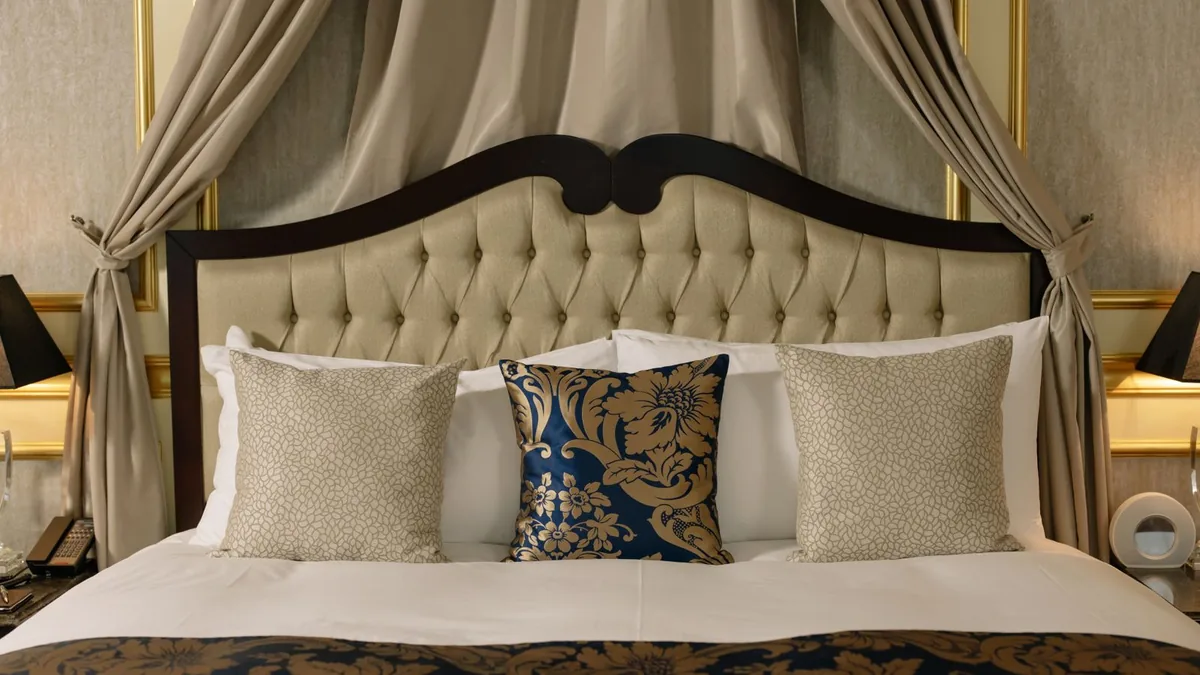
Luxury sounds glamorous in a hotel headline. However, real luxury feels much quieter once you close the room door. A modern luxury boutique hotel earns its price through sleep, calm, and thoughtful details. Above all, it removes friction from your trip instead of adding sparkle to a brochure.
Comfort also has a practical side. Indeed, a great room helps you rest, work, wash, and dress without effort. Meanwhile, modern living means technology, design, and service that fit real daily habits. Therefore, this guide explains how to judge all three promises before you book.
What does luxury, comfort, and modern living really mean?
Luxury means quality where it counts most. Firstly, it shows in solid materials, careful maintenance, and generous space. For example, doors close softly, taps run smoothly, and fabrics feel clean. Consequently, the room feels calm rather than showy or fragile.
Comfort works on a deeper level. In fact, comfort combines temperature, quiet, light, and a bed that suits your body. Additionally, it includes small freedoms like making tea easily or charging your phone beside the bed. As a result, you relax faster and sleep more deeply.
Modern living ties both ideas together. Specifically, it means intuitive technology, flexible dining, and staff who respect your time. Furthermore, it reflects how people travel now, with laptops, streaming, and mixed work and leisure. Overall, a modern luxury boutique hotel feels designed around real life.
Why does design matter more than decoration?
Good design guides you without instructions. For instance, light switches sit where your hand expects them at night. Similarly, the bathroom mirror gives clear light for shaving or makeup. In contrast, decoration alone only photographs well during the first five minutes.
Sense of place separates boutique stays from chains. Naturally, local art, regional materials, and neighbourhood flavours make a room memorable. Our look at The Reign Hotel Kyoto shows how local character can shape a luxury stay beautifully. Likewise, thoughtful properties borrow colours and textures from their surroundings.
Common areas deserve the same scrutiny. After all, a lobby should offer real seating, not just a sculptural staircase. Moreover, quiet corners help guests read, talk, or wait for a taxi comfortably. Honestly, design succeeds when you stop noticing it and simply feel settled.
What makes a hotel room genuinely comfortable?
Space matters, yet layout matters more. Firstly, you should walk around the bed without squeezing past sharp furniture corners. Additionally, a proper chair and a small table support reading, room service, or laptop work. Consequently, the room serves your whole routine, not only your sleep.
Storage reveals how well planners understand travellers. For example, open luggage racks, enough hangers, and drawers keep clothes off the floor. Meanwhile, a full-length mirror and a safe for valuables add everyday ease. In short, boutique hotel amenities should solve problems you actually have.
Small comforts also accumulate quietly. Indeed, bedside sockets, a kettle with decent tea, and spare blankets prevent tiny irritations. Furthermore, blackout blinds that truly meet in the middle protect your morning. Still, cleanliness underpins everything, because no design feature excuses dust or stale smells.
How does sleep quality reveal true luxury?
Hotel sleep quality starts with the bed itself. Above all, a supportive mattress without dips or lumps defines a serious property. High-quality luxury hotel bedding then adds breathable sheets, a duvet with real warmth, and no scratchy seams. As a result, guests wake without aches or overheating.
Pillows deserve equal attention. Many top properties offer a pillow menu with firm and soft options. Therefore, side sleepers, back sleepers, and stomach sleepers can all find proper neck support. Additionally, spare pillows in the wardrobe save you a call to reception at midnight.
Quiet completes the sleep equation. Soundproofed hotel rooms block corridor chatter, plumbing noise, and street traffic effectively. Similarly, blackout curtains and soundproofing together keep dawn light and early deliveries outside. If you value rest highly, browse our guide to the best places to visit for rest and relaxation for calmer trip ideas.
Temperature control finishes the picture. In fact, you should adjust the room temperature quickly and quietly yourself. However, noisy air conditioning units ruin otherwise excellent sleep night after night. Consequently, recent reviews that mention humming vents or stuffy rooms deserve serious attention.
What should a modern hotel bathroom deliver?
A luxury bathroom works beautifully at 7 a.m. Firstly, strong water pressure makes the shower feel generous rather than decorative. A proper rain shower bathroom setup also includes a handheld option and simple, clear controls. Consequently, nobody wastes ten minutes decoding taps while half awake.
Lighting shapes the whole experience. For instance, bright, even light around the mirror helps with makeup, lenses, and shaving. Meanwhile, a softer night setting guides you safely without waking your partner fully. Additionally, enough shelf space keeps your own toiletries tidy and dry.
Details then confirm the standard. Indeed, thick towels, a robe that fits, and quality toiletries signal genuine care. Furthermore, a heated floor or a deep soaking tub adds pleasure on cold evenings. By contrast, mouldy grout, weak extraction fans, and lukewarm water expose neglected maintenance instantly.
How should hotel technology help without annoying you?
Good technology disappears into the background. Smart hotel room technology should save time, never create new puzzles. For example, mobile check-in and keyless entry let tired guests skip a long reception queue. As a result, arrival feels smooth after a delayed flight or train.
Connectivity now ranks alongside hot water. Fast hotel Wi-Fi must handle video calls, large files, and streaming without constant dropouts. Moreover, a smart television with easy casting beats a huge channel list nobody uses. Therefore, check recent reviews for honest comments about signal strength and speed.
In-room controls need simplicity most of all. Specifically, one clear panel for lights, curtains, and climate helps guests settle quickly. However, systems that demand an app download for basic tasks frustrate almost everyone. In short, technology earns its place only when it respects your habits.
Charging points reveal modern thinking clearly. Nowadays, bedsides need sockets and USB ports on both sides of the bed. Additionally, an international adapter or a wireless charging pad helps foreign guests enormously. Still, a printed card explaining the system shows more care than any gadget alone.
What does good hotel dining look like today?
Breakfast sets the tone for the day. Firstly, quality coffee, fresh fruit, and eggs cooked properly matter more than endless counters. Locally sourced hotel dining also brings regional breads, cheeses, and preserves onto the table. Consequently, your first meal connects you with the place you came to visit.
Flexibility matters just as much. For instance, early starters need a grab-and-go option before tours or flights depart. Meanwhile, slow travellers deserve a relaxed brunch without staff hovering or rushing plates away. Our feature on Straw Hat Restaurant in Anguilla shows how setting and service elevate a meal memorably.
Evening options complete the picture. Indeed, a small, well-cooked menu usually beats a vast menu cooked without conviction. Furthermore, honest information about allergens and vegetarian dishes shows respect for every guest. Above all, room service should arrive hot, promptly, and exactly as ordered.
How can you recognise real service culture?
Great service starts before you ask. Attentive staff notice heavy bags, tired children, or a guest scanning the lobby uncertainly. Therefore, help arrives early and naturally, without a performance or an expectation of tips. As a result, guests feel looked after rather than processed.
Personalised hotel service grows over a stay. For example, staff remember your coffee order, your preferred floor, or your taxi time. Additionally, a good hotel concierge service suggests places that match your interests, not commission partners. In fact, specific, local advice is the clearest sign of a caring team.
Problems reveal culture most honestly. Every hotel faces a broken heater, a noisy neighbour, or a booking mix-up eventually. However, strong teams apologise plainly, act quickly, and offer a fair alternative. Consequently, guests often forgive mistakes when staff handle them with speed and sincerity.
Housekeeping underpins that trust daily. Rooms should be serviced thoroughly, at predictable times, and without disturbing resting guests. Moreover, requests for extra towels or an iron should arrive quickly and cheerfully. Overall, consistency across every shift matters more than one grand gesture at check-in.
Why does location still decide so much?
A beautiful room cannot fix a bad base. Firstly, hotel location and walkability shape how much of a destination you actually enjoy. For example, safe streets, nearby cafés, and public transport within minutes save time daily. Our guide to the best place to stay when visiting the Smithsonian shows how a smart base transforms sightseeing.
Noise creates the main trade-off. Central streets offer energy, restaurants, and late transport options right outside. By contrast, quieter districts sleep better but may need taxis after dinner each night. Therefore, decide honestly whether you value buzz or rest more on this trip.
Day trips also reward a well-placed hotel. Japan makes a fine example, because efficient stations turn a city base into a gateway. Browse our list of places to visit in Japan off the beaten path for ideas beyond the usual stops. Similarly, a retreat-style stay suits travellers who plan slow mornings, as our piece on lifestyle properties in Oregon illustrates nicely.
What about wellness, work, and sustainability?
Wellness facilities support modern routines on the road. A clean gym with working equipment helps guests keep healthy habits while travelling. Additionally, a pool, sauna, or treatment room offers recovery after long flights and busy sightseeing. Still, opening hours matter, because a gym that opens late helps nobody.
Work needs have changed permanently for many travellers. Nowadays, a quiet desk area, strong light, and reliable video-call connection are essential. Furthermore, some boutique hotels add small meeting corners or bookable private workspaces downstairs. Consequently, mixing business with leisure feels manageable instead of chaotic.
Sustainability now belongs inside luxury, not beside it. A responsible sustainable luxury hotel reduces waste, refills toiletries, and sources food thoughtfully. Our article on superior green lifestyles and sustainable luxury explores that shift in daily living. Importantly, credible hotels explain their practices plainly instead of hiding behind vague green slogans.
How can you verify a hotel before you book?
Verification starts with the name itself. If you searched for Homiezava by name, cross-check that name on maps, official tourism listings, and major booking platforms before paying anything. Similarly, any hotel name deserves this pause when listings look thin or inconsistent. Consequently, five careful minutes can protect your whole trip budget.
Reading hotel reviews well takes a method. Firstly, sort reviews by most recent, because standards change with management and maintenance. Next, look for repeated patterns across different months and different traveller types. For example, repeated praise for sleep and staff means far more than one ecstatic paragraph.
Guest photographs tell a plainer story. Official galleries use wide lenses, staging, and perfect light to flatter small rooms. By contrast, traveller snapshots show real space, real wear, and real views honestly. Therefore, compare both sets side by side before you trust either one completely.
Direct contact provides the final test. Email or call the hotel with one specific question about parking, check-in, or accessibility. Indeed, a prompt, clear answer usually predicts helpful service throughout your stay. However, silence or copy-pasted replies warn you about communication after booking too.
Which red flags should stop you booking?
Patterns matter more than single complaints. Hotel red flags become serious when the same problem appears across many recent reviews. The following warning signs deserve particular care before you pay:
- Repeated complaints about dirty bathrooms, stained bedding, or pests across several months.
- Many recent mentions of thin walls, corridor noise, or broken air conditioning.
- Hidden resort fees, parking charges, or Wi-Fi costs that appear only at checkout.
- Official photos that clash sharply with recent guest photographs of the rooms.
- Defensive management replies that blame guests instead of describing a fix.
- No clear address, no working contact details, or pressure to pay outside secure platforms.
Each sign alone might have an explanation. However, two or three together describe how a property actually operates day to day. Therefore, trust the pattern, compare alternatives nearby, and keep your booking flexible where possible. Above all, never let polished marketing outrank consistent guest evidence.
Your simple hotel booking checklist
A short routine makes how to choose a hotel much easier. Firstly, confirm the exact location on a map, including walking times and transport links. Secondly, read recent reviews for sleep, cleanliness, staff, and Wi-Fi patterns specifically. Finally, compare the total price, including taxes, parking, breakfast, and any resort fees.
Details then refine your shortlist further. For instance, check room size in square metres rather than trusting wide-angle photographs. Additionally, confirm check-in hours, cancellation terms, and accessibility features directly with the property. As a result, this hotel booking checklist removes most nasty surprises before arrival.
Value finally beats star ratings alone. A smaller boutique property with superb sleep and service often outperforms a famous name. Moreover, booking directly sometimes brings flexible terms, a welcome perk, or a better room. In short, choose the hotel that proves its promises with evidence.
Frequently asked questions
What is the difference between a boutique hotel and a chain hotel?
Boutique hotels are usually smaller, with individual design and a stronger local character. In contrast, chain hotels offer standardised rooms and predictable systems across many cities. Therefore, choose boutique character for personality, or chain consistency for familiarity and loyalty points.
Which room features matter most for a comfortable stay?
A supportive mattress, effective blackout curtains, and quiet soundproofing matter most for most guests. Additionally, good water pressure, bedside charging, and proper storage improve every single day. Consequently, judge a room by these basics before admiring decorative extras.
How many reviews should you read before booking a hotel?
Aim for at least fifteen to twenty recent reviews across two different platforms. Moreover, include several three-star reviews, because they usually describe honest trade-offs in detail. As a result, you will spot repeated patterns instead of chasing extreme opinions.
Is it better to book directly with a hotel or through a platform?
Both routes work well when the property is genuine and clearly listed. However, direct bookings sometimes bring flexible cancellation, personal requests, or small loyalty perks. Therefore, compare the total price and terms in both places before deciding.
What should you do if a hotel name cannot be verified anywhere?
Pause before paying, and search maps, tourism boards, and several booking platforms carefully. Additionally, contact the property through independently found details rather than links on one page. If nothing credible confirms the listing, choose a verified alternative instead.
The bottom line on modern luxury stays
True luxury is quiet, useful, and consistent. It lives in deep sleep, hot showers, honest food, and staff who solve problems gracefully. Moreover, modern living adds easy technology, flexible spaces, and respect for the planet. Therefore, judge every glamorous claim against those everyday tests.
Your next stay can absolutely deliver all three promises. Use the checks above, read recent evidence carefully, and book with clear expectations. In the end, the best modern luxury boutique hotel is simply the one that keeps its promises nightly.




