
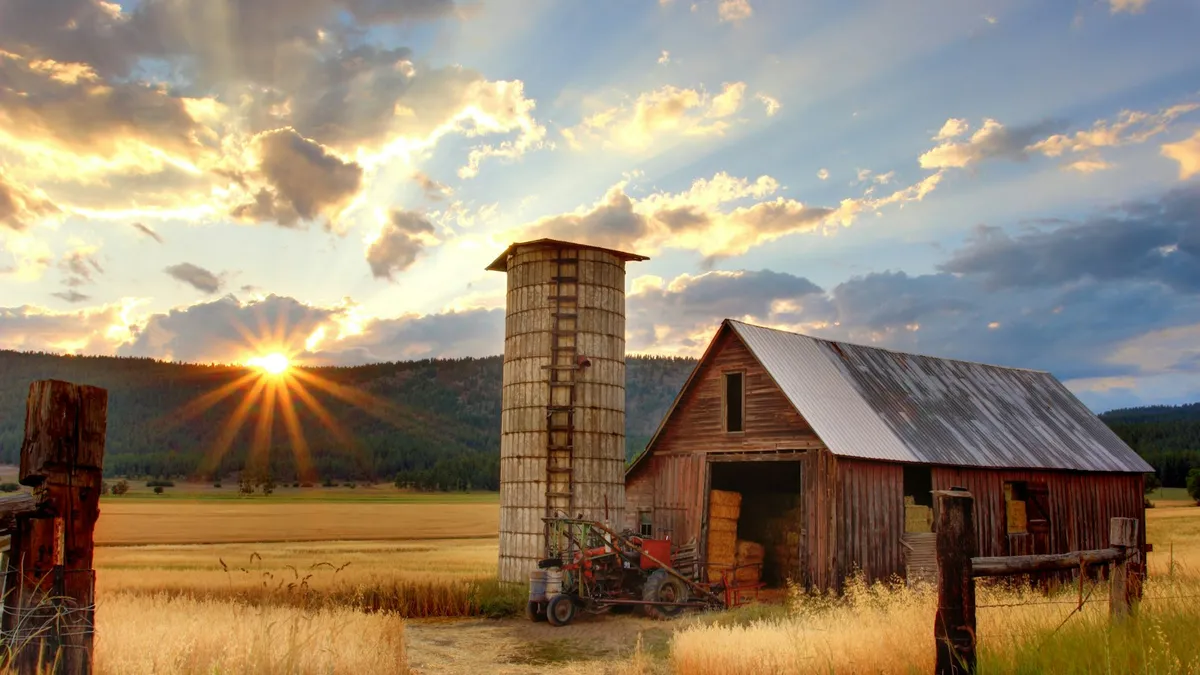
Most home searches start with bedrooms, bathrooms and square footage. A search for lifestyle properties in Oregon, however, starts somewhere else entirely. It starts with a morning you want to have. Perhaps you picture coffee on a deck above a slow river. Alternatively, you might picture horses waiting at a fence line. Either way, the house matters less than the life around it.
That shift in thinking changes everything about the purchase. In practice, you are buying land, water, views and daily routines first. The building simply supports those things. Consequently, a lifestyle property rewards a different kind of homework. This guide explains the main property types, the Oregon regions behind them, and the checks that protect you. Along the way, it also shows how to judge a retreat property with clear eyes.
What does the term lifestyle property actually mean?
Put simply, a lifestyle property is a home bought mainly for the life it makes possible. Location and land come first, and architecture comes second. For example, one buyer wants vines and a small tasting patio. Another buyer wants pasture, a barn and quiet roads for riding. Both buyers are shopping for days, not just rooms.
Importantly, the term is not a legal category. It is a way of describing intent. In other words, the same farmhouse can be a residence, an investment or a lifestyle purchase. What changes is the buyer’s reason for choosing it. Indeed, that reason should drive every later decision. If the land cannot support the life you imagined, then the prettiest house will disappoint you.
Price talk often confuses this market, so it helps to stay grounded. Prices for Oregon land for sale vary widely by region, water and access. Similarly, two similar acreages can differ sharply because of zoning or a working well. Therefore, experienced buyers compare usable land and rights, not just asking figures. That habit also shapes a smarter search from the start.
Which types of lifestyle properties does Oregon offer?
Oregon suits this kind of buying unusually well. Within one state, you can find vineyard hills, high desert, rainforest coast and snowy peaks. As a result, the menu of property types is broad. Moreover, each type comes with its own chores, costs and pleasures. The sections below outline the main options.
Vineyard and wine country properties
A vineyard property in the Willamette Valley is the classic Oregon dream for many buyers. Rolling slopes, orderly vine rows and long evening light explain the appeal. However, vines are a crop, not a decoration. They need pruning, spraying, irrigation decisions and harvest labour. In addition, some buyers prefer a small hobby block that a local crew manages. Others, in contrast, want a working wine country estate in Oregon with real production. Knowing which camp you belong to matters enormously.
Hobby farms and small acreage
A hobby farm in Oregon usually means a few acres, a garden and some animals. Chickens, goats, bees and a serious vegetable plot are common combinations. Furthermore, outbuildings often matter as much as the house itself. A dry barn, good fencing and a reliable water source shape daily life. Not surprisingly, many buyers in this group also explore sustainable luxury and greener ways of living. Self-reliance, after all, is part of the attraction.
Equestrian and ranch-style homes
An equestrian property in Oregon is built around horses from the ground up. Pasture quality, arena footing, stall space and trailer access all count. Meanwhile, fencing must be safe, visible and well maintained. Riders also care about trail access and quiet roads nearby. By comparison, a small ranch-style property may keep cattle or simply offer wide open space. Both options demand comfort with fencing repairs and seasonal mud.
Waterfront, river and mountain retreats
Water and altitude create the classic retreat property in Oregon. River homes offer fishing, swimming holes and the constant sound of moving water. Likewise, lake and coastal homes trade on views, breezes and beach access. A cabin property in Oregon mountains, meanwhile, promises snow, silence and stars. Even so, each setting adds duties. Flood awareness matters near rivers, while winter access matters in the hills. Our roundup of the best places to visit for rest and relaxation shows how strongly landscape shapes a restorative stay.
Why does the Willamette Valley lead so many searches?
The valley runs south from Portland between the Coast Range and the Cascades. Gentle farmland, oak savanna and vine-covered hills define its look. Moreover, the climate is mild and wet in winter, then warm and dry in summer. That pattern suits grapes, gardens and pasture alike. Consequently, rural property in Oregon often means valley property first.
Daily life here stays connected, even on acreage. Small wine towns offer tasting rooms, markets and schools within a short drive. Furthermore, the Portland metro fringe adds a hybrid option. There, buyers keep city jobs while living on larger wooded lots. In fact, that balance explains much of the valley’s lasting appeal. It feels rural at breakfast, yet practical by noon.
Buyers comparing regions sometimes look beyond Oregon entirely. For instance, our guide to a dream home on Marrowstone Island shows a similar island-meets-rural pattern in Washington. Still, the valley’s mix of farms and vines remains distinct. Above all, it offers choice at many scales. A buyer can start with a garden acre and grow from there.
What makes Bend and Central Oregon different?
East of the Cascades, the landscape changes completely. Bend Oregon homes sit in high desert, among juniper, sagebrush and volcanic rock. Sunshine is far more frequent here, and winters turn properly cold. As a result, outdoor life runs all year. Skiing, mountain biking, fishing and hiking sit close to town.
Land, however, behaves differently in the desert. Water becomes the central question on almost every parcel. Wells can vary greatly, even between neighbouring lots. In addition, dry pasture needs careful stocking and realistic expectations. That said, the rewards are real. Big skies, mountain views and starry nights define Central Oregon evenings. For buyers who love dry air and open space, few regions compete.
What about the coast and the Columbia River Gorge?
An Oregon coast property trades sunshine for drama. Cliffs, dunes, estuaries and working fishing towns line the shore. Moreover, the entire coastline is famously open to the public. Weather, meanwhile, stays mild but wet and windy. Salt air also works hard on roofs, paint and metal. Consequently, coastal homes need tougher maintenance budgets.
The Gorge offers a different bargain again. Columbia River Gorge homes sit between steep forested walls and a huge working river. Wind sports, waterfalls and orchards shape the local rhythm. Furthermore, the area blends small-town life with easy Portland access. In contrast to the coast, summers feel warmer and drier. Buyers who want scenery with momentum often land here.
Is Southern Oregon the quieter alternative?
Often, yes. The Rogue Valley property scene centres on Medford, Ashland and Grants Pass. Hotter summers, oak hills and river valleys give the region a Mediterranean feel. In addition, vineyards, orchards and hobby farms spread widely across the valley floor. Theatre, farmers markets and rafting add cultural texture. Life, as a result, feels slower without feeling remote.
Rural buyers elsewhere make similar trade-offs. Our look at Hugoton KS real estate shows how small towns attract buyers seeking space and value. Similarly, Southern Oregon appeals to people who want acreage plus amenities. However, summer heat and wildfire awareness need honest attention here. Shade, water storage and defensible space belong in every plan.
What should you check before buying rural land in Oregon?
Buying land in Oregon rewards patience more than speed. Emotions run high on beautiful parcels, yet paperwork decides what is possible. Therefore, work through the checks below before you commit. Each one protects a different part of your plan.
Water, wells and water rights
Start with water, because everything else depends on it. Ask whether the property uses a well, a community system or surface water. Then request the well log, which records depth, flow and construction. Crucially, water rights for Oregon land are separate from owning the soil. A right may cover irrigation for specific acres and uses. Without that right, large-scale watering may not be allowed. In short, never assume that a green pasture means legal irrigation.
Zoning and land use
Oregon plans land use more strictly than many states. Farm and forest zoning protects working land, but it also limits homes and businesses. For example, some parcels allow a dwelling only with genuine farm use. Others restrict short-term rentals, events or extra buildings. Therefore, confirm the zoning with the county in writing. Also check setbacks, minimum lot sizes and any homeowners association rules. A five-minute call can prevent a very expensive misunderstanding.
Septic, soil and site basics
Most rural homes rely on a well and a septic system. So ask for septic records, permits and recent inspection results. Additionally, soil type affects drainage, gardening and building costs. Steep slopes, wetlands and flood zones can shrink the buildable area. Even a homesite view can hide a difficult driveway grade. In practice, a site visit after heavy rain reveals a great deal. Puddles, ruts and soft ground all tell honest stories.
Fire, weather and access
Wildfire risk deserves calm, factual attention in much of Oregon. Check local hazard maps and look at vegetation around the homesite. Moreover, ask about defensible space and nearby fire services. Seasonal access matters too, especially for a cabin property in Oregon mountains. Snow, ice and private road duties can change winter life completely. Finally, measure real distances to groceries, fuel, schools and medical care. Beauty feels different when every errand takes an hour.
How do you evaluate a retreat property on a visit?
Visit like an inspector, not a tourist. Arrive early, stay late and walk the whole parcel if you can. For instance, morning light shows drainage and neighbouring activity. Evening light, meanwhile, reveals road noise and wind patterns. Better still, visit twice in different weather. One sunny afternoon can hide a season of problems.
Focus on the systems that support daily comfort. Check water pressure, heating, roof condition and mobile signal. Similarly, test the driveway with your own vehicle. Outdoor spaces deserve attention as well, since decks carry much of retreat life. Our guide to home deck services and outdoor living space explains what solid deck work involves. A rotten deck, in contrast, can spoil the very mornings you bought.
Numbers still matter, even in a heart-led purchase. Compare the property with recent sales of similar rural homes nearby. Admittedly, lifestyle value is personal, yet resale value is not. Our guide to real estate in Philadelphia’s 19118 area shows how location drives value in a city market. Likewise, our overview of Usk WA real estate covers rural investment thinking in the Northwest. Both perspectives help you price emotion sensibly.
Which questions should you ask before making an offer?
Good questions turn a viewing into due diligence. Ask them early, and record the answers in writing. The list below covers the ground that matters most.
- Where does the household water come from, and is the well log available?
- Which water rights, if any, transfer with the sale?
- What does the zoning allow for animals, rentals and extra buildings?
- How old are the septic system, roof and heating system?
- Who maintains the access road, and what does that cost each year?
- How does the property behave in the wettest and driest months?
- What internet and mobile options actually work at the house?
Answers will rarely be perfect, and that is fine. Instead, look for clarity about what you are accepting. A known quirk can be budgeted, while a hidden one cannot. Consequently, buyers who ask early negotiate from strength. They also walk away more easily when answers disappoint. That discipline, ultimately, protects the dream itself.
Ready to find your own Oregon retreat?
Lifestyle properties in Oregon are not really about escaping life. They are about choosing its setting with unusual care. Whether you settle in wine country, high desert or coastal forest, the pattern holds. Define the life first, then test the land honestly. Water, zoning, access and upkeep decide whether the dream survives contact with reality.
Take your time, and visit in more than one season. Talk to neighbours, county staff and local tradespeople along the way. In the end, the right property will feel both exciting and workable. That combination is the real charm here. Find it, and your ultimate retreat stops being a listing. It becomes the place your days are built around.




