
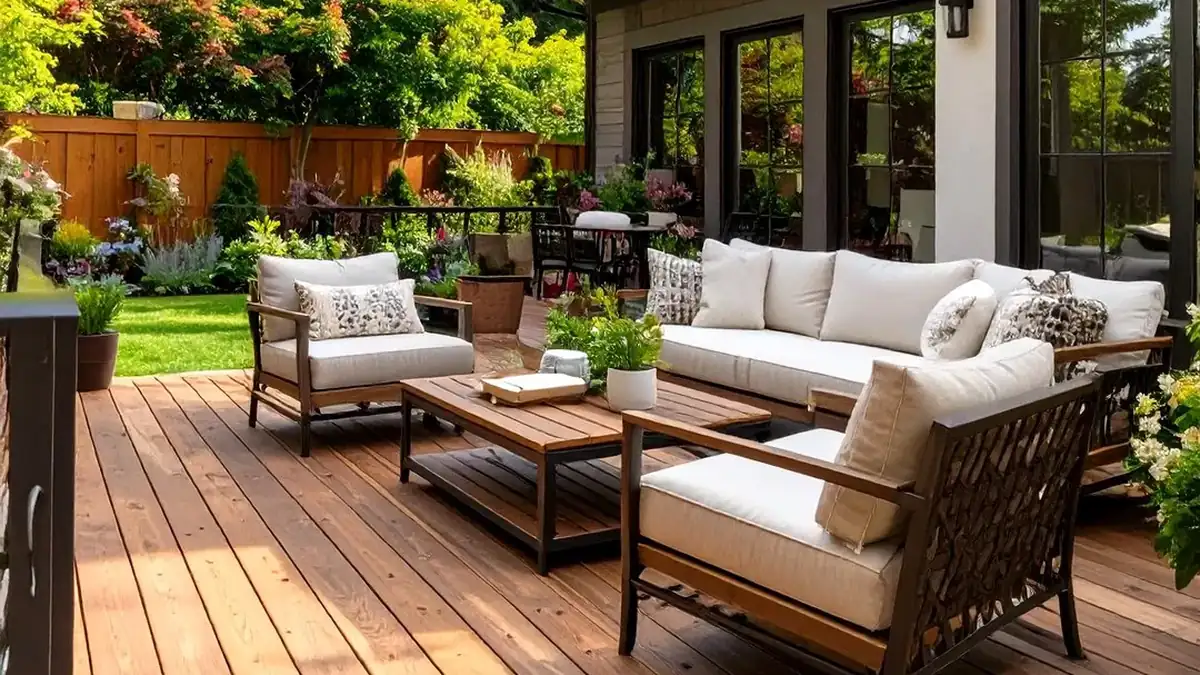
A good deck quietly changes how a house feels. Suddenly, the backyard stops acting like scenery. Instead, it becomes the room where summer evenings actually happen. In northern Illinois, however, warm weather never lasts forever. Rockford homeowners therefore want outdoor space that earns its keep quickly. Good deck services in Rockford help you plan, build, and care for that space properly.
This guide walks through the whole buying decision calmly. First, it explains what professional deck services actually cover. Next, it compares the main decking materials honestly. Later, it covers design, cost drivers, permits, and contractor checks. Finally, it shows you how simple maintenance protects the finished result.
Why Does Outdoor Living Matter So Much in Rockford?
Rockford sits along the Rock River in northern Illinois. Consequently, residents get hot summers, cold winters, and everything between. A well-planned deck handles that swing gracefully. For example, it gives you shade-ready space in July. Meanwhile, sturdy construction shrugs off freeze and thaw cycles later.
Climate shapes every smart deck decision here. Specifically, moisture, snow load, and strong sun all test materials yearly. Local builders understand those pressures instinctively. Moreover, they know which details fail first in this region. That local knowledge quietly protects your budget.
Outdoor space also changes how a home lives daily. Indeed, morning coffee tastes better outside. Similarly, weekend gatherings spread out more comfortably. Anyone planning a dream home with generous outdoor space usually starts with exactly this feeling.
What Do Deck Services in Rockford Actually Cover?
Professional deck services cover far more than board laying. Typically, the work starts with a site visit and honest conversation. Then, the builder measures the yard and studies sun, slope, and drainage. Afterwards, design drawings turn rough ideas into a buildable plan.
Most full-service providers handle several project types. For instance, they build brand-new decks from the ground up. Additionally, they replace tired decks that no longer feel safe. Furthermore, they resurface sound frames with fresh modern boards. Resurfacing saves the existing structure when the frame still performs well.
Repair work forms another important service category. Specifically, crews fix loose railings, soft boards, and wobbly stairs. Occasionally, they rebuild a failing ledger connection or footing. Such repairs matter because small weaknesses grow quietly. Early attention keeps a minor fix from becoming a rebuild.
Good providers also guide the paperwork side. In particular, they prepare permit drawings and schedule inspections. Likewise, they coordinate any electrical work for lighting. Homeowners comparing local providers often research the wider market first, and this overview of how home services businesses operate shows why organised firms plan projects better.
How Should You Choose a Decking Material?
Material choice shapes cost, upkeep, and lifespan more than anything else. Therefore, compare the four main options before you fall for a colour. Each material suits a different household rhythm. Above all, match the material to your maintenance appetite honestly.
Pressure-Treated Wood Suits Tight Budgets?
Pressure-treated wood remains the classic starting point. Manufacturers infuse the timber with preservatives under pressure. Consequently, the boards resist rot and insect damage well. Homeowners also like the familiar, natural grain. Painting or staining lets you refresh the colour later.
Trade-offs appear over time, though. Notably, this wood needs regular sealing or staining. It can also warp, crack, or splinter as seasons pass. Still, diligent owners get many good years from it. Regular care truly makes the difference here.
Why Do Many Owners Love Cedar Decking?
Cedar brings natural beauty straight from the tree. In fact, the wood contains oils that resist decay naturally. Its warm tones and light weight please builders too. Moreover, cedar stays cooler under bare feet than many alternatives.
Cedar still asks for commitment, however. Owners should clean and reseal it periodically. Otherwise, the rich colour fades to a silvery grey. Some households actually prefer that weathered look. Either way, honest expectations prevent disappointment later.
Composite Decking Rewards Low-Maintenance Living?
Composite decking blends wood fibre with recycled plastic. As a result, boards resist fading, staining, and mould impressively. Manufacturers offer many colours and grain patterns nowadays. Additionally, hidden fasteners create a clean, smooth surface. Bare feet appreciate the splinter-free finish daily.
Composite costs more upfront than basic timber. Nevertheless, owners skip years of staining and sealing weekends. Washing with soap and water usually restores the surface. Over a long ownership stretch, that convenience often wins. Busy families especially value the reclaimed weekends.
When Does PVC Decking Make Sense?
PVC decking contains no wood fibre at all. Instead, manufacturers form boards entirely from plastic. Therefore, the material shrugs off moisture completely. Wet spots near pools or shaded gardens suit it perfectly. It also resists insects without any chemical treatment.
PVC usually sits at the premium end of material pricing. Even so, it delivers a very long, low-care service life. Colour runs through the whole board consistently. Consequently, scratches show far less dramatically. Households wanting maximum durability often shortlist it quickly.
Sustainability also influences many material decisions today. For example, composite boards often reuse recycled content. Readers curious about greener home choices may enjoy this look at sustainable luxury living ideas for broader inspiration.
Which Design Choices Shape Daily Use?
Design decides whether a deck hosts life or gathers dust. Start with honest questions about your routine. For instance, do you grill for two or twelve? Do children need open play space nearby? Will a hot tub join the plan someday?
Size deserves careful thought as well. A dining set needs comfortable circulation space around it. Similarly, lounge chairs need room to recline fully. Good designers sketch furniture into the plan early. That simple habit prevents cramped, disappointing results.
Layout, Levels, and Deck Stairs
A single flat platform suits many smaller yards beautifully. Alternatively, a multi-level deck separates cooking, dining, and relaxing zones. Levels also handle sloping ground gracefully. Meanwhile, wide deck stairs connect each level to the garden. Broad steps double as casual seating during parties.
Stair placement affects safety and flow daily. Ideally, stairs land on a clear, firm path below. Additionally, consistent step heights reduce tripping risks. Builders should also add secure handrails where codes require them. Small details like these separate thoughtful work from rushed work.
Railing Systems Protect People and Views?
Railings guard elevated edges and define the deck visually. Traditional wood balusters match classic homes nicely. In contrast, aluminium systems deliver slim, durable, low-care lines. Cable railings preserve views across the yard almost invisibly. Glass panels suit modern homes that prize openness.
Your choice balances safety, style, and upkeep together. For example, cable systems need occasional tension checks. Glass needs regular cleaning in dusty weather. Wood needs the same sealing as the deck itself. Honest builders explain these chores before you commit.
Lighting, Shade, and Comfort Extras
Deck lighting extends usable hours deep into the evening. Recessed step lights mark every tread clearly. Similarly, post cap lights outline the perimeter softly. Under-rail strips wash the floor with a gentle glow. Together, these layers make night use safer and prettier.
Shade matters just as much on bright afternoons. A pergola filters sunlight without closing the sky. Alternatively, retractable awnings adjust to changing conditions. Built-in seating adds capacity without cluttering the floor. Planters soften hard edges with colour and scent.
Comfort planning links indoor and outdoor systems together. Just as homeowners study details like HVAC installation safety and efficiency indoors, careful deck planning prevents outdoor headaches later.
What Drives the Cost of a Deck Project?
Honest guides discuss cost drivers rather than quoting universal prices. Indeed, every yard, design, and material list differs. Still, the same handful of factors steer every quote. Understanding them helps you compare proposals fairly.
- Overall size: Larger footprints need more boards, framing, and labour.
- Material selection: Premium composite and PVC raise material spending noticeably.
- Deck height: Taller decks need longer posts, more bracing, and stairs.
- Stairs and railings: Longer runs and premium systems add materials and time.
- Site conditions: Slopes, tight access, and rocky soil slow construction.
- Demolition: Removing an old deck adds labour and disposal work.
- Permits and inspections: Applications and reviews add modest project costs.
- Extras: Lighting, pergolas, and built-in seating each add scope.
Design complexity quietly influences labour more than owners expect. Curves, diagonal board patterns, and picture-frame borders look stunning. However, each detail demands extra cutting and fitting time. Simpler layouts usually stretch budgets further. Therefore, prioritise the features you will use weekly.
Long-term value deserves a seat in the budget talk too. Quality outdoor space strengthens everyday enjoyment first. Additionally, it can support resale appeal later. This guide to real estate value in a desirable area explains how location and presentation shape buyer interest generally.
Do You Need a Permit for a Deck in Rockford?
Most Rockford homeowners will need a building permit for a typical attached deck. The City of Rockford states that building permits cover construction of a structure larger than 120 square feet. Consequently, most family-sized decks fall squarely within that rule. Always confirm current requirements with the City of Rockford before work begins, because rules and processes can change.
Zoning review also plays a part locally. In general, the city checks setbacks for accessory structures like decks. Corner lots and interior lots can face different limits. Therefore, your builder should confirm placement before finalising drawings. Early checks prevent expensive redesigns later.
Inspections follow the build at key stages. Typically, officials check footings, framing, and the finished structure. The city also expects crews to post the permit visibly on site. Reputable deck services in Rockford manage this sequence routinely. Ask any candidate who pulls the permit and schedules each inspection.
How Do You Vet a Deck Contractor Properly?
Choosing the builder matters as much as choosing boards. Start by gathering several detailed written proposals. Then, compare scope carefully rather than chasing the lowest figure. Itemised quotes reveal what each price actually includes. Vague quotes hide exclusions that surface later.
Insurance deserves direct verification every time. Ask for proof of general liability and workers compensation cover. Notably, the City of Rockford notes that general contractors do not need a city licence. Insurance and reputation therefore carry extra weight locally. Verify certificates directly with the insurer when possible.
Experience questions separate specialists from generalists quickly. For example, ask how many decks the crew builds yearly. Similarly, ask which materials they install most often. Request recent local references and actually call them. Photos of finished work should match the promised standard.
Communication habits predict project happiness surprisingly well. Responsive builders explain timelines, weather delays, and change orders clearly. Conversely, evasive answers during sales talks rarely improve later. Trust your instincts during these early conversations. A clear written contract should then confirm every promise.
Warranties complete the vetting checklist neatly. Material warranties come from manufacturers and vary by product. Workmanship warranties come from the builder directly. Accordingly, ask what each warranty covers and excludes. Get both answers in writing before signing anything.
Vetting any home provider follows similar logic, in fact. This piece on choosing a trusted at-home care partner shows how credentials, communication, and references guide sensitive home decisions.
What Does Sensible Deck Maintenance Involve?
Maintenance protects safety as much as appearance. Begin each spring with a slow, careful inspection. First, walk every board and feel for soft spots. Next, test railings with firm sideways pressure. Then, check stairs, fasteners, and the ledger connection closely.
Cleaning schedules depend on the material you chose. Wood decks benefit from washing and fresh sealer periodically. Composite and PVC surfaces usually need only soap, water, and a soft brush. Meanwhile, promptly clear leaves and debris from board gaps. Trapped moisture invites problems underneath any surface.
Small repairs stay cheap when you catch them early. Tighten loose screws before boards start moving. Replace a cracked board before someone catches a heel. Additionally, trim shrubs that trap damp air against the frame. These habits extend the whole structure’s life considerably.
Seasonal home care works best as one joined routine. While you service the deck outside, schedule indoor comfort checks too, such as the seasonal work described in this guide to air conditioning repair services. Planning both together saves repeated disruption at home.
Questions Rockford Homeowners Ask Most Often?
How Long Does a Typical Deck Build Take?
Timelines vary with size, design, permits, and weather. Simple projects move faster than multi-level designs naturally. Moreover, material deliveries can influence the schedule. Your builder should share a realistic sequence upfront. Then, weekly updates keep expectations calm throughout.
Can a Builder Resurface My Existing Deck?
Often, yes, provided the frame remains structurally sound. A thorough inspection decides this question honestly. Crews check posts, beams, joists, and footings carefully. If the frame passes, new boards transform the surface beautifully. Otherwise, replacement protects your household properly.
Which Material Handles Illinois Winters Best?
Composite and PVC handle moisture and freeze-thaw cycles exceptionally well. Cedar and pressure-treated wood also perform respectably with faithful upkeep. Ultimately, installation quality matters as much as material choice. Proper flashing, spacing, and footings protect every option. Discuss winter behaviour openly with your shortlisted builders.
Should I Build in Spring or Wait?
Spring and early summer bring the busiest contractor calendars. Therefore, planning during winter often secures better scheduling flexibility. Design work and permits can progress during colder months. Then, construction starts promptly when weather allows. Early planners usually enjoy their finished deck sooner.
Ready to Plan Your Rockford Deck?
A great deck starts with clear goals and honest guidance. Define how your household will truly use the space. Next, choose materials that match your maintenance appetite. Then, compare builders on scope, insurance, and communication quality. Careful steps now prevent expensive regrets later.
Professional deck services in Rockford bring design skill, code knowledge, and craftsmanship together. They turn a sloping, underused yard into everyday living space. Moreover, they build structures that welcome years of gatherings. Start with a site visit and a detailed written proposal. Your future summer evenings will thank you warmly.




