
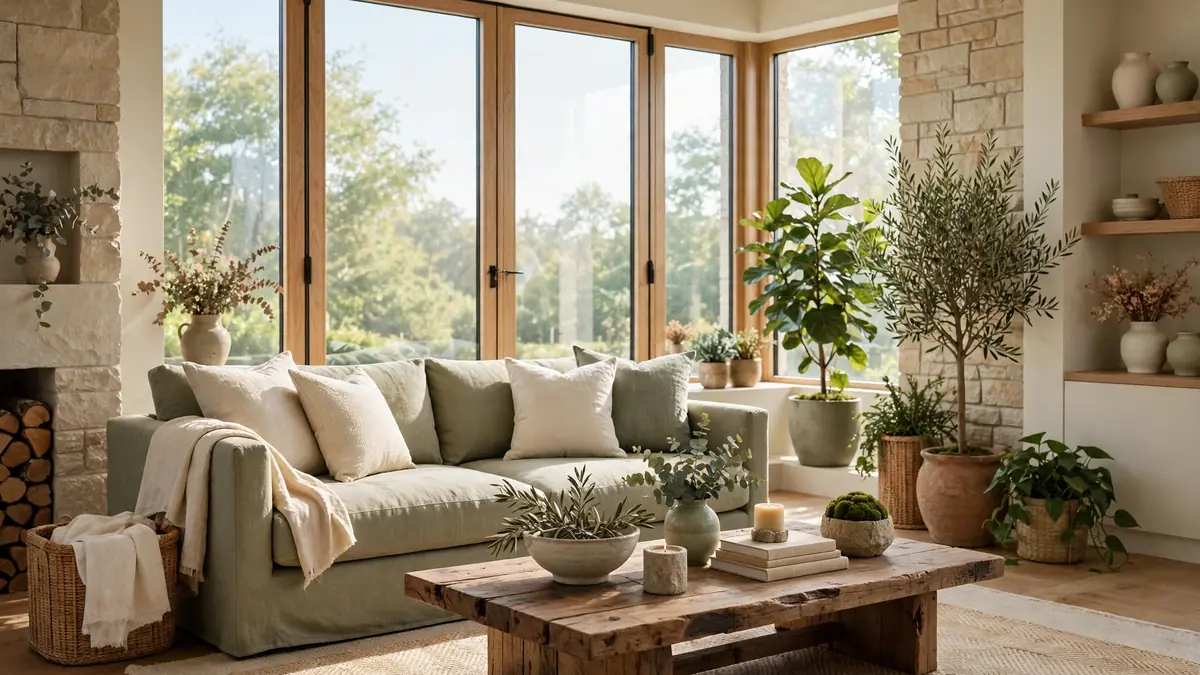
Luxury used to mean more. More rooms, more labels, and more deliveries at the door. However, that definition now feels tired and wasteful to many people. A sustainable luxury lifestyle starts from a different question instead. How well does each beautiful thing serve you, and how lightly does it sit on the planet?
In practice, the answer rarely involves buying a whole new life. Instead, it involves keeping what already works beautifully. Moreover, it means choosing fewer pieces with better materials and clearer origins. The idea behind labels such as Superior Green Lifestyles is that comfort and care for the planet can sit in the same home.
This guide walks through the change room by room and habit by habit. Consequently, you will cover the home first, then the wardrobe. After that, the focus moves to travel, food, and daily beauty rituals. Finally, you will learn a calm method for spotting greenwashing in premium marketing.
What does a sustainable luxury lifestyle actually mean?
At its core, a sustainable luxury lifestyle values time, craft, and durability over novelty. For example, a well-made chair that serves a family for decades expresses luxury better than a fragile trend piece. Similarly, a quiet room filled with daylight can feel richer than a larger room filled with clutter. Above all, the pleasure comes from use, not from constant replacement.
Quality over quantity sits at the centre of this approach. Therefore, each purchase faces a simple test before it earns a place. Will you still enjoy this item in five years? Can a craftsperson repair it when something wears? Does the maker explain the materials and the making honestly?
- Choose objects that age gracefully rather than objects that date quickly.
- Prefer clear material information over vague green slogans.
- Keep fewer things, and give each kept thing proper care.
- Spend on comfort you feel daily, such as light, air, and sleep.
None of this requires a perfect home or a perfect record. Indeed, perfection quickly becomes another form of pressure. Instead, progress comes from steady upgrades at natural moments. When a bulb fails, you replace it wisely. When a coat wears out, you choose its successor carefully.
How can your home become an eco luxury home?
An eco luxury home begins with the building itself, long before decoration enters the picture. Good insulation, for instance, keeps rooms warm in winter and cool in summer with far less effort. As a result, heating and cooling systems work less hard and last longer. Meanwhile, sealed gaps around doors and windows quietly stop comfort from leaking away.
Natural light deserves equal attention during any redesign or move. Large, well-placed windows reduce the need for lamps during the day. Furthermore, daylight changes how colours and textures look throughout the afternoon. Sheer curtains, light walls, and mirrors can help smaller rooms borrow more of that glow. In contrast, heavy drapes and dark corners often force artificial light on at noon.
Anyone comparing homes can learn from guides to calmer properties, such as this look at lifestyle properties in Oregon as restful retreats. Notice, however, that setting matters as much as square footage. A shaded garden, a quiet street, and a sensible layout often deliver more daily luxury than extra rooms. Consequently, buyers and renters should visit at different times of day before deciding.
Which natural materials work best indoors?
Natural materials bring warmth that synthetic surfaces rarely match. Solid wood, stone, linen, wool, and clay all age with character rather than peeling or cracking. For example, a reclaimed wood table carries visible history into a modern dining room. Additionally, low-odour paints and finishes keep indoor air feeling fresher after renovation work.
Durability matters more than a fashionable finish, though. Therefore, ask how a surface handles water, heat, and daily cleaning before you commit. A stone counter that tolerates hot pans will outlast a delicate surface that needs constant protection. Similarly, washable wool rugs and removable linen covers make upkeep simple and calm.
How do you build a truly energy-efficient home?
An energy-efficient home pairs passive design with sensible technology. Firstly, orientation and shading do silent work all year. Deep eaves block high summer sun, while bare winter branches let weaker light enter. Secondly, efficient appliances then handle the remaining load with less waste.
- Replace failed bulbs with efficient LED lighting in warm tones.
- Use programmable heating controls room by room where possible.
- Choose appliances for repairability as well as efficiency ratings.
- Wash laundry cool, and dry clothes in open air when weather allows.
Water deserves the same quiet attention as energy. Low-flow showerheads and taps, for instance, reduce use without reducing comfort noticeably. Additionally, a simple leak check each season prevents silent waste behind walls and under floors. In gardens, mulch and drip watering deliver moisture to roots instead of hot paving. Consequently, the home feels abundant while drawing far less from shared supplies.
Outdoor space completes the picture rather than sitting apart from it. Decking in durable, responsibly sourced timber extends living space without another extension. This guide to expert deck craftsmanship for outdoor living shows how construction quality decides longevity. Moreover, native planting around that deck needs less watering and supports local insects and birds.
How does slow fashion reshape a luxury wardrobe?
Slow fashion treats clothing as a long relationship rather than a weekend fling. Instead of chasing every trend, you build a small wardrobe around pieces that suit your real life. As a result, mornings become simpler and outfits feel more personal. Interestingly, a smaller rail often looks more luxurious than an overstuffed wardrobe.
Natural fibres form the backbone of most enduring wardrobes. Linen breathes beautifully in heat, while wool regulates temperature across seasons. Organic cotton, hemp, and silk each bring their own comfort and care needs. Therefore, read the fibre label closely before judging any garment by its photograph. A high share of one good fibre usually drapes and wears better than a confusing blend.
Fit decides whether a fine garment earns its keep, however. A skilled tailor can turn a good coat into your coat with small adjustments. Similarly, this expert fashion guide on elevating personal style underlines how proportion and confidence shape an outfit. In practice, sustainable luxury fashion rewards that attention far more than another logo.
Why do repair and resale matter so much?
Repair and resale keep good clothing in use, which is where its value truly lives. A cobbler can resole quality shoes many times over their life. Likewise, a tailor can reline a jacket, replace buttons, and restore its shape. Consequently, care services deserve a place in your clothing budget from the start.
Resale platforms and consignment stores also deserve a serious look. For example, pre-owned tailoring and classic bags often offer superb craft at gentler prices. Moreover, selling pieces you no longer wear funds better replacements without clutter. Before listing anything, though, clean and photograph each item honestly in daylight.
- Store knitwear folded, with cedar or lavender for freshness.
- Rest shoes between wears, and use wooden shoe trees.
- Mend small holes early, before they grow during washing.
- Keep spare buttons and matching thread with each major piece.
What does sustainable luxury travel look like in practice?
Sustainable luxury travel slows the whole journey down. Rather than racing through five cities, you stay longer in one place and learn it properly. As a result, each trip feels deeper and far less exhausting. Slow travel also spreads spending toward local guides, makers, and family-run restaurants.
Trains deserve a fresh look for regional journeys, in particular. A comfortable rail seat, a window view, and a good book can outclass a stressful airport dash. Meanwhile, direct routes reduce the hassle and the impact of extra take-offs where flying remains necessary. Packing light helps too, because a single well-planned bag simplifies every transfer.
Choosing where to rest matters just as much as choosing where to go. This collection of the best places to visit for rest and relaxation favours calm over checklist tourism. Similarly, a thoughtful hotel stay, like the one described in this look at a hotel where luxury and modern living converge, shows how comfort and considered service combine. However, always test hotel claims with the checks in the greenwashing section below.
- Stay longer in fewer places, and book locally owned stays where possible.
- Travel outside peak weeks when your schedule allows flexibility.
- Carry a refillable bottle, a cloth tote, and solid toiletries.
- Choose experiences led by local people, and pay fairly for them.
Celebrations follow the same principles as everyday travel. A small gathering with excellent food, real conversation, and natural decoration beats a lavish event built on waste. For example, borrowed glassware, seasonal flowers, and candlelight create atmosphere without disposable decor. Moreover, experiences make memorable gifts that leave no clutter behind afterwards. A cooking class, a garden tour, or a train journey gives stories instead of storage problems.
How does seasonal food bring luxury to the table?
Seasonal food tastes better because it travels less and ripens properly before picking. A tomato in its local season, for instance, needs almost no help in the kitchen. In contrast, out-of-season produce often arrives bland despite its premium price tag. Therefore, a market-led menu quietly delivers both flavour and lower impact.
Local markets make this shift enjoyable rather than restrictive. You meet growers, learn what thrives nearby, and plan meals around real abundance. Furthermore, neighbourhood marketplaces online now extend that access during busy weeks. This article on how neighbourhood marketplaces are owning the online game explores that local shopping shift in detail.
At home, low-waste living in the kitchen starts with planning. Firstly, shop your fridge and cupboards before writing any list. Secondly, store herbs, grains, and leftovers where you can actually see them. As a result, fewer ingredients spoil quietly at the back of a shelf. Compost then returns unavoidable scraps to the soil instead of landfill.
- Build celebrations around a few excellent seasonal dishes.
- Buy whole ingredients, and cook once for two meals.
- Freeze bread, stocks, and herbs before they pass their best.
- Serve tap water beautifully, in glass, with citrus or mint.
Can beauty and wellness feel indulgent and sustainable?
Sustainable beauty begins with a shorter, calmer shelf. Instead of twelve half-used bottles, you keep a few products that suit your skin and finish them fully. For example, a solid cleanser, a good moisturiser, and daily sun protection cover most routines well. Moreover, simple rituals feel more luxurious when they stay unhurried.
Ingredient honesty matters more than elaborate packaging, though. Look for clear ingredient lists and sensible claims about what a product can do. This guide to natural skincare for a natural glow offers a gentler starting point for routine building. In practice, patch testing and patience reveal far more than any dramatic promise.
Refillable and solid formats reduce packaging without reducing pleasure. A well-made soap, for instance, can feel as indulgent as any bottled gel. Similarly, refill stations for shampoo and lotion turn a chore into a small ritual. Wellness follows the same logic, because sleep, daylight walks, and unhurried baths restore more than most purchases.
How can you spot greenwashing in premium marketing?
Greenwashing happens when marketing sounds greener than the evidence behind it. Premium brands face strong temptation here, because sustainability now sells at high prices. However, a few calm questions quickly separate practice from presentation. Above all, look for specifics that an independent reader could check.
- Vague words such as eco, pure, or conscious appear without any detail.
- One small green range promotes a business that otherwise works as usual.
- Packaging changes receive more attention than materials or making.
- Future pledges arrive without dates, plans, or progress reports.
- Certification logos appear without naming the certifier or scope.
Genuine claims usually sound plainer and more precise. A credible maker names the fibre, the factory region, and the care that extends product life. Additionally, a serious business publishes progress, including the parts that still need work. Third-party certification can help here, provided you check who certified what, and for how long. GOTS for textiles and recognised building or tourism schemes offer examples of checked standards.
In contrast, offsets alone rarely prove a low-impact product. Therefore, treat carbon neutral slogans as a starting question, not a final answer. Ask what the company reduced directly before offsetting anything else. If answers stay poetic after two polite questions, move your money elsewhere calmly.
Where should you start this week?
Start with one room, one rail of clothing, or one daily ritual. For example, clear a single shelf and keep only objects you use and love. Then, note what needs repair before you note what needs replacing. As a result, your first steps will likely cost little and teach a lot.
Next, choose one upgrade that improves daily comfort directly. Better bedding, a repaired favourite coat, or a shaded reading corner all qualify. Moreover, each visible win builds momentum for the slower changes behind it. A sustainable luxury lifestyle grows exactly like that, one considered choice at a time.
Finally, keep your questions friendly and your standards firm. Makers who welcome scrutiny usually deserve your loyalty over time. Meanwhile, your home, wardrobe, and journeys will start telling the same story. Quietly, and without shouting about it, that story becomes real luxury.




