
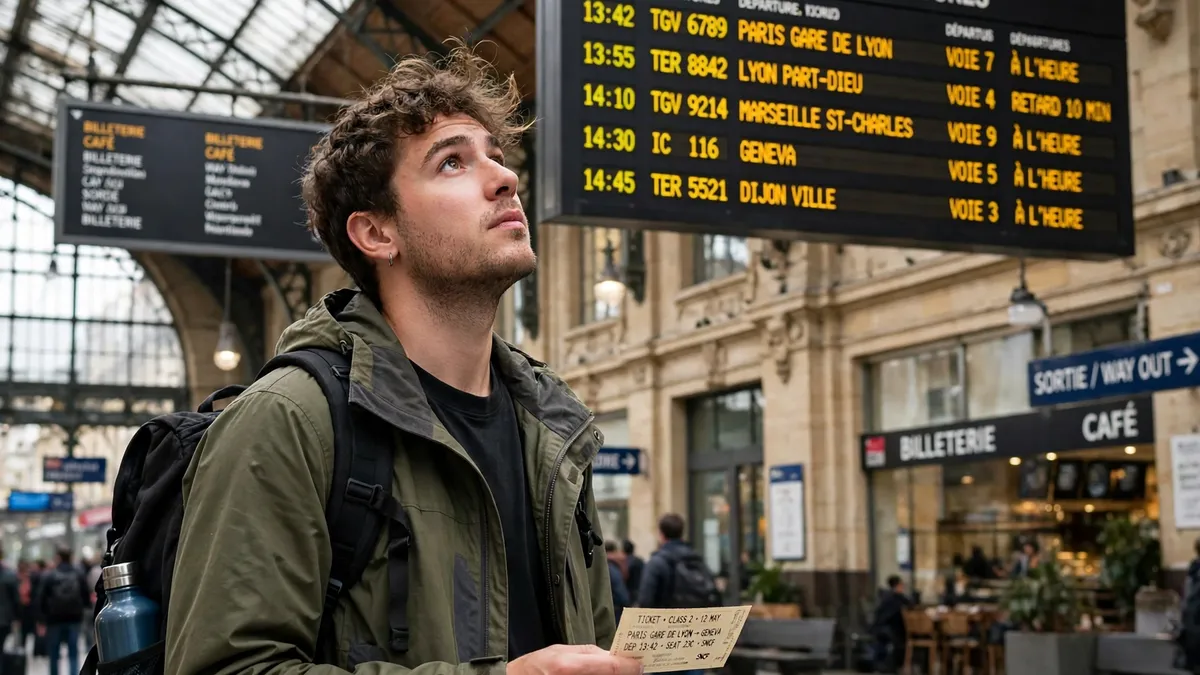
You are standing in front of a ticket machine in a busy station. Meanwhile, a queue is forming quietly behind you. The screen offers six options, and none of them sound familiar. Moreover, the card reader blinks before you even finish reading. At home, you run meetings, budgets, and a household without breaking stride. Here, however, a simple train ticket suddenly feels like an exam. If does travel sometimes make you feel stupid, you are certainly not alone. In fact, this exact moment happens to confident, capable adults every single day.
Almost everyone has a version of that story. For example, one traveller fumbles with foreign coins at a bakery counter. Another traveller, meanwhile, boards the right bus in the wrong direction. Still, the shame feels surprisingly personal in the moment. You wonder, briefly, whether everyone else can see your confusion. Thankfully, the feeling says almost nothing about your intelligence. Instead, it reveals something honest about how your brain actually works. Travel anxiety, in fact, often grows quietly from exactly these small uncertainties.
You Are Not Losing Your Mind, You Are Losing Your Autopilot
At home, most daily tasks run on autopilot. You know which tap turns hot, and you know which queue moves fastest. Likewise, you recognise prices, signs, and social signals without thinking hard. Psychologists often describe this ease as automatic processing. In other words, familiar routines save your working memory for bigger problems. Your brain, therefore, feels fast because your environment feels predictable.
Travel removes that scaffolding all at once. Suddenly, every small task demands conscious attention and fresh interpretation. A door might push instead of pull, for instance. Similarly, a polite greeting might require a bow, a handshake, or neither. As a result, your cognitive load rises sharply within hours. Cognitive load simply means the total mental effort a task requires. When that load stays high, even simple actions start feeling clumsy.
Importantly, this slowdown is a normal response to novelty. Your mind is learning a new system, not failing an intelligence test. Indeed, researchers who study culture shock describe the same pattern across travellers. First, novelty feels exciting and energising during the early days. Later, however, the constant decoding starts to feel tiring. That tired, foggy phase is precisely where the foolish feeling grows strongest. Understanding why travel makes you feel dumb, in fact, removes most of the shame.
Unfamiliar Systems Make Simple Tasks Feel Hard
Every country quietly runs on its own unwritten operating system. Ticket machines, tipping customs, and queuing habits all follow local logic. At home, moreover, you absorbed those rules gradually over many years. Abroad, however, you must learn them publicly and under time pressure. Consequently, a task like posting a letter can feel oddly high stakes.
Consider the humble supermarket checkout as an example. In some places, you bag groceries quickly while the cashier scans. Elsewhere, meanwhile, the cashier waits patiently while you pack at a separate counter. Neither system is better, yet both can fluster an outsider. The difference itself creates the friction, not your ability. Once you see that clearly, the embarrassment starts losing its sting.
Explorers of quieter corners face the same learning curve. Routes through the villages in places to visit in Japan off the beaten path reward patience, for example. Local buses, small stations, and family run inns all follow gentle local rhythms. At first, those rhythms may confuse you completely. Within days, however, they usually start feeling natural and even comforting.
Decision Fatigue Quietly Drains Your Confidence
Travel also multiplies your daily decisions in a sneaky way. At home, breakfast, transport, and timing are mostly settled habits. Abroad, by contrast, every choice arrives fresh and slightly uncertain. Which platform is correct, and which bakery looks trustworthy? Should you walk, ride, or pay for a taxi instead? Individually, each question seems tiny and manageable.
Together, however, those micro decisions stack up relentlessly. Psychologists call the resulting tiredness decision fatigue. Put simply, making many choices in a row weakens later choices. You may notice it first as irritability in the late afternoon. Alternatively, you might feel a sudden urge to abandon your plans entirely. Neither reaction means you planned the trip badly. Small travel mistakes, in fact, often teach the system faster than smooth successes.
Instead, your brain is politely asking for fewer open questions. A pre booked dinner, for instance, removes one whole cluster of choices. Likewise, a fixed morning route gives your mind a welcome rest. Interestingly, light mental play can also reset a tired brain. Gentle word games, as explored in crossword mental health writing, offer focus without pressure. On a train, therefore, a puzzle can feel kinder than another hour of planning.
Words Fail You First, and That Stings the Most
Language friction hits your identity in a particularly tender place. At home, your humour, warmth, and competence all travel through words. Abroad, however, you may manage only ten words and a hopeful smile. As a result, you can feel reduced to a childlike version of yourself. That gap between inner thoughts and spoken words feels deeply frustrating.
Moreover, listening is often harder than speaking in a new language. Locals speak quickly, link words together, and use local slang freely. Meanwhile, your brain translates slowly, word by word, under pressure. By the time you understand the question, the moment has passed. Naturally, you smile, nod, and hope the answer was yes. Moreover, the language barrier shrinks slightly with every brave, imperfect attempt.
Still, communication is far wider than grammar alone. Gestures, photos, maps, and patient pointing carry a surprising amount of meaning. In addition, tone and facial expression signal respect even when vocabulary fails. Most people, in fact, respond warmly to a traveller who tries. A clumsy thank you in the local language usually beats silent perfection. Above all, functionality matters much more than fluency on a short trip.
Foreign Money Turns Easy Maths Into a Puzzle
Few things humble a traveller faster than foreign currency confusion. Coins feel strangely similar, and notes carry unfamiliar colours and sizes. Meanwhile, your brain keeps converting prices back into home money. That constant mental maths adds another layer of cognitive load. Consequently, paying for coffee can feel like solving sums at the counter.
Large denominations make the puzzle even trickier, admittedly. A normal lunch might cost thousands in one currency, for example. Elsewhere, by contrast, a taxi ride might cost only a few coins. Your usual sense of expensive and cheap simply stops working. Without that instinct, every purchase requires deliberate, tiring calculation.
Luckily, a few small habits restore calm surprisingly quickly. First, learn the rough value of one common note before you arrive. Next, keep small notes separate from larger ones in your wallet. A phone converter, additionally, settles big purchases without any guesswork. In historic centres like those in the best places to visit in Athens Greece, relaxed pacing helps too. When you slow down, counting change stops feeling like a performance.
Transport Confusion Is Almost a Rite of Passage
Getting lost abroad deserves its own honest chapter. Maps flip orientation, station names blur together, and platforms split confusingly. Moreover, announcements often arrive in a language you barely follow. Even seasoned travellers, therefore, ride one stop too far sometimes. The mistake feels foolish, yet the system was genuinely unfamiliar. Travel disorientation, in short, fades as the map slowly becomes familiar.
Jet lag quietly makes navigation even harder, unfortunately. Poor sleep weakens memory, patience, and your sense of direction. Similarly, hunger and dehydration dull your thinking more than you expect. Before blaming your intelligence, therefore, check those basic physical needs first. Often, a snack, water, and ten quiet minutes fix the fog. Your brain, in short, may simply be tired rather than incapable.
Travel, with its myriad of challenges and unfamiliar landscapes, often serves as a humbling reminder of our own limitations. The moments that induce feelings of incompetence—whether it’s struggling to navigate a public transport system or miscommunicating at a local market—can be disconcerting. Yet, these experiences are integral to the travel journey, fostering growth and adaptation as we learn to embrace discomfort. For those planning to explore the stunning vistas and rich culture of Croatia, understanding the nuances of travel logistics can enhance your adventure significantly. A well-structured 7 day Croatia itinerary can alleviate some of those initial anxieties, allowing you to focus on savoring the beauty of Zagreb, Split, and Dubrovnik without the stress of navigating the unknown. By preparing thoughtfully, you can transform potential moments of confusion into opportunities for discovery, enriching your travel experience both intellectually and emotionally.
Big cities eventually become friendlier with a little repetition. The stations in guides to places to visit in London in summer confuse many first time visitors, for instance. After two days, however, the same lines and colours start making sense. Repetition, in other words, rebuilds your autopilot in the new place. That rebuilding is learning, even when it feels embarrassingly slow.
A Small Social Mistake Can Echo All Day
Social norms are invisible until you trip over one. Perhaps you greet a shopkeeper too casually or too formally. Perhaps, alternatively, you tip generously where tipping causes offence. These moments are rarely serious, yet they replay in your mind for hours. Embarrassment, after all, is a powerful and sticky emotion. Indeed, feeling overwhelmed abroad often peaks right after such small public slips.
Context explains most of these slips kindly. Every culture teaches its children thousands of tiny social rules. Visitors, however, receive no childhood training in those local rules. Expecting instant mastery, therefore, is quietly unfair to yourself. Locals usually understand this gap far better than you fear. A sincere apology and a smile repair most awkward moments.
Travelling with family can soften these worries considerably. Shared laughter turns a blunder into a story rather than a shame. Trips through places to visit in Oman with family often include generous local hospitality, for example. Hosts there, like hosts almost everywhere, value effort and courtesy most. Perfect etiquette matters far less than genuine respect.
Preparation Habits That Protect Your Confidence
Good preparation does not remove confusion, but it shrinks it considerably. Before departure, learn a handful of lifeline phrases in the local language. Hello, thank you, help, and excuse me cover a remarkable amount. Additionally, save your hotel address in the local script on your phone. That single screenshot can rescue a tired evening completely.
Research everyday systems, not just famous sights, before you go. How does local transport payment work, for instance? When do shops close, and how does tipping usually work? Answers to those plain questions prevent many public fumbles later. In contrast, another landmark photo adds almost nothing to your confidence. Practical knowledge, therefore, quietly outperforms a packed sightseeing list.
- Download offline maps and the local language pack before departure.
- Save tickets, bookings, and addresses in one easy phone folder.
- Carry a small power bank for long, confusing travel days.
- Pack one familiar comfort item for difficult evenings abroad.
- Plan a gentle first day with almost no fixed commitments.
Sensible gear also removes small daily frictions. A well designed carry setup, like the one in discover the Magellan travel vest coverage, keeps essentials reachable. When your passport, phone, and cards sit in predictable places, stress drops. Predictability, in turn, frees attention for the place itself. Ultimately, preparation buys you calm rather than control.
Slowing Down Is a Strategy, Not a Failure
Many travellers respond to confusion by hurrying even faster. Unfortunately, speed and overload make a miserable partnership on the road. Rushing, moreover, increases mistakes at ticket gates, counters, and crossings. A deliberate pause, by contrast, often solves the problem within seconds. Step aside, breathe, watch a local, and then copy calmly.
Observation is one of the most underrated travel skills available. Watch how people validate tickets, order coffee, or greet the driver. Locals demonstrate the system continuously, and their example costs nothing. Within minutes, moreover, you gain information no guidebook phrases as clearly. That quiet watching also restores a pleasant sense of curiosity.
Rest deserves a proper place in every itinerary, too. Trips built around best places to visit for rest and relaxation naturally leave recovery space. Even in busy cities, however, a slow afternoon protects your mood. Sit in a park, return to a familiar cafe, and let routines form. Familiarity grows fastest when you repeat small pleasures. Travel stress, meanwhile, eases once even one small routine feels familiar.
Asking for Help Is the Smart Traveller Move
Somewhere along the way, many adults absorbed a strange travel myth. According to that myth, competent travellers should manage everything alone. In reality, however, asking for help is efficient, social, and wise. Hotel staff, shopkeepers, and fellow passengers solve local puzzles daily. Their knowledge, moreover, usually exceeds any app in one important way. They understand the local exception, not just the general rule.
Asking well makes the exchange easier for everyone involved. First, smile and use your one polite local greeting. Next, show the address, ticket, or photo on your phone screen. Keep your question short, and point gently at the relevant detail. Most people, consequently, respond with gestures, drawings, or even escorting you partway. Kindness, in practice, is a remarkably global language.
Solo travellers benefit from help seeking most of all. Without a companion, every decision and confusion lands on one mind. A brief human interaction, therefore, shares the load in a real way. Moreover, those small exchanges often become the warmest memories later. The stranger who walked you to the platform may outshine the famous monument. Connection, ultimately, grows exactly where competence feels shaky.
Be Kind to the Beginner Travelling Inside You
Self compassion sounds soft, yet it changes trips in practical ways. A harsh inner critic narrows your attention and raises your stress. A kinder inner voice, by contrast, keeps curiosity alive under pressure. Talk to yourself, therefore, as you would talk to a good friend. You would never call a friend stupid for misreading a foreign sign.
Reframing the feeling also helps over the longer term. Feeling like a beginner means your world has genuinely expanded. At home, competence can quietly become a comfortable, invisible cage. Abroad, however, you trade that comfort for growth, stories, and humility. Those rewards rarely arrive through smooth, flawless days. Instead, they grow from the fumbled, funny, very human moments. Feeling homesick abroad, similarly, belongs to that same honest learning process.
Finally, remember that locals rarely judge you as harshly as you judge yourself. Most people notice your effort for a moment, then return to their day. Your worst blunder, meanwhile, becomes their forgettable Tuesday within minutes. What remains, months later, is mostly your own retelling of the story. Tell it gently, with laughter, and with deserved pride.
Quick Answers for Worried Travellers
Is it normal to feel stupid while travelling?
Yes, completely, and the feeling is extremely common among experienced travellers. Feeling stupid while travelling, in fact, does not reflect your real ability. New systems, sounds, and rules overload your working memory very quickly. Consequently, simple tasks feel harder even though your ability stays unchanged. The feeling usually fades as routines form in the new place.
How can you cope with culture shock on a short trip?
Start gently, keep one familiar routine, and reduce daily decisions deliberately. Learning how to cope with culture shock, moreover, starts with naming the feeling honestly. Additionally, sleep, regular meals, and short rests protect your mood strongly. Talking to locals or fellow travellers also eases isolation surprisingly fast. Above all, treat frustration as a passing stage rather than a verdict.
Does travel confidence grow with experience?
Yes, because each trip teaches transferable skills for the next one. You learn how to read stations, handle money, and ask for help. Moreover, you learn that confusion passes and rarely causes lasting harm. That memory, in turn, makes the next unfamiliar city feel far less intimidating.
So, does travel sometimes make you feel stupid? Honestly, yes, and sometimes gloriously so in the best stories. Yet that feeling is really your brain learning in public. It is culture shock, cognitive load, and decision fatigue wearing one embarrassed disguise. Travel kindly, prepare lightly, and ask for help without apology. You were never stupid abroad, after all. You were simply new, and being new is how every good journey begins.




