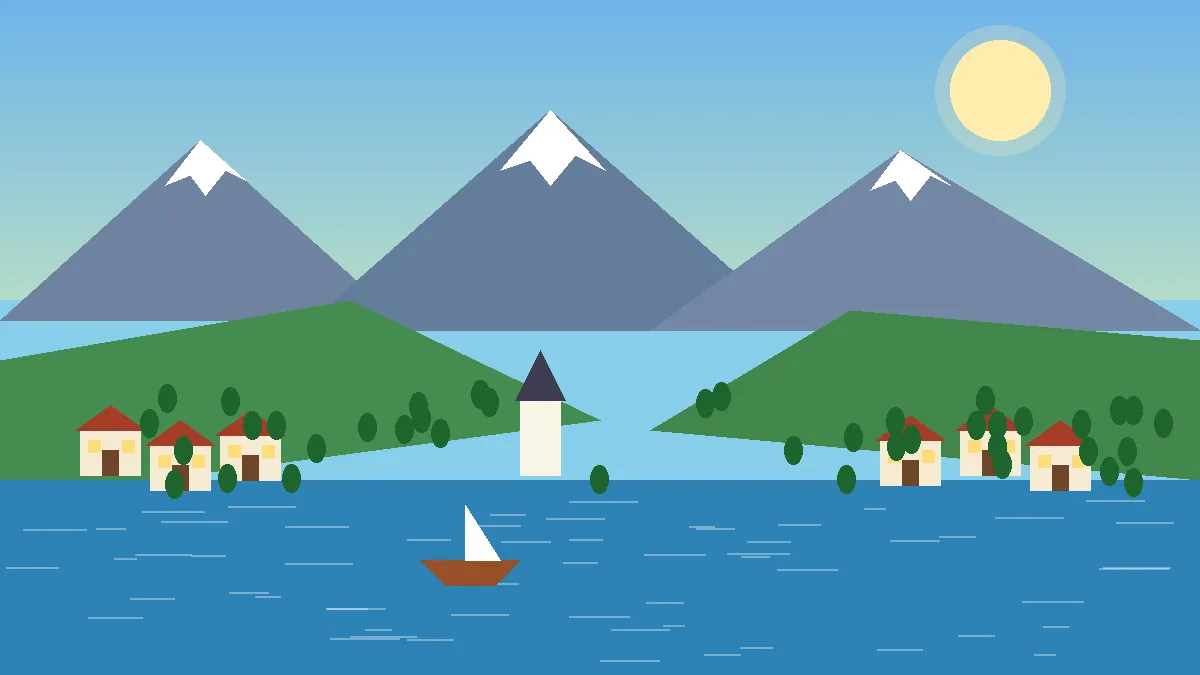
If you can visit only one area, choose Hallstatt and the Salzkammergut lakes. Indeed, that corner of Austria gives you almost everything in one compact place. You get a storybook lakeside village, clear water for swimming, and high Alpine scenery. Moreover, Salzburg sits close enough for an easy cultural day trip. For most travellers, therefore, Hallstatt is the best place to visit in Austria in summer.
Of course, Austria rewards anyone who looks beyond a single winner. Vienna brings imperial palaces, music, and long evenings in grand gardens. Meanwhile, Innsbruck puts a lively city directly beneath dramatic mountain peaks. In contrast, the Wachau Valley slows everything down with vineyards and river views. This Austria summer travel guide compares each option honestly, so you can choose well.
The Short Answer: Hallstatt and the Salzkammergut
Hallstatt in summer looks almost unreal at first glance. Wooden houses climb the steep shore of Lake Hallstatt, and church spires rise above the rooftops. Behind the village, moreover, the Dachstein mountains frame every photograph you take. As a result, the village has become one of Europe’s most loved summer images.
Popularity, however, brings real crowds during the middle of the day. Consequently, smart visitors arrive early or stay overnight in the village. Evenings feel calmer, and mornings on the lake feel quietly magical. In addition, staying overnight supports small guesthouses rather than rushing through.
What to Do Around Hallstatt
The historic salt mine above the village explains why people settled here centuries ago. Guided visits, for example, take you deep into tunnels used since ancient times. Nearby, the Skywalk viewing platform floats above the rooftops and lake below. Furthermore, boat trips across the water show the village from its prettiest angle.
Gentle walks suit anyone who prefers a slower pace. Lakeside paths, in fact, link quiet swimming spots and small cafes. Alternatively, stronger hikers can climb towards waterfalls and high meadows. Whatever you choose, however, the scenery keeps rewarding every step.
The Salzkammergut Lakes Beyond Hallstatt
Hallstatt is only the beginning of this beautiful lake district. The wider Salzkammergut holds dozens of lakes, villages, and mountain railways. Lake Wolfgangsee, for instance, is famous for clear water and charming shoreline towns. St. Wolfgang and St. Gilgen both make excellent bases for a summer stay.
From St. Wolfgang, the Schafberg cog railway climbs to a summit with huge views. On clear days, consequently, you can see several lakes sparkling below you. Swimmers, meanwhile, spread towels along grassy bathing areas around the shore. Sailors and paddleboarders also love the lake, especially during calm mornings.
Other lakes offer a quieter mood for travellers escaping crowds. Gosausee reflects the Dachstein glacier and suits walkers of many levels. Similarly, Traunsee and its town of Gmunden feel local and relaxed. Taken together, these Salzkammergut lakes easily rival the best nature places to visit in the world for pure scenery.
Salzburg in Summer: Music, Fortresses, and Gardens
Salzburg in summer is the strongest choice for culture lovers. Mozart was born here, and music still fills the city’s squares and churches. During the famous Salzburg Festival, moreover, concerts and opera draw audiences from everywhere. Even outside festival dates, however, the Old Town feels wonderfully alive.
High above the rooftops stands Hohensalzburg Fortress, a landmark visible across the city. A funicular ride, for example, carries visitors up to its courtyards and viewpoints. From the walls, you can look across the Salzach River and towards the Alps. In addition, the fortress helps you understand Salzburg’s long and wealthy history.
Mozart, Mirabell, and the Old Town Streets
Mozart’s Birthplace sits on Getreidegasse, the Old Town’s most famous shopping street. Visitors, in particular, enjoy its painted signs and narrow hidden courtyards. Across the river, meanwhile, Mirabell Palace and its gardens offer colour and calm. Those gardens famously appeared in The Sound of Music film.
Hellbrunn Palace adds a playful stop just outside the centre. Its trick fountains, notably, were designed to surprise and soak unsuspecting guests. Families therefore rank Hellbrunn among their favourite Salzburg summer experiences. After sightseeing, furthermore, a shaded beer garden makes a perfect pause.
Couples planning a wider European route often pair Salzburg with nearby capitals. Our guide to the top ten places to visit in Prague pairs naturally with this trip. Similarly, travellers heading east can compare ideas before booking trains. Good planning, as a result, turns separate cities into one smooth journey.
Vienna in Summer: Palaces and Long, Light Evenings
Vienna in summer suits travellers who love art, history, and grand architecture. Schönbrunn Palace dominates most itineraries, with formal gardens stretching behind its yellow facade. Visitors can tour imperial rooms, then wander towards the Gloriette viewpoint above. Moreover, the palace grounds include lawns, fountains, and a historic zoo.
Elsewhere, the Belvedere palaces display Austrian art inside elegant Baroque halls. St. Stephen’s Cathedral, in contrast, anchors the medieval heart of the city. Shoppers and cafe lovers, meanwhile, drift along nearby streets between sights. Indeed, Vienna rewards slow travel more than rushed tick lists.
How Does Vienna Feel Different in Summer?
Summer changes the capital’s rhythm in delightful ways. Outdoor concerts, open-air cinema, and riverside bars appear across the city. Locals head to Danube Island for cycling, swimming spots, and picnics. Consequently, Vienna feels greener and more relaxed than many visitors expect.
The MuseumsQuartier courtyards also become social spaces during warm evenings. People gather there after visiting the Leopold Museum or modern art collections. In addition, the Naschmarkt tempts food lovers with stalls and small restaurants. For a comparison, our guide to places to visit in London in summer shows another capital at its sunniest.
Coffee houses remain essential, even when the weather turns hot. Order a melange, share a slice of Sachertorte, and watch the city pass. Traditionally, waiters never rush you out of a Viennese cafe. That unhurried culture, in fact, is part of the summer pleasure.
Innsbruck and Tyrol: A City Beneath the Peaks
Innsbruck in summer answers a different question altogether. What if your city break came with serious mountains attached? The Nordkette range rises directly behind the colourful houses along the Inn River. As a result, few European cities feel this close to wild nature.
Cable cars climb from the city centre towards the Nordkette viewpoints and trails. Within a short ride, therefore, cafe streets give way to Alpine paths. Hikers can choose gentle summit walks or longer ridge routes. Meanwhile, mountain bikers and climbers find plenty of challenges nearby.
Old Town Sights and Tyrol Hiking
Back at street level, the Golden Roof shines above the Old Town square. Its gilded tiles, notably, mark Innsbruck’s most photographed landmark. Nearby streets hold the Imperial Palace, the Court Church, and small Tyrolean shops. In addition, the Bergisel ski jump offers striking views over the city.
Tyrol hiking extends far beyond the capital itself. Valley villages, for example, provide lifts, huts, and well-marked summer trails. Walkers can eat in mountain huts serving dumplings, soups, and apple strudel. Furthermore, many routes suit families as well as experienced hikers.
Just outside Innsbruck, Swarovski Crystal Worlds in Wattens surprises many visitors. Gardens, art installations, and crystal chambers create a very different afternoon. Consequently, Innsbruck works brilliantly for mixed groups with varied interests. Anyone touring central Europe can also explore our guide to places to visit in north west Germany next.
Zell am See in Summer: Lake Days and Glacier Views
Zell am See in summer is the best pick for active families. A clear Alpine lake sits beside a pretty town and high mountains. Swimmers use the lidos around Lake Zell throughout the warm months. In addition, boats, paddleboards, and lakeside promenades fill long summer days.
Above the town, the Schmittenhöhe offers panoramic trails and family-friendly walks. Cable cars, moreover, make those high views accessible without a hard climb. On clear days, you can spot dozens of major peaks around you. Therefore, even a short stay delivers a strong mountain experience.
Kaprun and the Kitzsteinhorn Glacier
Neighbouring Kaprun adds the remarkable Kitzsteinhorn glacier to the holiday. Even in summer, consequently, visitors can stand among snowfields at high altitude. Viewing platforms there look towards the Grossglockner, Austria’s highest mountain. In fact, few summer trips combine swimming and glacier views so easily.
Kaprun also offers the Sigmund Thun Gorge, with walkways beside rushing water. Families, in particular, enjoy its cool shade on hot afternoons. Cyclists meanwhile follow lakeside and valley paths between villages. As a result, Zell am See suits travellers who dislike sitting still.
The Wachau Valley: Vineyards Along the Danube
The Wachau Valley is Austria’s most graceful summer escape. Between Melk and Krems, the Danube curves past terraced vineyards and apricot orchards. Small wine villages line the riverbanks under ruined medieval castles. Indeed, the whole cultural landscape holds UNESCO World Heritage status.
Melk Abbey crowns one end of the valley in golden Baroque splendour. Its church, library, and gardens repay a slow and careful visit. At the other end, meanwhile, Krems offers wine taverns and old streets. Between them sits Dürnstein, famous for its blue church tower.
Cycling, Boats, and Wine Taverns
Cycling is the classic way to explore the Wachau in summer. A riverside path, for example, links villages at an easy and gentle pace. Ferries and boats also connect the banks for walkers and cyclists. Consequently, you can design a day that mixes riding, tasting, and cruising.
Local wine taverns, called Heurigen, serve regional wines in garden settings. Grüner Veltliner and Riesling, notably, are the valley’s signature white wines. Apricot dumplings and jams appear everywhere during the harvest season. In contrast to the high Alps, therefore, the Wachau feels soft and indulgent.
History lovers often combine the Wachau with classical city touring elsewhere. Our guide to the best places to visit in Athens, Greece continues that heritage theme beautifully. Both destinations, in fact, reward travellers who slow down and look closely.
The Grossglockner High Alpine Road: Austria’s Great Drive
Some travellers remember a single drive more than any town. The Grossglockner High Alpine Road, in that case, is Austria’s standout candidate. This famous mountain road climbs through the Hohe Tauern National Park. Along the way, moreover, viewpoints reveal glaciers, valleys, and Austria’s highest peak.
The road generally opens during the warmer months when snow conditions allow. Drivers stop at exhibitions, short walks, and panoramic terraces along the route. At Franz-Josefs-Höhe, for instance, the Pasterze glacier spreads below the Grossglockner. Marmots also appear near some stops, especially during quieter hours.
Because mountain weather changes quickly, flexibility matters on this drive. Clouds can hide the summit, then clear again within an hour. Therefore, build spare time into your plan rather than rushing through. Combined with Zell am See, consequently, the road makes a superb summer loop.
Which Austrian Summer Destination Suits You Best?
Your travel style should decide the winner, not just famous photographs. The quick comparisons below match each destination with its ideal visitor. Read them honestly, then build your Austria summer itinerary around your priorities.
- Best overall: Hallstatt and the Salzkammergut for scenery, swimming, and variety.
- Best for culture: Salzburg for Mozart, festivals, and a compact Old Town.
- Best for art and palaces: Vienna for imperial history and museum depth.
- Best for mountains: Innsbruck for city life beside serious Alpine trails.
- Best for active families: Zell am See for lake fun and glacier views.
- Best for food and wine: The Wachau Valley for taverns and river cycling.
- Best scenic drive: The Grossglockner Road for glaciers and high passes.
First-time visitors with a week can combine three bases comfortably. Vienna, Salzburg, and Hallstatt, for example, form a classic and varied route. Alternatively, Innsbruck, Zell am See, and the Grossglockner suit mountain lovers better. Either route, in fact, shows a different and memorable side of Austria.
Travellers building a longer bucket list will find Austria fits beautifully. It ranks naturally among the top places to visit outside of the US for summer. Moreover, its compact size makes multi-stop touring unusually easy. Trains link the major bases, so car-free travel works well.
Practical Tips for an Austrian Summer Trip
Summer in Austria generally brings warm days and cooler mountain evenings. Cities can feel hot, while high villages stay pleasantly fresh. Therefore, pack layers, sun protection, and a light waterproof jacket. Good walking shoes, in addition, will serve you almost everywhere.
Book popular bases early, especially Hallstatt, Salzburg, and lake towns. Festival dates in Salzburg, notably, fill hotels faster than usual. Similarly, small lakeside guesthouses sell out during school holiday weeks. Planning ahead consequently protects both your budget and your choices.
How Many Days Do You Need in Austria in Summer?
Three days suit one base, such as Vienna or Salzburg alone. Five days, however, allow a city plus a lake or mountain stay. A full week lets you add the Wachau or Grossglockner comfortably. Furthermore, ten days support a relaxed loop without constant packing.
Trains connect Vienna, Salzburg, and Innsbruck reliably and comfortably. Regional trains and buses then reach Hallstatt, Zell am See, and Wachau villages. Drivers, meanwhile, gain flexibility for mountain roads and small lakes. Whatever you choose, in fact, distances are shorter than many expect.
Finally, respect the places that make Austria special. Stay on marked trails, swim only in permitted lake areas, and book ahead. Small villages, in particular, appreciate visitors who arrive early and tread lightly. For contrast, our guide to places to visit in Japan off the beaten path shares that same slow-travel spirit.
Frequently Asked Questions
What is the single best place to visit in Austria in summer?
Hallstatt and the Salzkammergut take that honour for most travellers. The area combines lake swimming, village charm, and mountain scenery beautifully. Moreover, Salzburg sits close enough for an easy cultural day trip. Culture-first travellers, however, may personally prefer Salzburg or Vienna instead.
When is the best time to visit Austria in summer?
June offers long days, fresh greenery, and generally fewer crowds. July and August bring the warmest lake water and biggest festival calendars. September, in contrast, often delivers clear views and a calmer atmosphere. Any of these months, in fact, can work with sensible planning.
Is Austria in summer good for families?
Yes, Austria suits families exceptionally well during the summer months. Lakes provide safe swimming areas, and cable cars simplify mountain access greatly. In addition, castles, trick fountains, and gorge walkways keep children genuinely interested. Zell am See and the Salzkammergut, therefore, are especially strong family bases.
Can you swim in Austrian lakes in summer?
Yes, swimming is a central pleasure of an Austrian summer holiday. Lake Wolfgangsee, Lake Zell, and Lake Hallstatt all offer bathing areas. The water feels fresh, clean, and wonderfully clear on warm days. Always follow local signs, however, and use designated swimming spots.
How do you travel between Austria’s summer highlights?
Trains handle the main routes between Vienna, Salzburg, and Innsbruck efficiently. Buses, boats, and regional trains then connect smaller lakeside villages. Renting a car helps most for the Grossglockner Road and remote valleys. Overall, therefore, a mixed approach often works best for visitors.
Final Thoughts on Austria in Summer
Austria in summer is really several holidays woven into one country. You can swim before breakfast, tour a palace by lunch, and hike by afternoon. Few destinations, moreover, pack that variety into such manageable distances. That flexibility is exactly why travellers return year after year.
So, where should you start your own trip? Choose Hallstatt and the Salzkammergut if you want the complete picture. Pick Salzburg or Vienna instead if culture leads your plans. Either way, the best place to visit in Austria in summer is waiting.