The best places to visit in the south of England sit surprisingly close together. However, the region still feels wonderfully varied from one day to the next. You can start with a cathedral city in the morning. Later, you can walk white cliffs above the sea. In addition, golden villages and ancient stone circles wait inland. Consequently, even a short trip can feel rich and unhurried.
This guide groups the highlights in a practical way. Firstly, it covers the lively south coast and its resorts. Secondly, it explores historic cities with cathedrals and universities. Thirdly, it wanders through countryside, downs, and islands. Finally, it helps you choose bases and seasons with confidence. Readers who are also planning the capital can pair this trip with our guide to places to visit in London in summer very easily.
Why Does the South of England Reward a Slower Trip?
Many visitors rush through southern England between London and a ferry. Nevertheless, the region deserves far more than a hurried stop. Indeed, almost every county here holds a different landscape. Kent offers orchards, castles, and chalk cliffs in the east. Meanwhile, Cornwall gives you surf beaches and fishing harbours in the west. Between them lie downs, forests, wetlands, and elegant spa towns.
History also runs unusually deep across the south. For example, pilgrims walked to Canterbury for centuries. Similarly, sailors left Portsmouth for voyages around the world. Romans bathed in Bath, and scholars still study in Oxford. As a result, the best things to do in the south of England mix scenery with stories. You rarely visit a pretty place without meeting its past.
Travel here also stays refreshingly flexible. Trains link London with most major southern towns directly. Buses then connect smaller villages, beaches, and walking trails. Therefore, you can build a trip without hiring a car. Alternatively, drivers can link several bases in one loop. Either way, short distances keep each travel day relaxed.
Brighton and the Sussex Coast
Brighton brings energy that few English seaside towns can match. The city blends a pebble beach with independent shops and nightlife. Most famously, the Royal Pavilion dazzles visitors near the centre. This seaside palace mixes Indian domes with Chinese-inspired interiors. In contrast, the nearby Lanes feel intimate and maze-like. You will find jewellers, cafes, and vintage shops there.
Beyond the centre, Brighton rewards simple pleasures most. Walk the promenade towards Hove for calmer, colourful beach huts. Browse the North Laine for records, prints, and quirky gifts. Eat fish and chips while gulls circle hopefully overhead. Moreover, the pier adds classic fairground fun for families. Overall, Brighton suits travellers who want coast plus culture together.
Seven Sisters and the White Cliffs
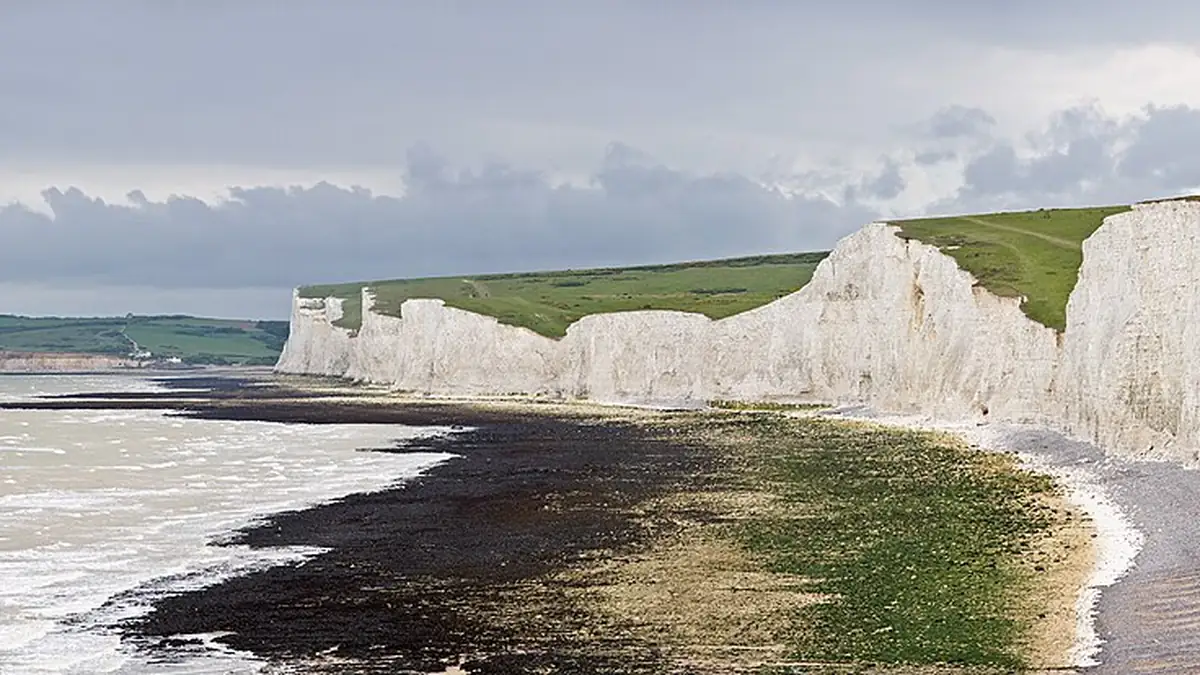
East of Brighton, the coastline turns dramatically white and wild. The Seven Sisters cliffs ripple above the English Channel here. Grass-topped chalk rises and falls in a beautiful sequence. Walkers love the path between Seaford and Eastbourne especially. For instance, Cuckmere Haven offers a postcard river view. Birling Gap, meanwhile, gives easy access to the shore.
Importantly, these cliffs are eroding natural chalk, not tidy promenades. Therefore, always keep well back from the cliff edge. Stick to marked paths, and check conditions before walking. Nevertheless, the views repay careful walkers very generously indeed. On clear days, the white cliffs glow against blue water. Consequently, photographers rate this stretch among England’s finest coastal walks.
Canterbury, Dover, and Rye in Kent
Canterbury feels like a storybook city with a serious heart. Its medieval streets lead inevitably towards the great cathedral. Canterbury Cathedral has drawn pilgrims since the medieval period. Inside, soaring stone and stained glass create real awe. Outside, the surrounding precincts feel peaceful and green. Additionally, the River Stour offers gentle punting and riverside gardens.
Allow time simply to wander Canterbury’s old lanes too. Timbered shops lean slightly over narrow, characterful streets. Small museums explain the city’s Roman and pilgrim past. Cafes and bookshops, meanwhile, make rainy hours pass pleasantly. In short, Canterbury works beautifully as an overnight base. From there, the wider Kent coast lies within easy reach.
Dover and Rye add two very different coastal flavours. Dover Castle guards the famous White Cliffs of Dover. The castle layers Roman, medieval, and wartime history together. Rye, in contrast, feels small, cobbled, and quietly romantic. Mermaid Street charms almost every visitor who climbs it. Furthermore, nearby Camber Sands offers a wide, sandy beach. Together, these stops show how varied Kent really is.
Portsmouth, the New Forest, and the Isle of Wight
Portsmouth tells Britain’s naval story better than anywhere else. The Historic Dockyard preserves famous ships and maritime museums. Visitors can explore vessels linked to centuries of seafaring. Nearby, the Spinnaker Tower lifts views across the harbour. Old Portsmouth, meanwhile, offers pubs along the old walls. As a result, the city suits history lovers especially well.
West of Portsmouth, the New Forest changes the pace completely. Ancient woodland opens into heathland dotted with free-roaming ponies. Villages like Lyndhurst and Brockenhurst make friendly bases. Cyclists enjoy waymarked forest trails away from busy roads. Walkers, similarly, can choose short loops or longer routes. Indeed, the forest proves that southern England stays genuinely wild.
Why Should You Cross to the Isle of Wight?
A short ferry ride from Portsmouth or Southampton changes everything. The Isle of Wight feels like England in miniature. Here, chalk downs roll down to sandy bays. Osborne House recalls Queen Victoria’s beloved seaside home. Carisbrooke Castle, meanwhile, adds Norman walls and island stories. Additionally, the Needles mark the island’s dramatic western tip.
Families particularly enjoy the island’s gentle, traditional resorts. Ryde, Shanklin, and Sandown offer classic seaside holidays. Walkers prefer the coastal path and quieter western villages. Moreover, the island rewards cyclists with scenic, manageable routes. Therefore, consider staying at least one night here. A day trip shows the highlights, but evenings feel special.
Dorset and the Jurassic Coast
The Jurassic Coast in Dorset tells an extraordinary geological story. Its cliffs and bays reveal rocks from three ancient periods. UNESCO recognises this coastline as a World Heritage Site. Consequently, fossil hunters and walkers flock here year-round. Lyme Regis remains the most famous fossil town. There, Mary Anning made groundbreaking discoveries as a young collector.
Durdle Door stands as the coast’s most photographed landmark. This natural limestone arch curves gracefully into the sea. A clifftop path leads down towards its shingle beach. Nearby, Lulworth Cove forms an almost perfect sheltered circle. Man O’ War Bay, meanwhile, offers a quieter neighbouring cove. Together, these stops create an unforgettable short coastal walk.
Inland Dorset deserves attention on this route as well. Corfe Castle ruins rise dramatically above its village. The castle watched over the Purbeck hills for centuries. Swanage, furthermore, brings a traditional Victorian seaside atmosphere. Steam railway trips connect Swanage with Corfe and Norden. Overall, Dorset blends geology, history, and gentle resorts superbly. Nature lovers comparing coasts may also enjoy our guide to the best nature places to visit in the world afterwards.
Winchester, Salisbury, and Stonehenge
Winchester once served as the capital of Anglo-Saxon England. Today, it feels compact, handsome, and calmly confident. Winchester Cathedral dominates the city with its long nave. Jane Austen lies buried inside this great church. Outside, the High Street mixes independent shops with history. For example, the Great Hall preserves a famous round table.
Salisbury offers a different, equally rewarding cathedral experience. Its cathedral spire rises elegantly above the water meadows. Inside, an original Magna Carta copy draws many visitors. The surrounding Close feels spacious, green, and peaceful. Moreover, the city’s market tradition keeps the centre lively. Consequently, Salisbury works well as a base for Wiltshire.
Stonehenge and Salisbury naturally belong together on most itineraries. The famous stone circle stands on open Salisbury Plain. Its purpose still sparks debate among archaeologists today. Avebury, meanwhile, offers a larger, quieter stone circle experience. There, stones surround a charming village you can explore freely. In fact, many travellers prefer Avebury’s relaxed atmosphere. Both sites, however, reward visitors who arrive curious and unhurried.
Bath and the Cotswolds
Bath wraps Georgian elegance around much older Roman foundations. The Roman Baths reveal how Romans enjoyed the thermal springs. Around them, honey-coloured crescents curve uphill in perfect order. The Royal Crescent and the Circus showcase Bath’s architecture beautifully. Bath Abbey, additionally, anchors the city’s historic centre. As a result, simply walking here feels like sightseeing.
Allow Bath time beyond its headline attractions too. Independent shops fill the lanes around the centre. Museums cover fashion, astronomy, and Jane Austen connections. Thermae Bath Spa lets visitors bathe in warm waters. Meanwhile, the River Avon offers boat trips and towpath walks. In short, Bath suits couples and culture lovers perfectly. Travellers seeking slower escapes should also see our ideas for the best places to visit for rest and relaxation later.
Which Cotswolds Villages Should You Choose?
The Cotswolds villages deliver the classic image of rural England. Honey-stone cottages line lanes in Bourton-on-the-Water. Bibury charms visitors with Arlington Row’s weavers’ cottages. Stow-on-the-Wold, meanwhile, offers a handsome historic market square. Castle Combe often wins votes as England’s prettiest village. Each base, however, has its own distinct character.
Choose your Cotswolds base according to your travel style. Bourton suits families who want attractions within walking distance. Chipping Campden rewards walkers starting the Cotswold Way. Burford, in contrast, mixes antique shops with countryside access. Importantly, the area rewards staying put for several nights. Short village hops, by comparison, can feel rushed and crowded. Therefore, pick one base and explore outwards slowly.
Oxford, Arundel, and the South Downs
Oxford combines a working university with extraordinary historic beauty. Its colleges hide courtyards, chapels, and gardens behind stone walls. The Bodleian Library and Radcliffe Camera anchor the centre. Punting on the River Cherwell offers a classic Oxford hour. Museums, moreover, range from natural history to modern art. Consequently, Oxford deserves a full day at minimum.
Many visitors treat Oxford as a quick day trip. Nevertheless, an overnight stay reveals a calmer city. Early mornings suit walks along the river meadows best. Evening, similarly, brings golden light onto the dreaming spires. Blenheim Palace sits just outside Oxford at Woodstock. This grand palace adds gardens and Churchill history nearby. Together, Oxford and Blenheim make a rewarding pairing.
Further south, Arundel and the South Downs offer gentler pleasures. Arundel Castle rises above a small, attractive market town. Its gardens and collections reward a half-day visit easily. The South Downs National Park stretches behind the coast here. Rolling chalk hills carry the long-distance South Downs Way. Walkers can sample short sections from many villages. For instance, Devil’s Dyke gives sweeping views near Brighton. Overall, this landscape suits anyone craving space and air.
Cornwall: St Ives, Tintagel, and St Michael’s Mount
Cornwall stretches the south to its wild, Atlantic edge. Here, fishing harbours tuck between rugged granite cliffs. St Ives glows with the light that attracted artists. Tate St Ives overlooks the surf at Porthmeor Beach. Small galleries, meanwhile, fill the town’s narrow lanes. Additionally, the harbour beaches suit families on calm days.
History and legend meet powerfully along Cornwall’s north coast. Tintagel Castle clings to a dramatic, windswept headland. Traditionally, storytellers link this site with King Arthur. The modern footbridge reconnects the castle’s divided halves. Port Isaac, furthermore, charms visitors as a working fishing village. Its steep lanes reward walkers with harbour views. Consequently, the north coast suits travellers who love drama.
In the south, St Michael’s Mount creates a fairytale silhouette. This tidal island rises from Mount’s Bay near Marazion. At low tide, a causeway links island and mainland. A castle and gardens crown the island’s summit. Land’s End, meanwhile, marks mainland England’s westernmost point. The Minack Theatre carves performances into cliffs above Porthcurno. Indeed, Cornwall could fill an entire holiday alone. Rail travellers can plan that journey with our guide to the best places to visit in Cornwall by train as well.
Where Should You Base Yourself in the South?
Choosing bases wisely makes a southern England trip flow. Firstly, Canterbury suits travellers exploring Kent without a car. Secondly, Brighton works brilliantly for Sussex coast and downs. Thirdly, Bath anchors the west for Cotswolds day trips. Finally, a Dorset base unlocks the Jurassic Coast properly. Each base, importantly, offers dining and accommodation choices aplenty.
Consider a simple loop if you have about a week. Start in Kent, then follow the coast westwards slowly. Pause in Brighton, Portsmouth, and Dorset along the way. Head inland afterwards to Salisbury, Bath, and Oxford. Alternatively, focus deeply on just one or two counties. That approach suits walkers and repeat visitors best. For wider English inspiration, compare this route with our places to visit in the Lake District UK guide too.
Public transport covers the headline south of England attractions well. Trains serve Canterbury, Brighton, Bath, and Oxford directly. Buses and local trains then fill most remaining gaps. However, rural Dorset and the Cotswolds reward having a car. Drivers gain flexibility for villages, viewpoints, and pubs. Meanwhile, cyclists will find quiet lanes across the downs. Whichever method you choose, book popular bases early in summer.
What Is the Best Time to Visit the South of England?
Late spring often gives the south its sweetest balance. Gardens bloom, days lengthen, and crowds stay manageable then. Summer, by contrast, brings the warmest sea temperatures. Coastal towns feel liveliest during the school holiday weeks. However, popular villages and beaches also grow busiest then. Therefore, start sightseeing early on summer days.
Autumn colours transform the New Forest and the downs beautifully. Walkers enjoy cooler air and quieter paths in autumn. Winter, meanwhile, suits cathedral cities and cosy pub breaks. Brighton, Bath, and Canterbury all reward off-season visits. Indeed, fewer crowds make museums and streets calmer. Whenever you travel, pack layers for changeable coastal weather. If a winter city break appeals, our guide to places to visit in winter in London pairs naturally with it.
Frequently Asked Questions
How Many Days Do You Need in the South of England?
Allow at least five days for a satisfying first taste. That timescale covers two bases without exhausting daily travel. A week, however, lets you add a third base comfortably. For example, combine Brighton, Dorset, and Bath in one loop. Ten days or more rewards slower countryside stays. Consequently, walkers and island visitors should aim longer.
Can You Visit the South of England Without a Car?
Yes, trains and buses cover most headline destinations well. Canterbury, Brighton, Portsmouth, Bath, and Oxford all have stations. Local buses then reach many villages and coastal walks. Nevertheless, a car helps in rural Dorset and the Cotswolds. Taxis can also bridge short gaps from stations. Overall, car-free trips work best with fewer bases.
What Are the Best Places for Families in the South?
Families usually love Dorset, the Isle of Wight, and Brighton. Dorset offers fossil hunting, steam railways, and safe coves. The island, meanwhile, adds traditional resorts and gentle attractions. Brighton contributes pier rides and an easy beach day. Moreover, the New Forest gives children ponies and cycling. In short, mix one coast base with one countryside base.
Is Cornwall Part of the South of England?
Yes, Cornwall forms the far southwestern tip of England. It belongs firmly in any complete southern England guide. However, it lies further from London than other highlights. Therefore, give Cornwall several nights rather than a day trip. St Ives, Tintagel, and St Michael’s Mount reward that time. Alternatively, save Cornwall for a dedicated separate holiday.
Final Thoughts on Visiting the South of England
The south rewards travellers who mix coast, city, and countryside. Start with one lively resort, such as Brighton. Add a cathedral city, perhaps Canterbury, Winchester, or Salisbury. Include the Jurassic Coast for drama and deep time. Finish, finally, among Cotswolds villages or Cornish harbours. As a result, your trip will feel varied yet coherent.
Above all, resist the urge to tick off everything. Southern England reveals itself best at walking pace. Linger over a harbour sunset or a village tea room. Return to a favourite cliff path in different light. Indeed, that slower rhythm defines the region’s real charm. For northern contrast afterwards, explore our guide to the best places to visit in Liverpool UK next.