
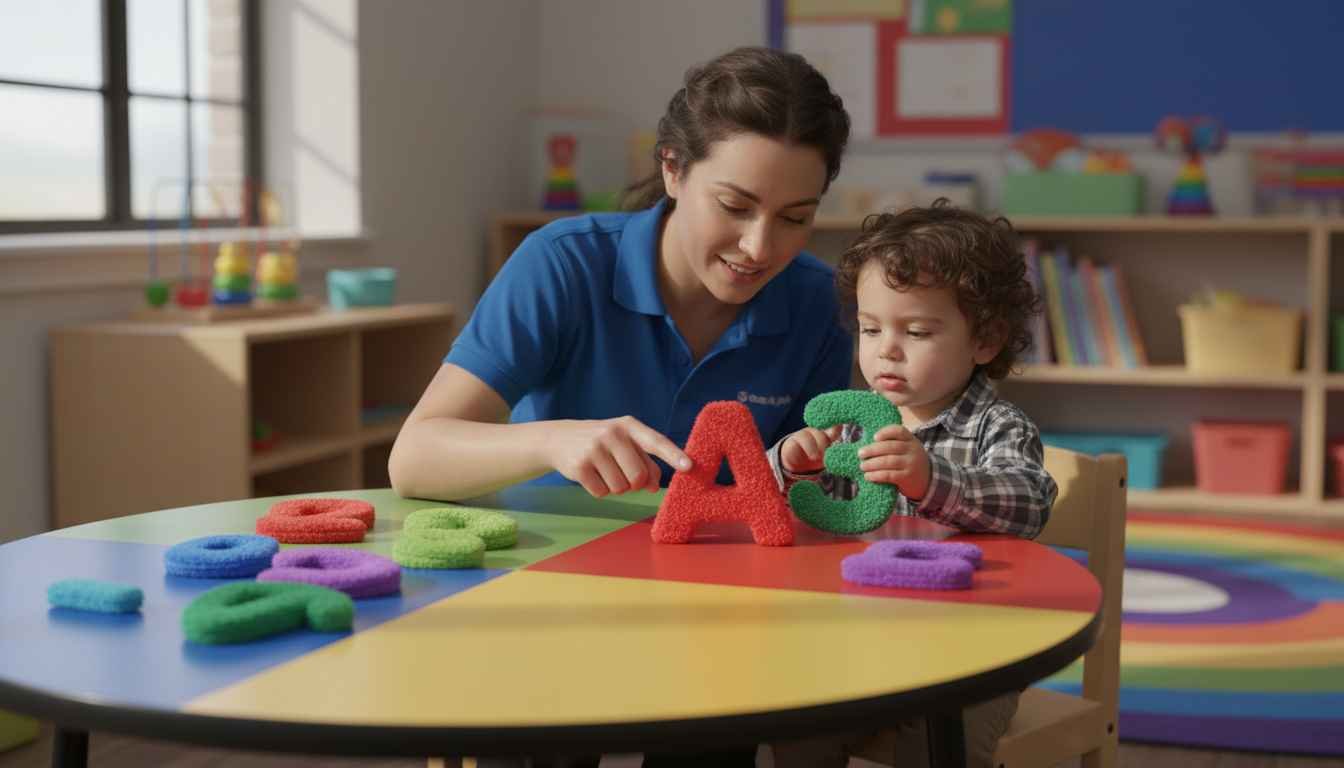
Understanding the Role of a Special Education Assistant
The position of a special education assistant is far more than just a supportive role in the classroom – it is a gateway to making tangible, lasting differences in the lives of students with unique learning needs. Every day, these assistants immerse themselves in dynamic educational environments, guiding children through challenges that many may find daunting. They collaborate closely with teachers, therapists, and parents to develop individualized learning strategies, ensuring that each student receives the tailored support they need. The experience requires not only patience and empathy but also creativity and problem-solving skills, as no two classrooms or children are alike. From facilitating reading comprehension for a child with dyslexia to implementing behavioral strategies for students with ADHD, the special education assistant transforms abstract educational concepts into practical, impactful interventions. Witnessing a student’s progress firsthand instills a deep sense of fulfillment and urgency to continue advocating for inclusive education.
Essential Skills and Qualities for Success
To excel as a special education assistant, certain skills and qualities are indispensable. Effective communication is paramount; these professionals must articulate instructions clearly, interpret non-verbal cues, and provide feedback that resonates with both students and educators. Adaptability and flexibility are equally critical, as the classroom environment is often unpredictable. Emotional intelligence allows assistants to navigate the complex spectrum of student behaviors with compassion, ensuring each child feels valued and understood. Furthermore, a keen observational eye is necessary to detect subtle changes in behavior or learning patterns, enabling timely interventions. Practical skills in implementing individualized education plans (IEPs) and familiarity with assistive technologies are increasingly vital, enhancing the capacity to cater to diverse learning styles. By cultivating these skills, a special education assistant not only meets educational objectives but also fosters an environment where students thrive, creating an urgent need for trained professionals in this field.
The Impact on Students’ Academic Growth
The influence of a special education assistant on students’ academic achievement cannot be overstated. These professionals work behind the scenes to ensure that each lesson is accessible, adapting teaching methods to accommodate various learning differences. For example, visual aids, interactive activities, and multi-sensory techniques can transform a seemingly inaccessible subject into an engaging learning experience. By breaking down complex tasks into manageable steps, assistants help students gain confidence and mastery over their studies. Research consistently shows that personalized support significantly enhances academic outcomes, especially for students who might otherwise fall behind. The emotional reinforcement provided by a supportive assistant encourages perseverance, instilling a love for learning that extends far beyond the classroom. This combination of tailored instruction and empathetic support creates a profound ripple effect, making the special education assistant an indispensable element of educational success.
Building Meaningful Relationships with Students
At the heart of the special education assistant role lies the ability to form deep, trusting relationships with students. These bonds are built on empathy, consistency, and genuine care. Assistants become confidants, mentors, and advocates, often observing and responding to needs that may go unnoticed by others. For example, a child struggling with anxiety may respond positively to subtle encouragement or a gentle touch of reassurance, which can dramatically improve classroom engagement. These interactions are far from superficial; they cultivate self-esteem, social skills, and resilience, enabling students to navigate both academic and personal challenges with greater confidence. By being present, attentive, and responsive, a special education assistant fosters an environment of safety and encouragement, underscoring the critical importance of this role and generating a compelling sense of urgency for schools to invest in qualified professionals.
Collaboration with Educators and Therapists
The effectiveness of a special education assistant hinges on seamless collaboration with teachers, therapists, and other educational professionals. Regular communication ensures that interventions are consistent, aligned with IEP goals, and responsive to evolving student needs. Assistants participate in team meetings, contribute observations, and implement strategies designed by specialists, bridging the gap between theory and practice. For instance, when a speech therapist develops exercises to improve articulation, the assistant reinforces these techniques throughout the day, providing continuity that accelerates progress. This collaborative approach not only maximizes learning outcomes but also cultivates a professional environment where knowledge is shared, strategies are refined, and success is measurable. Schools that recognize the value of these collaborative networks benefit from higher student achievement and a culture of excellence, highlighting the urgent demand for skilled special education assistants.
Specialized Training and Qualifications
Entering the field as a special education assistant requires targeted training and recognized qualifications. Most positions demand a combination of formal education, such as certificates or associate degrees in special education, and hands-on experience in classroom settings. Specialized training programs cover critical topics, including child development, behavior management, assistive technology, and legal requirements surrounding special education. Continuing professional development ensures that assistants stay abreast of new methodologies, research findings, and legislative changes. Certification or licensing from reputable institutions not only validates competence but also enhances employability and credibility. By investing in proper training, aspiring special education assistants position themselves as indispensable assets to educational institutions, highlighting both the importance and urgency of securing this expertise in today’s competitive educational landscape.
Challenges and Rewards of the Role
Working as a special education assistant comes with unique challenges, yet the rewards are unparalleled. Assistants frequently encounter behavioral obstacles, learning delays, and emotional volatility, requiring resilience, patience, and ingenuity. Navigating these challenges involves proactive problem-solving, a willingness to adapt strategies, and the emotional fortitude to support students through setbacks. However, these challenges are counterbalanced by profound rewards – the joy of witnessing a student grasp a difficult concept, the pride in helping a child achieve independence, and the lasting bonds formed with those they support. These tangible outcomes create a sense of purpose and urgency, encouraging dedicated professionals to continue refining their skills. The role is more than a job; it is a mission, offering fulfillment that resonates deeply with those committed to making a real difference as a special education assistant.
Career Opportunities and Advancement
The demand for special education assistants continues to rise, reflecting both increased awareness of inclusive education and the expansion of special needs programs. Career pathways include advancement to lead assistant roles, specialized therapy support, or even educational coordination positions. Many assistants leverage their experience to pursue further qualifications, such as bachelor’s degrees in special education or teaching credentials, opening doors to roles like classroom teacher, behavior specialist, or educational consultant. Employment spans public and private schools, specialized centers, and even online educational platforms, providing diverse opportunities for professional growth. This career trajectory underscores the long-term potential and urgency for those seeking meaningful, stable, and rewarding employment. For aspiring special education assistants, now is the ideal moment to enter the field and secure a role that promises both personal fulfillment and professional growth.
Real-World Success Stories
The transformative impact of a special education assistant is evident in countless real-world scenarios. Consider the story of Sarah, a student with significant learning challenges who struggled to engage with traditional teaching methods. Her dedicated assistant implemented tailored strategies, incorporated sensory learning tools, and fostered a supportive classroom atmosphere. Within months, Sarah not only improved academically but also gained confidence, social skills, and independence. Stories like these are echoed across educational institutions worldwide, where assistants serve as catalysts for growth, inspiration, and empowerment. Verified data from the National Center for Education Statistics confirms that schools with trained special education staff demonstrate higher student retention, achievement, and overall satisfaction. These examples reinforce the essential role of special education assistants and create an urgent call for more professionals to join this transformative field.
Taking the Next Step: Become a Special Education Assistant
Embarking on a career as a special education assistant is not just an opportunity – it is a call to action. With proper training, dedication, and a passion for empowering students, professionals can make an immediate and lasting impact. Schools are actively seeking qualified assistants who can navigate complex classroom dynamics, implement effective strategies, and foster inclusive environments. By securing your position now, you gain the chance to influence educational outcomes, witness remarkable student growth, and become an integral part of a team committed to excellence. The combination of personal fulfillment, professional advancement, and societal impact makes this role both urgent and highly rewarding. Don’t wait – take the step today to transform lives, one student at a time, as a special education assistant. For immediate opportunities and guidance, visit this trusted resource and launch your career now.
By embracing the insights of educational theorists, we can create a transformative learning environment that fosters growth and innovation for every student. The journey to effective education continues as we apply these principles in classrooms around the world.