
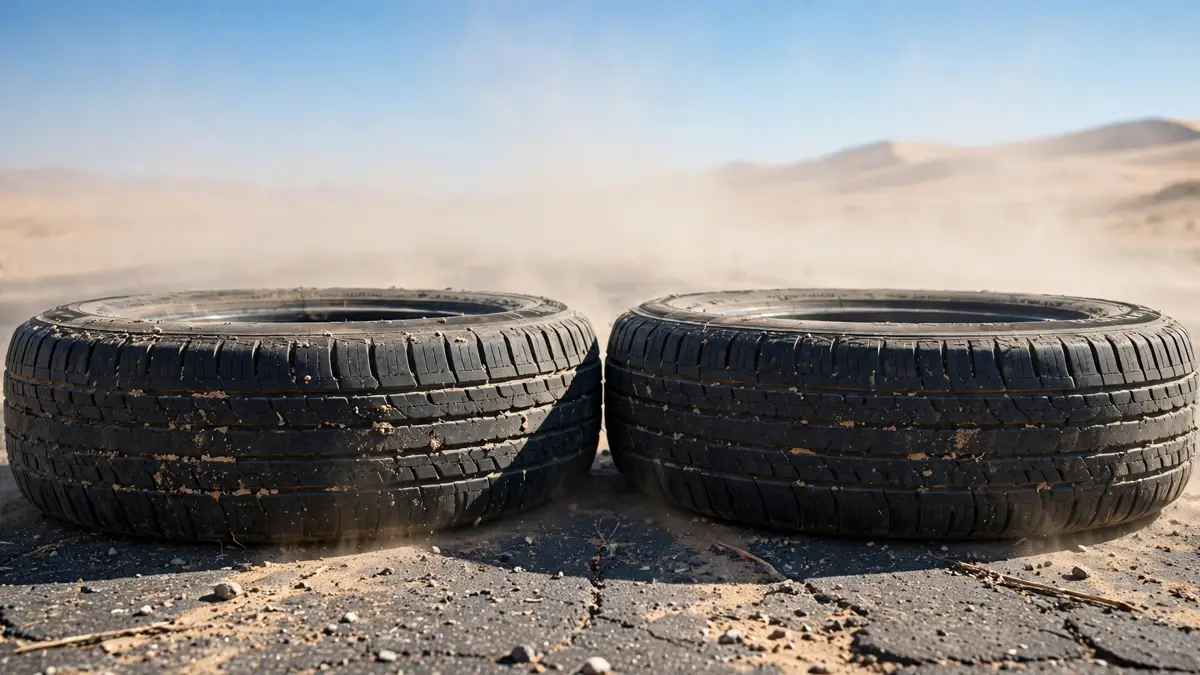
Nexen vs Kumho: Which Korean Brand Handles UAE Heat Better?
Summer in the Emirates tests tyres in a way few places can match. Air temperatures climb high, and road surfaces grow far hotter still. Consequently, a tyre that feels fine in spring can struggle badly by July. Many drivers therefore ask a simple question before they buy. Should they choose Nexen or Kumho for UAE heat resistance?
Both brands come from South Korea, and both sell widely across the Gulf. Moreover, both brands sit in the sensible mid-range, below the premium European names. However, their strengths differ in small but important ways. This guide compares them honestly, without invented test figures or fake lab results. Instead, it explains what heat resistance really means and how each brand approaches it.
Above all, remember one basic truth about hot-climate driving. Heat resistance depends on the exact model, the tyre age, and your daily habits. A brand badge alone never decides the outcome. Therefore, use this comparison as a framework, then check the specific tyre in front of you.
Why Does UAE Heat Punish Tyres So Hard?
Heat attacks a tyre from several directions at once. Firstly, hot asphalt transfers heat straight into the tread and sidewalls. Secondly, long highway runs generate internal heat through constant flexing. Finally, strong sunlight ages rubber even while the car sits parked outside.
Rubber compounds soften and degrade faster at high temperatures. As a result, tread wears more quickly, and grip can fade on very hot surfaces. In addition, small cracks can appear in older sidewalls after repeated heat cycles. Underinflation makes every one of these problems worse, because a soft tyre flexes more and heats up faster.
UAE driving adds extra pressure on top of the climate itself. For example, many drivers cover long distances between emirates at steady highway speeds. Similarly, heavy SUVs and fully loaded family cars place big loads on each tyre. Meanwhile, city drivers face stop-start traffic, hot parking lots, and rough service roads. Each pattern stresses rubber differently, so the best choice depends on your routine.
Meet the Two Brands: Nexen and Kumho at a Glance
Kumho is the older and larger name of the two. The company has supplied tyres for decades, and it holds a strong presence in original equipment fitments. In other words, many car makers fit Kumho tyres on new cars at the factory. Kumho also runs a broad range, from quiet touring tyres to sharp performance models.
Nexen is the younger challenger, although it has grown quickly worldwide. The brand often competes on value, comfort, and low road noise. Furthermore, Nexen has expanded its SUV and performance ranges steadily in recent years. Many UAE dealers stock both brands side by side, so availability rarely decides this contest.
Both companies design tyres for hot markets, not only for mild European weather. Therefore, each range includes summer and all-season patterns suited to warm conditions. However, neither brand sells magic rubber that ignores physics. Model choice and maintenance still matter more than the logo on the sidewall.
What Does Heat Resistance Actually Mean on a Tyre?
Drivers often hear the phrase heat resistance, yet few know how makers measure it. One useful clue sits in the UTQG ratings stamped on many sidewalls. UTQG stands for Uniform Tire Quality Grading, a system that covers treadwear, traction, and temperature. The temperature grade matters most for this comparison.
How should you read the UTQG temperature grade?
The temperature grade uses the letters A, B, or C. Grade A offers the strongest resistance to heat build-up, and grade C marks the minimum legal level. Specifically, the grade shows how well a tyre resists generating heat and how well it sheds that heat. Testers measure this quality on an indoor wheel at rising speeds under controlled conditions.
For UAE use, an A temperature grade gives welcome reassurance. However, the grade assumes correct pressure and a sensible load. An underinflated A-grade tyre can still overheat and fail. Therefore, treat the grade as a starting filter, never as a guarantee.
Why do speed ratings matter in hot weather?
Every tyre also carries a speed rating, shown as a letter beside the load index. That letter states the maximum speed the tyre can handle safely in proper condition. Higher ratings usually reflect stronger construction and better heat control at speed. Consequently, a generous speed rating suits long UAE highway runs well.
Most drivers never approach the rated limit, and they should not try. Nevertheless, the rating still signals how much heat headroom the tyre holds in reserve. In contrast, a tyre with a low rating and heavy loads has less margin on a scorching afternoon. Always match or exceed the rating your car maker specifies.
Nexen vs Kumho: The Head-to-Head Comparison
The table below sums up the broad character of each brand in qualitative terms. It reflects general brand positioning, not measured results for one specific model. Therefore, use it as a map, then confirm details on the exact size you need.
| Factor | Nexen | Kumho |
|---|---|---|
| General positioning | Value-led, comfort-focused mid-range brand | Established mid-range brand with a wider performance range |
| Heat resistance approach | Touring and SUV lines built for steady, quiet hot-road use | Broad range, including performance lines with strong heat headroom |
| Comfort and noise | Often praised for a quiet, soft ride | Generally comfortable, with sportier models feeling firmer |
| Performance range | N’Fera family covers sporty driving needs | Ecsta family offers a deep performance bench |
| SUV and family use | Roadian lines target SUVs and crossovers | Crugen lines target SUVs and crossovers |
| Price positioning | Usually among the more affordable Korean options | Usually mid-range, sometimes slightly above Nexen |
| Best suited to | Calm daily driving, comfort, and value | Mixed driving, keener handling, and wider model choice |
Overall, neither brand wins every row, and that result is honest. Kumho offers the deeper catalogue, especially for drivers who enjoy a sportier feel. In contrast, Nexen often appeals to drivers who prize quiet comfort and lower running costs. Heat resistance, meanwhile, stays close between comparable models from each range.
Which Model Families Should UAE Drivers Look At?
Brand-level talk only goes so far, because ranges differ hugely inside each catalogue. Therefore, look at the family name first, then check the size and grades. Both brands group their tyres into clear families for cars, SUVs, and performance models.
What are the key Kumho families?
The Ecsta family covers Kumho performance and sporty touring tyres. Drivers who value sharper steering often start their search there. Meanwhile, the Crugen family serves SUVs and crossovers, with a focus on stability and comfort. Kumho also offers quieter touring lines for everyday sedans and hatchbacks.
For a heavy SUV on hot highways, the Crugen direction usually makes sense. For example, a family crossover needs load strength, calm manners, and steady heat control. A driver who wants guidance on that balance can read our guide to choosing tyres for a Toyota Land Cruiser for daily and off-road use. That guide shows how use case, rather than brand, should lead the decision.
What are the key Nexen families?
The N’Fera family leads the Nexen performance and premium touring side. It aims at drivers who want grip and refinement without premium prices. Meanwhile, the Roadian family serves SUVs, crossovers, and light commercial use. Nexen also sells straightforward touring lines for smaller cars and daily commuting.
Roadian models often attract drivers who cover long distances with passengers on board. In addition, many owners praise Nexen touring tyres for low cabin noise. However, softer comfort tuning can feel less sharp during quick direction changes. Each driver must decide which trade-off suits their own roads.
Above all, ensuring that your vehicle performs optimally in extreme conditions like those found in the UAE requires attention not only to tyre selection but also to the overall maintenance of your car. Just as choosing between Nexen and Kumho hinges on understanding their heat resistance capabilities, maintaining the exterior of your vehicle is crucial for preserving its longevity and aesthetic appeal. A well-maintained car is less susceptible to the wear and tear inflicted by harsh climates, which is why knowing how to wash a car properly becomes an essential skill for every owner. This knowledge not only enhances the car’s appearance but also protects its paint and components from the damaging effects of sun exposure and road debris, ultimately contributing to a safer and more reliable driving experience.
How Do the Two Brands Handle Tread Life and Ageing in Heat?
Tread life in the Gulf rarely matches the numbers drivers see in cooler countries. Heat speeds up wear, and it also ages rubber while the car sits still. As a result, a tyre can reach its age limit before it wears out its tread. Both brands face this reality equally.
Kumho touring and SUV models generally aim for a balanced wear rate. Nexen models, in contrast, often use comfort-focused compounds that feel softer underfoot. Softer tuning can bring a pleasant ride, although very hot roads may wear it faster. However, driving style influences wear more than small compound differences ever will.
Age matters just as much as mileage in the Emirates. Therefore, check the DOT code on the sidewall before you buy any tyre. The code ends with the week and year of manufacture, shown as four digits. A fresh tyre handles heat better than an older tyre that sat in storage. In fact, many UAE checks treat tyre age seriously during vehicle testing and registration.
Rotation also protects tread life in hot conditions. Move tyres between axles at the intervals your car maker advises. Moreover, fix alignment promptly, because poor alignment shreds tread quickly on hot asphalt. Our explainer on what happens if wheel alignment is skipped after a tyre change covers those risks in detail.
Grip, Braking, and Comfort on Scorching Roads
Dry grip dominates UAE driving for most of the year. Both brands deliver dependable dry grip in their mainstream ranges. Kumho performance models usually feel more eager during cornering and lane changes. Nexen touring models, meanwhile, usually feel calmer and quieter at a steady cruise.
Wet weather arrives rarely, yet it arrives suddenly and heavily. When rain falls on hot, dusty roads, surfaces turn slippery very fast. Therefore, do not ignore wet grip grades while you shop for a summer tyre. The UTQG traction grade and the dealer data sheet both help here. A strong wet grade adds safety on the few days you need it most.
Comfort also matters on long inter-emirate drives. Road noise grows tiring over two hours of highway travel. Nexen has built much of its reputation on quiet touring manners. Kumho answers with refined touring lines of its own, although its sportiest models trade some silence for response. Consequently, test your priorities honestly before you choose a family within either range.
Regular servicing supports grip and comfort as much as tyre choice does. A well-kept car protects its tyres, and trusted workshops spot uneven wear early. For instance, drivers who use a service such as Martinez Complete Auto Service for expert vehicle care often catch alignment and pressure issues before they ruin a set. Early checks cost little, yet they save whole tyres.
Price, Warranty, and Value in General Terms
Both brands compete below the premium tier, and that gap drives their popularity. Nexen often sits at the keener end of Korean pricing in many markets. Kumho usually sits nearby, although its performance models can cost a little more. Exact prices vary by size, dealer, season, and current offers, so compare live quotes for your size.
Value, however, means more than the sticker on the day. A tyre that lasts longer and resists heat damage can cost less per month. Conversely, a cheap tyre that ages out early can prove expensive. Therefore, weigh expected life, comfort, and warranty support alongside the quote.
Warranty terms differ by market, seller, and model family. Ask the dealer to explain the cover in writing before you pay. In particular, ask what the warranty says about manufacturing defects and road hazards. Also ask how the dealer handles claims in practice, because smooth support matters during a dispute. Reputable sellers, such as the team behind Berlin Auto Service and its quality fuel and auto care, usually explain terms clearly at the counter.
Heat-Smart Habits That Help Either Brand Last Longer
Good habits protect any tyre, whichever badge it carries. Firstly, check pressures regularly, ideally when the tyres feel cold in the morning. Correct pressure reduces flexing, and less flexing means less internal heat. Secondly, slow down a little on the hottest afternoons during long runs. Lower speeds reduce heat build-up in a simple, direct way.
Parking choices also shape tyre age in the Gulf. Shade keeps sidewalls cooler and slows sunlight damage during the day. Therefore, choose covered parking whenever you can, especially for a car that sits outdoors. In addition, avoid heavy loads for long periods, because weight raises stress and heat together.
Inspections catch small problems before heat turns them dangerous. Look for cracks, bulges, cuts, and uneven tread wear every few weeks. A bulge or deep crack means the tyre needs professional attention at once. Workshops such as Tommy’s Auto Service, trusted car care experts for every vehicle, can judge whether a damaged tyre stays safe. Similarly, the advice from Manakin Auto Service as a trusted partner for vehicle care stresses early checks over late repairs.
Finally, respect the spare wheel as well. Heat ages a spare inside a hot boot, even without road use. Check its pressure and age whenever you check the main set. A neglected spare can fail exactly when you need it most. Comprehensive checks at a centre like Expert Arboretum Auto Service for all vehicle needs usually include the spare as standard.
So, Which Brand Should You Choose for UAE Heat?
The honest answer depends on how you drive, not on a single headline claim. Both brands build models that cope with Gulf summers when drivers choose and maintain them well. Therefore, pick by driver type, using the framework below.
- Daily commuters in sedans: Either brand works well, so let comfort, noise, and the live quote decide.
- Highway-heavy drivers: Favour models with an A temperature grade and a generous speed rating from either range.
- SUV and family drivers: Compare Kumho Crugen with Nexen Roadian, then judge load strength and ride calmness.
- Keen drivers: Kumho Ecsta usually offers the deeper sporty bench, although Nexen N’Fera deserves a look.
- Value-first buyers: Nexen often starts keener on price, but Kumho promotions can close that gap quickly.
If heat resistance alone must break the tie, study the specific model grades. A Kumho with an A temperature grade beats a Nexen with a B grade, and the reverse also holds true. In other words, the model in your size matters more than the brand on the brochure. Fresh stock, correct fitment, and careful pressure checks then complete the job.
Frequently Asked Questions
Are Korean tyres suitable for UAE summer driving?
Yes, both brands design many models for hot markets and sell them widely across the Gulf. However, suitability depends on the model grade, tyre age, and correct pressure. Choose fresh stock with a strong temperature grade, then maintain it carefully.
How often should you check tyre pressure in UAE heat?
Check pressures at least every two weeks, and always before a long highway trip. Moreover, check them cold, before the sun and driving add heat. Correct pressure is the cheapest heat protection you can buy.
Does a higher speed rating mean better heat resistance?
Generally, a higher rating reflects stronger construction and better heat control at speed. However, the UTQG temperature grade speaks more directly about heat resistance. Therefore, read both markings together before you judge a model.
When should you replace tyres in the Emirates?
Replace a tyre when tread wears low, damage appears, or age limits approach, whichever comes first. Heat ages rubber faster, so do not rely on tread depth alone. A professional inspection gives the safest answer for an older set.
In conclusion, Nexen and Kumho both deserve a place on a UAE shortlist. Kumho brings breadth and a strong performance bench, while Nexen brings comfort and keen value. Choose the freshest, best-graded model for your car, then protect it with simple heat-smart habits. That combination, rather than any badge, delivers real heat resistance on Emirates roads.




