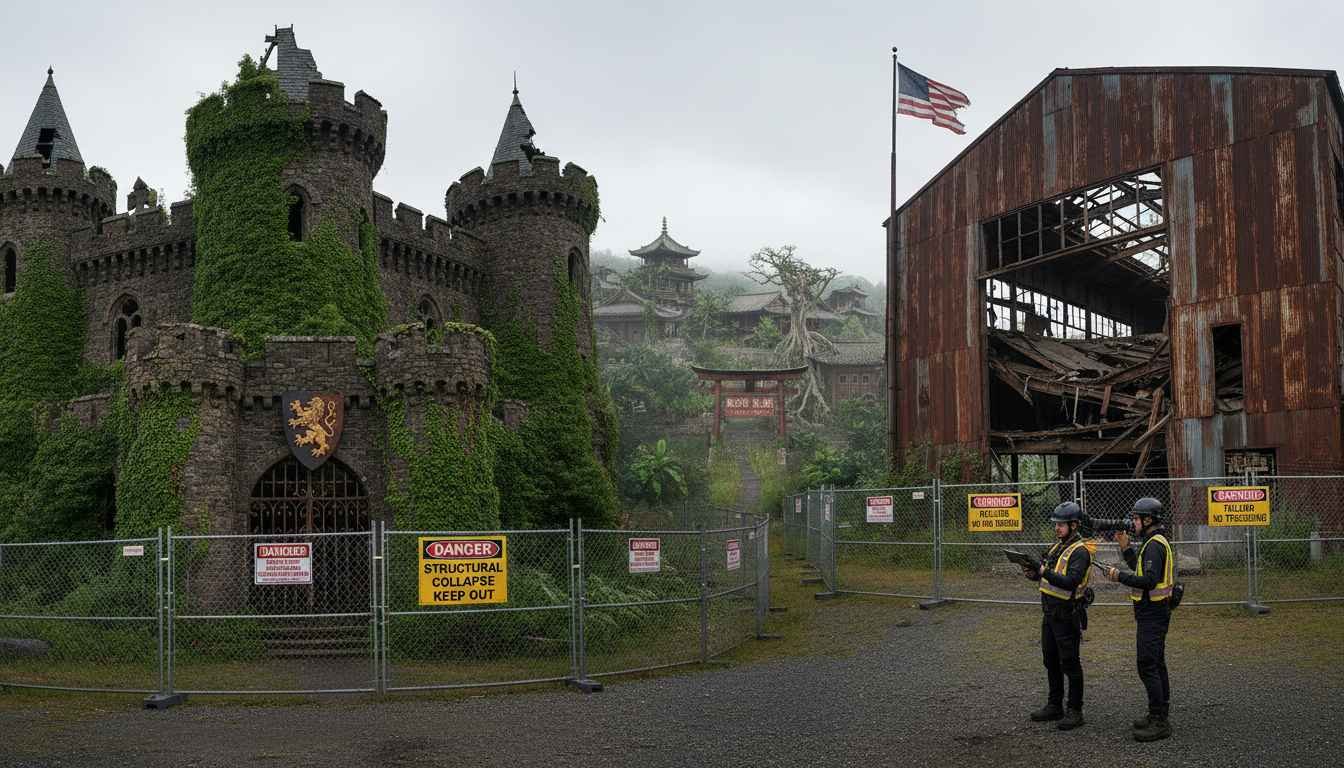
Many travelers and urban explorers often wonder is it illegal to visit abandoned places, as laws vary depending on location, property ownership, and local safety regulations. Safety and legality are primary considerations.
Visiting abandoned buildings can pose both legal and physical risks. Some structures are privately owned or protected by local regulations. For information on cultural references and movies featuring abandoned places, see Kino, which covers films, serials, and interviews related to abandoned or historic sites.
Legal Considerations In Different Regions
The legality of visiting abandoned places depends on property laws. In the United States, trespassing laws can result in fines or imprisonment if private property is accessed without permission. In Europe, rules differ by country, requiring visitors to check local ordinances.
Authorities generally classify abandoned sites as private or restricted property. Public access may be allowed in some cases, but liability issues remain, and exploring unsafe structures is discouraged for legal and safety reasons.
Safety And Liability Concerns
Abandoned sites can contain structural hazards, asbestos, or unstable flooring, making physical safety a concern. Many insurance policies do not cover accidents in unauthorized areas, increasing personal risk for explorers.
Visitors should consider protective equipment and ensure they understand emergency procedures. Local fire codes and building regulations often prohibit unsupervised access to unsafe abandoned structures, emphasizing caution and awareness.
FAQ About Visiting Abandoned Places Safely And Legally
- What are the legal risks in is it illegal to visit abandoned places?
Legal risks include fines, criminal charges, and potential civil liability for trespassing or property damage.
- Can abandoned places be accessed with permission?
Yes, some property owners provide permits or guided access, which removes legal and safety risks when exploring abandoned sites.
- Are abandoned places monitored by authorities?
Many abandoned buildings are monitored by law enforcement or private security to prevent unauthorized access and ensure public safety.
Urban exploration enthusiasts should research legal access and consult property owners when possible. Observing safety protocols and understanding local regulations ensures a responsible experience.
Regional Variations And Permissions
Some regions, such as certain parts of the UK and Japan, provide access to abandoned sites for educational or historical purposes. These areas often have permits and clearly defined boundaries.
Respecting local guidelines and posted signs is crucial. Unauthorized entry can result in criminal charges, reflecting differences in regional policies and property ownership structures. Legal clarity prevents unnecessary legal complications.
Conclusion On Exploring Abandoned Places
Ultimately, whether is it illegal to visit abandoned places depends on local laws, property ownership, and safety considerations. Prior research, cautious planning, and adherence to regulations reduce risks significantly.
Exploring abandoned sites can provide unique historical insights and urban experiences when done legally. Travelers interested in related destinations may also refer to our broader Travel coverage for safe exploration options.
Exploring the list of most visited places in the world reveals not only breathtaking destinations but also the diverse cultures that shape our travel experiences. As you plan your next adventure, these iconic sites await to captivate and inspire your wanderlust.