
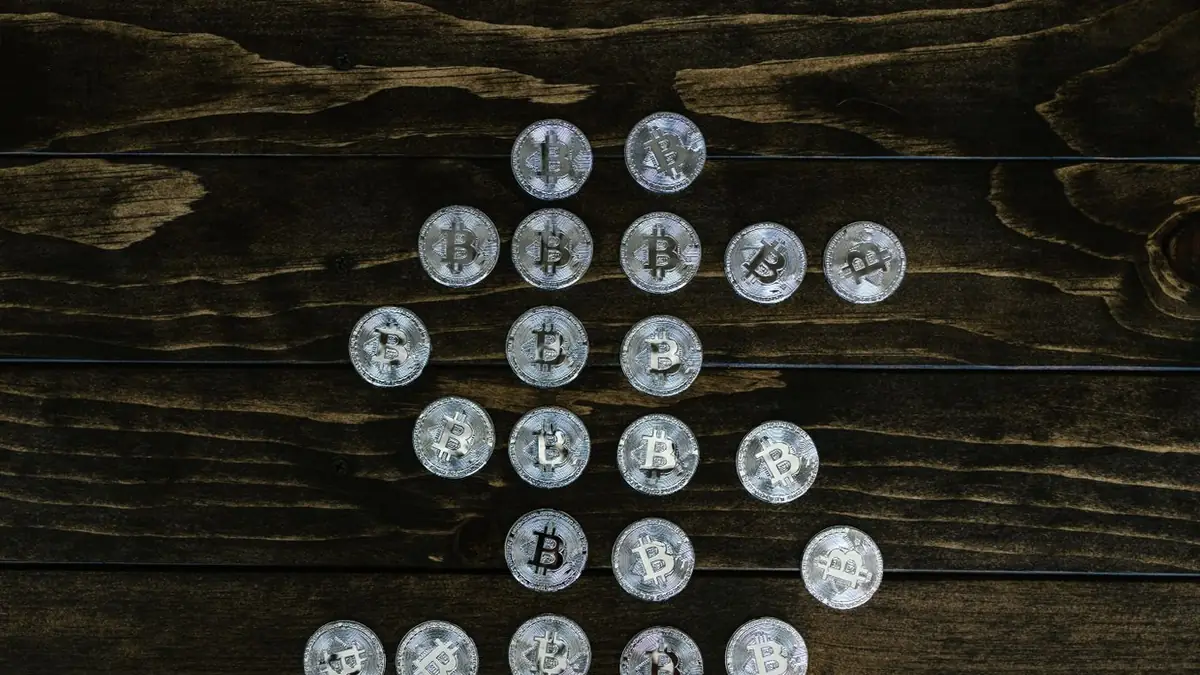
Imagine you want to send digital money to a friend who lives in another country. There is no bank branch to visit, no paper cheque to post, and no clerk to stamp a form. Instead, your wallet app builds a small digital message. You approve it. Then a network of computers checks it, shares it, and records it. This is a crypto transaction explained step by step. It runs from the moment you press send to the moment the receiver trusts that the money is really theirs.
Many guides jump straight into cryptography or trading. Consequently, beginners lose the thread. This guide explains how cryptocurrency transactions work from start to finish. This guide takes a different path. It follows one single transaction on its journey. Therefore, it stays focused on what actually happens, in order, and why each stage matters. Along the way, you will see how crypto payments work in practice. The guide also shows how crypto transfers work without a central office. Finally, it explains what confirmation really means.
Before the detail begins, one simple picture helps. Think of a transaction as a signed instruction rather than a parcel. Nothing physical travels from one phone to another. Instead, the network updates its shared record so that the sender’s balance falls and the receiver’s balance rises. In other words, the blockchain transaction steps below describe a change of record. They do not describe a delivery of coins in an envelope.
What Does a Crypto Transaction Actually Move?
A cryptocurrency lives as entries on a shared ledger called a blockchain. Each entry shows which address controls a certain amount. Moreover, the whole history stays visible to anyone who checks the ledger. Your wallet does not store coins inside your phone like cash in a purse. Rather, it stores the keys that let you control entries linked to your address. Consequently, losing sight of that distinction causes much confusion.
When you send funds, you tell the network to reassign control. The network moves a stated amount from your address to someone else’s address. For example, a shopkeeper who accepts digital payment does not receive a file from you. Instead, the ledger gains a new entry. That entry points the amount toward the shopkeeper’s address. Similarly, your address no longer controls that amount after recording.
This model explains why addresses matter so much. An address works like a shareable account number. The key that approves spending, by contrast, must stay private. If you type an address wrongly, the funds may go to an address nobody controls. They may even reach a stranger who cannot return them. Therefore, checking the address character by character is one of the few habits that truly protects a sender.
How Does Sending Cryptocurrency Start?
Sending cryptocurrency explained in plain terms starts inside a wallet app. You open the app, choose send, and enter two basic facts: the receiver’s address and the amount. In addition, most apps show a small network fee field. You may also choose how urgently the network handles the transaction. That fee is only a passing detail here. Fees belong to a separate topic. Still, most transactions carry a small fee.
At this stage, nothing has reached the wider network. Your app is simply preparing a draft instruction on your device. Meanwhile, you can still review the details, correct a mistake, or cancel the draft. Once you approve it, however, the draft becomes a signed instruction. From that point, the process moves beyond your control in important ways.
Beginners often ask why an app asks for confirmation twice. The reason is straightforward: you cannot easily recall a confirmed instruction. Consequently, a second look at the address and the amount is a useful safety pause, not an annoyance. Think of it as reading a letter before sealing the envelope. Here, however, the seal is digital and far harder to break.
Why Is the Address So Easy to Get Wrong?
Addresses look like long strings of letters and numbers, and therefore a single copied character can change the destination completely. Many apps let you scan a code instead of typing. Similarly, some apps warn you when an address looks incomplete. Even so, the final responsibility stays with the sender, because the network follows the address exactly as written.
A useful habit is comparing the first few and last few characters after pasting. Then send a tiny test amount when the receiver is new. However, a test amount only proves that the address works, not that the person behind it is who you expected. For that reason, confirming the address through a separate trusted channel matters just as much as checking its characters.
What Happens When a Transaction Is Signed?
Transaction signing explained simply means proving permission without revealing a secret. Your wallet uses your private key to create a unique digital signature for this exact instruction. That signature covers the sender, the receiver, and the amount together. Changing any one of those details would break the signature. In short, signing ties your approval to this transaction and to no other.
Crucially, the private key itself never leaves your device during signing. Other computers can verify the signature using your public address. Yet they cannot work backwards from the signature to discover your key. This separation lets strangers trust the instruction without trusting you personally. Consequently, it sits at the heart of how cryptocurrency works.
People sometimes compare signing to signing a cheque. The comparison helps at first, although it breaks down in one useful way. Anyone who sees a cheque signature can copy it. A digital signature, by contrast, stays unique to the exact message it signs. As a result, nobody can lift your signature from one transaction and paste it onto a different payment.
How Does a Transaction Reach the Network?
Crypto transaction broadcast explained in one line means sharing the signed instruction with nearby computers on the network. Your wallet sends it to a few connected nodes, and each node passes it along to its own neighbours. Within a short time, the instruction spreads widely. It moves like news through a crowd, although no single office directs the flow.
Broadcasting is not the same as confirming. At this point, nodes know about the transaction, but no block records it yet. Therefore, the receiver should not treat it as final. In addition, different nodes may learn about it at slightly different moments. The network therefore needs a shared way to agree on which transactions count. It also needs agreement on their order.
This stage also explains why a transaction needs no permission from a central company. Anyone running a node can receive and relay a well-formed instruction, and similarly any node can check its signature. By contrast, a traditional payment must pass through one or two central systems before it moves at all. That routing marks a key difference between the two models.
What Is the Mempool, and Why Does a Transaction Wait There?
Mempool explained plainly means a waiting room for transactions that have been broadcast but not yet recorded. Each node keeps its own version of this waiting area. New arrivals sit there until a block picks them up. Think of a departure lounge: passengers have valid tickets, yet they still wait for a seat on a departing flight.
Waiting time varies for many reasons. Network activity rises and falls during the day. Consequently, a quiet period may clear the waiting room quickly. A busy period, by contrast, leaves transactions queuing longer. In addition, transactions that offer a higher fee often jump the queue. Computers that build blocks tend to prefer them. That preference is only one factor, though, and it does not guarantee instant handling.
Seeing a transaction in the mempool can reassure a sender that broadcasting worked. Nevertheless, waiting-room status is not proof of payment. Until a transaction enters a block, some waiting rooms may drop it if it waits too long. Therefore, receivers who release goods too early take a real risk.
How Is a Transaction Checked Before It Counts?
Crypto transaction verification explained step by step starts with a series of automatic checks. First, nodes confirm that the signature matches the sender’s address and the exact instruction. Next, they confirm that the sender controls enough funds for the amount plus any fee. Finally, they check that the same funds have not already been spent in another recorded transaction.
Each check is independent, and each one must pass. If the signature is wrong, the transaction fails at once. Similarly, if the sender lacks enough funds, nodes reject it rather than letting the balance go negative. This strictness protects everyone, because a single unchecked transaction could undermine trust in the whole ledger.
Verification happens before a transaction joins a block, and it happens again when a block is assembled. For example, a transaction may look valid in the waiting room. It might still conflict with another transaction that reached a block first. In that case, only one of them can survive. Nodes set the other aside. Understanding this double-checking helps explain why early appearances can mislead.
What Does Confirmation Really Mean?
Crypto transaction confirmation explained in plain language means inclusion in an accepted block. The network accepts that block, and the transaction joins its recorded history. One confirmation is the first such inclusion. After that, each new block built on top adds another confirmation. Consequently, the transaction grows harder to reverse with every added block. Receivers often wait for several confirmations before treating a payment as settled, especially for larger amounts.
Confirmation matters because a block is a bundle of transactions agreed by the network, not a private note. Once many computers hold the same block, changing it would mean changing every block after it as well. Therefore, the deeper a transaction sits in the chain, the more settled it becomes in practice.
It helps to separate three states clearly. An unconfirmed transaction is known but not yet recorded. A transaction with one confirmation enters the record once. A transaction with several confirmations lies buried under later blocks. Meanwhile, most everyday confusion comes from treating the first state as though it were the third.
What Changes Once a Transaction Is Confirmed?
After confirmation, the receiver’s wallet usually shows the new balance. The sender can no longer spend the same funds elsewhere. In addition, block explorers display the transaction with its block number and confirmation count. These public search tools track the ledger for anyone. Anyone can look it up using its unique transaction identifier, which acts like a tracking number for the journey.
Confirmation does not, however, make a transaction private. Most public blockchains keep transaction details visible, although identities stay behind addresses rather than names. Consequently, a receiver gains certainty about payment, not secrecy about the transfer itself. That openness is a feature of the design, and it surprises people who expect bank-style privacy.
Why Does Double Spending Matter, and How Is It Stopped?
Double spending explained simply means trying to spend the same digital funds twice. With physical cash, the problem solves itself, because handing a coin to one person leaves you without it. With digital data, copying is easy. A dishonest sender could therefore copy a payment instruction. That sender could then send the same funds to two different receivers. If both copies counted, the system would collapse.
The blockchain answers this problem through ordering and agreement. Nodes check each new transaction against the recorded history. Only the first valid version of a spend can enter the chain. Furthermore, once a transaction gains confirmations, later blocks build on top of it, which makes rewriting that history increasingly difficult. In short, the shared record, rather than any single referee, stops the second spend from counting.
An attacker might still try to broadcast two conflicting transactions at once. Different parts of the network might then see different versions first. However, the network resolves the conflict when one version enters a block and the other is rejected. For that reason, waiting for confirmations gives receivers practical defence. Patience therefore forms part of the payment process itself.
What Can Go Wrong With an Unconfirmed Transaction?
Unconfirmed transaction explained honestly means a payment that stays visible but unsettled. Several things can delay it. Network congestion can leave it waiting. A fee that is too low for current conditions can leave it overlooked. Similarly, a conflicting transaction can also cause its rejection. In each case, the sender’s funds have not moved in the recorded sense. The wallet may still show the amount as pending.
Pending status also creates social problems. A seller who hands over goods on the strength of a pending transaction trusts that it will confirm. Yet nothing guarantees that outcome. Similarly, a receiver who sees a transaction in a wallet app may assume the money has arrived. In fact, the app only shows the waiting-room stage. Clear communication about confirmation status prevents most of these misunderstandings.
When a transaction stays unconfirmed for a long time, some wallets let the sender try again with a higher fee. Other wallets simply wait until the transaction drops from waiting rooms. Either way, the original instruction does not vanish into a void. Instead, it either confirms eventually or fades from the network, after which the funds remain under the sender’s control. Checking the transaction identifier on a block explorer gives the clearest picture of which outcome is unfolding.
How Long Does the Whole Process Take?
The full crypto transaction process rarely follows a fixed timetable. Signing takes moments on your device, and broadcasting spreads the instruction quickly across connected nodes. After that, waiting time depends on network activity and the fee offered. It also depends on how quickly new blocks appear on that network. As a result, one payment may settle in minutes while another waits considerably longer.
Different networks also work at different speeds by design. Some produce blocks frequently, whereas others produce them slowly. Therefore, the same journey can feel fast on one network and slow on another. This variation surprises newcomers who expect every cryptocurrency to behave alike. In reality, speed is a property of each network’s rules, not a promise made by cryptocurrency in general.
A sensible way to judge timing is to watch confirmations rather than the clock. When a receiver asks how long a payment will take, the honest answer involves several factors. Those factors include the confirmations they require, the waiting room’s state, and the network involved. Meanwhile, anyone who promises an exact delivery minute for a blockchain payment is oversimplifying a process with several moving parts.
How Does This Compare With a Traditional Payment?
Traditional payments usually pass through banks or card networks that keep private ledgers. Those institutions verify identity, check balances, and settle accounts behind closed doors. Consequently, the customer sees only the final result. By contrast, a crypto transaction process makes its ledger public and spreads verification across many independent computers. The trade-off is clear: openness and independence replace the familiar reassurance of a single institution.
Speed comparisons also need care. A card payment may feel instant at the till. The money behind it, however, can take days to settle between banks. A crypto payment may feel slow while it waits for confirmations. Once a block gains acceptance, settlement and recording happen in the same step. Therefore, comparing the two fairly means comparing settlement, not just the moment a screen changes.
Costs follow a similar pattern. Traditional systems bundle their charges into merchant fees or account charges, which stay largely invisible to the customer. Crypto networks show a separate network fee on the transaction itself. That separate fee makes the cost visible even when it is small. That visibility explains much of the debate about fees. It also shows why fee levels belong to their own discussion rather than to this journey.
What Should a Beginner Check Before Sending Anything?
Before you send, run through a short mental checklist. First, confirm the receiver’s address through a trusted channel, not only through the message that requested payment. Next, double-check the amount and the network, because sending on the wrong network can strand funds. Finally, confirm that you understand the confirmation wait, so neither side mistakes a pending transaction for a settled one.
Beyond that checklist, keep learning in small steps. Reading about how online businesses use cryptocurrency for payments shows where these transactions appear in everyday commerce. Likewise, how local online marketplaces handle digital sales gives useful context for small sellers. Neither source changes the mechanics described here, yet both show why the mechanics matter outside technical circles.
It also helps to understand the wider world around a transaction. News about assets being removed from trading platforms reminds readers that access to a particular asset can change. Similarly, how large private crypto trades are arranged shows that not every transfer looks like a small wallet payment. In addition, how financial technology apps keep users engaged explains why wallet screens feel so smooth, while basic finance ideas ground the whole topic in familiar money habits. Finally, how crypto businesses present themselves online illustrates how much crypto information reaches readers through search in the first place.
Can One Journey Explain the Whole System?
One journey cannot explain every corner of cryptocurrency, and it should not try. Keys deserve their own deep discussion, fees deserve theirs, and the work of building blocks deserves another. However, following a single transaction from signing through broadcast, waiting, checking, and confirmation gives a reader a reliable mental map. With that map in hand, later topics stop feeling like separate mysteries. They start fitting into a sequence that already makes sense.
That sequence deserves a brief restatement. Your wallet prepares an instruction, and you sign it. The network shares it, and it waits in the mempool. Nodes verify it, a block records it, and further blocks confirm it. Each stage answers a different worry: signing answers permission, verification answers validity, and confirmation answers permanence. Together, they explain how bitcoin transactions work and, by extension, how most similar networks handle a payment.
If you remember only one idea, let it be this. A crypto transaction changes a shared ledger through signing, checking, and recording. It is not a parcel posted from one person to another. Once that idea clicks, the jargon fades. The journey from send button to settled payment becomes something you can follow, explain, and check for yourself. That is the whole point of this crypto wallet transaction explained guide. It also shows how cryptocurrency transactions work in practice, and it gives the best foundation for everything you learn next.




