
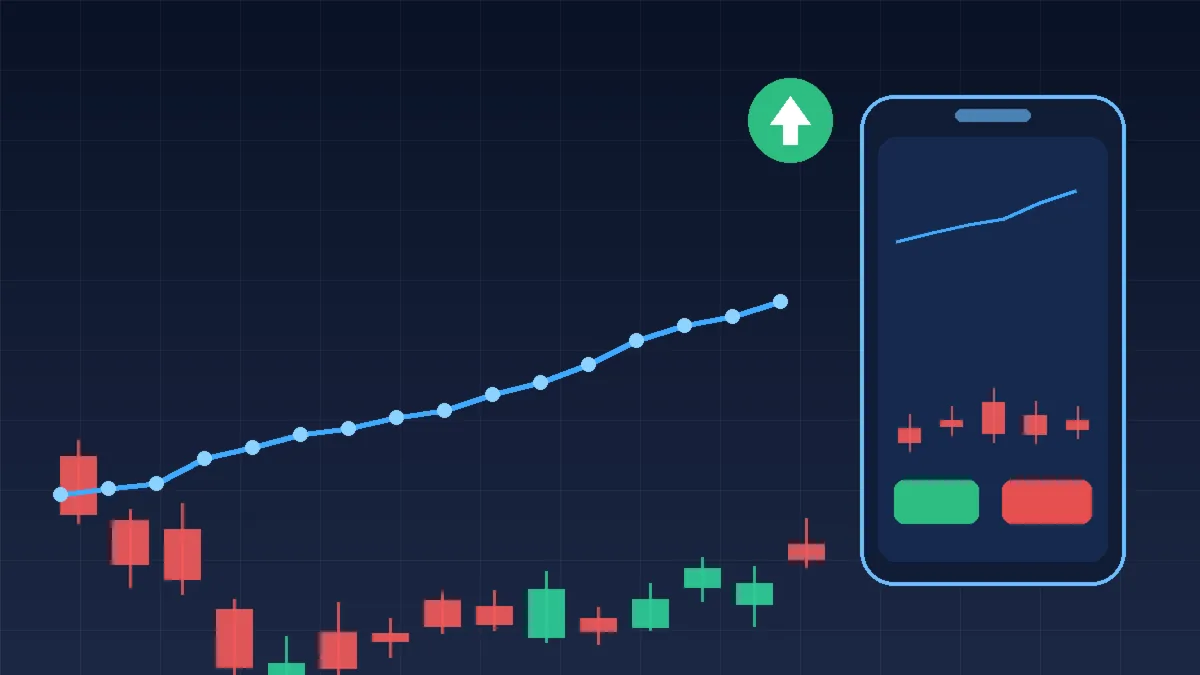
A trader taps buy, and the price moves before the order lands. That small gap shapes trust more than any advert does. However, the gap rarely comes from one slow screen alone. Instead, it reflects servers, routing, data feeds, and software working together. Therefore, learning how brokers update technology explains why some platforms feel sharp. It also explains why others feel stuck in another decade.
Modernisation now touches every part of the business at once. Execution sits at the centre, and engagement sits close beside it. Moreover, onboarding, security, and support all shape the same experience. A broker can launch a shiny app and still lose clients quickly. For example, slow verification or weak risk tools will undo good design. Consequently, serious firms treat technology as one connected system.
Why do brokers keep rebuilding their platforms?
Competition gives traders little patience for clunky platforms. A rival app loads faster, and switching suddenly looks easy. Meanwhile, markets themselves have become broader and more demanding. Many brokers now offer shares, forex, indices, commodities, and crypto together. Additionally, clients expect one account to handle all of those assets smoothly. That expectation alone forces deep changes behind the scenes.
Old systems also struggle under modern trading volumes. News events can trigger sudden surges in orders and price updates. However, legacy software often dates from calmer and simpler markets. Patching such software repeatedly creates fragile and expensive code. In contrast, rebuilding core parts gives engineers a cleaner foundation. The wider story of digital transformation in business shows the same pattern across many industries.
Trader behaviour has changed just as much as market structure. People check prices on trains, at desks, and late at night. Similarly, they expect deposits, alerts, and statements to work instantly. A platform designed only for desktop trading misses that reality completely. Therefore, brokers rebuild around continuous access rather than office hours. The work is about relevance, not fashion.
Start with the execution engine, not the homepage
Execution quality decides whether a strategy survives contact with live markets. A good idea can fail when fills arrive late or inconsistently. Specifically, traders care about trade execution speed, price accuracy, and predictable behaviour. Brokers therefore invest first in the systems that process orders. That investment often includes low latency trading infrastructure placed close to major trading venues. Moreover, they measure execution quality constantly, not only after complaints arrive. Honest measurement reveals problems that marketing claims can easily hide.
Smart order routing and liquidity access
Smart order routing sends each order toward suitable available liquidity. The router compares venues and liquidity providers using current conditions. For instance, price matters greatly, but depth and reliability matter too. A cheap quote means little when only tiny volume is available. As a result, good routing balances price, size, speed, and fill likelihood. That balance protects traders during both calm and chaotic sessions.
Liquidity access matters even more for less common instruments. Large crypto orders, for example, often need careful handling across venues. Our guide to OTC trading cryptocurrency explains how big deals get managed securely. Similarly, brokers apply aggregation logic to ordinary retail orders every day. In addition, they review routing performance and adjust provider connections regularly. Routing is therefore a living system, not a one-time installation.
Reliability when markets get busy
Speed means nothing when a platform fails during major news. Consequently, brokers build backup servers and automatic failover into core systems. Orders and account data need protection when one component breaks down. Moreover, engineers test those backups before a crisis forces their use. Regular stress testing shows how systems behave under heavy load. In practice, resilience earns more loyalty than headline speed claims.
Clear communication also belongs inside reliability planning. Traders forgive brief problems faster when brokers explain them honestly. However, silence during an outage destroys confidence almost immediately. Status updates, incident reports, and prompt support replies therefore matter greatly. Additionally, post-incident reviews help teams prevent the same failure twice. Reliability is thus part engineering and part basic respect.
What should a modern mobile trading app actually do?
For many clients, the mobile trading app is now the broker itself. They open accounts, verify identity, and place trades entirely by phone. Therefore, brokers no longer treat mobile as a smaller desktop copy. Instead, they design phone-first journeys around short and frequent sessions. Moreover, they keep key actions within easy reach of one thumb. Small design choices like that decide daily usability.
A capable app in current practice usually offers the essentials below.
- Live prices with clear and customisable watchlists
- Fast order entry with stop-loss and take-profit controls
- Advanced charts that work properly on small screens
- Price alerts and important market notifications
- Secure sign-in with biometrics and two-factor options
- Deposits, withdrawals, and statements without desktop detours
- Positions, margin, and history synced across every device
Parity across devices has become a basic expectation nowadays. A trader may research on a laptop and execute on a phone. Meanwhile, positions and alerts must match perfectly on both screens. Any mismatch creates doubt at exactly the wrong moment. Therefore, brokers invest heavily in synchronisation and consistent data. Our discussion of financial technology user retention strategy explores why small completed loops keep people coming back.
Charts, watchlists and research inside the platform
Good charting turns raw prices into decisions traders can actually make. Modern platforms therefore offer advanced charting tools with multiple timeframes and drawing tools. Additionally, traders can compare instruments and save personal chart layouts. Indicators help many users, but clutter hurts beginners badly. As a result, better platforms let each person customise the workspace. Personal layouts also encourage traders to build repeatable routines.
Research features have moved inside the trading screen too. Economic calendars, earnings dates, and curated news now sit beside charts. For example, an alert can warn a client before a major announcement. That timing helps traders prepare rather than react in panic. Moreover, educational articles and videos increasingly appear beside live tools. Learning inside the platform feels more useful than distant theory.
Corporate actions and listing changes also demand clear in-app explanations. When an exchange delists an asset, clients need timely and plain guidance. Our explainer on Coinbase delisting cryptocurrencies shows why such communication matters for investors. Similarly, brokers now push structured updates instead of vague notifications. Clear information reduces support tickets and prevents costly misunderstandings. In short, information design has become part of trading technology.
API access and algorithmic trading tools
Not every trader wants to click buttons all day. Some build automated strategies and need direct system connections. Therefore, brokers provide broker API access for orders, prices, and account data. Good documentation and test environments make that access genuinely usable. Moreover, sensible rate limits protect shared systems from accidental overload. Developer support has consequently become a real competitive feature.
Algorithmic trading tools also help traders remove emotion from execution. A strategy can wait patiently for predefined conditions before acting. However, automation does not remove risk or guarantee better results. Brokers therefore pair automation with controls, logs, and kill switches. Additionally, backtesting tools let users examine ideas against historical data. Careful testing still matters more than clever code alone.
Opening an account without the paper chase
First impressions form long before the first trade happens. Slow sign-up journeys lose motivated clients within minutes. Consequently, digital onboarding and KYC checks now happen inside the app. Applicants photograph documents, confirm details, and track progress step by step. Moreover, automated checks handle routine verification faster than manual queues. Human reviewers still step in whenever something looks unclear.
Good onboarding also teaches while it verifies each applicant. Short explanations show clients what margin, leverage, and statements actually mean. For instance, a progress checklist prevents surprise requests later on. Applicants always know which step remains and why it matters. As a result, fewer applications stall halfway through the process. Support teams then spend time helping people, not chasing documents.
Risk tools that protect traders before trouble starts
Risk features work best before a position turns dangerous. Stop-loss and take-profit orders remain the everyday foundation here. Additionally, margin warnings alert clients as available funds shrink. Some platforms also show exposure by asset or currency clearly. Therefore, traders can spot dangerous concentration without building spreadsheets. Seeing risk early supports calmer and better decisions.
Negative balance protection and guaranteed stops appear on some accounts too. Availability varies by broker, account type, and local rules, however. Traders should therefore read the exact terms before relying on them. Our guide to cryptocurrency shorting explains how quickly leveraged positions can move against traders. Similarly, position-size calculators help users plan losses before entry. Planning the exit first remains a timeless discipline.
Brokers also use trading risk management tools on their own side. Monitoring systems watch overall exposure across thousands of client positions. Moreover, unusual activity can trigger reviews before problems spread further. Volatility controls may widen protections or adjust available leverage temporarily. In practice, such changes protect both the firm and its clients. Clear explanations help traders accept those changes without suspicion.
Security behind the login
Trading accounts hold money, identity documents, and sensitive personal data. Brokerage cybersecurity therefore deserves the same attention as execution speed. Two-factor authentication and biometric sign-in now protect many accounts. Additionally, encryption protects information while it travels and while it rests. Session alerts warn clients about sign-ins from unfamiliar devices. Together, those layers make simple account takeovers much harder.
People still play a central role in staying safe. Brokers now warn clients about phishing pages and fake support accounts. However, warnings only work when they are specific and timely. In-app messages beat generic emails because context makes them believable. Moreover, withdrawal confirmations and address checks slow down careless mistakes. Good security adds careful friction at dangerous moments only.
Compliance that works quietly in the background
Regulation shapes almost everything a broker builds or changes. RegTech and compliance automation now handle many routine checks automatically. For example, systems can screen transactions and flag unusual patterns for review. Reporting tools also assemble required records without endless manual copying. As a result, staff can focus attention on genuinely suspicious cases. Automation supports compliance work, but accountability remains human.
Client money protection sits inside this operational picture too. Many brokers describe keeping client funds separate from company money. Traders should check the specific arrangements in official broker disclosures, however. Moreover, audit trails show who changed what inside critical systems. Those records help firms investigate errors and answer regulator questions. In short, trustworthy plumbing matters as much as visible features.
Keeping traders engaged without gimmicks
Engagement grows when traders feel more capable, not more addicted. Useful education, honest analytics, and responsive support build that feeling. For instance, post-trade reports can reveal patterns in timing and position sizing. Such insight helps clients improve without lectures or hype. Moreover, regular product updates show that the platform keeps evolving. Quiet competence retains people better than constant noise.
Copy trading and social trading features attract a different kind of participation. Beginners can observe experienced traders and study their reasoning. However, following others never removes the need for personal judgement. Performance histories should include drawdowns, fees, and losing periods clearly. Additionally, easy exit controls matter when a followed strategy changes. Transparency turns social features into learning tools instead.
Community features need careful moderation and realistic expectations too. Leaderboards can motivate learning, but they can also encourage reckless chasing. Therefore, responsible brokers present rankings with context and risk information. Events, webinars, and market briefings give clients safer ways to participate. In addition, feedback surveys help firms learn which tools people value. Engagement built on usefulness tends to last longer.
Cloud foundations and modular updates
A cloud-based trading platform lets brokers add capacity without replacing everything. Services for pricing, charts, accounts, and reporting can scale separately. Moreover, modular design allows one component to change without breaking others. Engineers can release improvements gradually and reverse problems quickly. Consequently, clients see steadier updates instead of rare and risky overhauls. Our piece on ecommerce scalability frameworks explores similar lessons about technical debt and growth.
Costs also shape technology choices behind the scenes. Maintaining several disconnected systems drains money and specialist attention quickly. Our analysis of optimizing information technology revenue streams shows why firms simplify their technology estates. Similarly, brokers consolidate duplicate tools whenever modernisation makes that possible. Savings can then fund security, support, and better client tools. In practice, boring efficiency often pays for visible innovation.
How do brokers roll out an upgrade safely?
Responsible trading platform upgrades follow a disciplined sequence behind the scenes. Firstly, teams define the client problem and the measurable goal. Secondly, engineers build the change inside a separate test environment. Historical data and simulated orders then challenge the new system. Moreover, compliance and security specialists review sensitive changes before release. Skipping those reviews creates risks that clients eventually pay for.
Releases usually begin with a small group of users. Their behaviour and feedback reveal issues that internal testing missed. Additionally, brokers watch error rates, support contacts, and execution quality closely. A serious problem can trigger a quick rollback to the previous version. As a result, gradual release protects the wider client base. Only successful changes expand to everyone on the platform.
Communication completes the rollout rather than decorating it afterwards. Release notes should explain benefits, changes, and any required actions plainly. For example, traders may need to reconnect an API key after an update. Advance warning prevents that small task becoming a failed trade. Moreover, short training videos can help clients use genuinely new features. As our article on technology copywriting argues, plain words make complex systems feel human.
How can traders judge whether an upgrade is real?
Traders can test broker claims with simple and repeatable checks. Start by placing normal trades during calm and busy periods alike. Then compare quoted prices, confirmations, and final fills for consistency. Additionally, open the same account on phone, tablet, and desktop. Everything should agree, especially balances, orders, and open positions. Small inconsistencies reveal deeper problems surprisingly quickly.
- Does the app stay responsive during major market news?
- Do alerts arrive before the event, not after it?
- Can you export statements and trading history easily?
- Does support explain incidents clearly and promptly?
- Are risk settings visible before you place an order?
Paper promises matter less than behaviour under pressure. A broker that publishes honest status updates deserves extra credit. Moreover, transparent execution reports help clients verify quality over time. Traders should also review fees whenever platforms add premium features. In contrast, hidden costs can quietly erase an otherwise good upgrade. Careful users treat every upgrade as a claim needing evidence.
Frequently asked questions
How often should brokers update their trading platforms?
There is no single schedule that suits every broker or market. Small improvements may arrive frequently, while core systems change more carefully. However, security patches and bug fixes should never wait for marketing launches. Moreover, brokers should communicate important changes before they affect trading. Regular and well-tested updates usually signal a healthier platform culture.
Does faster execution guarantee better trading results?
No, because execution quality is only one part of trading success. Strategy, position sizing, costs, and discipline still shape overall outcomes. However, reliable execution prevents avoidable damage from delays and inconsistent fills. Moreover, transparent pricing helps traders judge whether fills seem fair. Technology supports good decisions, but it cannot replace them.
Why do brokers ask for identity documents during sign-up?
Identity checks help brokers confirm who an account belongs to. They also support wider efforts against fraud and financial crime. In practice, digital checks usually feel faster than posting paper documents. However, requirements vary, so applicants should follow official in-app instructions only. Never send documents through unofficial social media accounts or messages.
Are trading APIs only useful for professional traders?
No, because smaller automated tasks can help ordinary traders too. Alerts, reporting, and simple rule-based orders all use similar connections. Nevertheless, beginners should learn manual trading and risk basics first. Moreover, test environments let users practise automation without risking real money. Starting small keeps automation helpful rather than dangerous.
The upgrades that actually matter
Broker technology succeeds when ordinary trading days feel uneventful. Orders fill predictably, apps stay responsive, and information arrives on time. Moreover, accounts open smoothly and security works without constant annoyance. Those quiet experiences come from routing, cloud systems, and careful testing. In addition, honest communication turns technical work into lasting trust. Execution may attract traders first, but reliability keeps them.
For traders, the lesson is refreshingly practical and simple. Judge each platform by behaviour, clarity, and support during difficult moments. For brokers, the lesson is equally clear and demanding. Update the engine before polishing the paintwork, and explain every change honestly. Ultimately, competitive execution and trader engagement grow from the same foundation. That foundation is technology people can trust every day.




