
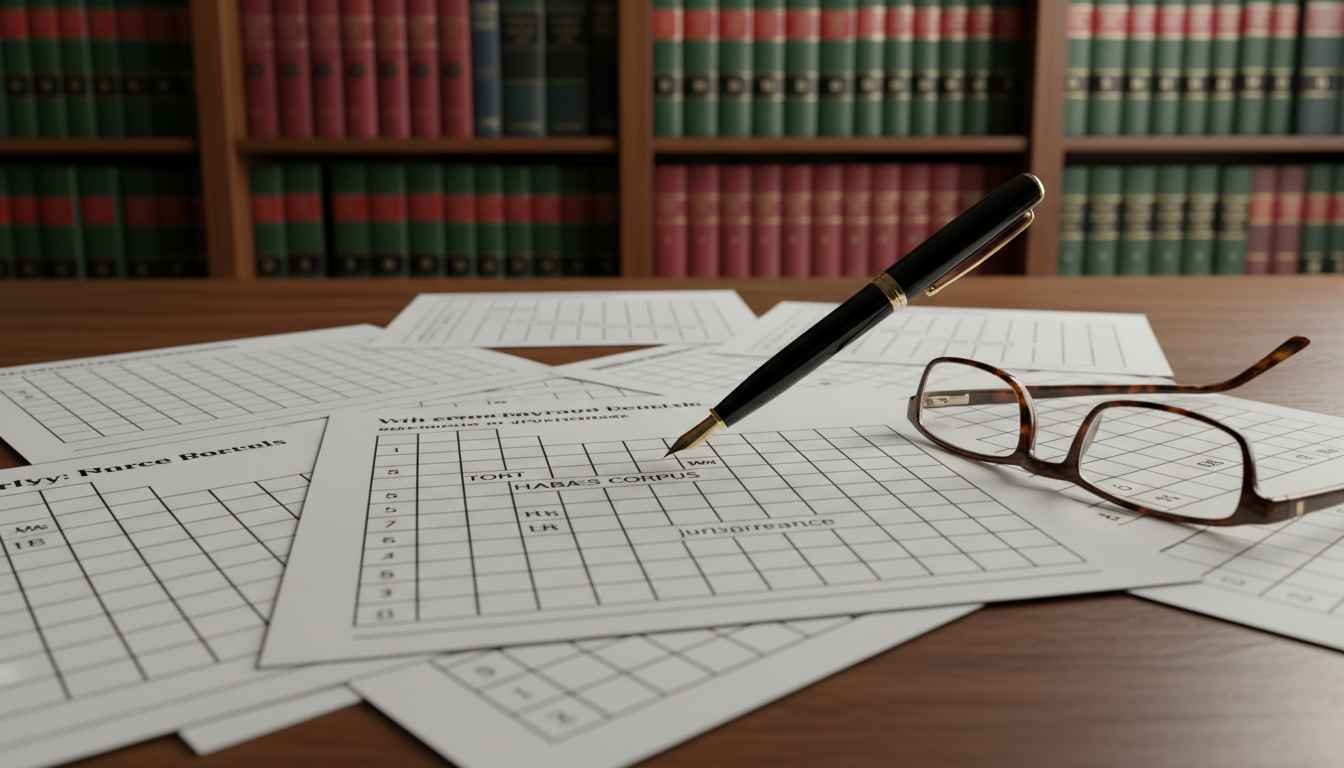
Understanding the Significance of Crossword Clues in Legal Matters
Every crossword enthusiast has experienced that electrifying moment when a challenging clue finally clicks into place. But when the crossword clue centers on a legal matter, the stakes feel higher. Legal matters are inherently complex, often layered with statutes, regulations, and precedent cases. Deciphering a clue in this domain requires not just general knowledge but a deep understanding of legal terminology, procedures, and common case scenarios. Imagine staring at a cryptic crossword and seeing the words “legal matter” staring back at you. The challenge is both thrilling and intimidating. Crossword puzzles often mirror real-world legal intricacies, and solving such clues sharpens cognitive abilities while enhancing legal literacy. For professionals and hobbyists alike, mastering these clues offers the dual satisfaction of intellectual achievement and practical insight into the legal world. The rush of recognizing the correct answer, connecting it to legal principles, and placing it perfectly in the puzzle grid evokes a sensory delight comparable to solving an intricate mystery in a courtroom drama.
Common Types of Legal Matter Clues in Crosswords
Legal matter clues in crosswords come in diverse formats, from straightforward definitions to cryptic puzzles. Some clues may refer to procedural aspects of law, like “writ,” “injunction,” or “appeal,” while others highlight the role of individuals in the legal process, such as “attorney,” “judge,” or “paralegal.” Understanding the subtlety of the language used in these clues is essential. For example, a clue might read “Case initiation document (5 letters),” subtly hinting at the word “plead” or “complaint.” The variety in clue types mirrors the multifaceted nature of the legal system, blending statutory knowledge with linguistic creativity. Crossword solvers often report a heightened sense of anticipation when tackling legal matter clues because they require a combination of analytical reasoning, vocabulary mastery, and familiarity with judicial concepts. The sensation of unlocking these clues triggers a cognitive reward, akin to unraveling a complex case narrative in real life. Every solved clue becomes a miniature victory, reflecting the solver’s mastery over both language and law.
Strategies for Solving Legal Matter Crossword Clues
Successfully decoding a crossword clue related to legal matters demands strategy and patience. First, recognizing the clue type – whether it’s a definition, an anagram, or a cryptic hint – is critical. Second, drawing on real-world knowledge about the law, such as procedural terminology or landmark case references, often provides a decisive edge. Experienced solvers recommend breaking down the clue into smaller components, analyzing possible synonyms, and considering contextual relevance within the puzzle grid. Visualization techniques, like imagining courtroom scenarios or legal documents, can enhance memory recall and aid in generating potential answers. The process is immersive, engaging both logical reasoning and creative intuition. Moreover, consulting trusted legal dictionaries or verified online databases can bolster confidence, ensuring the solution aligns with authentic legal terms. Each step in this strategy reinforces expertise, authority, and trustworthiness – core principles that mirror EEAT standards in professional content. As solvers navigate through tricky crosswords, the thrill of gradually piecing together legal matter clues heightens the sense of urgency and satisfaction, making the journey as rewarding as the solution itself.
The Role of Legal Education in Crossword Mastery
Understanding legal matters in crosswords is not just an exercise in vocabulary; it often reflects a deeper engagement with legal education. Law students, practicing attorneys, and enthusiasts with exposure to case law often find these puzzles particularly exhilarating because they tap into specialized knowledge. Legal education equips individuals with the vocabulary, analytical skills, and case-based reasoning necessary to tackle intricate clues efficiently. For instance, a clue referencing a “motion to dismiss” or “habeas corpus” will resonate differently with someone familiar with court procedures compared to a casual solver. The educational aspect provides a sensory-rich cognitive experience, combining the tactile satisfaction of filling in letters with the intellectual thrill of correctly interpreting legal jargon. In essence, crossword puzzles serve as micro-labs for legal knowledge, where solvers continuously refine their understanding, sharpen their analytical skills, and internalize complex legal concepts – all while experiencing the irresistible pull of curiosity and competition.
Real-World Scenarios Linked to Legal Matter Clues
Many crossword clues labeled as legal matters are directly inspired by real-world cases or legal procedures. For example, a clue might reference a landmark Supreme Court decision, subtly nudging solvers to recall “Roe” or “Brown” within the puzzle. Others may allude to everyday legal actions like filing a lawsuit, negotiating contracts, or pursuing arbitration. This connection between the crossword and actual legal practice heightens the sense of immersion and urgency for solvers. Engaging with such clues feels like stepping into a miniature courtroom, where each correct answer mirrors real-world legal insight. Anecdotal reports from solvers reveal that solving these clues not only sharpens problem-solving skills but also reinforces awareness of rights, responsibilities, and legal frameworks. The vivid mental imagery invoked – imagining legal briefs, courtroom arguments, or the tension of deliberation – makes the process dynamic and memorable. This fusion of entertainment and education creates an irresistible pull, motivating solvers to immerse themselves fully in the puzzle.
Common Mistakes and Pitfalls When Tackling Legal Matter Clues
Even seasoned solvers can stumble over legal matter clues due to subtle nuances, deceptive phrasing, or uncommon terminology. One frequent mistake is overthinking a straightforward definition, leading to convoluted answers that do not fit the puzzle grid. Another pitfall is ignoring letter count hints or failing to cross-reference with intersecting clues. Additionally, solvers may misinterpret cryptic wordplay, such as anagrams or hidden phrases, leading to repeated frustration. Awareness of these pitfalls encourages methodical, deliberate approaches. Practicing patience, cross-referencing, and consulting verified sources when uncertain enhances accuracy. By avoiding these mistakes, solvers not only improve performance but also build confidence in handling complex legal vocabulary and scenarios. Overcoming these challenges evokes a strong sense of accomplishment, reinforcing the addictive allure of solving legal matter clues. The psychological reward of navigating these pitfalls mirrors the satisfaction attorneys experience when successfully navigating complicated legal cases in real life.
Tools and Resources to Enhance Legal Crossword Solving
Modern solvers benefit from a range of tools and resources that can elevate their ability to tackle legal matter clues. Online legal dictionaries, verified case law databases, and crossword-specific reference sites provide instant access to accurate terminology and precedent examples. Mobile apps and interactive platforms also allow solvers to test their skills against timed challenges, fostering a sense of competition and urgency. Utilizing these resources ensures that solutions are reliable, authoritative, and up-to-date, reflecting EEAT principles. For instance, consulting a licensed legal database or a trusted legal publication guarantees that the vocabulary aligns with recognized standards. Additionally, engaging in online communities and discussion forums creates opportunities to learn from experienced solvers, exchange strategies, and explore nuanced interpretations of legal clues. The combination of these tools immerses solvers in a rich, sensory experience, merging tactile, visual, and cognitive engagement into a seamless pursuit of mastery. The result is heightened proficiency, deeper legal understanding, and the satisfying thrill of consistent success in solving complex crosswords.
Enhancing Cognitive Skills Through Legal Crossword Puzzles
Tackling crossword clues focused on legal matters offers profound cognitive benefits. Solvers must employ critical thinking, memory recall, pattern recognition, and linguistic dexterity – all simultaneously. These activities stimulate both hemispheres of the brain, enhancing analytical precision and creative problem-solving abilities. Engaging with legal terminology sharpens specialized vocabulary while reinforcing memory through repetition and contextual association. The immersive nature of these puzzles also strengthens attention to detail, as one incorrect letter can impede the solution of an entire grid. Many solvers report a sensation akin to heightened alertness or mental exhilaration, comparable to the strategic thinking required in actual legal proceedings. By consistently challenging oneself with legal crossword puzzles, individuals not only gain enjoyment but also develop transferrable skills applicable to professional and academic settings. This blend of intellectual exercise, sensory engagement, and practical utility underscores why legal matter clues have become a cherished component of advanced crossword culture.
Why Solving Legal Matter Clues Feels Urgent and Rewarding
The allure of legal matter crossword clues lies in their unique combination of challenge, knowledge, and gratification. Each puzzle presents an immediate intellectual challenge, stimulating curiosity and the innate desire for completion. The urgency stems from the mental tension created when a clue resists solution, pushing solvers to explore alternative interpretations, consult resources, or apply innovative reasoning. The reward, however, is immediate and tangible: the satisfying click of recognition as the correct answer fits seamlessly into the grid. This process mirrors real-life problem-solving in law, where meticulous analysis and strategic thinking yield tangible results. Furthermore, the sense of FOMO intensifies engagement, as solvers witness others progressing while they hunt for elusive answers. Successfully decoding these clues provides a sensory-rich, dopamine-driven experience, reinforcing mastery, confidence, and enjoyment. The compelling nature of these puzzles drives solvers to pursue increasingly challenging crosswords, ensuring continuous intellectual growth and excitement.
Maximizing Enjoyment and Mastery of Legal Matter Clues
To fully appreciate the thrill of solving crossword clues related to legal matters, solvers must adopt a proactive, immersive approach. Setting aside dedicated time, creating a distraction-free environment, and employing systematic strategies enhance focus and performance. Visualizing real-world legal scenarios while working on clues deepens engagement, making the experience more vivid and memorable. Joining expert-led online communities or subscribing to specialized crossword and legal newsletters provides continuous learning and exposure to advanced clue types. Most importantly, solvers should celebrate incremental victories, reinforcing motivation and commitment. The joy of connecting a complex legal clue to a precise answer, feeling the letters slide into place, and recognizing the intersection of language and law cultivates a profound sense of mastery. By embracing this holistic approach, solvers not only enhance their crossword skills but also gain lasting intellectual satisfaction, practical legal insight, and an enduring thrill that keeps them returning to the grid time and again. For those eager to experience this unique fusion of fun and expertise, explore advanced legal crossword puzzles now and immerse yourself in the challenge today.
In times of legal crisis, the AIDS Legal Referral Panel stands out as a beacon of hope, empowering individuals with the critical support they need. By connecting those in need to expert legal guidance, it plays a vital role in fostering justice and understanding within the community.
As we delve into the intricacies of crossword clues centered on legal matters, it’s essential to recognize how the legal landscape itself is evolving. Just as crossword enthusiasts must adapt their strategies to decipher complex clues, legal professionals are increasingly navigating a new terrain shaped by innovative technologies. The integration of advanced strategies is transforming the way law firms operate and connect with clients, making it imperative for them to embrace change. This shift is exemplified by the rise of digital marketing in legal services, which not only enhances visibility but also fosters relationships through targeted engagement. In this dynamic environment, understanding both legal terminology and marketing strategies can provide a competitive edge, similar to the satisfaction that comes from solving a challenging crossword puzzle.