
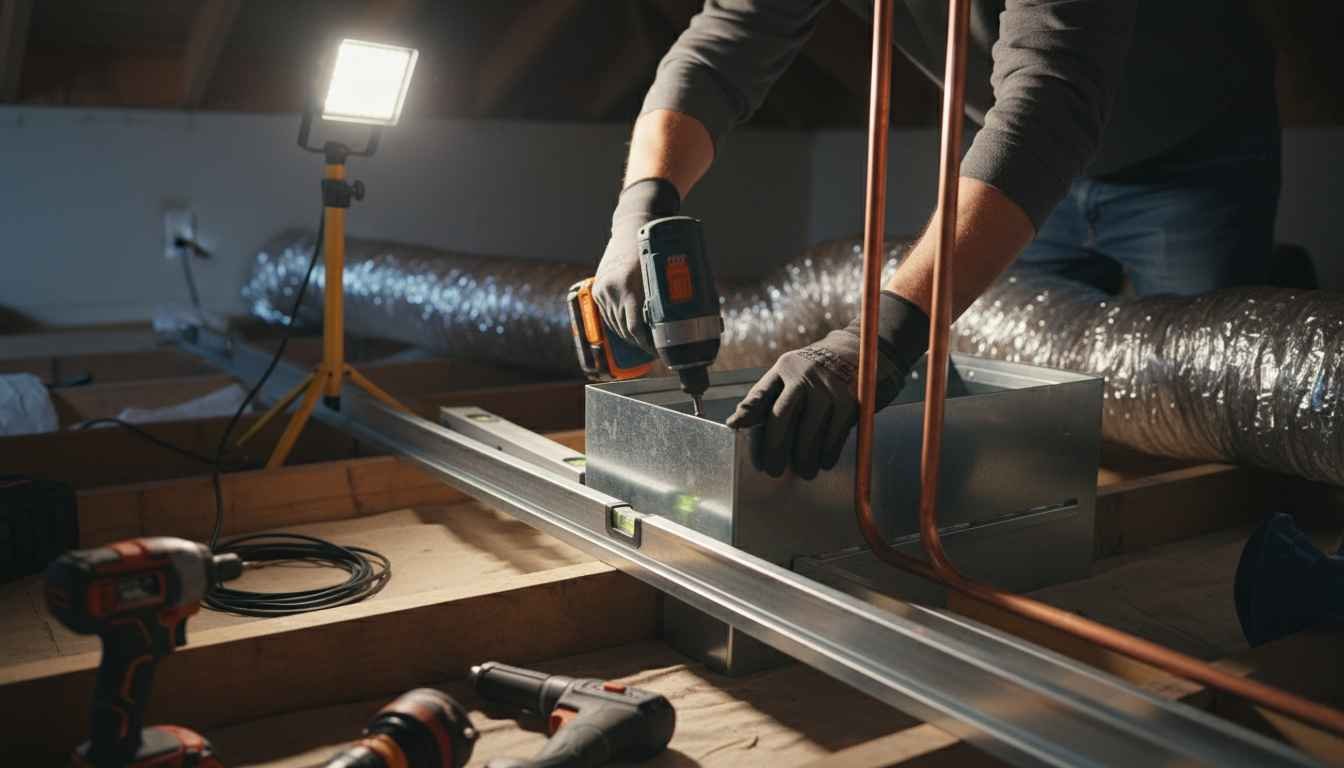
Health is wealth. And in the world of HVAC systems, a healthy installation can save you from costly repairs, energy waste, and even safety hazards. One component that often flies under the radar but plays a pivotal role is the boot rail. To help demystify this essential part of HVAC systems, we spoke with James Carter, a seasoned HVAC technician with over 15 years of hands-on experience.
Q: James, can you explain what boot rails in HVAC systems actually are?
A: Absolutely. Boot rails, sometimes called duct boots or floor/ceiling boots, are the transition pieces connecting your main HVAC ducts to vents in your home. Think of them as the bridge between the main ductwork and the air outlet or return. They help direct airflow efficiently, prevent leaks, and ensure that your heating or cooling reaches every corner of your home.
Q: Why do many homeowners underestimate the importance of boot rails?
A: Honestly, it’s common. Most people notice when a vent is loose or airflow is weak, but they rarely think about the boot rail itself. I once installed a brand-new AC system and ignored a poorly aligned boot rail – big mistake. The airflow was uneven, and it caused unnecessary strain on the unit. Within weeks, the system needed adjustments, and I learned the hard way that proper boot rail alignment is not optional; it’s essential.
Q: How does a properly installed boot rail impact HVAC efficiency?
A: Efficiency hinges on smooth airflow. When boot rails are well-sealed and correctly sized, they minimize resistance and prevent air leaks. That means your furnace or AC doesn’t work harder than it needs to, lowering energy bills and extending the system’s lifespan. Conversely, a misaligned boot rail can waste energy, create hot or cold spots, and increase wear and tear on your equipment.
For homeowners looking to ensure optimal installation, NEXGEN provides expert HVAC services, including boot rail inspection, repair, and replacement.
Types of Boot Rails
Not all boot rails are created equal. Here are the main types:
- Floor Boot Rails: These sit flush with the floor and often serve heating vents in living rooms and bedrooms.
- Ceiling Boot Rails: Mounted in the ceiling, these are common for central AC systems and supply vents.
- Wall Boot Rails: Installed in walls, they often serve return air ducts or wall-mounted registers.
Each type requires proper sizing and alignment to ensure efficient airflow and prevent damage to the HVAC system. Using the wrong boot can lead to pressure issues, noise, and uneven temperature distribution.
Q: What are the most common mistakes homeowners make with boot rails?
A: Great question. The top mistakes include:
- Incorrect sizing: Too small or too large boots disrupt airflow.
- Poor sealing: Gaps or cracks allow air leaks, reducing efficiency.
- Neglecting maintenance: Dust, debris, and rust can accumulate inside boots, restricting airflow.
- DIY installation without proper support: This often leads to loose vents and rattling noises.
Myth-Busting: Boot Rails Edition
Myth: “All boot rails are the same; it doesn’t matter which one you use.”
Fact: Boot rails vary in size, material, and design. Using the wrong boot rail can decrease HVAC efficiency by up to 20% and lead to costly system strain. Always choose the correct type for your duct system and room requirements.
Q: Are there any potential drawbacks or people who should avoid DIY boot rail work?
A: Definitely. Boot rail installation might look simple, but it requires precise measurements, proper sealing techniques, and sometimes cutting into floors or ceilings. Homeowners who are not confident in handling HVAC components or who lack proper tools should avoid DIY installation. Mistakes can result in inefficient airflow, energy waste, and even structural damage.
Q: How often should boot rails be inspected or maintained?
A: At minimum, boot rails should be checked annually during routine HVAC maintenance. Look for dust accumulation, loose fittings, and any signs of wear or rust. Cleaning or resealing as needed can prevent bigger issues down the line.
Q: Any final tips for homeowners concerned about their boot rails?
A: Always prioritize airflow efficiency. If you notice uneven heating or cooling, strange noises, or increased energy bills, start by inspecting the boot rails. Aligning, sealing, or replacing them as needed can save you from larger HVAC problems. And remember, investing in professional installation or maintenance – like the services offered by NEXGEN – can prevent costly repairs and prolong the life of your system.
In my experience, skipping small details like boot rails often leads to the biggest headaches. Treating every component of your HVAC system with care ensures comfort, efficiency, and peace of mind.