
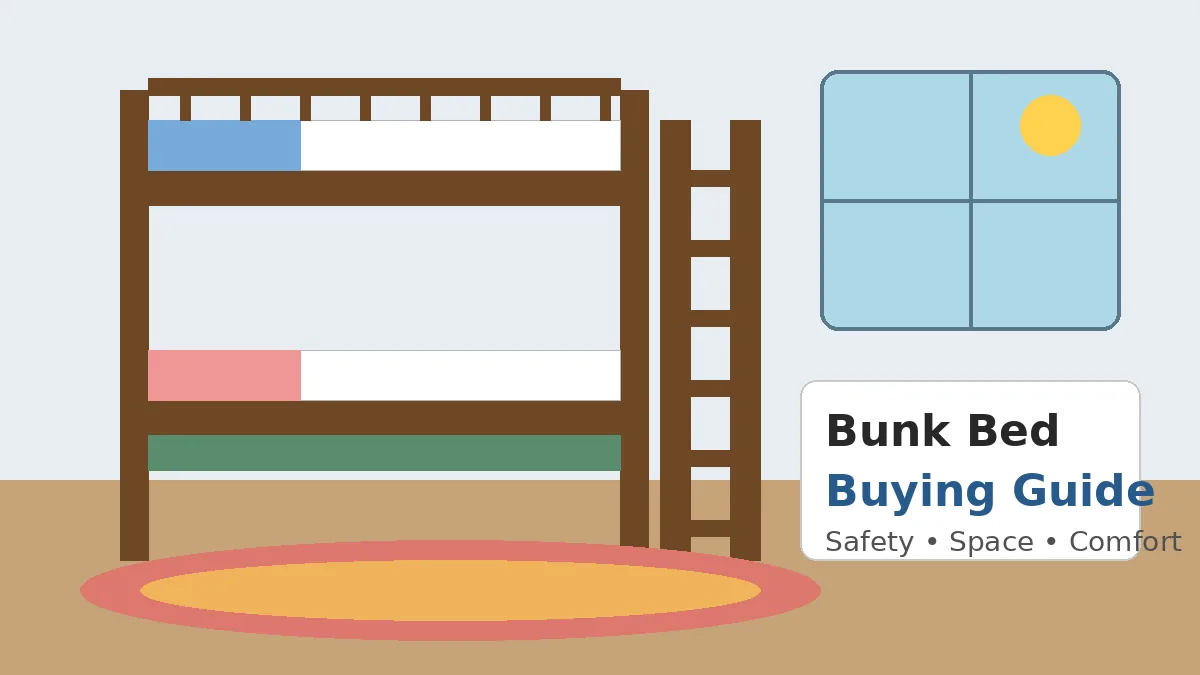
A small bedroom can feel crowded very quickly. However, a well-chosen bunk bed can change that feeling almost overnight. Moreover, the right frame frees floor space for study, play, and storage. Therefore, this bunk bed buying guide focuses on fit, safety, and daily comfort first.
Many families start by searching for a headline product name online. For example, marketplaces such as GigaCloud Technology list many furniture options for small homes. Nevertheless, a specific smart model should never be bought on claims alone. Instead, smart shopping means checking measurements, materials, and safety guidance carefully.
Additionally, a bunk bed is a long-term piece of furniture. Consequently, a calm, step-by-step choice usually beats a rushed bargain. Furthermore, children grow, rooms change, and guests arrive without much warning. Hence, the best choice today should still work well in three years.
Why do bunk beds work so well in small rooms?
Firstly, bunk beds stack sleep vertically instead of spreading it across the floor. As a result, two children can share one footprint with room to move. Similarly, a loft design can free the entire lower area for other uses. In contrast, two single beds often leave almost no useful floor space.
Secondly, vertical sleep creates clear zones inside one room. For instance, the lower area can hold reading, homework, or quiet play. Meanwhile, the upper level stays reserved for sleep and rest. Thus, even a shared room can feel calmer and more organised.
Parents planning wider home changes can learn from expert home improvement ideas that balance safety and practical design. Likewise, good indoor planning rewards the same careful thinking. Ultimately, the goal is not just saving space, but using space better.
What should you measure before you shop?
Firstly, measure the room length, width, and ceiling height with care. Then, write those numbers down and take them to every listing. Additionally, check the space needed for doors, wardrobes, and windows to open. Otherwise, a bed that fits on paper may block daily movement.
Moreover, ceiling height deserves special attention in this process. Specifically, a sleeper on top needs enough headroom to sit up safely. Therefore, leave generous clearance between the mattress top and the ceiling. Similarly, keep the bed away from ceiling fans and light fittings.
Furthermore, bunk bed measurements should include ladder and stair access. For example, an angled ladder needs more floor clearance than a vertical one. Consequently, tight rooms often suit built-in stairs or end ladders better. Finally, measure doorways and hallways so the frame can actually enter.
Which bunk bed type fits your family best?
Different layouts solve different problems, so comparison matters greatly. However, no single layout suits every child, room, or budget. Therefore, start with how many people must sleep in the room. Then, consider age, headroom, and how long the bed must last.
Twin over twin bunk bed for classic sharing
A twin over twin bunk bed remains the most familiar choice. Firstly, it uses two single mattresses stacked directly above each other. As a result, it fits neatly into many small bedroom space saving ideas. Moreover, replacement mattresses and bedding are easy to find almost everywhere.
Additionally, this layout suits siblings who are close in age. Nevertheless, older or taller children may outgrow a twin length sooner. Therefore, check the internal frame length, not just the mattress label. In short, simple and compact does not always mean future-proof.
Loft bed for small rooms and flexible space
A loft bed for small rooms raises one mattress and removes the lower bed. Consequently, the space below can hold a desk, dresser, or play area. For example, an older child can gain a private study corner underneath. Meanwhile, a younger child might prefer a reading den or toy storage.
However, loft beds need confident climbers and careful supervision. Moreover, the higher sleeping level can feel warm in some rooms. Therefore, check ventilation and keep bedding light during warmer months. Ultimately, lofts reward single-child rooms where floor space matters most.
L-shaped bunk bed for corners and light
An L-shaped bunk bed places the lower bed at a right angle. As a result, the lower sleeper is not fully covered by the top bunk. Furthermore, this layout often feels more open and less enclosed. Similarly, the gap beside the lower bed can hold shelves or a lamp.
Nevertheless, an L-shaped frame needs a wider corner footprint. Therefore, it suits larger shared rooms better than very narrow rooms. Additionally, some models separate later into two standalone beds. Hence, flexible families often value this design for longer use.
Trundle bunk bed for guests and sleepovers
A trundle bunk bed hides an extra mattress beneath the lower bunk. Firstly, that hidden bed pulls out only when a guest stays over. Consequently, daytime floor space stays clear for play and homework. Moreover, cousins and friends can visit without inflatable mattresses everywhere.
However, the trundle needs clear floor space when fully extended. Therefore, measure the pull-out distance before you commit to this style. Additionally, trundle mattresses are usually thinner than standard mattresses. In contrast, the main bunks should always use the recommended thickness.
Families who shop across categories can also explore how local e-commerce and neighbourhood marketplaces are changing online shopping. Similarly, comparing sellers carefully helps with large furniture purchases. Thus, reviews, returns, and delivery terms deserve attention alongside price.
What do bunk bed safety standards actually require?
Safety should lead every decision, especially for younger children. Firstly, established bunk bed safety standards focus on falls and entrapment risks. Moreover, reputable guidance in the United States follows CPSC-style rules. Therefore, look for clear compliance statements and permanent warning labels.
Specifically, guardrails for bunk beds must appear on both sides of the top bunk. Additionally, the wall side needs a full-length rail without dangerous gaps. Furthermore, the top of the guardrail should sit well above the mattress. Consequently, a thick mattress can reduce that protection if chosen carelessly.
Also, gap limits matter because small bodies can become trapped. For example, openings between rails and the frame should stay very small. Alternatively, an opening must be large enough to pass through freely. Hence, the risky middle range is exactly what standards aim to prevent.
Why does the top bunk suit children aged six and over?
Firstly, younger children climb less steadily and judge height poorly. Moreover, established guidance says children under six should avoid the top bunk. Therefore, families with toddlers should choose a low lower bunk instead. Similarly, visiting children should follow the same age rule at sleepovers.
Additionally, only one person should use the top bunk at a time. Furthermore, horseplay, jumping, and leaning over rails should stay off limits. Nevertheless, rules work best when adults explain them calmly and repeatedly. Ultimately, kids bunk bed safety depends on habits as much as hardware.
Homes that value calm routines may also enjoy reading about personalised home services that make daily living smoother. Likewise, a safe bedroom routine should feel simple and repeatable. Thus, clear rules posted nearby can help children remember them.
How can you make ladder use safer every day?
Bunk bed ladder safety starts with a firm, properly attached ladder. Firstly, check that the ladder cannot wobble, slip, or detach during climbing. Moreover, wide rungs or stair treads usually feel safer for bare feet. Therefore, narrow round rungs may suit older children better than younger ones.
Secondly, children should climb facing the ladder with both hands free. Consequently, toys, books, and phones should never travel up in their hands. Additionally, a small night light can guide safe climbing after dark. Finally, adults should practise the climb with a new top-bunk sleeper first.
Solid wood or metal, which frame material lasts longer?
A solid wood bunk bed often feels warm, sturdy, and traditional. Firstly, hardwoods and quality pine can handle daily family use well. Moreover, wood frames can sometimes be repaired, sanded, or refinished over time. However, solid wood usually weighs more and can cost more upfront.
In contrast, a metal bunk bed frame often costs less and weighs less. Additionally, tubular steel designs suit modern rooms and frequent moves. Nevertheless, metal frames can squeak when joints loosen over time. Therefore, welded joints and regular bolt checks matter for metal designs.
Meanwhile, engineered wood needs extra caution in load-bearing parts. Specifically, avoid weak particleboard where the frame carries sleeping weight. Furthermore, check slat strength, centre supports, and the quality of fasteners. Ultimately, construction quality matters more than material labels alone.
Readers interested in material choices at home can also consider sustainable living ideas that favour durable, long-lasting choices. Similarly, a bed that lasts longer creates less waste over time. Hence, repairable frames often beat cheap, disposable alternatives.
How much weight can a bunk bed safely hold?
Every frame should state a clear bunk bed weight limit per level. Firstly, never guess this limit from the frame size or material. Moreover, the limit includes the sleeper, the mattress, and any bedding combined. Therefore, growing teenagers need a more generous rating than young children.
Additionally, top bunks usually carry lower limits than bottom bunks. Consequently, adults should not sit or sleep on top unless expressly rated. Furthermore, missing weight information is a serious warning sign when shopping. In short, a seller who hides limits does not deserve your trust.
How do you choose the right mattress for each bunk?
The correct bunk bed mattress size must match the frame exactly. Firstly, a mattress that is too small can leave dangerous gaps at edges. Moreover, a mattress that is too large may not sit flat or secure. Therefore, follow the maker guidance on length, width, and maximum thickness.
Specifically, thickness matters most on the top bunk for safety reasons. For example, a very thick mattress can rise too close to the guardrail top. As a result, the rail may no longer protect a rolling sleeper properly. Hence, the mattress top should stay well below the rail top.
Additionally, firm support usually suits growing backs better than very soft foam. Nevertheless, comfort still matters, because children sleep better on a supportive surface. Furthermore, breathable covers help in warm rooms and shared bedrooms. Ultimately, test comfort where possible, but never compromise the fit.
Good sleep also depends on room temperature and airflow at night. Therefore, families may find home heating and comfort advice for a cosier living space useful too. Similarly, small changes to bedding can improve sleep quality noticeably. Thus, mattress choice and room comfort should be planned together.
How should you plan storage, study, and play space?
A bunk bed for shared bedroom use should support more than sleep. Firstly, plan where clothes, books, and school bags will live each day. Moreover, under-bed drawers can replace a separate chest in tight rooms. Consequently, the floor stays clearer and cleaning becomes much easier.
Secondly, stairs with built-in drawers combine access and storage cleverly. For instance, each step can hold pyjamas, books, or seasonal clothing. However, stair units add width, so they need careful measurement first. Therefore, compare the storage gain against the floor space lost.
Additionally, each child deserves a small personal zone in a shared room. For example, a clip-on shelf or reading light can create that privacy. Meanwhile, shared rules for tidying keep walkways and ladder access clear. Finally, a calm room layout helps siblings respect each other space.
Those planning a bigger move can browse dream home ideas for families planning their next property for inspiration. Likewise, thinking ahead helps when children will soon need separate rooms. Hence, convertible frames can bridge the years between sharing and separating.
What about lighting, charging, and so-called smart extras?
Some modern beds advertise lights, shelves, or charging points as extras. However, buyers should verify every such claim with the actual seller listing. Moreover, no headline or search title can prove a feature really exists. Therefore, ask for photos, manuals, and electrical safety details before paying.
Additionally, simple add-ons often solve the same problem more safely. For example, a battery reading light can clip onto the headboard easily. Similarly, a bedside caddy can hold a book without fixed wiring. Ultimately, basic safety and sturdy construction should always outrank gadgets.
Curious readers can explore how technology writing makes technical products feel human and clear. Likewise, clear product writing should help buyers verify, not just imagine. Thus, vague smart claims deserve questions, not blind trust.
What should you check before and after delivery?
Firstly, confirm the delivery size, assembly service, and returns policy in writing. Moreover, large frames may arrive in several heavy boxes over different days. Therefore, keep all parts, tools, and instructions together until assembly finishes. Additionally, photograph any damage before you start building the frame.
Secondly, assemble the bed on a flat surface with two adults present. Furthermore, follow the sequence exactly and tighten every fastener as directed. Nevertheless, avoid over-tightening wood joints, because cracks can weaken the frame. Finally, shake-test the finished bed gently before the first night.
After assembly, regular checks keep the bed safe for years. Specifically, tighten bolts monthly at first, then check them each season. Also, inspect guardrails, slats, and ladder fixings for wear or movement. Consequently, small fixes happen early, before they become real hazards.
Which everyday rules keep a kids room safe?
Firstly, keep the top bunk free from belts, ropes, and hanging toys. Moreover, strangulation risks rise when items hang from rails or posts. Therefore, nothing should loop, dangle, or tie around the bed frame. Similarly, keep the floor beside the ladder clear every single night.
Secondly, teach children to use the ladder, never chairs or desks. Additionally, only the top sleeper should climb up, and only when awake. Furthermore, rough play belongs on the floor, never on either bunk level. Ultimately, consistent rules, calmly repeated, protect children far better than warnings alone.
Final thoughts, which bunk bed should you choose?
The best bunk bed matches your room, your children, and your routine. Firstly, choose the layout, whether twin, loft, L-shaped, or trundle style. Moreover, verify safety rails, gap limits, mattress fit, and weight ratings carefully. Therefore, never let a headline claim replace those basic checks.
Additionally, pick a material and build quality that will last for years. Furthermore, plan storage and study space so the room works all day. In conclusion, a careful purchase can truly transform a cramped shared bedroom. Finally, measure twice, ask questions, and let safety lead every decision.




