
On a cold evening, one warm room feels inviting. A whole warm house feels different, though. Every room shares the same gentle heat, and no single fire or heater does all that work. Instead, a hidden network moves warmth from one central source to every corner of the home. This guide offers a central heating system explained in plain language, step by step. It follows the heat from the thermostat on the wall to the water in the pipes and the warmth in the room. By the end, you will understand how central heating works without needing any technical background at all.
Central heating means one heat source serves many rooms. In contrast, a single room heater warms only the space around it. A central system, however, spreads heat through pipes, ducts, or floors. The source may sit in a utility room, a basement, or a cupboard. Meanwhile, the rooms themselves stay free of bulky equipment. For example, a living room needs only a radiator or a vent, not a fire. As a result, the home looks tidier and feels more even. That even feeling is the whole point of the design.
How Does the Basic Heating Loop Work from Thermostat to Radiator?
Most wet systems follow one simple loop, repeated again and again. Firstly, someone sets a desired temperature on the thermostat. The thermostat then senses the air temperature around it. When the room feels colder than the setting, it sends a call for heat. The boiler responds by warming water inside itself. Meanwhile, a pump pushes that warm water through pipes toward the radiators. In short, the loop has four jobs: sense, heat, move, and release.
Each radiator gives off heat into its room as warm water passes through it. The water cools slightly as it loses warmth to the air. After that, the cooler water travels back to the boiler through a return pipe. The boiler warms it again, and the cycle continues. Therefore, the same water circles the home many times each day. It is not used up, and it does not need constant replacement. In addition, the loop stops when the thermostat senses that the target warmth has returned. The boiler then rests until the next call for heat arrives.
This loop explains the rhythm you notice on cold days. The system hums into life, warms the rooms, and then falls quiet. Later, as rooms cool again, it wakes once more. Similarly, a fridge cycles on and off to hold a steady temperature. Central heating works the same way, only in reverse. It holds warmth steady rather than cold. Consequently, comfort comes from steady control, not from constant full power.
How Does a Boiler Heat a Home?
How does a boiler heat a home when the boiler itself never enters the rooms? It heats water, and the water carries the warmth. A fuel burns inside the boiler, or an electric element warms up within it. That heat passes into water flowing through the boiler. The pump then sends this heated water around the home. Radiators, or pipes under the floor, release the heat where people live. In effect, the boiler is a water heater with a much bigger job.
Boilers differ in fuel and design from home to home. Some burn gas, while others use oil or electricity. Some also heat tap water for baths and sinks. Others serve heating alone, with a separate water heater nearby. However, the core idea stays the same in every case. Heat enters water at one central point. Water then delivers that heat to many rooms. For instance, a small flat and a large house may both use this pattern. Only the size and layout of the system change.
What Is a Heat Exchanger in a Boiler?
What is a heat exchanger in a boiler, and why does every boiler need one? It is the part where heat moves from flame or element into water. Hot gases pass on one side of its metal walls. Water flows on the other side, picking up warmth as it passes. The two never mix, which matters greatly. Combustion gases stay apart from the water in the pipes. Meanwhile, heat still crosses the metal with ease. As a result, the exchanger acts like a safe bridge between fire and water.
The shape of the exchanger affects how well heat transfers. Broad metal surfaces give heat more room to cross. Narrow passages keep water close to the hot metal. In addition, good contact means less heat escapes unused. Some boilers hold one exchanger for heating alone. Others hold a second path for tap water as well. Either way, the job stays identical: move heat into water, safely and steadily.
How Is a Condensing Boiler Different?
A condensing boiler explained in simple terms is a boiler that reuses heat other boilers waste. Burning fuel creates hot exhaust gases. In older designs, much of that heat left through the flue. A condensing design, however, cools those gases further before they leave. Cooling releases extra warmth, which warms the returning water. Therefore, the boiler needs less fresh fuel for the same comfort. In short, it squeezes more use from every unit of fuel.
The name comes from what happens inside during this cooling. Water vapour in the exhaust turns back into liquid. That change releases latent heat, a hidden store of warmth. The liquid drains away through a small pipe. Meanwhile, the warmed return water heads back toward the radiators. For example, a cool return flow helps this process work well. That is one reason condensing designs pair neatly with larger radiators or underfloor pipes. They thrive on gentle, steady warmth rather than fierce bursts.
How Do Radiators Work?
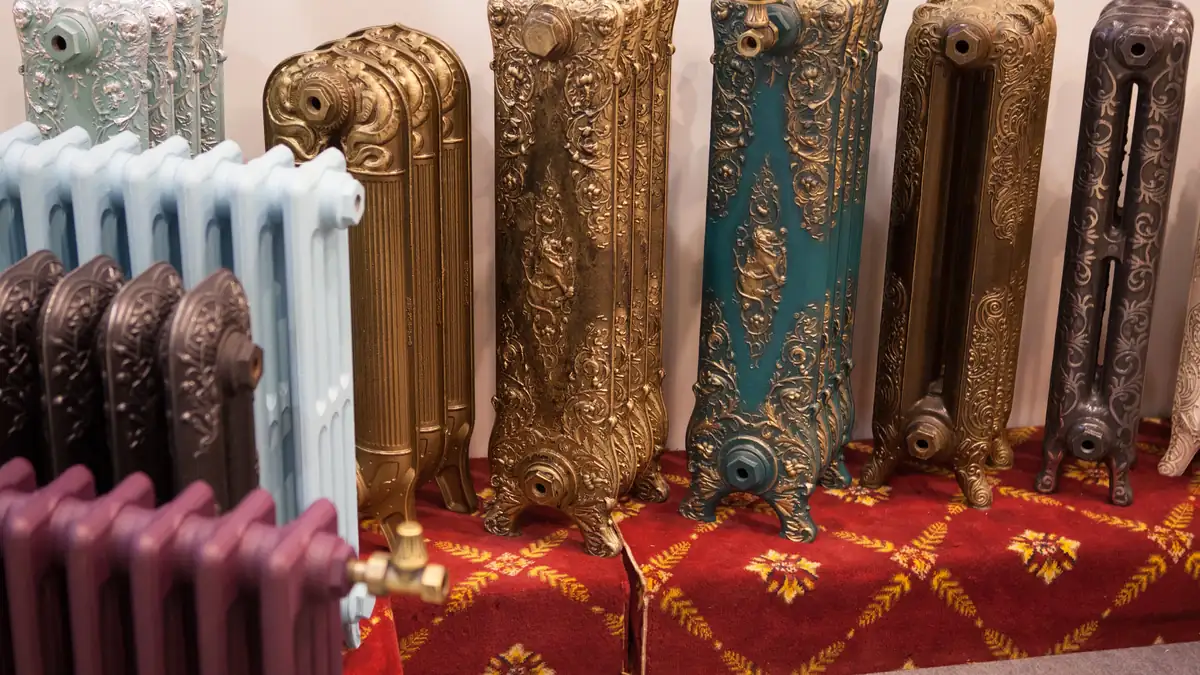
How do radiators work if they hold no fire and no fan? They work by surface and air movement. Warm water enters at one side of the radiator. It spreads through panels or columns inside the unit. The metal surface grows warm and heats the air touching it. Warm air rises, and cooler air moves in to take its place. Consequently, a slow circulation starts across the room. Over time, walls, floors, and furniture also absorb warmth.
Radiators do not warm a room in one instant. Instead, they build comfort gradually and evenly. A radiator near a cold window can offset chilly draughts. A radiator on an inner wall can spread warmth more evenly. However, placement alone does not decide comfort. Size, water temperature, and room insulation all play a part. In addition, furniture pressed hard against a radiator can block airflow. Space around the unit helps warm air move freely. That simple fact explains why clear space matters around radiators.
What Does a Thermostatic Radiator Valve Do?
A thermostatic radiator valve explained simply is a small control on a radiator. It senses the air temperature near that radiator. When the room reaches the chosen level, it reduces warm water flow. When the room cools, it opens the flow again. As a result, each room can hold its own comfort level. A sunny room, for instance, needs less heat than a shaded one. A bedroom may suit a cooler setting than a living room. The valve makes those differences possible without touching the main thermostat.
It helps to picture the valve as a local manager. The main thermostat manages the whole home. The radiator valve manages one room only. Similarly, a dimmer switch adjusts one light, not every light in the house. The valve works by sensing air, not by guessing. It reacts to real warmth in its own corner. Therefore, rooms warm at different rates yet stay comfortable. If a valve sticks or behaves oddly, a qualified heating professional can advise. No adjustment of internal parts belongs in a general guide like this one.
What Is a Wet Central Heating System?
What is a wet central heating system, and what makes it wet? It is a system that uses water as its heat carrier. The word wet refers to the water, nothing more. Pipes carry heated water from the boiler to each heat emitter. Radiators and underfloor pipes both count as emitters here. After giving off heat, the water returns to the boiler. In contrast, a forced-air system carries heat in air through ducts. Both warm whole homes, yet they move heat differently. Wet systems dominate in many regions because water carries heat efficiently through slim pipes.
A wet system also handles hot tap water in some designs. A diverter valve or a separate cylinder may direct heat toward taps when needed. That dual role adds complexity, but the heating loop stays familiar. Water still travels out warm and returns cooler. Pumps still drive the flow, and controls still govern the timing. For example, a home may heat rooms in winter and water all year. The boiler serves both needs through shared parts. Understanding the wet loop, therefore, unlocks most of the system.
What Is a Central Heating Circuit, and What Do Flow and Return Pipes Do?
What is a central heating circuit? It is the closed path that water follows around the home. The word circuit matters, since the path forms a loop. Water leaves the boiler, visits the radiators, and comes back again. Nothing about the loop is open-ended. The same water keeps travelling, lap after lap. In addition, branches split off toward different rooms. Each branch joins the loop and returns to it. Together, those branches form one connected network.
Central heating flow and return pipes are the two halves of that loop. Flow pipes carry warm water away from the boiler. Return pipes carry cooler water back toward it. Think of a road with two directions, each clearly marked. Warm water travels out on one side. Cooled water travels home on the other. Meanwhile, radiators sit between the two directions, like stops along the route. Water gives up heat at each stop, then rejoins the return journey. That steady two-way traffic keeps every room supplied.
How Does a Central Heating Pump Keep Water Moving?
A central heating pump explained in plain terms is a small motor that pushes water around the loop. Without it, warm water would rise slowly and unevenly. Distant rooms would warm late, if at all. The pump, however, gives the flow steady force. It draws cooler water back toward the boiler. It also pushes warmed water out toward the radiators. As a result, every branch receives flow in reasonable time. The pump usually sits near the boiler, where the loop begins.
Pumps run only when heat is called for, in most designs. They rest when the thermostat is satisfied. Modern pumps often adjust their speed to demand. When few radiators need heat, they run gently. When many need heat, they run harder. Consequently, energy use follows real need rather than guesswork. If circulation sounds uneven or rooms warm patchily, that is a matter for a qualified professional. The pump itself is not a part for casual tinkering, since it sits within a pressurised water system.
How Does a Diverter Valve Work?
How does a diverter valve work inside a combination system? It directs heat toward one job at a time. When a hot tap opens, the valve sends boiler heat toward tap water. When the tap closes, it sends heat back toward the radiators. In short, it acts like a railway junction for heat. One track leads to heating, and another leads to hot water. The valve switches the track based on demand. Therefore, one boiler can serve two needs without heating both at once.
This switching happens automatically, guided by the system controls. A homeowner does not flip the valve by hand. Sensors and controls detect the call for hot water. The valve then moves to favour that call. Meanwhile, radiators pause briefly while taps run. After the tap closes, heating resumes its normal path. For instance, a morning shower may briefly pause room heating. Comfort returns quickly once the shower ends. That brief trade-off keeps one boiler doing two jobs well.
How Does a Thermostat Control Heating?
How does a thermostat control heating across a whole home? It watches temperature and decides when heat is needed. A sensor inside it measures the surrounding air. A setting chosen by the household marks the target. When air falls below that target, the thermostat calls for heat. When air reaches the target, it ends the call. In addition, many thermostats follow a schedule across the day. They may warm the home before waking and ease off overnight. The boiler and pump obey those calls, not the other way around.
Placement shapes how well a thermostat works. A thermostat in a draughty hallway may misread the home. One beside a sunny window may sense false warmth. Similarly, one above a radiator reads heated air, not room air. A central, sheltered spot usually gives a fairer reading. Smart thermostats add remote control and learning patterns. They still rest on the same simple idea, though. Sense the air, compare it with the target, and call for heat only when needed. If heating behaviour seems puzzling, a qualified professional can check the controls and sensors.
What Is Zone Heating, and How Do Zone Valves Divide a Home?
Zone heating explained simply means dividing a home into separately controlled areas. Each zone has its own thermostat or control. Each zone also has its own valve on the pipework. When one zone calls for heat, its valve opens. When it reaches its target, its valve closes. Other zones continue on their own settings. As a result, a lived-in ground floor can stay warm while empty bedrooms stay cooler. That division saves energy and suits different routines.
Zone valves are motorised gates within the pipe network. They open and close in response to their zone thermostat. A programmer or controller coordinates the timing across zones. For example, bedrooms may warm in the evening, while living spaces warm earlier. Meanwhile, unused zones rest quietly. The boiler responds to whichever zones call for heat. In short, zoning turns one system into several small systems sharing one heat source. It is a control idea, not a separate boiler for each room.
How Does a Furnace Heating System Work?
How does a furnace heating system work, and how does it differ from a boiler? A furnace heats air, not water. Fuel burns inside it, or electric elements warm up. A heat exchanger warms the air passing over it. A blower fan then pushes that warm air through ducts. Vents in each room release the air into living spaces. Cooler room air returns through separate ducts for reheating. Therefore, the loop moves air rather than water, yet the pattern feels familiar.
The controls echo the boiler system closely. A thermostat senses room temperature and calls for heat. The furnace fires, the blower runs, and rooms warm. When the target arrives, the system rests. In addition, the same duct network may carry cooled air in summer, where cooling equipment is present. That shared ductwork explains the popularity of furnaces in some regions. One network serves both seasons. By contrast, a wet system needs separate arrangements for cooling. Each approach suits different climates, housing styles, and building traditions.
How Do Radiators Compare with Underfloor Heating?
Radiators vs underfloor heating explained side by side starts with one difference: surface area. Radiators concentrate heat on one wall. Underfloor pipes spread heat across the whole floor. A floor, therefore, becomes one large, gentle emitter. Rooms warm evenly from the ground upward. Feet feel warmth first, which many people find pleasant. Radiators, however, respond faster to a call for heat. Their smaller mass warms quickly and cools quickly too.
Underfloor systems usually run at lower water temperatures. That gentle warmth suits condensing boilers well. Radiators often run warmer to heat a room from one spot. In addition, underfloor pipes hide beneath the floor, freeing wall space. Radiators need wall space and clear airflow around them. Cost, building type, and floor finish all shape the choice. Neither option is universally better, since homes differ widely. A qualified heating professional can explain which pattern suits a particular building. The physics, though, stays the same: warm a surface, and the room follows.
What Should You Picture When You Hear a Heating System Running?
Picture one quiet loop, working in the background of daily life. A thermostat notices cooling air and calls for heat. A boiler or furnace creates warmth at a central point. Water or air carries that warmth to every room. Radiators, floors, or vents release it gently. Controls then pause the system once comfort returns. Meanwhile, valves fine-tune individual rooms and zones. That picture holds for wet systems, furnace systems, and underfloor layouts alike. Only the carrier and the emitter change.
Understanding that loop also explains everyday experiences. Rooms warm gradually rather than instantly. One room may feel warmer than another. A system may rest on mild days and run longer in cold snaps. If heat stops entirely, or rooms stay cold unevenly, contact a qualified professional. Gas, pressurised water, and electrical parts all demand trained handling. For readers comparing homes, though, the loop itself is enough. One source, one carrier, many rooms, and controls in between: that is how central heating works.
For a broader sense of how home comfort services fit together, see heating comfort at home. The wider world of home climate control also includes cooling, as shown in air conditioning services. Systems thinking helps too, and HVAC insights on safety and efficiency place heating within the larger climate picture. Comfort at home extends beyond temperature, as home care and comfort explores. Living spaces themselves shape comfort, from outdoor living spaces to personalised home services. Finally, care within the home matters as much as warmth, as at-home care services describes.




