
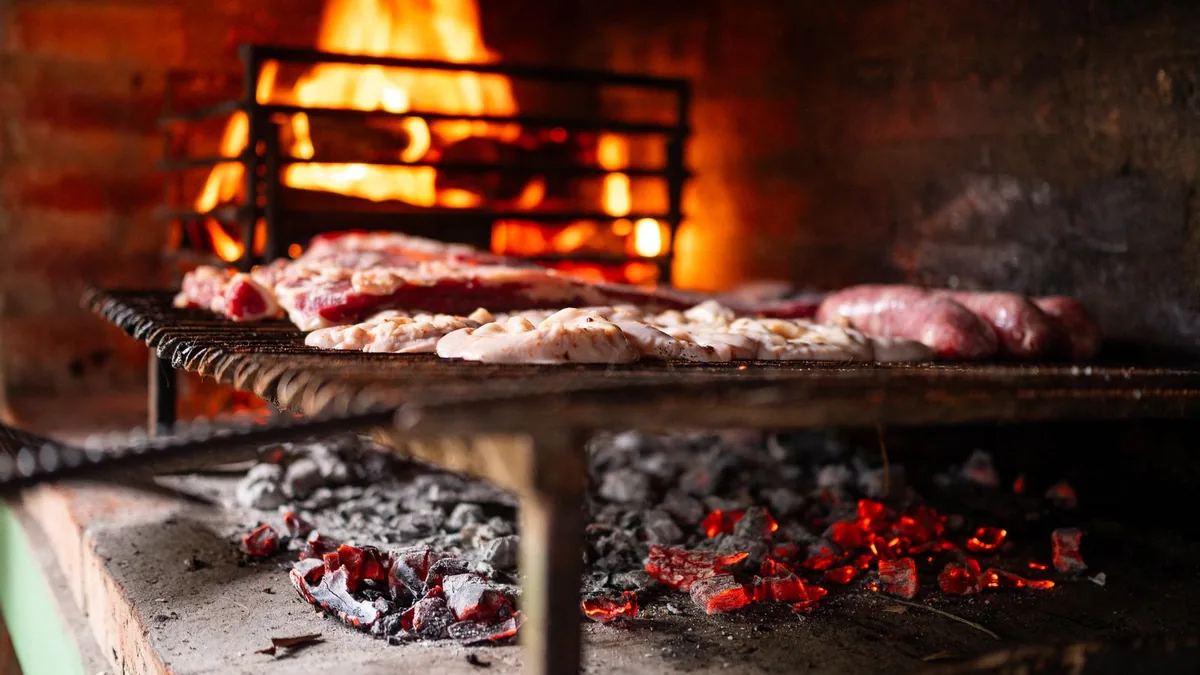
Good barbeque techniques start with one honest choice. Either you cook fast over fierce heat, or you cook gently beside it. Indeed, almost every grill success or failure follows from that single decision.
This guide compares the two core options in plain language. Firstly, it explains direct grilling and the foods that love it. Secondly, it explains indirect grilling and the low and slow barbecue tradition. Finally, it shows you how to combine both methods with confidence.
The Simple Rule That Decides Your Method
Thickness and time should always choose the method for you. For example, thin foods that cook within about twenty minutes suit direct heat. In contrast, thick foods that need much longer belong beside the fire.
Ask yourself one practical question before you light anything at all. How long will this food honestly need at the grate? Admittedly, that answer feels basic, yet it prevents most burnt dinners. Consequently, experienced cooks decide the zone before they decide the seasoning.
Your outdoor space shapes the routine more than people expect. A well-planned cooking corner on a deck makes fire management calmer and safer. If you are improving that space, this guide to home deck services in Rockford for outdoor living shows how layout supports entertaining. Similarly, a clear and stable grill spot helps every method work better.
Method One: Direct Grilling Over the Fire
Direct grilling places food straight above glowing coals or lit burners. Heat rises directly into the food from below at close range. As a result, surfaces brown quickly and develop crisp edges and deep flavour.
Think of this method as the outdoor version of broiling. A steak over direct heat sears hard within a few minutes. Meanwhile, the inside cooks through because the cut is relatively thin. However, that same fierce heat can scorch thick food before its centre cooks.
What Direct Heat Does Best
Searing is the great strength of the direct zone. High heat creates the browned crust that most people picture with grilling. Moreover, those dark grate marks signal flavour, not just decoration on the surface.
Speed is the other clear advantage of this approach. Burgers, sausages, and kebabs finish quickly over a direct fire. Therefore, direct heat suits busy weeknight cooking and hungry crowds equally well. In addition, vegetables char sweetly when they meet that direct intensity briefly.
Foods That Suit Direct Grilling
Grilling burgers and steaks is the classic direct-heat job in most gardens. Thin chops, skewers, prawns, and firm fish fillets also belong there. For example, asparagus, peppers, and courgette slices love a short direct blast.
Learning how to sear steak on a grill starts in this zone. You need a hot grate, dry meat, and patience before the first turn. Furthermore, you should move the steak only when it releases easily. Otherwise, tearing replaces searing, and the crust stays behind on the bars.
Method Two: Indirect Grilling Beside the Fire
Indirect grilling places food beside the heat, never directly above it. Hot air then circulates around the food under a closed lid. Consequently, your grill behaves much like a kitchen oven outdoors.
Gentle circulation changes everything about the cooking experience. Thick joints cook evenly without a burnt exterior hiding a raw centre. Additionally, fatty foods drip away from the flames instead of onto them. As a result, flare-ups drop sharply during longer and calmer cooks.
Where Low and Slow Barbecue Fits In
Low and slow barbecue is simply indirect cooking taken much further. Pit temperatures commonly sit in a gentle range around 225 to 250 degrees Fahrenheit. At that pace, tough connective tissue softens slowly over many hours. Eventually, chewy cuts become tender enough to slice or pull apart.
Barbecue ribs and brisket built their reputations on this patient approach. A whole pork shoulder also rewards the same slow and steady treatment. In contrast, rushing these cuts over direct heat makes them tough and dry. Therefore, time itself becomes an ingredient in true barbecue cooking.
Foods That Suit Indirect Grilling
Whole chicken on the grill is the perfect beginner indirect cook. The bird roasts evenly, and its skin browns without sitting over flames. Similarly, large roasts and thick bone-in joints thrive in this gentle zone.
Ribs, brisket, and pork shoulder need hours rather than minutes to tenderise. Delicate whole fish also prefers indirect heat over harsh direct flames. Moreover, sugary sauces and glazes survive indirect cooking without burning so quickly. Finally, thick steaks often start indirect before a short direct finish.
Restaurant kitchens teach the same lesson about matching heat to the food. Island grilling traditions, for instance, appear in this feature on Straw Hat Restaurant in Anguilla and its dining experience. Likewise, steakhouse cooking shows how controlled heat protects expensive cuts from scorching. You can see that respect for heat in this look at a Hempstead seafood restaurant and STK culinary experience.
Setting Up a Two-Zone Fire, Step by Step
A two-zone grilling setup gives you both methods on one grate. One side runs hot for searing and quick cooking tasks. Meanwhile, the other side runs cooler for finishing and resting food safely.
Flexibility is why professionals rarely cook over a single uniform fire. A flare-up, for example, becomes harmless when a safe zone waits nearby. Simply slide the food sideways and let the flames settle down again. Consequently, the two-zone grilling setup turns panic moments into minor adjustments.
Two Zones on a Charcoal Grill
Light your charcoal in a chimney until the coals ash over. Then bank the glowing coals firmly against one side of the grill. Leave the other half of the charcoal grate completely empty of fuel. Place a drip pan under the cooler side if you like.
That empty side becomes your indirect zone for the whole cook. Food there receives circulating heat rather than direct radiant punishment from below. Furthermore, the pan catches drips and keeps the grill cleaner afterwards. In short, one pile of coals creates two very different kitchens.
Two Zones on Gas and Pellet Grills
Gas grills create zones through their burner controls instead of coal placement. Leave one burner lit and switch the others off completely. Food over the unlit burners then cooks indirectly under the lid.
Pellet grills work differently, because most cook indirectly by design already. Their fans circulate heat around the food from a shielded fire pot. However, many pellet models still offer a hotter area for finishing. Comparing a pellet grill vs gas grill setup, therefore, is really about control style. Gas answers instantly, whereas pellets hold gentle temperatures with less attention.
Choosing Fuel for Each Method
Charcoal remains the traditional fuel behind both grilling methods described here. Briquettes burn steadily and predictably, which helps during long indirect cooks. Lump charcoal, meanwhile, burns hotter and faster for aggressive direct searing. Each type, therefore, suits a slightly different job in your garden.
Gas offers convenience that charcoal simply cannot match on busy evenings. You turn a knob, wait briefly, and start cooking almost immediately. Admittedly, gas gives a cleaner flavour without natural wood smoke underneath. Nevertheless, reliable heat control makes gas excellent for precise two-zone cooking.
Pellets sit comfortably between convenience and smoke flavour for many cooks. A pellet grill feeds fuel automatically and holds set temperatures steadily. As a result, pellets shine during low and slow barbecue sessions. Wood chunks or chips, in addition, can add gentle smoke on charcoal. Use that smoke lightly, because harsh smoke quickly overwhelms good meat.
As you refine your barbeque skills and choose between direct and indirect methods, it’s essential to recognize the broader culinary context in which these techniques thrive. Just as the choice of grilling method can elevate a simple meal into a culinary masterpiece, the celebration of food through communal experiences can transform individual enjoyment into a shared passion. Food festivals serve as vibrant platforms where diverse cooking styles, including barbeque, are showcased, allowing attendees to explore a multitude of flavors and techniques. Understanding how food festivals work can enhance your appreciation of these culinary gatherings, highlighting the intricate relationship between preparation methods and the cultural significance of food in our lives. Such events not only nurture a sense of community but also inspire both amateur and professional chefs to innovate and share their culinary journeys with others.
Vents, Lids, and Temperature Control
Charcoal grill temperature control depends mainly on oxygen reaching the coals. Open vents feed the fire and push temperatures upward quite quickly. Partially closed vents starve the fire and bring temperatures down again. Small vent changes, therefore, work better than dramatic and impatient swings.
Grill vents and airflow deserve respect on every long cook you attempt. Bottom vents usually control how much air enters the fire itself. Top vents, in contrast, let heat and smoke escape the cooking chamber. Keep the top vent at least partly open during most cooks. Otherwise, stale smoke can linger and leave food tasting bitter afterwards.
Lid Discipline Makes or Breaks a Cook
Every lid lift dumps the hot air your grill worked to build. Temperature then falls, and the fire surges when oxygen rushes in. Consequently, constant peeking lengthens cooking times and destabilises gentle indirect cooks badly.
Closed lids are essential for indirect grilling from start to finish. The lid traps heat and lets it circulate around the food evenly. For direct grilling, however, you may cook briefly with the lid open. Thin foods, for example, sometimes finish before a closed lid matters. Still, closing the lid during flare-ups starves flames of oxygen helpfully.
Reading Temperature Without Guessing
A meat thermometer internal temperature reading beats guesswork every single time. Lid dials often sit far from the food and read inaccurately. Therefore, a grate-level probe tells you the temperature your food actually feels. Similarly, an instant-read probe checks doneness in seconds at the end.
Widely used food safety guidance offers clear general targets for home cooks. Poultry, for example, is generally guided to 165 degrees Fahrenheit in its thickest part. Ground beef commonly follows guidance of 160 degrees Fahrenheit for safety. Steaks and chops, meanwhile, commonly follow 145 degrees plus a short rest. Treat brisket differently, because tenderness there often arrives around 195 to 203 degrees. Always check current official guidance for your country before you cook.
Planning the wider menu around the grill also deserves a little thought. Balanced sides stop rich barbecue from overwhelming everyone at the table completely. If that planning feels hard on busy weeks, these ideas on smarter food choices for busy women offer a useful starting point. Similarly, a simple salad and grilled vegetables balance smoky meat beautifully.
Combining Both Methods in One Cook
Many great meals use direct and indirect heat in the same session. Thick steaks, for instance, often sear first and then finish indirectly. Bone-in chicken, similarly, can brown directly before moving sideways to cook through. This combined approach, as a result, delivers crust and juiciness together.
The reverse sear method simply flips that familiar order around completely. You cook the meat gently indirect until it nears your target temperature. Then you sear it briefly over fierce direct heat at the end. Consequently, the inside stays evenly coloured while the outside crisps beautifully. Many cooks, moreover, find the reverse sear method easier to judge accurately.
Entertaining becomes easier once you trust this two-method rhythm at home. Guests can gather outside while the grill quietly handles most of the work. That relaxed garden feeling is exactly what this roundup of the best places to visit for rest and relaxation celebrates in travel form. Likewise, a spring barbecue trip through barbecue country inspires plenty of cooks. This guide to places to visit in Texas in spring captures that outdoor spirit well.
Resting: The Quiet Step People Skip
Resting grilled meat is not wasted time at the end of cooking. Hot juices move toward the centre while meat sits on the fire. Cutting immediately, in contrast, spills those juices across the board wastefully. A short rest, therefore, keeps more moisture inside every single slice.
Small items need only a brief pause before you serve them. Steaks and chops, for example, often rest for about five to ten minutes. Larger joints and whole birds benefit from a longer and looser rest. Brisket, meanwhile, may rest for an hour or more before slicing. Cover food loosely during resting, because tight wrapping steams the crust soft.
Tenderness judgements matter alongside temperature on the longest barbecue cooks. Ribs are often judged by how the meat pulls from the bone. Brisket, similarly, should feel tender when a probe slides in smoothly. Times and temperatures, therefore, guide you, but tenderness confirms the finish. Finally, slice brisket against the grain so every bite feels tender.
Common Grilling Mistakes and Easy Fixes
Spreading coals evenly across the whole grill causes endless avoidable trouble. You lose your safe zone and your temperature control in one move. Bank the fuel instead, and keep one side deliberately free of coals. That single habit, moreover, fixes flare-ups and burning almost immediately afterwards.
Cooking everything over maximum heat is another classic and costly error. Delicate fish sticks, sugary sauces burn, and thick chicken chars outside first. Match the method to the food, as this guide keeps repeating. In addition, let the grill preheat properly before any food touches it. Cold grates, for instance, grip food and tear delicate surfaces badly.
Saucing too early burns sugar long before the meat finishes cooking. Apply sweet glazes near the end, especially over direct heat. Furthermore, pressing burgers with a spatula squeezes precious juices into the flames. Similarly, moving food constantly prevents the crust from forming properly underneath. Leave it alone, let the heat work, and turn it once confidently.
Skipping the thermometer creates the final and most frustrating common mistake. Colour and touch mislead even experienced cooks under garden lighting conditions. A cheap probe, in contrast, removes doubt for a very small investment. Consequently, doneness becomes repeatable instead of lucky from one cookout to another.
Comparing your results with restaurant plates can sharpen your judgement over time. Notice crust, juiciness, and smoke levels whenever you eat grilled food out. This survey of the best Brockway PA restaurants for dining experiences shows how varied good cooking can be. Use those meals, in short, as delicious homework for your grill.
Safety Basics Every Grill Cook Needs
Position your grill outdoors on a stable surface, away from walls. Keep children and pets clear of the hot cooking area always. Moreover, never leave a lit grill completely unattended during any cook. Grease fires grow quickly, and early attention prevents small flames becoming dangerous.
Handle raw and cooked meat with separate tools and separate plates. Wash hands after touching raw poultry, and clean boards thoroughly afterwards. Furthermore, keep a spray of water and long tongs within easy reach. Avoid loose clothing near flames, because sleeves catch heat surprisingly fast. Finally, let charcoal ash cool completely before you dispose of it safely.
Food safety continues after the cooking itself has finished for everyone. Refrigerate leftovers promptly instead of leaving them outside in warm air. Discard food that sat out for hours during a long party. Similarly, reheat leftovers thoroughly before serving them again the next day. These habits, as a result, protect the people you cooked for.
Quick Answers to Common Questions
Which method should a complete beginner learn first?
Start with the two-zone setup and a simple indirect chicken cook. That setup forgives mistakes, because the safe zone always rescues food. Moreover, one successful whole chicken teaches lid control and vent control together.
Can you use both methods on a small grill?
Yes, you can, although the zones become smaller and closer together. Bank coals tightly to one side and keep portions modest in size. In addition, a small drip pan helps separate the two zones clearly.
Why does food burn outside but stay raw inside?
Direct heat is usually too fierce for that food’s thickness and density. Move it to the indirect zone and close the lid calmly. Consequently, the centre will catch up without the surface burning further.
Do you need wood for real barbecue flavour?
No, you do not, because charcoal itself already gives a grilled flavour. Wood simply adds another layer of smoke on top of that base. Use small amounts at first, however, and judge the result honestly afterwards.
Bringing the Two Methods Together
Barbeque techniques become simple once heat placement becomes a conscious choice. Direct grilling gives you speed, searing, and crisp and charred edges. Indirect grilling, in contrast, gives you gentleness, even cooking, and tender results.
Your next cookout is the perfect place to practise both methods deliberately. Sear the burgers and sausages over the coals like a confident cook. Meanwhile, let a chicken or rack of ribs finish quietly beside them. Finally, rest everything properly, slice it proudly, and enjoy the difference.




