
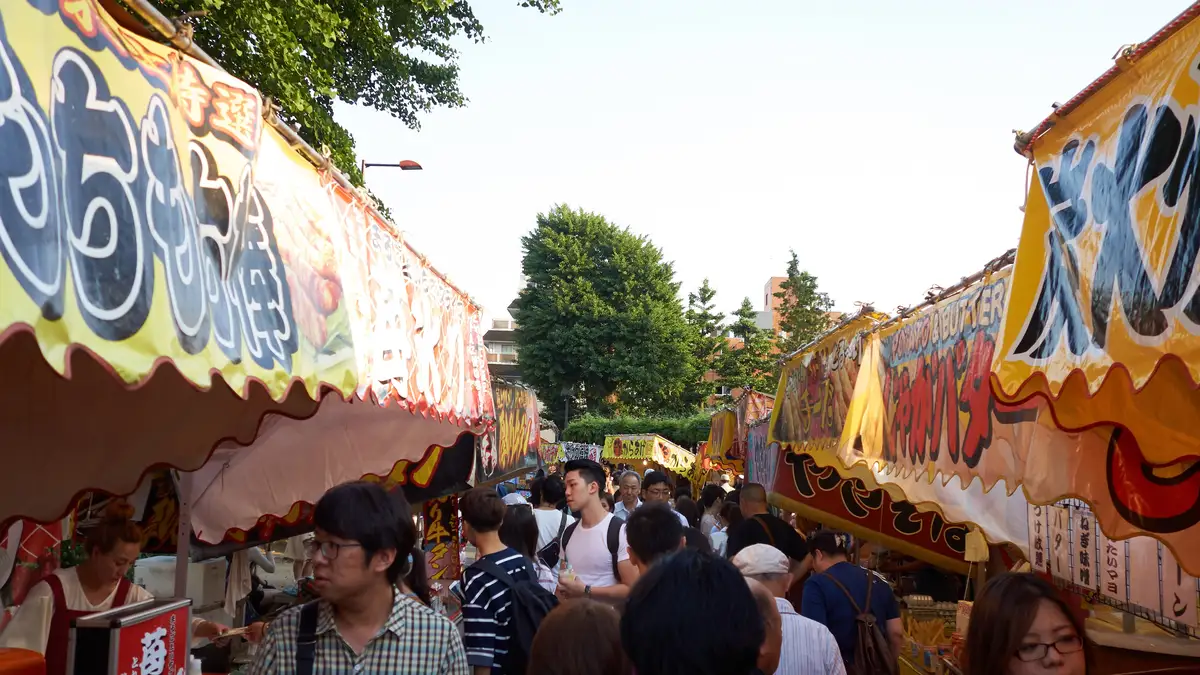
A food festival turns an ordinary open space into a busy celebration of eating, cooking, and sharing. Stalls line the walkways, aromas drift from grills and steamers, and visitors wander with plates, cups, and curiosity. This guide offers food festivals explained in plain language, without focusing on one famous event or one single dish. Instead, it looks at the whole system behind the celebration, so you can understand how such gatherings are planned, staffed, and enjoyed.
Learning how food festivals work is useful because these events appear in towns, cities, parks, and market squares across the globe. Some last for a single afternoon, while others run for several days with music, demonstrations, and competitions. In addition, the same basic pattern repeats in many places, even when the food itself changes completely. By studying that pattern step by step, you can read any festival more clearly and enjoy it with greater confidence.
What Is a Food Festival, Really?
At its simplest, a food festival is a planned public gathering where food takes centre stage. Visitors come to taste, watch, learn, and celebrate, rather than simply to buy a quick meal. Organisers choose a theme, invite stallholders, arrange a site, and set a schedule for the day. Therefore, a festival feels different from an ordinary shopping trip, because eating becomes the main event itself.
Many festivals celebrate one ingredient, one cooking style, or one local tradition. Others bring many kinds of food together under a broad theme, such as harvest, street cooking, or seasonal produce. However, the shared idea stays the same in every case. Food becomes a reason for people to gather, talk, and spend time together in a public place.
For this reason, food festival systems include far more than cooking alone. Seating, waste collection, water supply, safety checks, and clear walkways all shape the visitor experience. Similarly, signs, maps, and timetables help visitors find what interests them without confusion. When those parts work together, the festival feels relaxed and welcoming from arrival to departure.
How Do Food Festivals Work From the Inside?
Behind the cheerful surface, a festival runs like a small temporary town. Organisers divide the site into zones for cooking, eating, entertainment, and services. Stallholders set up in marked pitches, often with power, water, and waste facilities nearby. Meanwhile, staff manage entrances, queues, cleaning, and safety throughout the day.
Timing matters greatly in this system. Cooking must start early enough for food to be ready when gates open. Deliveries arrive before visitors, and cold storage keeps ingredients fresh during warm weather. As a result, much of the hardest work happens before the first visitor tastes anything at all.
Communication holds the whole operation together. Stallholders need clear rules about space, equipment, and opening hours. Visitors need clear information about facilities, programmes, and any changes during the day. Consequently, organisers often use announcements, printed maps, and visible staff to keep everyone informed.
Who Plans a Food Festival, and What Do They Decide?
Planning usually begins months ahead, with a small team shaping the festival idea. That team chooses the theme, the dates, the venue, and the overall size of the event. In addition, the team decides how many stalls the site can hold without crowding walkways or blocking emergency access.
Food festival organisation explained in simple terms covers four broad choices. Firstly, organisers select stallholders who fit the theme and offer enough variety. Secondly, they arrange practical services such as power, water, toilets, and first aid. Thirdly, they plan entertainment, talks, or demonstrations that support the food theme. Finally, they set rules for safety, hygiene, and waste handling.
Local authorities often play a part in larger events. Permits may cover road closures, noise limits, food safety checks, and crowd management. Organisers therefore work with councils, suppliers, and community groups long before the festival opens. That cooperation explains why well run festivals feel orderly, even when crowds grow large.
Entertainment deserves attention during planning, because music and shows shape the mood of the day. A varied programme can give visitors reasons to stay longer and return later. For a wider view of how live acts and event programmes come together, see this guide to interactive event entertainment and the people behind it. Music alone never makes a food festival, yet it often turns a market into a celebration.
What Happens at Food Festival Stalls?
Stalls form the heart of every festival, and food festival stalls explained simply means understanding each stall as a tiny kitchen. Every stall has a cooking area, a serving counter, and a small storage space for ingredients and equipment. Stallholders prepare dishes in view of visitors, which adds theatre and trust to the experience.
Menus at festival stalls tend to stay short on purpose. A small menu lets cooks work quickly, keep ingredients fresh, and serve long queues without delay. Visitors, meanwhile, can scan choices at a glance and decide without blocking the walkway. As a result, festival food often suits eating while standing, walking, or sitting on nearby benches.
Grilling, frying, steaming, and baking all appear at festivals, depending on the theme and the equipment available. Smoke and sizzle draw attention, while steam and fresh herbs signal that cooking happens close by. For readers curious about open fire cooking at home and at events, this explainer on barbeque techniques and two methods to consider describes how heat and smoke shape flavour. At a festival, however, the same techniques serve a crowd rather than a single household.
Stallholders also handle money, orders, and questions at the same time. Clear menus, visible prices at the stall, and friendly service help queues move steadily. In addition, many stalls offer small tasting portions, so visitors can sample several flavours during one visit. That tasting pattern sets festivals apart from ordinary meals, where one dish usually fills the whole occasion.
What Are the Main Food Festival Types?
Food festival types vary widely, yet most events fall into a few broad groups. Ingredient festivals celebrate one food, such as strawberries, cheese, chillies, or seafood. Cooking style festivals focus on a method, such as grilling, baking, or street cooking. Cultural festivals, by contrast, present the food traditions of a community, region, or country.
Seasonal festivals follow harvests and holidays, marking moments when particular produce feels fresh and plentiful. Competitive festivals add contests, such as cook offs, tasting panels, or awards for stallholders. Educational festivals lean towards demonstrations, talks, and workshops, where visitors learn techniques rather than simply eating.
Some festivals mix several of these ideas in one programme. A harvest event might include cooking contests, tasting stalls, and talks about growing food. Similarly, a cultural festival might combine music, dance, and craft stalls beside the food. That blend keeps the day interesting for families, curious eaters, and keen cooks alike.
Small town festivals offer a useful contrast with huge city events. A local celebration often grows from community groups, schools, or charities, and the atmosphere feels personal and relaxed. One published account of the fun at the Newberg Old Fashioned Festival shows how a community gathering can centre on shared enjoyment. Large festivals, on the other hand, draw visitors from far away and need stronger transport, security, and crowd planning.
How Is a Food Fair Different From a Festival?
People often use the words fair and festival as if they mean the same thing. A food fair explained carefully, however, usually describes a broader event where food appears beside other attractions. Rides, games, crafts, and shows may share the site, while food stalls form only one part of the day. Festivals, by contrast, place food at the centre of the whole programme.
That distinction matters for visitors choosing where to spend a day. At a fair, food competes with many other activities for attention and space. At a festival, tasting, cooking, and learning about food shape nearly every stall and stage. Therefore, a visitor seeking new flavours may prefer a festival, while a visitor seeking variety may enjoy a fair.
Markets raise a similar question, and a short comparison shows how food markets differ festivals in rhythm and purpose. Markets usually repeat weekly, serve everyday shopping needs, and focus on fresh produce and staples. Festivals usually happen occasionally, celebrate a theme, and invite visitors to taste and linger. In short, markets feed routine life, while festivals mark special occasions.
Neighbourhood markets still share ground with festivals, because both bring producers and eaters face to face. Community stalls, local growers, and small traders often appear at both kinds of gathering. For insight into how small local sellers reach nearby customers, this look at how neighbourhood marketplaces are owning the online game describes the local trading spirit. Festivals borrow that spirit, then add celebration, performance, and shared tasting.
How Do Street Food Events Fit Into the Picture?
Street food events explained in brief terms describe gatherings built around food cooked and served outdoors. Vendors work from stalls, carts, or trucks, and visitors eat standing, walking, or seated at shared tables. The format suits busy streets, squares, and parks, where cooking smoke and music quickly create atmosphere.
Street food differs from restaurant dining in several clear ways. Portions tend to be smaller, menus stay shorter, and service moves faster. Visitors can try several stalls in one outing, comparing flavours without committing to a full sit down meal. Consequently, street food events reward curiosity and suit groups with different tastes.
Festivals often include a street food area within a larger programme. That area gives visitors an easy starting point, especially when the wider festival includes talks or shows. On the other hand, a standalone street food event may focus entirely on vendors, with little extra programming. Both formats count as food events, yet they offer different kinds of days out.
Restaurants still matter in this picture, because many festival visitors also enjoy sit down meals elsewhere. A festival stall cannot replace a full restaurant kitchen, with its wider menu and longer service. For readers interested in restaurant dining as a separate experience, this guide to the best Brockway PA restaurants for unforgettable dining experiences describes eating out in a different setting. Festivals and restaurants complement each other, rather than competing for the same moment.
What Role Does Culture Play at a Food Festival?
Culture sits at the centre of many festivals, and food festival culture explained means looking beyond taste alone. Recipes carry memories of family kitchens, seasonal work, migration, and celebration. When stallholders cook traditional dishes in public, they share those memories with visitors who may never have tasted them before.
Music, dance, clothing, and storytelling often accompany the food at cultural festivals. Those elements help visitors understand the setting behind each dish, from harvest customs to holiday traditions. As a result, eating becomes a form of learning, not merely a way to fill hunger.
Respect matters greatly at cultural events. Stallholders present their own traditions, rather than performing a simplified version for outsiders. Visitors, meanwhile, can show interest by asking questions, listening, and tasting with an open mind. In addition, organisers can support authenticity by inviting community cooks and makers, rather than relying only on commercial traders.
Food also builds bridges between groups who might rarely meet otherwise. Shared tables, tasting portions, and cooking demonstrations give strangers natural reasons to talk. Overall, the cultural value of a festival lies in that exchange, where food opens conversation across ages, backgrounds, and tastes.
How Have Food Festivals Changed Over Time?
Food festival history basics begin with markets, fairs, and harvest gatherings from earlier centuries. Farmers once brought produce to town squares, where trading mixed with music, games, and seasonal celebration. Religious holidays and harvest endings gave communities fixed moments to gather, eat, and share surplus food.
Towns gradually formalised those gatherings, adding charters, rules, and regular dates. Traders gained fixed pitches, while visitors learned when and where to expect the event each year. Over time, fairs grew into larger public occasions, with entertainment and craft stalls joining food traders.
Modern festivals kept that old pattern, while adding new layers of organisation. Food safety rules, crowd planning, and professional staging now support events of every size. Meanwhile, media coverage and travel guides spread news of festivals far beyond their home towns.
Recent decades brought further change, as interest in regional cooking, street food, and food education grew. Festivals began to feature chefs, authors, and growers alongside traditional stallholders. Consequently, many events now blend celebration with learning, offering talks and demonstrations beside tasting stalls.
What Do Food Festivals Look Like Around the World?
Food festivals around the world share a common shape, even though flavours and customs differ greatly. Stalls, crowds, music, and shared eating appear in many countries, adapted to local ingredients and seasons. A visitor who understands the basic system can therefore enjoy festivals in unfamiliar places with greater ease.
Climate shapes festival design in clear ways. Warm regions favour shaded stalls, cold drinks, and evening openings, while cooler regions favour hearty cooking and sheltered seating. Seasonal produce also guides themes, since festivals often celebrate whatever grows nearby at that time of year.
Street layouts matter just as much as climate. Narrow old streets suit small stalls and walking routes, while large parks suit bigger stages and picnic areas. Organisers adapt stall sizes, queue systems, and seating to the ground available. In contrast, indoor halls suit festivals in wet or cold seasons, where shelter matters most.
Travellers often plan trips around food events, pairing a festival visit with wider sightseeing. Guides to places and routes help visitors understand a destination before arrival. For example, this guide to places to visit in Japan off the beaten path shows how food and travel interests often overlap. Festivals reward that kind of planning, because dates, venues, and themes vary from place to place.
What Should Visitors Know Before They Go?
A good food festival visitors guide starts with simple preparation. Visitors should check dates, opening hours, venue maps, and transport options before setting out. Comfortable shoes, weather appropriate clothing, and a small bag for purchases make the day easier. Moreover, arriving early often means shorter queues and a calmer first look around.
Tasting strategy helps visitors make the most of a festival. Sharing portions with companions lets a group sample more stalls without waste. Small tastes, water between rich dishes, and breaks for seating keep energy steady through a long day. Furthermore, visitors with allergies or dietary needs should ask stallholders directly about ingredients, since menus at stalls stay brief.
Choosing what to try can feel overwhelming when dozens of stalls compete for attention. Smarter choices come from scanning the whole site first, noting which stalls draw steady queues, and picking a mix of familiar and unfamiliar flavours. For everyday eating wisdom that also suits festival days, this guide to smarter food choices tips for busy women offers practical ideas about balanced decisions. At a festival, however, curiosity matters as much as routine, so visitors can balance adventure with comfort.
Safety and courtesy round out the visitor guide. Visitors should follow signs, keep walkways clear, and dispose of waste in marked bins. Children need close supervision near cooking equipment and crowded queues. In short, thoughtful behaviour keeps the festival pleasant for stallholders and fellow visitors alike.
How Do Community Food Events Differ From Large Festivals?
Community food events explained in plain terms describe smaller gatherings organised by local people. Schools, charities, places of worship, and neighbourhood groups often run these events with volunteer help. Funds raised may support local projects, while the food itself reflects home cooking and local traditions.
Scale marks the clearest difference between community events and large festivals. Community events usually use a hall, school ground, or small park, with a handful of stalls. Large festivals, by contrast, may fill a town centre, employ professional staging, and attract visitors from distant regions. Both formats matter, yet they serve different purposes.
Community events also feel more personal, because organisers and stallholders often know many visitors by name. Conversations last longer, children play nearby, and regulars return year after year. Large festivals offer wider variety and spectacle, while community events offer familiarity and warmth.
Volunteers power many community events, handling cooking, serving, cleaning, and ticket sales. That shared effort strengthens local bonds, since neighbours work together towards a common goal. As a result, community food events often leave a lasting social mark, long after the last plate clears.
Why Do Food Festivals Keep Drawing Crowds?
Food festivals endure because they combine several human pleasures in one place. Eating, music, learning, and socialising happen together, without the formality of a restaurant or the routine of a weekly shop. Visitors leave with new tastes, new stories, and often new favourite dishes.
Festivals also support local economies in visible ways. Stallholders, growers, and makers reach new customers, while nearby shops and transport services gain extra visitors. Communities gain pride when their food traditions attract attention and respect. Consequently, festivals often return year after year, growing slowly with local support.
For newcomers, food events explained as systems rather than single occasions make the whole scene less mysterious. Stalls, organisation, culture, history, and visitor habits fit together into one understandable pattern. Once that pattern clicks, every festival becomes easier to enjoy, whether large or small, local or far away.
Next time you wander past rows of stalls and rising cooking aromas, pause and notice the system at work. Organisers planned the layout, stallholders prepared the food, and visitors brought the celebration to life. That shared effort explains why food festivals keep drawing crowds, season after season, in towns and cities everywhere.




