
The Southeast of the United States packs an astonishing amount into one region. Within a single road trip, you can walk cobblestone streets in Charleston, hear live music in Nashville, and watch mist lift off the Smoky Mountains. Meanwhile, the coast pulls you in a completely different direction. Barrier islands, shrimp boats, and pastel beach towns line the Atlantic and the Gulf, and each one feels distinct.
So, where should you actually go first? This guide to the top places to visit in the Southeast answers that question honestly. Below, you will find historic cities, mountain towns, national parks, and island drives, plus the best time to visit the Southeast USA and two ready-made routes. In addition, every place here suits a different kind of trip, so you can match the destination to your travel style.
How to Choose Among the Best Places to Visit in the Southeast USA
First, decide what kind of Southeast you want. History lovers usually start with Charleston and Savannah, because both cities preserve whole streets of older America. Nature lovers, however, often head straight for the mountains. The Blue Ridge Parkway and the Great Smoky Mountains deliver overlooks, waterfalls, and cool air, even in summer.
Food and music point you somewhere else entirely. For example, New Orleans rewards anyone who travels to eat, while Nashville rewards anyone who travels to listen. Beach travellers have a third map again. Consequently, the smartest plan is rarely to see everything. Instead, pick one coast, one city, and one wild place, and then give each of them proper time.
- Best for history? Charleston and Savannah offer preserved districts, forts, and house museums.
- Best for mountains? Asheville, the Blue Ridge Parkway, and the Smokies suit hikers best.
- Best for music? Nashville and New Orleans both stay loud long after dark.
- Best for beaches? The Outer Banks and the Florida Keys provide very different shores.
- Best for families? Family friendly places in the Southeast USA include Gatlinburg, Savannah, and the Keys.
Charleston, South Carolina: The Southeast at Its Most Elegant
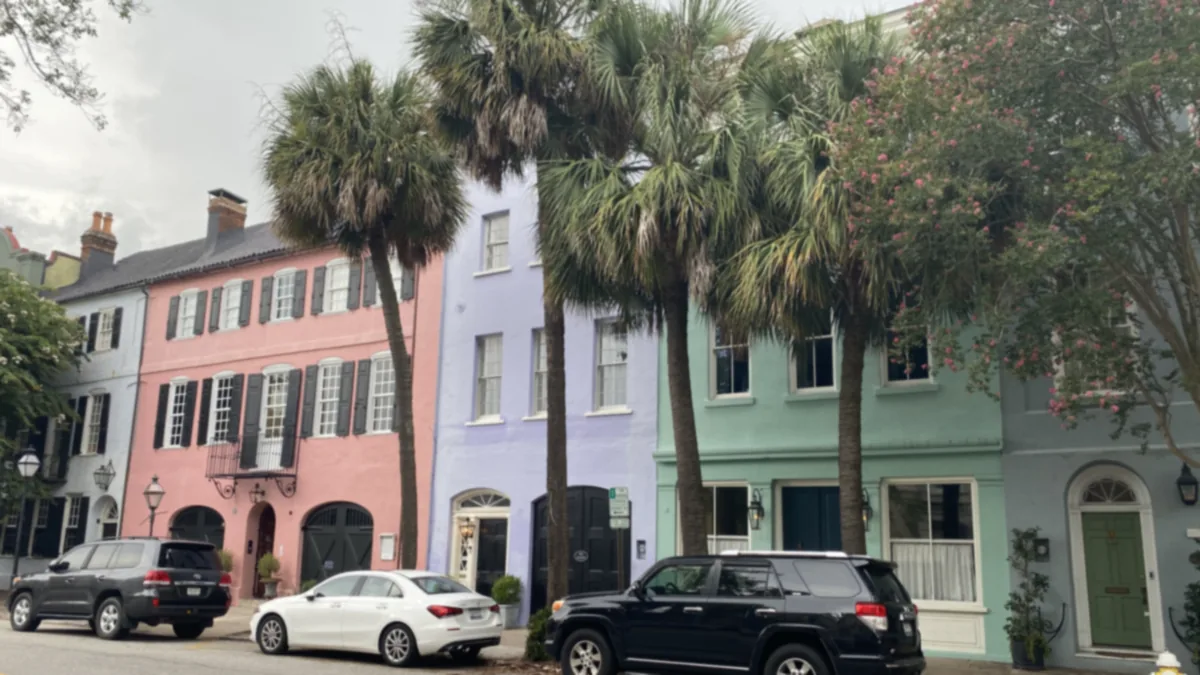
Charleston earns its place near the top of almost every Charleston South Carolina travel guide, and rightly so. The historic district is compact, walkable, and remarkably intact. Pastel houses line Rainbow Row on East Bay Street, while church steeples still define the low skyline. Moreover, the harbour breeze makes even a warm afternoon feel manageable on foot.
Start at The Battery, the promenade along the harbour, and then wander north through quiet residential streets. Horse-drawn carriages pass slowly, and window boxes spill with flowers in spring. After that, cross to the Charleston City Market, where local makers sell sweetgrass baskets woven by Gullah Geechee artisans. The craft carries deep roots in West African and Lowcountry tradition, so watching a basket take shape is a history lesson in itself.
What Should You Not Miss in Charleston?
Fort Sumter National Monument, reached by ferry from the harbour, marks the place where the Civil War began. Therefore, it gives essential context to everything else you will see in the city. Back on land, the International African American Museum adds a powerful and necessary counterpoint. Its exhibits trace the story of enslaved Africans who arrived through this port, and the setting faces Gadsden’s Wharf directly.
Food, meanwhile, deserves its own itinerary here. Shrimp and grits, she-crab soup, and a classic Lowcountry boil all claim Charleston as home ground. Because reservations fill quickly at well-known restaurants, book dinners early, especially for weekends. Alternatively, join a guided food walk, which combines tastings with neighbourhood stories in one easy afternoon.
Savannah, Georgia: Squares, Oaks, and Slow Afternoons
Savannah feels softer and sleepier than Charleston, and many travellers prefer it for exactly that reason. The Savannah Georgia historic district was planned around a grid of public squares, and those squares still anchor daily life. Live oaks draped with Spanish moss shade the benches, and almost every square offers a different statue, fountain, or story.
Begin in Forsyth Park, where the famous white fountain draws photographers at golden hour. Then, drift north square by square toward the Savannah River. River Street, paved with old ballast stones, now holds shops, galleries, and restaurants inside former cotton warehouses. In addition, riverboats pass along the water, and street performers keep the waterfront lively into the evening.
Families find Savannah especially easy to enjoy. Trolley tours let tired legs rest, while ghost tours turn history into theatre after dark. If you are travelling with children, our guide to places to visit in Savannah, GA with kids covers the child-friendly stops in detail. Also, nearby Tybee Island adds a relaxed beach day, complete with a lighthouse and wide, sandy shore.
Asheville, North Carolina: Mountain Air and Creative Energy
Nestled in the Blue Ridge Mountains, Asheville mixes outdoor access with an artsy, independent spirit. Downtown streets hold galleries, bookshops, buskers, and farm-to-table restaurants within a few walkable blocks. At the same time, trailheads sit only a short drive away. That combination explains why Asheville appears in nearly every list of mountain towns worth visiting.
The headline sight is unmistakable. The Asheville North Carolina Biltmore Estate experience centres on Biltmore House, the grand mansion built for George Vanderbilt in the late nineteenth century. Gardens designed by Frederick Law Olmsted surround the house, and they change character with every season. Spring brings tulips and azaleas, while autumn sets the surrounding slopes ablaze with colour.
How Much Time Does Asheville Need?
Two days feels rushed, whereas three days feels right. Spend one day at Biltmore, and then give another day to downtown and the River Arts District. There, working studios fill former industrial buildings along the French Broad River. Finally, keep a third day flexible for a Parkway drive or a waterfall hike, because weather in the mountains changes quickly and rewards patience.
Beer lovers will also feel at home here. Asheville supports a famously dense craft brewing scene for a city of its size. Many taprooms sit within walking distance of each other downtown. However, pace yourself, and eat properly between tastings, since mountain roads demand a clear head afterwards.
The Blue Ridge Parkway: America’s Favourite Scenic Drive
Few roads anywhere match the Blue Ridge Parkway scenic drive for gentle, sustained beauty. The Parkway links Shenandoah National Park in Virginia with Great Smoky Mountains National Park further south. Along the way, it follows the spine of the Appalachian highlands, crossing meadows, forests, and ridge-top overlooks. Importantly, commercial traffic stays off this road, so the driving itself feels calm and unhurried.
Plan your stops rather than chasing the whole route in one push. Near Asheville, Craggy Gardens rewards a short walk with sweeping views and summer rhododendron blooms. Further along, Linville Falls tumbles through a rugged gorge, and the Linn Cove Viaduct curves gracefully around Grandfather Mountain. Because overlooks appear every few miles, you can stop whenever the light turns beautiful, which happens often.
Autumn transforms the Parkway completely. Indeed, the best fall foliage in the Southeast often appears here first, because colour starts at high elevations and then rolls downhill over several weeks. Spring counters with wildflowers and fresh green ridges. Summer, meanwhile, brings cool temperatures at altitude, although afternoon storms can arrive suddenly. Therefore, check conditions before you set out, and always carry an extra layer.
Great Smoky Mountains National Park: Mist, Bears, and Waterfalls
The Great Smoky Mountains National Park guide section of any Southeast trip deserves real space, because this park draws more visitors than any other national park in the country. A blue-grey haze, released naturally by the dense forest, softens the ridges and gives the range its name. Inside the park, you will find old-growth forest, historic log cabins, and an extraordinary variety of plants and animals.
Cades Cove offers the gentlest introduction. A one-way loop road circles a broad valley dotted with pioneer buildings, and wildlife sightings are common in the early morning. Deer graze in the meadows, and black bears appear often enough that rangers remind everyone to keep a respectful distance. Alternatively, climb toward Kuwohi, formerly known as Clingmans Dome, the highest point in the park. On a clear day, the observation tower reveals ridge after ridge fading into the distance.
Gateway towns make logistics easy on both sides of the park. Gatlinburg and Pigeon Forge, in Tennessee, lean lively and family-focused. On the North Carolina side, Cherokee and Maggie Valley move at a quieter pace. For a slower base, see our guide to places to visit in Maggie Valley, NC, which suits travellers who prefer porches to crowds. Hikers can also compare this range with western peaks in our roundup of places to visit in the mountains of Colorado.
Nashville, Tennessee: Much More Than a Music Stop
Nashville built its reputation on songwriting, and the music still justifies the trip alone. The Grand Ole Opry has hosted country music’s defining names for generations, and a live show there feels like a ceremony. Similarly, the Country Music Hall of Fame and Museum preserves instruments, costumes, and recordings with genuine care. Even visitors who claim to dislike country music usually leave converted.
Beyond the honky-tonks of Lower Broadway, however, Nashville has grown into a full city break. The Gulch and East Nashville offer inventive restaurants, vintage shops, and coffee bars with local character. Hot chicken, the city’s fiery signature dish, demands a taste test, although beginners should order cautiously. Heat levels climb fast, and pride has humbled many first-timers.
History adds depth between the concerts. The National Museum of African American Music traces a much wider musical story, from spirituals to hip-hop. Meanwhile, the Tennessee State Museum covers the state’s past without charging admission. As a result, Nashville works equally well for a party weekend, a family trip, or a thoughtful cultural break.
As you explore the vibrant tapestry of the Southeast, with its rich history and diverse landscapes, you may find yourself contemplating seasonal adventures that extend beyond the region. For travelers seeking a festive atmosphere, the allure of European holiday traditions beckons invitingly. Imagine strolling through the enchanting streets of Vienna or indulging in the culinary delights of Nuremberg’s renowned fairs. The charm of these festive gatherings offers a captivating contrast to the warm hospitality of the South. To discover the quintessential experiences and locations that embody the spirit of the season, delve into the best christmas markets in europe, where twinkling lights and artisanal crafts await. This exploration can provide an ideal complement to your adventures in the Southeastern United States, showcasing how diverse cultural experiences can enrich your travels.
New Orleans, Louisiana: Food, Music, and Beautiful Chaos
No city in America resembles New Orleans, and no Southeast guide feels complete without it. The French Quarter, the city’s oldest neighbourhood, layers wrought-iron balconies over Creole townhouses and hidden courtyards. Jackson Square anchors the district, with St. Louis Cathedral rising behind artists, fortune tellers, and street musicians. Moreover, the Mississippi River rolls past just steps away, broad and brown and busy with boats.
A New Orleans French Quarter guide should always send you beyond Bourbon Street. Royal Street offers antiques and galleries, while Frenchmen Street, in the neighbouring Marigny, hosts the live music locals actually choose. There, jazz, brass, and funk spill from small clubs until late. Preservation Hall, back in the Quarter, presents traditional jazz in a wonderfully unpolished room where the music does all the talking.
What Should You Eat in New Orleans?
Start with beignets under a drift of powdered sugar, ideally with a café au lait beside them. Then, work through gumbo, jambalaya, po’boys, and a muffuletta sandwich layered with olive salad. Creole and Cajun traditions overlap here, and arguing about the difference is practically a local sport. Above all, eat slowly and often, because restaurant-hopping is the city’s true sightseeing.
When you need green space, ride the St. Charles streetcar past the mansions of the Garden District. City Park, one of the largest urban parks in the country, holds ancient live oaks and a respected art museum. Consequently, New Orleans rewards travellers who stay several days and look past the party image entirely.
Atlanta, Georgia: The Southeast’s Big-City Hub
Atlanta often serves as the region’s front door, thanks to its huge airport and highway connections. However, the city deserves more than a layover. The Georgia Aquarium ranks among the largest aquariums in the world, and whale sharks glide through its biggest tank. Next door, the World of Coca-Cola tells a very Atlanta story, while Centennial Olympic Park links the main sights on foot.
Civil rights history gives Atlanta its deepest significance. The Martin Luther King Jr. National Historical Park includes Dr. King’s childhood home, Ebenezer Baptist Church, and his tomb. Nearby, the National Center for Civil and Human Rights connects that movement to struggles worldwide. Because these sites sit close together, you can give them a full, unhurried day, and you should.
Neighbourhoods, meanwhile, show the city’s modern side. The BeltLine, a trail built on old rail lines, strings together parks, murals, and food halls. Ponce City Market, inside a vast restored Sears building, makes an easy starting point. If your trip extends further north afterwards, our guide to top places to visit in New York State pairs well with an Atlanta starting point for an East Coast journey.
Chattanooga, Tennessee: The Small City That Surprises Everyone
Chattanooga rarely leads Southeast lists, yet visitors consistently rate it among their favourite stops. The Tennessee River bends around a revitalised downtown, where a landmark aquarium focuses on river life from the Appalachians to the Gulf. Just outside the centre, Lookout Mountain rises steeply, carrying a cluster of classic attractions near its summit.
Rock City, atop the mountain, winds through ancient rock formations to a viewpoint where, on clear days, several states are said to be visible. Nearby, Ruby Falls descends underground inside the mountain itself, lit dramatically within a cavern. The Incline Railway, one of the steepest passenger railways anywhere, climbs the slope at a startling angle. Together, these sights make Chattanooga an easy win for families and road-trippers alike.
The Outer Banks, North Carolina: Wild Shores and Tall Lighthouses
A string of narrow barrier islands, the Outer Banks stretch along the North Carolina coast, separated from the mainland by wide sounds. Life moves slowly here. Villages stay small, chain stores stay scarce, and the beach is always a short walk away. For travellers seeking the best beaches in the Southeast USA without a resort skyline, this coast is hard to beat.
History runs deep on these islands. At Kill Devil Hills, the Wright Brothers National Memorial marks the dunes where powered flight began in 1903. Further south, Cape Hatteras National Seashore protects long, empty beaches and the famous black-and-white spiral lighthouse at Cape Hatteras. Ocracoke Island, reached by ferry, adds a village with a pirate past, since Blackbeard met his end in nearby waters.
Wild horses add one more unforgettable sight. Around Corolla and on Shackleford Banks, free-roaming horses descend from herds that arrived centuries ago. Admire them from a distance, because they are genuinely wild and protected by law. To plan a wider Carolina trip around the islands, browse our list of the most popular places to visit in North Carolina.
The Florida Keys and the Everglades: The Tropical End of the Road
Every Southeast USA road trip itinerary dreams of one drive in particular. The Overseas Highway hops from island to island across bridge after bridge, with turquoise water on both sides. Key Largo opens the chain with snorkelling at John Pennekamp Coral Reef State Park, the first undersea park in the United States. Then, Marathon offers family attractions and the old Seven Mile Bridge, while Big Pine Key shelters tiny, endangered Key deer.
Key West, at the very end, mixes literary history with a carnival spirit. Ernest Hemingway’s home still hosts descendants of his famous six-toed cats. At sunset, crowds gather at Mallory Square for street performers and the daily celebration of the sinking sun. Duval Street stays lively long afterwards, although the island’s quieter back streets and conch houses reward an early-morning wander.
Why Should You Stop at the Everglades on the Way?
Because no other landscape in the Southeast looks remotely like it. Everglades National Park protects a slow, shallow river of grass, dotted with hardwood islands and patrolled by alligators. Airboat tours skim the edges, while boardwalks like the Anhinga Trail bring you close to herons, turtles, and sunning gators. Moreover, winter brings drier weather and fewer mosquitoes, so the park pairs naturally with a Keys trip in the cooler months. Many travellers combine both with the wider ideas in our guide to places to visit in the US for spring break.
Best Time to Visit the Southeast USA and How to Plan Your Route
Spring and autumn claim the title of best time to visit the Southeast USA for most travellers. From roughly March to May, azaleas bloom, temperatures stay kind, and festival calendars fill up. From late September to November, humidity drops, and mountain colour steals the show. Our overview of the best places in the Midwest to visit in fall shows how the same season plays out further north, which helps if you are extending your route.
Summer, by contrast, brings heat, humidity, and afternoon thunderstorms across much of the region. Beach towns thrive anyway, and mountain towns stay pleasantly cooler than the lowlands. Winter stays mild in Florida and along the Gulf, although the high mountains can see snow and occasional Parkway closures. Therefore, match your season to your scenery, rather than forcing one fixed plan.
Two Southeast Road Trip Routes That Actually Work
Route one: the historic coast and mountains. Start in Charleston, and then drive to Savannah for two nights. Next, head inland to Asheville, follow the Blue Ridge Parkway north at a leisurely pace, and finish in the Smokies. This loop suits roughly ten days and mixes cities, coast, and highlands beautifully.
Route two: music and the Gulf. Begin in Nashville, and then continue south to Chattanooga for a night. After that, fly or drive to New Orleans, giving the city at least three nights. Finally, unwind on a Gulf beach or detour through Atlanta on your way home. Both routes work in spring or autumn, and both leave room for spontaneous stops, which is exactly where the Southeast shines.
Frequently Asked Questions About Visiting the Southeast
What Is the Number One Place to Visit in the Southeast?
Charleston takes the honour for most first-time visitors, because it combines history, food, and coastal beauty in one walkable package. However, nature lovers often rank the Great Smoky Mountains first instead. Your answer depends on your style, and happily, both places fit into a single trip.
How Many Days Do You Need for a Southeast Road Trip?
Seven days covers one city pairing, such as Charleston and Savannah, plus a mountain detour. Ten to fourteen days, meanwhile, allows a fuller loop with the Parkway and the Smokies included. Rushing helps nobody here, because distances look short on the map but scenic roads move slowly.
Is the Southeast Good for a Family Holiday?
Yes, genuinely. Gatlinburg, Chattanooga, Savannah, and the Florida Keys all offer attractions that work across generations. National parks add affordable days out, and beach towns provide easy downtime between sights. Just book popular attractions ahead in school holidays, since queues grow quickly.
When Does Fall Foliage Peak in the Southeast Mountains?
Colour usually begins at the highest elevations in early October and then descends week by week. Lower valleys often peak in late October or early November. Because timing shifts with the weather each year, check local foliage reports shortly before you travel.
The Southeast does not reward hurry, and that is precisely its charm. A porch conversation runs long, a mountain road demands another photo stop, and a second helping appears before you ask. So pick your corner, give it time, and let the region set the pace. Your favourite place in the Southeast is probably one you have not visited yet.




