
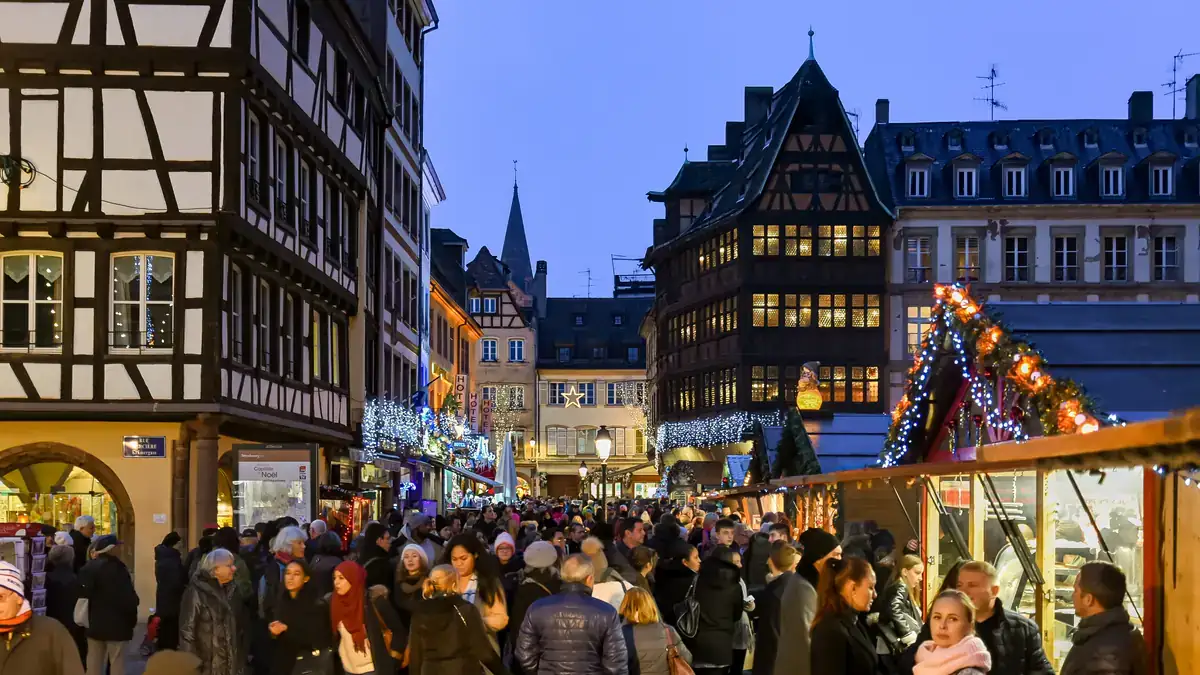
Planning your first festive trip feels thrilling and slightly overwhelming at once. After all, the best christmas markets in europe fill whole squares with lights, music, and wooden stalls. Moreover, each classic city shapes that tradition in a completely different way. Consequently, choosing only by pretty photos often leads to rushed, crowded days. Instead, this guide helps you pick cities by priority, then link them sensibly. Finally, you will find food, booking, and market-day tactics that actually save effort.
When do christmas markets start in europe?
Most markets follow a broad and reassuring seasonal pattern each year. Typically, stalls open in late November and close around Christmas itself. However, some cities keep celebrations running to New Year or early January. Therefore, you should always check each city’s official page before booking anything. That simple check confirms this year dates, opening hours, and special events. Additionally, it protects you from outdated lists that repeat old schedules as fact.
Does the exact opening week really change your experience that much? Indeed, the first days usually feel calmer than the final festive rush. Meanwhile, early December often balances atmosphere, choice, and manageable crowd levels beautifully. In contrast, the last weekend before Christmas can feel intense in famous squares. For instance, popular stalls draw long queues during Saturday afternoons and evenings. As a result, weekday visits reward first-timers who can travel flexibly.
How should a first-timer choose between the classic market cities?
Rather than ranking every city, start with your main reason for travelling. Food lovers, for example, thrive where regional baking and hearty snacks dominate. Families, meanwhile, need space, daytime activities, and markets near central accommodation. Similarly, couples often prefer smaller squares, evening lights, and atmospheric old streets. Value seekers, by comparison, benefit from cities with several free central sights. Overall, one clear priority makes every later decision far easier.
| Your priority | Strong first choices | Why they work well? |
|---|---|---|
| Food and baking | Nuremberg and Dresden | Regional cakes, biscuits, and hearty market classics |
| Families | Vienna and Cologne | Spacious squares, rides, and easy central transport |
| Romance | Strasbourg and Prague | Old streets, river views, and glowing evening squares |
| Value | Budapest and Krakow | Several central markets and walkable historic sights |
| Grand atmosphere | Vienna and Strasbourg | Large settings, music, and many linked market areas |
Could you combine two priorities in a single trip quite easily? Certainly, and the train routes later in this guide help with that. Strasbourg with Cologne, for instance, pairs romance with strong family appeal. Vienna with Budapest, meanwhile, mixes grandeur with a gentler travel budget. Nevertheless, avoid trying to sample every famous city in one week. Fewer bases, in fact, usually create warmer and more memorable evenings.
Why do people call the strasbourg christmas market capital of christmas?
Strasbourg proudly brands itself the Capital of Christmas, and visitors quickly understand why. Its Christkindelsmärik tradition dates to 1570, giving the celebrations deep historical roots. Moreover, markets spread across the historic centre rather than sitting in one square. Consequently, wandering between stalls becomes part of the pleasure, not just shopping. Cathedral streets, illuminated lanes, and decorated shopfronts all extend the festive mood. For many first-timers, Strasbourg therefore feels like a complete Christmas city.
What should you prioritise during a short Strasbourg stay there? Firstly, explore the cathedral area slowly, because nearby lanes reward unhurried wandering. Secondly, return after dark, when lights transform familiar streets into something magical. Additionally, leave time for quieter squares away from the busiest central corners. Hot drinks, spiced treats, and handcrafted decorations appear throughout the market areas. Above all, Strasbourg suits travellers who love atmosphere more than ticking lists.
Would Strasbourg also work as a base for nearby festive towns? Yes, and the short hop to Colmar makes that idea especially appealing. That route appears later, however, because it belongs in a wider plan. Meanwhile, anyone comparing European city breaks might enjoy our guide to places to visit in north west Germany for nearby inspiration. Such a comparison, moreover, shows how strongly regional traditions shape each destination.
What makes the vienna christmas markets rathausplatz and schonbrunn so different?
Vienna runs many Christmas markets, so variety becomes its greatest strength. The famous vienna christmas markets rathausplatz and schonbrunn settings illustrate that contrast perfectly. Rathausplatz sits before the grand city hall and feels lively, bright, and expansive. Schönbrunn, by contrast, unfolds before an imperial palace with a calmer elegance. Consequently, you can experience two festive moods without leaving the city. Few destinations, indeed, offer that range in a single stay.
How many Vienna markets should you actually visit in two days? Realistically, two or three well-chosen markets beat a hurried tour of many. Start, for example, with Rathausplatz for scale, lights, and classic market energy. Later, choose Schönbrunn for palace views, crafts, and a more relaxed pace. Additionally, smaller neighbourhood markets can add local character between major sightseeing stops. Our overview of the best place to visit in Austria in summer shows Vienna’s broader seasonal appeal too.
Does Vienna suit travellers who dislike feeling rushed at markets? Absolutely, because spreading visits across different districts naturally softens the crowds. Morning sightseeing, for instance, can precede a late-afternoon market visit each day. Furthermore, returning to a favourite stall feels easier in a multi-night stay. Warm drinks, roasted snacks, and sweet bakes keep energy up between stops. In short, Vienna rewards planners who alternate famous squares with quieter neighbourhoods.
What does a good nuremberg christkindlesmarkt guide need to tell you?
Nuremberg hosts one of Germany’s most famous and best-loved Christmas markets. Any honest nuremberg christkindlesmarkt guide should begin with its strong food identity. Rows of red-and-white striped stalls fill the Hauptmarkt with colour and scent. Moreover, the surrounding old town makes arrival feel dramatic and unmistakably festive. Lebkuchen, grilled snacks, and warm drinks dominate many visitors’ happiest memories here. Consequently, hungry travellers often place Nuremberg near the top of their list.
When is Nuremberg most enjoyable for a first visit there? Weekday mornings and early afternoons generally feel easier than peak weekend hours. Additionally, arriving hungry helps, because grazing slowly beats planning a separate lunch. Take time, for example, to compare crafts before buying gifts near closing. Similarly, step into nearby streets when the main square feels especially packed. Those pauses, in fact, reveal churches, lanes, and views beyond the stalls.
Could Nuremberg anchor a longer festive journey through eastern Germany? Definitely, because Dresden and Prague connect naturally in one onward direction. That route, described later, avoids backtracking and changes scenery at each stop. Meanwhile, Nuremberg itself deserves at least one unhurried evening under the lights. Otherwise, you may remember queues and purchases more than atmosphere and food. Patience, therefore, turns a famous market into a genuinely personal experience.
Why is the dresden striezelmarkt oldest christmas market claim so special?
Dresden offers history that few festive destinations can match in Europe. The dresden striezelmarkt oldest christmas market tradition dates back to 1434. Indeed, it is widely described as Germany oldest Christmas market today. Moreover, the market takes its name from Striezel, an early form of Stollen. That link between place, baking, and celebration still shapes the experience strongly. History lovers, therefore, find Dresden far more than a pretty stop.
What gives Dresden a different feeling from nearby German markets? Scale helps, but the setting around the Altmarkt creates its own character. Wooden stalls, a large festive pyramid, and traditional crafts encourage slow browsing. Furthermore, Saxon baking traditions give food stalls a strong regional identity here. Visitors who enjoy handmade decorations will, for instance, find plenty to admire. In contrast, shoppers seeking only big brands may miss Dresden’s real appeal.
Should Dresden be a day trip or an overnight stop instead? Overnight stays work better, because evenings reveal the market at its best. Additionally, an overnight pause breaks the Nuremberg to Prague journey very comfortably. Next morning, you can revisit favourite stalls before crowds build again later. That slower rhythm, moreover, suits the city museums and old town streets. Ultimately, Dresden rewards travellers who treat history as entertainment, not background.
What makes the cologne cathedral christmas market such an easy favourite?
Few festive backdrops compete with a soaring Gothic cathedral at night. The cologne cathedral christmas market sits directly in that unforgettable setting. Consequently, even a short visit feels special before you buy anything. A huge decorated tree, rows of stalls, and cathedral views define the scene. Moreover, Cologne has other markets across the city for varied repeat visits. Families and first-timers, therefore, find the city especially straightforward to enjoy.
How can you make a Cologne market day feel less hectic? Firstly, visit the cathedral market earlier, then explore quieter districts later on. Secondly, use other city markets to spread your browsing across the day. For example, harbour and old town areas each bring a different mood. Additionally, warm indoor breaks help children and grandparents last until evening lights. That pacing, in fact, matters more than seeing every single stall.
Would Cologne pair well with Strasbourg on one festive trip? Yes, because the pairing combines cathedral drama with Alsace old town charm. Trains, moreover, make multi-city planning simpler than driving between busy centres. Later sections explain route logic, timings, and sensible overnight stops in detail. Meanwhile, travellers planning wider winter journeys may like our places to visit in winter in London guide for contrast. Different country, indeed, but a similarly atmospheric cold-season city break.
Why does the prague old town square christmas market feel so theatrical?
Prague turns its historic centre into a stage during the festive season. The prague old town square christmas market sits among Gothic and Baroque landmarks. Moreover, a towering tree and regular festive atmosphere draw visitors into the square. Stalls offer crafts, decorations, hot drinks, and filling Czech seasonal snacks. Consequently, the market works beautifully as part of a wider old town walk. Sightseeing and celebrating, in fact, merge here without any artificial separation.
What should first-timers combine with a Prague market visit there? Start with the square, then wander towards Charles Bridge and nearby lanes. Additionally, revisit the market after dark for a completely different visual mood. Our list of the top ten places to visit in Prague helps you plan those surrounding sights. Timing matters too, because midday tour groups can fill the oldest streets. Earlier or later visits, therefore, usually feel calmer and more rewarding.
Does Prague suit couples better than families during this season? Both groups can thrive, although they should plan their days quite differently. Couples, for instance, may favour evening walks and lingering market dinners outdoors. Families, meanwhile, often prefer daytime browsing and warmer indoor attractions between stalls. Importantly, the compact centre reduces long transfers in cold weather for everyone. That convenience, moreover, makes Prague an excellent final stop on longer routes.
What should you expect at the budapest advent basilica christmas market?
Budapest brings grandeur, warmth, and a strong sense of occasion to winter. The budapest advent basilica christmas market gathers before St Stephen Basilica downtown. Moreover, the basilica facade provides a dramatic backdrop for lights and projections. Stalls focus on Hungarian crafts, festive gifts, and warming seasonal food and drink. Consequently, the market feels intimate in scale yet unmistakably big-city in setting. Evening visits, therefore, deliver the strongest atmosphere for most first-timers.
How does Budapest differ from Vienna on a combined trip away? Vienna feels imperial and polished, whereas Budapest feels bold and slightly moodier. Nevertheless, both cities reward slow evenings, hearty food, and riverside walks aplenty. Additionally, Budapest’s central sights cluster conveniently around the market and Danube. That layout helps visitors with limited time or lower walking tolerance greatly. In short, Budapest adds contrast without demanding a complete itinerary reset.
Could Budapest work well for travellers watching their overall spending? Generally, yes, because the city offers several markets and free central viewpoints. However, you should still book central accommodation early during peak festive weekends. Furthermore, choosing one main market each evening prevents unnecessary cross-city travel costs. Browsing widely, for example, does not require buying something at every stall. Careful choices, moreover, stretch both your budget and your suitcase space.
Why should the salzburg and krakow christmas markets not be overlooked?
Some travellers stop after the biggest names and miss two gems. The salzburg and krakow christmas markets each offer atmosphere without overwhelming scale. Salzburg spreads festive stalls beneath fortress views and around its elegant cathedral. Krakow, meanwhile, centres celebrations on one of Europe largest medieval squares. Consequently, both cities feel deeply historic while remaining easy to navigate. First-timers seeking character, therefore, should keep these quieter classics firmly in mind.
What makes Salzburg especially appealing during a short winter stay? Music, mountains, and old town beauty combine naturally in this compact city. Moreover, the market areas sit close together, reducing stressful transfers in cold weather. Visitors can browse, warm up indoors, and return outside without losing momentum. Additionally, Salzburg pairs beautifully with Vienna on a simple Austrian rail journey. That pairing, in fact, suits travellers who prefer one country done well.
Why do so many visitors fall for Krakow at Christmas time? Rynek Główny gives the market room to breathe, even during busy evenings. Furthermore, Polish festive food, crafts, and horse-drawn carriages deepen the old-fashioned mood. Our guide to places to visit in Poland in winter adds wider seasonal context for Krakow. Krakow also works well as a standalone break, not merely an add-on. History lovers, moreover, can balance markets with Wawel and Kazimierz sightseeing.
What christmas market food and drink gluhwein lebkuchen stollen should you try?
Eating and drinking are not side activities at these traditional markets. The classic christmas market food and drink gluhwein lebkuchen stollen trio explains why. Glühwein is warm spiced wine, served in festive mugs across many markets. Lebkuchen brings soft, spiced gingerbread traditions, especially associated with Nuremberg bakers. Stollen, meanwhile, is a rich fruit loaf strongly linked with Dresden celebrations. Together, therefore, these tastes tell regional stories in every bite and sip.
How should a first-timer taste widely without feeling uncomfortably full later? Share portions, for example, and alternate sweet treats with savoury market snacks. Additionally, try one local speciality in each city instead of repeating favourites. Bratwurst, roasted nuts, potato dishes, and chimney cakes appear in different regional forms. Furthermore, alcohol-free warm drinks are widely available for drivers and families. That variety, in fact, keeps everyone included in the tasting ritual.
Are there any food habits that improve the whole market experience? Yes, and the simplest is to arrive neither stuffed nor completely starving. Hungry visitors, moreover, buy impulsively at the first attractive stall they see. Instead, walk one full circuit, note favourites, and then start tasting deliberately. Similarly, keep small cash handy, because some food stalls move fastest that way. Finally, save fragile edible gifts until your final city whenever possible.
How can you build a christmas market trip by train route that works?
Trains turn separate markets into one satisfying journey without airport stress. A good christmas market trip by train route follows geography, not fame alone. Moreover, central stations usually place you close to old towns and markets. Consequently, you lose less time to transfers than drivers hunting festive parking. Luggage, however, still matters, so pack for lifting bags onto trains comfortably. One rolling case, in fact, beats several awkward bags on crowded platforms.
Which eastern route gives first-timers the strongest variety in one trip? Consider Nuremberg, then Dresden, and finally Prague in that simple order. Nuremberg to Dresden takes roughly three to four hours by train, approximately. Dresden to Prague then takes about two and a half hours, roughly. Moreover, each stop changes language, food, architecture, and market character quite noticeably. Two nights per city, therefore, create variety without exhausting constant movement.
Which western route suits travellers who prefer shorter travel days instead? Strasbourg to Colmar takes about half an hour by train, roughly speaking. You could, therefore, enjoy Colmar as a day trip from Strasbourg. Alternatively, continue from Strasbourg towards Cologne for cathedral scale and extra markets. Vienna to Salzburg takes roughly two and a half hours, about that long. Vienna to Budapest is also roughly two and a half hours, approximately. Each option, moreover, keeps journeys manageable and evenings free for markets.
Should you buy every rail ticket at the very last minute? Not usually, because popular festive dates can make preferred departure times sell out. Additionally, booking a logical one-way route avoids returning through the same cities. Our train-focused guide to the best places to visit in Cornwall by train shows similar planning principles elsewhere. Flexibility matters too, however, when winter weather disrupts any transport network. Therefore, avoid scheduling a market visit immediately after a long arrival journey.
Which are the best christmas markets for families with younger children?
Children remember movement, lights, and treats far more than shopping alone. The best christmas markets for families therefore offer space beyond the stalls. Vienna works well, for example, because large squares and varied districts prevent monotony. Cologne also appeals, since the cathedral setting amazes children and adults alike. Moreover, both cities provide indoor attractions for warming up between outdoor sessions. Shorter market bursts, consequently, usually beat one long and tiring evening visit.
How can parents make crowded markets calmer for the whole family? Firstly, visit earlier in the day, when stalls and paths feel less compressed. Secondly, agree a meeting point immediately, in case older children wander briefly. Additionally, carry snacks and water, because queues grow longest at popular food stalls. Pushchairs, meanwhile, move more easily through larger squares than narrow market lanes. Those small preparations, in fact, prevent most avoidable festive stress.
Does a family trip need a different booking strategy altogether now? Yes, because room layout and location matter more than squeezing in another city. Family rooms, moreover, can disappear early in the most central districts. Therefore, choose accommodation near transport, but not directly above the busiest square. Quiet sleep, after all, improves the next day sightseeing for everyone involved. Our seasonal ideas in best place to visit this time of year may also help planning.
How far ahead to book a christmas market trip before choice narrows?
Popular festive weekends reward early planners far more than spontaneous travellers. Understanding how far ahead to book a christmas market trip prevents disappointment later. Ideally, start researching accommodation and key train journeys several months ahead. Moreover, central hotels near old towns attract demand from tour groups and couples. Consequently, waiting often leaves you choosing between distance, quality, and awkward timings. Early booking, therefore, protects the relaxed pace that makes markets enjoyable.
What should you book first, and what can safely wait longer? Accommodation comes first, because location shapes every market day that follows. Next, secure long-distance trains, especially for Friday arrivals and Sunday departures. Additionally, reserve any must-do timed attraction that sits outside the markets themselves. Restaurant bookings, by contrast, can often wait until your daily plan firms up. Market entry itself, importantly, is generally open and does not require tickets.
Can early booking still leave room for useful flexibility later on? Certainly, provided you choose changeable arrangements where that option matters most. Furthermore, avoid locking every evening into tours, concerts, and fixed dinner reservations. Markets, after all, reward wandering, weather watching, and following your appetite. A loose framework, for instance, lets you revisit a favourite square spontaneously. Balance, therefore, beats both total improvisation and an exhausting minute-by-minute schedule.
Which christmas markets that stay open after christmas are worth considering?
Travelling between Christmas and New Year can feel calmer and more spacious. Some christmas markets that stay open after christmas continue into that period. Moreover, certain celebrations run towards New Year or into early January. Vienna and Budapest, for example, are often considered for post-Christmas city breaks. However, individual market closing dates vary, so official city pages remain essential. Never assume, therefore, that every stall follows the main market schedule.
Why might a post-Christmas trip suit some first-timers even better overall? Crowds often soften, while hotels and travel dates can feel less pressured. Additionally, you can enjoy festive lights without the pre-Christmas gift-buying rush everywhere. Families on school holidays, meanwhile, may find the timing naturally more convenient. Nevertheless, some stalls close earlier, and the choice may be slightly smaller. Checking details, in fact, matters more for this period than any other.
Should you choose January dates purely because they sound quieter there? Not without checking, because early January arrangements differ sharply between individual markets. Some events transform into winter markets, while others finish completely after celebrations. Consequently, build your shortlist from current official information, not last year listicles. That habit, moreover, protects connecting trains and non-refundable accommodation from costly mistakes. A quiet trip, therefore, still deserves careful and current planning.
What market-day tactics help you handle crowds, cash, and mug deposits?
Weekdays usually beat weekends for breathing space in the famous squares. Specifically, Monday to Thursday visits often mean shorter queues and easier photography. Friday evenings, by contrast, build quickly as local visitors join tourists after work. Saturday afternoons can feel intense, especially around food stalls and main entrances. Therefore, schedule headline markets on weekdays and save sightseeing for busier periods. That single swap, moreover, can transform your whole impression of a city.
Why should you carry cash even in an increasingly card-friendly Europe? Small stalls, cloakrooms, and quick purchases sometimes work faster with cash available. Additionally, card machines and mobile signals can struggle when squares become extremely busy. Keep notes and coins accessible, however, in a secure and zipped place. Furthermore, avoid flashing a full wallet while standing in dense festive crowds. Preparation, in short, keeps small transactions smooth and stress levels low.
How does the mug deposit system actually work at most markets? In general terms, you pay a refundable deposit, called Pfand, for your mug. Then, you either return the mug and reclaim that deposit afterwards. Alternatively, you keep the mug as a souvenir and forfeit the deposit. Importantly, each market sets its own arrangements, so listen at the stall. That system, moreover, reduces waste and gives visitors a genuinely useful souvenir.
What else makes a market evening run more smoothly for everyone? Wear layers, because standing outdoors feels colder than walking between sights. Gloves, moreover, matter when holding hot mugs and browsing delicate crafts outside. Take indoor breaks regularly, especially before children or older relatives become overtired. Additionally, photograph stalls considerately and avoid blocking narrow paths during busy periods. Courtesy, finally, is part of the atmosphere that makes markets special.
How many cities should your first christmas market trip really include?
Two or three cities usually deliver variety without turning festivities into transit. One city, for instance, suits a short weekend focused on atmosphere alone. Two cities work beautifully when linked by a direct and simple train journey. Three cities need more nights, however, plus realistic pauses between travel days. Consequently, depth nearly always beats a checklist of famous names and squares. You came for warmth and wonder, not a station-to-station endurance test.
Could a single-city trip ever beat a multi-city route for first-timers? Yes, especially in Vienna or Strasbourg, where multiple areas sustain several days. Moreover, unpacking once reduces stress, cost, and time lost to repeated transfers. Day trips, meanwhile, can add variety without changing your hotel base nightly. Colmar from Strasbourg is the clearest example of that low-effort strategy. Ultimately, therefore, the best itinerary is the one you can enjoy slowly.




