
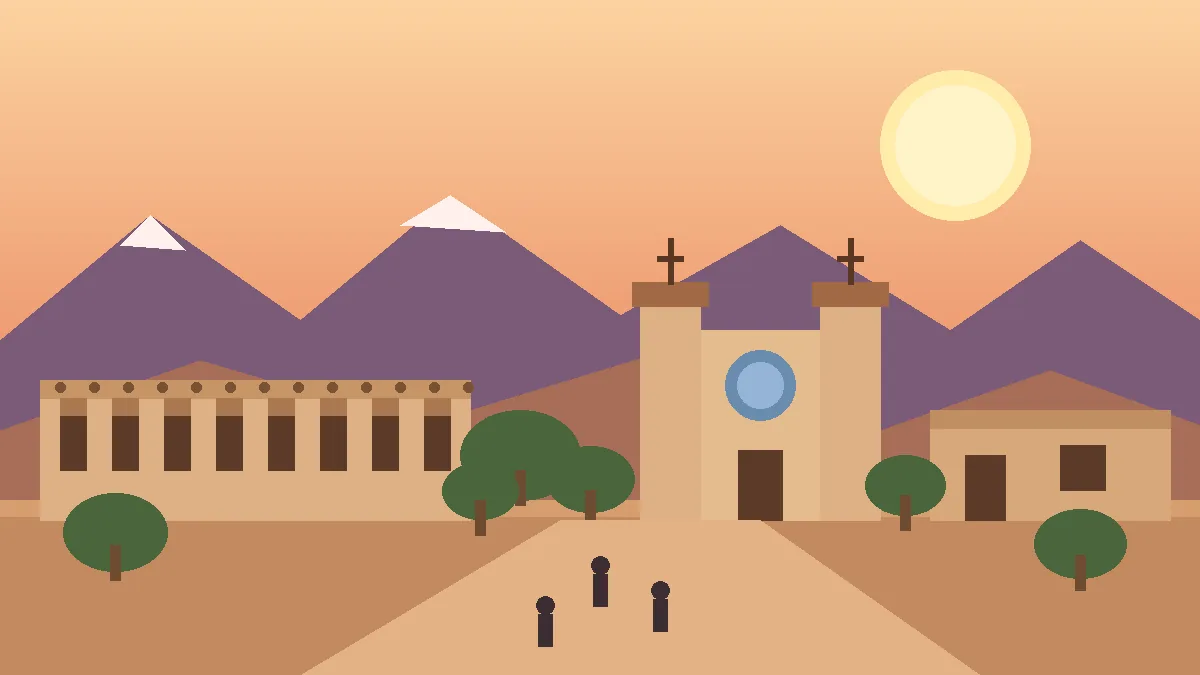
Santa Fe feels different from every other American city. Indeed, adobe walls glow pink at sunset here. Meanwhile, church bells ring over streets laid out centuries ago. Moreover, world-class art hides inside quiet, earth-toned buildings. The best places to visit in Santa Fe New Mexico reward slow travel. Therefore, this guide groups the top Santa Fe attractions by area. As a result, you can walk more and drive less.
History sits at the centre of the city. However, art gives Santa Fe its modern energy. For example, one morning can cover a colonial palace and a surreal art maze. Later, the same day can end on a mountain trail. This guide covers the historic core first. Next, it explores the gallery districts and Museum Hill. Finally, it adds forests, living history, and easy day trips.
Why Is Santa Fe Worth a Trip on Its Own?
Santa Fe is one of the oldest state capitals in the United States. Consequently, its streets hold Native American, Spanish, and Anglo layers. In fact, Pueblo peoples lived in this region long before Spanish colonists arrived. Later, Spanish settlers founded the city in the early 1600s. Subsequently, traders, artists, and writers reshaped it again. Each era, therefore, left buildings and traditions behind.
Culture here is living, not staged. For instance, Native artisans still sell handmade work under a palace portal. Similarly, families still worship in centuries-old chapels. Additionally, chefs still cook with local chile and corn. Visitors, meanwhile, move between past and present constantly. That blend explains the city nickname, the City Different. Few places, in short, mix heritage and creativity so naturally.
The Santa Fe Plaza: Start at the Historic Heart
The Santa Fe Plaza is the natural first stop. Historically, it anchored the Spanish colonial city. Today, it remains a shaded square of grass, benches, and paths. Locals relax here throughout the day. Meanwhile, visitors use it as a simple orientation point. Most downtown Santa Fe attractions sit within a short walk. Therefore, begin here before you explore further.
Life on the Plaza changes with the seasons. In summer, concerts and markets animate the bandstand area. During the holidays, farolitos outline the surrounding rooftops beautifully. Additionally, food carts and nearby cafés keep the square lively. Street performers, however, never overwhelm the calm mood. Instead, the Plaza feels social and unhurried. Sit for twenty minutes first. Then, let the city unfold around you.
Palace of the Governors and the New Mexico History Museum
The Palace of the Governors lines the Plaza’s north side. Remarkably, this low adobe building dates back to about 1610. It is widely described as the oldest continuously used public building in the country. Today, it forms part of the New Mexico History Museum. Inside, exhibits trace the region from Indigenous roots onward. Spanish colonisation, Mexican rule, and statehood all appear. As a result, one visit gives essential context.
The portal outside deserves equal attention. Under it, Native artisans display jewellery, pottery, and textiles daily. Importantly, the programme supports authentic, handmade work by enrolled artists. Therefore, buying here connects you directly with makers. Moreover, conversations with vendors add real depth. Ask about materials and family traditions respectfully. However, always ask before taking close photographs. This stop, in short, blends history and living craft.
Cathedral Basilica of St. Francis of Assisi
A short walk east of the Plaza stands the cathedral. Formally, it is the Cathedral Basilica of St. Francis of Assisi. Its Romanesque Revival towers rise above the adobe skyline. Consequently, it looks strikingly different from neighbouring buildings. Archbishop Lamy oversaw its construction in the late 1800s. Masons, meanwhile, built it around an older adobe church. One part of that earlier church still survives inside.
Step inside for quiet contrast. Sunlight, notably, filters through tall stained-glass windows. The interior feels calm after the busy Plaza streets. Additionally, a small chapel holds a beloved carved Madonna figure. Locals know her as La Conquistadora. Visitors of every faith, however, appreciate the peaceful mood. Dress modestly and lower your voice inside. Services, after all, still take place here daily.
Loretto Chapel and Its Miraculous Staircase
The Loretto Chapel draws visitors for one famous feature. Inside stands a graceful wooden spiral staircase. Unusually, it rises to the choir loft without a central pole. Furthermore, it appears to lack obvious visible support. Legend credits a mysterious visiting carpenter with its construction. Historians, meanwhile, debate the story behind the legend. Either way, the craftsmanship impresses every visitor.
The chapel itself is small and elegant. Gothic Revival details, for example, shape its windows and altar. Soft light gives the interior a hushed glow. Consequently, visits here feel brief but memorable. The chapel no longer hosts regular parish services. Instead, it operates as a museum and wedding venue. Therefore, expect a calm, self-guided experience. Combine it easily with the nearby cathedral.
San Miguel Chapel and the Barrio de Analco
Cross the Santa Fe River for older, quieter streets. There, San Miguel Chapel stands in the Barrio de Analco. This small adobe church is often called the oldest church in the continental United States. Its origins, notably, reach back to the early 1600s. Thick earthen walls keep the interior cool. Inside, the space feels humble and deeply historic.
The surrounding neighbourhood rewards a slow stroll. Historically, Indigenous and Mexican families settled this district. Nearby, the so-called Oldest House draws curious visitors too. Its adobe rooms suggest very early construction. Moreover, narrow lanes here feel far from downtown crowds. Allow time simply to wander afterwards. Then, pause by the river park nearby. Santa Fe, in these blocks, whispers rather than performs.
Canyon Road: Santa Fe’s Famous Gallery Mile
Canyon Road is essential for art lovers. Essentially, it is a winding lane packed with galleries. Over a hundred galleries, studios, and boutiques line the route. Historic adobe homes, meanwhile, house much of the art. Sculpture gardens spill colour between the low walls. Consequently, even window-shopping feels rich here. Allow at least half a day.
Variety defines the Canyon Road galleries experience. Some spaces show classic Southwestern landscapes and bronze work. Others, in contrast, feature bold contemporary painting and glass. Additionally, jewellery, textiles, and ceramics appear throughout the street. Many galleries welcome casual browsers warmly. Therefore, step inside even without buying plans. Staff, often, happily explain artists and techniques. Friday evenings, especially, bring exhibition openings in season.
Practical habits improve a Canyon Road visit. First, wear comfortable shoes for the gentle uphill walk. Next, start early before crowds and heat build. Teahouses and cafés, fortunately, offer rest along the way. Parking nearby can be limited at busy times. Therefore, walking from downtown often works better. Finally, return at golden hour for photographs. The adobe walls, then, glow beautifully.
Georgia O’Keeffe Museum: The Essential Art Stop
The Georgia O’Keeffe Museum anchors Santa Fe art history. It holds the world’s largest collection of her work. Paintings, drawings, and personal objects fill its galleries. Naturally, her famous flower and bone subjects appear. Landscapes of New Mexico, however, reveal her deepest bond. She first visited the state in the 1920s. Later, she made northern New Mexico her home.
Exhibitions rotate through the museum regularly. Therefore, repeat visitors still find fresh pairings. Photographs and letters, additionally, humanise the famous painter. Short films place her work within desert landscapes. As a result, beginners leave with real understanding. Book timed tickets ahead during busy periods. Afterwards, browse the well-curated museum shop nearby. Fans often continue north toward Abiquiú later. Her home and studio there require advance arrangements.
More Downtown Museums Worth Your Time
The New Mexico Museum of Art sits just off the Plaza. Its Pueblo Revival building is itself an artwork. Inside, galleries celebrate Southwestern art across generations. Historic Taos and Santa Fe art colonies feature strongly. Meanwhile, rotating shows introduce contemporary regional voices. Consequently, the museum balances tradition and experiment well. Its courtyard, additionally, offers a quiet break. Few visitors rush through this peaceful space.
Across the street, another museum highlights living Indigenous art. The IAIA Museum of Contemporary Native Arts presents bold work. Painting, installation, and performance challenge old stereotypes here. Importantly, Native artists speak in their own voices. Exhibitions, therefore, feel current and thought-provoking. Together, these downtown museums deepen any Plaza day. Moreover, both sit within easy walking distance. Plan them together for maximum context.
Meow Wolf Santa Fe: Step Inside the House of Eternal Return
Meow Wolf Santa Fe offers the city’s wildest indoor experience. Officially, the installation is called House of Eternal Return. Visitors enter a full-size Victorian house with secrets. A family mystery, supposedly, fractured reality inside it. Consequently, closets open into glowing forests and strange corridors. Refrigerators, remarkably, become portals to other worlds. Every room invites touching, opening, and exploring.
Expect joyful sensory overload here. Neon caves contrast with quiet, dreamlike chambers. Meanwhile, clues reward patient and curious explorers. Children race ahead with pure delight. Adults, however, linger over details and hidden lore. Timed entry, therefore, helps manage the crowds. Book ahead, especially for weekends and holidays. Allow several unhurried hours inside. Rushing, quite simply, defeats the whole experience.
Meow Wolf also signals modern Santa Fe creativity. A local arts collective built this first permanent location. Since then, its success has inspired national attention. Nevertheless, the Santa Fe original retains homemade charm. Its story, notably, connects art with play. Pair it with Canyon Road for contrast. Traditional galleries show art on walls. Meow Wolf, instead, swallows you inside art.
Museum Hill: Four Museums and a Garden
Museum Hill gathers several major museums together. It sits southeast of downtown, above the city. First, the Museum of International Folk Art delights all ages. Its vast folk art collection spans cultures worldwide. Colourful textiles, toys, and festival objects fill the galleries. One famous wing displays miniature scenes in extraordinary detail. Consequently, children and adults both slow down here.
Next door, deeper regional stories unfold. The Museum of Indian Arts and Culture presents Indigenous heritage thoughtfully. Pottery, jewellery, and weaving reveal living traditions here. Meanwhile, the Museum of Spanish Colonial Art shows devotional work. Santos, furniture, and metalwork reflect Spanish colonial craft. Nearby, the Wheelwright Museum focuses on Native American art. Its building, notably, echoes a traditional Navajo hogan shape. Together, these museums reward a full day.
Between museums, step outdoors for air. The Santa Fe Botanical Garden occupies part of the hill. Native plants and dry-climate gardens thrive there. Paths wind through piñon, cactus, and wildflower plantings. Additionally, sculptures appear among the garden beds. Views toward the Sangre de Cristo Mountains complete the scene. Therefore, Museum Hill suits slower travellers perfectly. Culture and nature, here, share one hillside.
The Railyard District and Santa Fe Farmers’ Market
The Railyard District shows Santa Fe’s local, everyday side. Once a working rail hub, it now hosts creative spaces. Contemporary galleries cluster around the Railyard Arts District. Meanwhile, Railyard Park offers lawns, gardens, and play areas. Trains still rumble through the active rail corridor. Consequently, the district feels alive rather than preserved. Locals, notably, outnumber tourists on many days.
The Santa Fe Farmers’ Market anchors the district’s rhythm. It ranks among the country’s best-known farmers’ markets. Growers sell chile, beans, fruit, honey, and baked goods. In season, roasted green chile perfumes the air. Additionally, prepared foods make an easy casual lunch. Arrive early for the best selection. Afterwards, explore galleries and the contemporary art museum nearby. SITE Santa Fe, notably, presents experimental exhibitions there.
Reaching the Railyard is simple. Downtown hotels, fortunately, sit within walking distance. The area also works well on market mornings. Combine it, for example, with a Plaza afternoon. Travellers comparing wider New Mexico routes often pair Santa Fe with places to visit near Albuquerque, New Mexico. Both cities, together, show contrasting sides of the state. Albuquerque feels sprawling and desert-modern. Santa Fe, in contrast, feels compact and historic.
El Rancho de las Golondrinas: A Living History Ranch
South of the city, a historic ranch recreates early life. El Rancho de las Golondrinas is a living history museum. Originally, it served travellers on the old Camino Real. Restored buildings now spread across a rural valley. Mills, chapels, workshops, and farm buildings dot the grounds. Costumed interpreters, meanwhile, demonstrate traditional crafts and farming. Consequently, history feels tangible here.
Seasonal festivals bring the ranch fully alive. Harvest events, for instance, celebrate food and music. Spring gatherings highlight weaving and ranch skills. Children enjoy the open space and animals. Adults, meanwhile, appreciate the careful historical detail. Check the calendar before you visit. Opening, notably, follows a seasonal schedule. Therefore, winter travellers may find limited access. Summer and autumn visits usually offer the fullest programme.
Santa Fe National Forest and the Sangre de Cristo Mountains
Mountains rise directly behind the city. The Sangre de Cristo range frames Santa Fe’s eastern edge. Within minutes, streets give way to pine forest. The Santa Fe National Forest protects much of this land. Trails, consequently, suit every energy level. Short nature walks start near town. Longer climbs, meanwhile, reward hikers with sweeping views.
The Dale Ball Trails form a beloved local network. Linked paths cross foothills of piñon and juniper. Hikers and mountain bikers share these routes daily. Atalaya Mountain, in contrast, offers a harder challenge. Its summit views stretch across city and desert. Start early and carry generous water. Altitude, importantly, makes exertion feel stronger here. Santa Fe sits at high elevation. Therefore, pace yourself during the first days.
Winter transforms these same mountains. Ski Santa Fe operates on the slopes above town. Aspen groves, meanwhile, turn gold each autumn. Mountain lovers comparing ranges may also enjoy places to visit in the mountains of Colorado. Colorado peaks rise higher and wilder. Santa Fe’s foothills, however, feel gentler and sunnier. Both regions reward travellers who love high country.
Bandelier National Monument: An Unforgettable Day Trip
Bandelier National Monument is the classic Santa Fe day trip. Ancestral Pueblo people carved homes into soft volcanic cliffs. Today, trails lead past cliff dwellings and petroglyphs. Ladders climb to small cave rooms called cavates. The main loop trail suits most visitors well. Along it, a large kiva and pueblo ruins appear. Consequently, history and scenery merge powerfully.
Plan Bandelier with care and respect. Summer crowds, notably, can fill parking quickly. Shuttle arrangements sometimes operate during peak periods. Therefore, check current access guidance before departure. Carry water, sun protection, and sturdy shoes. Little shade exists on exposed canyon trails. Afterwards, the visitor centre exhibits add context. This site, in short, deepens every Santa Fe trip.
Another striking landscape lies southwest of the city. Kasha-Katuwe Tent Rocks National Monument protects cone-shaped rock formations. Narrow slot canyons wind between pale cliffs there. Access arrangements, however, have changed in recent years. Therefore, verify current entry rules before planning. Never rely on old travel blogs for status. Official sources give the safest guidance. Flexibility, ultimately, protects your itinerary.
Food, Opera, and Evenings in Santa Fe
New Mexican cuisine is an attraction itself. Red chile, green chile, or both define local plates. Ordering both earns the nickname Christmas style. Enchiladas, tamales, and posole appear on menus everywhere. Sopapillas, meanwhile, arrive warm with honey. Restaurants range from humble cafés to refined dining rooms. Consequently, every budget eats well here. Ask locals where they eat breakfast. Their answers rarely disappoint.
Summer evenings bring a beloved cultural ritual. The Santa Fe Opera performs in an open-air theatre north of town. Dramatic desert views frame the stage itself. Audiences often tailgate in the car park beforehand. Music, sunset, and mountain air combine beautifully. Even non-opera fans, notably, enjoy the setting. Book early during the summer season. Performances, after all, sell out regularly.
Winter evenings offer a different magic. Farolitos line walkways during the holiday season. Canyon Road, especially, hosts a famous Christmas Eve walk. Crowds stroll between glowing paper lanterns and galleries. Hot drinks and bonfires warm the route. Travellers planning festive trips may enjoy New Year places to visit in the USA for wider inspiration. Santa Fe, however, remains uniquely atmospheric in winter.
How Should You Plan Your Days in Santa Fe?
Group sights by neighbourhood to save energy. Day one suits the historic downtown core best. Start at the Plaza and Palace of the Governors. Then, visit the cathedral and Loretto Chapel nearby. Afterwards, add the O’Keeffe Museum or art museum. Finish, finally, with dinner near the Plaza. Everything, conveniently, stays within walking distance.
Day two can celebrate art and gardens. Begin slowly along Canyon Road in the morning. Next, drive or ride up to Museum Hill. Folk art and Indigenous museums fill the afternoon. Alternatively, swap Museum Hill for Meow Wolf. Families, especially, may prefer that order. Spring visitors comparing seasonal trips might browse places to visit in Texas in spring for a combined Southwest route. Santa Fe, though, deserves unhurried days itself.
Reserve a third day for outdoors or history. Bandelier rewards an early start and packed water. Alternatively, El Rancho de las Golondrinas suits gentler pacing. Hikers, meanwhile, can choose Dale Ball or Atalaya trails. Shoppers might return to the Railyard market instead. Flexibility matters because altitude tires newcomers quickly. Therefore, schedule one highlight per half day. Santa Fe rewards lingering over rushing.
When Is the Best Time to Visit Santa Fe?
Spring brings mild days and blooming desert plants. Crowds, however, stay thinner than in summer. It suits hikers and gallery browsers well. Travellers building a spring itinerary may compare places to visit in the US for spring break before deciding. Santa Fe offers culture without beach crowds. Evenings, though, still feel cool in spring. Pack layers for changing mountain weather.
Summer is festival and opera season. Markets, concerts, and art events fill the calendar. Monsoon storms, meanwhile, cool many afternoons briefly. Autumn may be the finest season overall. Aspen gold spreads across the mountain slopes then. Chile roasting perfumes markets and street corners. Fans of autumn colour also love the best fall places to visit in Colorado nearby. Santa Fe’s fall, however, adds art and cuisine. Winter brings skiing, quiet museums, and farolitos. Each season, in short, changes the city.
Frequently Asked Questions About Santa Fe
What are the must-see places to visit in Santa Fe New Mexico for first-time visitors?
First, start with the Santa Fe Plaza and Palace of the Governors. Next, add the Loretto Chapel and cathedral nearby. Then, walk Canyon Road and the Georgia O’Keeffe Museum. Finally, include Meow Wolf or Museum Hill if time allows. Together, these Santa Fe attractions show history, art, and creativity. Most first-timers, consequently, leave wanting a return trip.
How many days do you need in Santa Fe?
Two full days cover the downtown highlights comfortably. However, three days allow a Bandelier day trip too. Four days, meanwhile, add hiking and slower museum time. Altitude adjustment also favours a gentler schedule. Therefore, longer stays feel more relaxing overall. Rushed visits miss Santa Fe’s quiet charm. Plan fewer sights and enjoy them deeply.
Is Santa Fe a good destination for families?
Yes, families find plenty to enjoy here. Meow Wolf, for example, thrills children and teenagers. The folk art museum displays playful objects from worldwide cultures. Additionally, El Rancho de las Golondrinas offers space and demonstrations. Short foothill trails suit active families well. Parents, meanwhile, appreciate the walkable downtown core. Everyone, in short, finds something engaging.
What should you know about altitude in Santa Fe?
Santa Fe sits roughly seven thousand feet above sea level. Consequently, visitors may feel tired or breathless initially. Drink water generously during the first days. Moreover, take hikes and alcohol slowly at first. Sunlight also feels stronger at this elevation. Therefore, sunscreen and hats matter year-round. Most travellers adjust within a day or two.
Final Thoughts on the Top Places to Visit in Santa Fe
Santa Fe rewards curiosity at every corner. Historic chapels stand minutes from surreal modern art. Meanwhile, mountain trails begin almost where galleries end. The top places to visit in Santa Fe New Mexico blend these contrasts beautifully. Start at the Plaza, then follow your interests outward. Art lovers drift naturally toward Canyon Road. History lovers, instead, linger at Bandelier and the palaces.
Broader trip planners may compare Santa Fe with top places to visit in the Southeast for a contrasting American journey. The Southeast offers humid river cities and coastal history. Santa Fe, however, delivers desert light and adobe calm. Choose it when culture matters as much as scenery. Few cities, ultimately, leave such a distinct afterglow.




