
The Most Dangerous Places in the World to Visit
Some places earn their reputation honestly. The most dangerous places in the world to visit are not scary because of rumours or dramatic headlines. Instead, they are dangerous because of heat, cold, altitude, wildlife, or conflict. Moreover, a few of them are dangerous because the law simply forbids entry.
This guide takes a calm and honest approach. It explains what the real risk is at each place. It also explains why a small number of travellers still go. Above all, it gives you a clear bottom line for every stop. Consequently, you can satisfy your curiosity without making a reckless decision.
What Makes a Place Truly Dangerous?
Firstly, danger in travel is rarely about one single thing. Rankings of the most dangerous tourist destinations often mix several factors together. A remote desert, for example, combines heat, distance, and weak phone signal. Similarly, a high mountain combines thin air, fast weather, and difficult rescue. Therefore, the overall risk grows when several problems appear together.
Secondly, access matters just as much as the hazard itself. A risky place with trained guides and clear rules is manageable for some people. In contrast, a restricted place offers no legal or safe way in at all. For example, several restricted places tourists cannot visit are closed precisely because rescue is impossible there.
How This Guide Groups the Risks
The places below fall into four clear groups. The first group covers conflict zones and restricted areas. The second group covers extreme environments, including heat, cold, and altitude. Meanwhile, the third group covers dangerous wildlife and hostile nature. Finally, the fourth group covers hazardous sites shaped by human activity.
Many dangerous travel destinations appear on dramatic lists online. However, responsible guides separate genuine risk from exaggeration. In fact, that separation is the whole point of this article. You will find no dare framing here, and you will find no encouragement to break rules.
Conflict Zones and Restricted Areas
Conflict changes a destination completely. Roads, hospitals, and airports may stop working normally. Moreover, conditions can shift within days, even in previously calm districts. Therefore, official government travel advisories treat active conflict areas as no-go zones for tourists.
Active Conflict Areas Are Not Tourist Destinations
Some regions affected by war or serious instability are simply not visitable. Civilians there face hardship, and visitors add pressure to stretched local services. Furthermore, consular help may be limited or unavailable in such areas. As a result, reputable operators do not run leisure trips into active conflict zones.
Why do a few people still travel there? Usually, they are journalists, aid workers, or researchers with professional support. In other words, their travel is work, not tourism. The bottom line is therefore simple. If advisories say do not travel, then you should not travel.
Acapulco and Crime Risk in Mexico
Acapulco was once a famous Pacific resort city in Mexico. However, the city has faced serious crime problems in recent years. Consequently, several governments advise extra caution or reconsidering travel there. The risk is mainly linked to organised crime and localised violence, rather than to ordinary sightseeing areas alone.
Nevertheless, some travellers still visit Mexican coastal resorts each year. They usually stay within well-known tourist zones and follow local advice closely. In contrast, wandering into unfamiliar districts raises the risk sharply. The bottom line is cautious and clear. If you go anywhere with a crime advisory, research current guidance first and keep your plans conservative.
North Sentinel Island, India
North Sentinel Island is one of the clearest places you should never visit. The island is home to the Sentinelese, an Indigenous community living in voluntary isolation. Indian law strictly prohibits travel to the island and its surrounding waters. Moreover, approaching the island is dangerous for visitors and residents alike.
Outside contact also carries a serious health risk for the community. The Sentinelese have no immunity to many common outside illnesses. Therefore, the ban protects their health, their autonomy, and your safety together. Nobody travels there as a tourist, and nobody should try. The bottom line is absolute. Do not attempt to visit North Sentinel Island, ever.
Extreme Environments: Heat, Cold, and Altitude
Extreme environments punish small mistakes. A missed water stop in severe heat can become an emergency quickly. Similarly, thin air at altitude can affect even fit and experienced travellers. Therefore, these extreme travel destinations demand preparation, patience, and professional support.
Death Valley, United States
Death Valley in California is among the hottest dangerous places on earth. Summer heat there regularly reaches levels that strain the human body. Moreover, the valley floor sits below sea level, and shade is almost nonexistent. As a result, dehydration and heat illness are the main dangers for visitors.
Why do travellers still go? The desert scenery is stark, quiet, and genuinely beautiful. Furthermore, the national park has marked viewpoints, roads, and ranger guidance. Visitors therefore manage the risk by travelling in cooler months and carrying ample water. The bottom line is respectful caution. Visit in the cooler season, stay near your vehicle, and never underestimate the heat.
The Danakil Depression, Ethiopia
The Danakil Depression combines extreme heat with active volcanic terrain. Acid springs, lava features, and vast salt flats fill this low-lying region. In addition, the surrounding area has a history of instability near the border. Consequently, independent travel there is not a sensible option at all.
Still, small organised groups visit with experienced operators and local support. They go for geology that looks almost otherworldly. Dallol’s colourful mineral springs, for example, attract photographers and scientists alike. The bottom line is strict, however. Go only with a reputable operator, only in the cooler season, and only when current advisories allow it.
Oymyakon, Russia
Oymyakon is a small village in Siberia famous for extreme cold. Winter temperatures there drop far below ordinary freezing conditions. Moreover, the cold affects everything, from exposed skin to vehicle engines. Even a short walk therefore needs proper clothing and careful planning.
Why do travellers still go? Curiosity about daily life in such cold is a powerful draw. Residents, meanwhile, live there year-round with routines built around the climate. Visitors usually arrive on organised trips with local hosts and heated transport. The bottom line is simple preparation. Treat the cold as a serious medical risk, not as a photo opportunity.
Mount Everest, Nepal and Tibet
Mount Everest is the highest mountain on Earth, and altitude is its core danger. High on the mountain, the air holds far less usable oxygen. As a result, climbers face altitude sickness, exhaustion, and fast-changing storms. Moreover, rescue at extreme altitude is limited and sometimes impossible.
Nevertheless, trained climbers still attempt Everest every season. They climb with permits, experienced guides, and extensive logistical support. In contrast, the mountain is not a destination for casual trekking tourists. The bottom line is therefore firm. Everest is for highly experienced climbers with professional support only. Everyone else can enjoy the region from safer trekking routes at lower elevations, such as those described among the places to visit in the mountains of Colorado for a gentler mountain fix at home.
Dangerous Wildlife and Hostile Nature
Nature does not need extreme weather to be dangerous. Venomous wildlife and corrosive water can make a small area unsafe. Furthermore, these risks are easy to underestimate because the scenery looks peaceful. Therefore, this group deserves the same respect as any desert or summit. Taken together, these sites rank among the most dangerous natural places a traveller can encounter.
Snake Island, Brazil
Ilha da Queimada Grande, often called Snake Island, lies off the coast of Brazil. The island is home to the golden lancehead, a highly venomous pit viper. Moreover, the species lives only on this small island. Consequently, the Brazilian authorities close the island to the general public.
The closure protects people, and it also protects the snakes. Only authorised researchers may land there under strict conditions. In other words, there is no tourist access, no tour, and no exception. The bottom line could not be clearer. Snake Island is a place to read about, not a place to visit.
Lake Natron, Tanzania
Lake Natron is a shallow soda lake in northern Tanzania. Its water is strongly alkaline, and it can irritate or burn skin and eyes. Moreover, the surrounding terrain is remote, hot, and sparsely served by roads. Nevertheless, the lake supports remarkable birdlife, including flamingos that breed in the area.
Why do travellers still go? Photographers and birdwatchers value the surreal red shoreline and the wildlife. They usually travel with local guides and keep a safe distance from the water. Swimming, however, is not part of any sensible visit. The bottom line is distance and respect. Admire Lake Natron from the shore with a guide, and stay out of the water.
Hazardous Sites Shaped by People
Some hazardous tourist destinations became dangerous through human activity. Old industrial accidents and abandoned fuel sites still shape access today. Moreover, curiosity about these places has created a whole style of visiting known as dark tourism. Responsible visits, however, depend entirely on official permission and current safety rules.
The Chernobyl Exclusion Zone, Ukraine
The Chernobyl Exclusion Zone surrounds the site of the 1986 nuclear accident. Radiation remains a concern in parts of the zone. Before the war in Ukraine, limited guided visits operated under strict official control. However, access has been suspended during the war, and the zone is not currently visitable.
That point deserves plain language. You cannot book a responsible trip there now. Any website suggesting otherwise is ignoring the current reality. Furthermore, the wider area faces the added dangers of an active war. The bottom line is therefore non-negotiable. Do not travel to the Chernobyl Exclusion Zone while access remains suspended.
The Darvaza Gas Crater, Turkmenistan
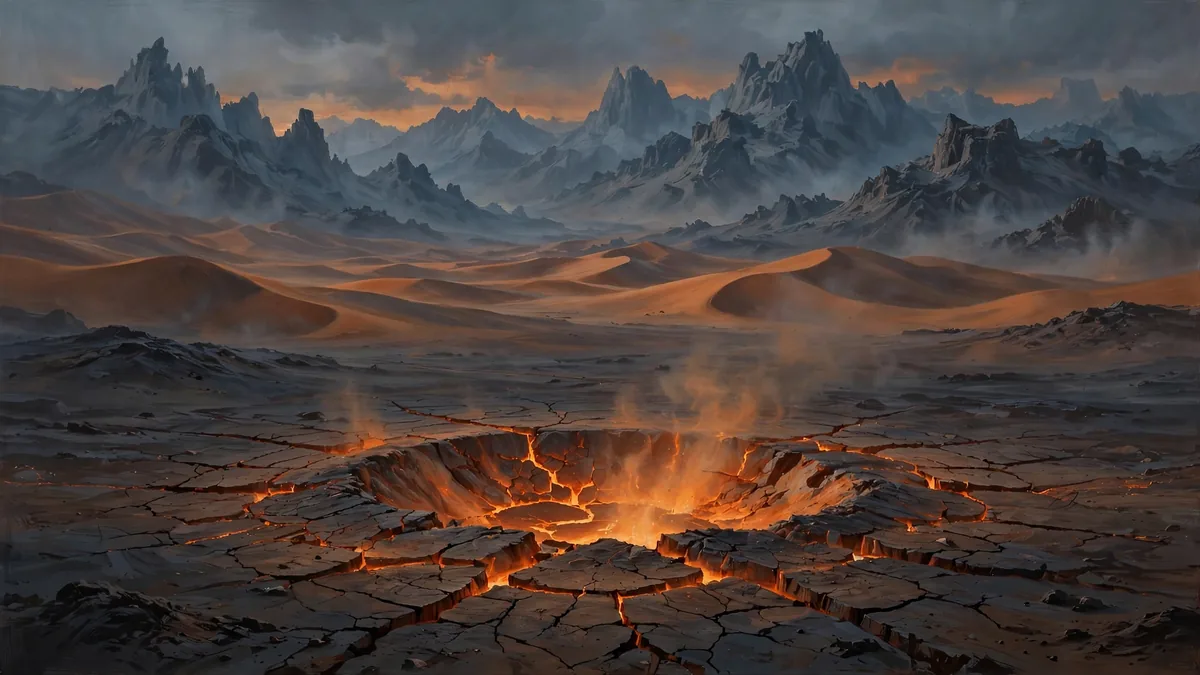
The Darvaza gas crater burns in the remote Karakum Desert of Turkmenistan. The crater is a collapsed gas field that has burned for many years. Moreover, the site has no built visitor infrastructure around its edge. Heat, gas, and unstable ground near the rim are the main hazards.
Still, travellers on organised desert trips sometimes view the crater after dark. The sight is dramatic, especially against the empty desert sky. Responsible operators, however, keep visitors at a sensible distance from the edge. The bottom line is guided caution. See Darvaza only as part of an organised trip, and respect every distance the guide sets.
How to Stay Safe Around High-Risk Destinations
Good decisions matter more than brave attitudes. The travel safety tips for dangerous destinations below apply to every place in this guide. Moreover, they also apply to ordinary trips that sit near advisory areas. Read them before you book anything ambitious.
Check Official Advice First
Firstly, check your own government’s travel advice for the exact region. National foreign ministries publish clear, regularly updated guidance. In addition, check a second official source, such as another government’s advisory pages. If the two sources disagree, follow the more cautious one.
Secondly, recheck the advice shortly before departure. Conditions in high-risk travel destinations can change quickly. A route that looked acceptable months ago may no longer be acceptable. Therefore, flexible bookings and refundable plans are worth their cost here. For contrast, guides to calmer regions, such as the safest places to visit in the Middle East, show how much easier planning becomes in stable destinations.
Respect Closures and Permits
Restricted does not mean challenging. A closure is a legal and safety decision, not a dare. Moreover, entering a closed area can endanger rescue workers as well as yourself. Therefore, treat every permit rule as absolute, even when enforcement looks light.
Similarly, use licensed operators wherever a place requires professional support. Good operators carry local knowledge, emergency plans, and proper equipment. They also know when to turn back, which is a vital skill. In fact, turning back early is a sign of competence, not failure.
Sort Insurance, Health, and Communication
Standard policies often exclude high-risk activities and advisory areas. Therefore, read the wording carefully before you rely on any cover. Proper travel insurance for high-risk trips should include medical evacuation where that matters. If an insurer will not cover the plan, treat that as a warning sign.
Health preparation matters just as much. Visit a travel health professional well before departure for personalised advice. In addition, carry essential medication in your hand luggage, plus a sensible margin. Finally, share your itinerary with someone at home and agree regular check-ins. The roundup of the most dangerous places to visit right now is also worth reading, because current conditions change faster than any single guide.
Safer Ways to Satisfy the Same Curiosity
Curiosity about extreme places is completely natural. Fortunately, safer alternatives often deliver the same sense of wonder. For example, many deserts, volcanoes, and high trails welcome visitors with proper infrastructure. The top 500 places to visit in the world list is a useful place to find dramatic scenery without extreme risk.
Similarly, remote travel does not have to mean dangerous travel. The hidden corners in guides to places to visit in Japan off the beaten path feel adventurous yet remain well supported. Moreover, the best nature places to visit in the world offer wild landscapes with established visitor safety. Adventure seekers can also compare options among the best places to visit in Canada for adventure, where guided wilderness travel is well developed.
Balance helps every traveller, in other words. Reading about the safest place to visit in Africa can sit happily beside reading about the Danakil. One list informs your caution, while the other informs your plans. Together, they make you a better judge of risk overall.
Frequently Asked Questions
What is the most dangerous place in the world to visit?
There is no single agreed answer, because risks differ by type. Restricted islands and active conflict zones are effectively unvisitable. Meanwhile, extreme heat destinations such as Death Valley remain open with careful planning. Therefore, the honest answer depends on whether the danger is legal, environmental, or medical.
Can tourists visit Snake Island or North Sentinel Island?
No, tourists cannot visit either island. Snake Island is closed to protect people and its endangered snakes. North Sentinel Island is legally protected, and visiting it is illegal and dangerous. Consequently, both belong firmly on any list of forbidden places to visit.
Is Chernobyl open to visitors right now?
No, Chernobyl is not open to visitors right now. Access to the exclusion zone has been suspended during the war in Ukraine. Moreover, the wider security situation makes leisure travel inappropriate there. You should wait for official confirmation of reopening before considering any future trip.
Are dangerous places to travel alone a good idea?
Generally, solo travel raises the stakes in high-risk areas. A companion provides help if you feel unwell or plans change suddenly. Furthermore, many extreme places require guides or operators anyway. Therefore, company and professional support are the sensible defaults.
How do I check whether a destination is safe?
Start with your government’s official travel advisory for the exact region. Then check local news and a second government’s guidance for balance. In addition, confirm that your insurance covers the trip you are planning. If official advice says do not travel, respect it without exception.
Final Thoughts
The most dangerous places in the world to visit teach an important lesson. Wonder and risk often live side by side on this planet. However, wonder never requires recklessness, and curiosity never justifies breaking a closure. The travellers who handle these places best are the patient and well-prepared ones.
So read widely, check official advice, and choose your adventures carefully. Some places on this list welcome prepared visitors with professional support. Others, in contrast, must stay admired from a distance forever. Knowing the difference is the mark of a responsible traveller.




