
Most first trips to Taiwan fail in one simple way. However, travellers try to circle the whole island in a week. Moreover, that rush turns lovely places into brief photo stops. This taiwan itinerary 7 days plan therefore does something smarter instead.
The route runs in one direction down the west coast. Firstly, you settle into Taipei for three varied days. Then you pause overnight beside Sun Moon Lake. Finally, you finish through Tainan and Kaohsiung without backtracking north.
Better still, every move follows the high-speed rail spine. You ride south, step off, and explore each base properly. In addition, one clear night market anchors almost every evening. Overall, 7 days in Taiwan first time visitors can actually enjoy starts here.
What does this taiwan itinerary 7 days route look like at a glance?
Think of this taiwan high speed rail itinerary as four linked bases. Each base sits further south than the last one. Furthermore, no base demands a return trip to Taipei. The table below shows the whole shape in seconds.
| Day | Base and focus | Main move | Evening pick |
|---|---|---|---|
| Day 1 | Taipei arrival and Taipei 101 area | Settle in, no intercity travel | Raohe Street market |
| Day 2 | Taipei museums and hot springs | Metro and local buses only | Shilin market |
| Day 3 | Jiufen, Shifen and Yehliu day trip | Out and back from Taipei | Lantern-lit Jiufen |
| Day 4 | Sun Moon Lake overnight | HSR to Taichung, then bus | Lakeside dinner |
| Day 5 | Tainan old town and food | Bus and HSR hop south | Garden Night Market area |
| Day 6 | Kaohsiung Lotus Pond and Pier-2 | Short HSR hop south | Liuhe or Ruifeng market |
| Day 7 | Cijin Island and relaxed finish | Ferry and metro, then depart | Early dinner before leaving |
Geography, importantly, does most of the planning work here. Taipei guards the north, while Kaohsiung anchors the south. Meanwhile, Sun Moon Lake sits naturally between those two poles. Consequently, each travel day feels shorter than the last.
How many days in Taipei?
New visitors ask this question before almost anything else. So, how many days in Taipei does a first trip need? The honest answer for this route is three full days. Fewer days, however, would squeeze the capital unfairly.
Firstly, Taipei rewards slow starts and unplanned neighbourhood wandering. Ximending, Dihua Street and Yongkang Street each feel completely different. Secondly, the big museums genuinely need unhurried hours. A rushed gallery visit, therefore, wastes a world-class collection.
Thirdly, one Taipei day disappears into the northern day trip. Jiufen, Shifen and Yehliu together fill that day completely. Your effective city time, consequently, becomes two days plus evenings. That balance suits first-timers who also want the south. Travellers combining regions may enjoy our guide to what places to visit in South Korea afterwards.
When is the best time to visit Taiwan, and what about typhoon season?
Timing shapes this route almost as much as geography. The best time to visit Taiwan typhoon season aside is autumn. Days then feel warm without summer’s heavy humidity. Furthermore, skies often stay clearer over Sun Moon Lake.
Late spring, similarly, works well for this west-coast route. Temperatures rise, yet the worst summer heat has not arrived. In addition, green hills around Jiufen look especially fresh then. Winter, meanwhile, brings cooler Taipei days and occasional drizzle.
Summer, however, demands more care and flexible planning. Taiwan’s typhoon season generally affects the warmer months most. Storms can disrupt ferries, mountain roads and outdoor plans then. Therefore, summer visitors should keep one day loosely planned.
How do the high-speed rail and EasyCard work together?
Transport on this route feels refreshingly simple once explained. The taiwan high speed rail itinerary logic is purely geographical. Trains run down the western corridor through Taichung and Tainan. Kaohsiung, finally, marks the southern end of your line.
Each intercity leg, importantly, moves you only one direction. You never ride north again after leaving Taipei. Furthermore, stations connect with metros, buses and taxis onward. Your Sun Moon Lake leg, for example, continues by bus from Taichung.
Local travel, meanwhile, runs on one stored-value card. The easycard Taiwan how it works answer is delightfully simple. You load credit, tap on, and tap off again. Metro gates, city buses and many trains accept it.
In addition, convenience stores accept EasyCard for small purchases. Travellers therefore carry less cash for everyday spending. Topping up also happens easily at stations and stores. Keep the card handy, because Taipei days use it constantly.
Longer regional comparisons may interest planners building bigger trips. Our roundup of the top 500 places to visit in the world helps rank Taiwan against global favourites. Taiwan, however, wins easily on transport simplicity alone.
Day 1: Taipei 101, old streets and your first night market
Day one should feel exciting without becoming exhausting. The taipei 101 national palace museum itinerary pairing splits across two days. Today covers the tower, nearby streets and an easy evening. Tomorrow, consequently, gives the museum its own slow morning.
Start, firstly, by settling into your Taipei neighbourhood properly. Drop bags, buy your EasyCard and learn the nearest station. Afterwards, wander one local street before chasing famous sights. That gentle start prevents arrival-day stress from snowballing later.
Taipei 101 and the Xinyi district in the afternoon
Head to Taipei 101 once you feel properly settled. The tower dominates the modern Xinyi district skyline completely. Furthermore, its observatory frames the whole city on clear days. Elephant Mountain, nearby, offers another beloved viewpoint at sunset.
Raohe Street for your first night market dinner
End day one at Raohe Street Night Market. A historic temple guards one entrance to the lane. Moreover, food stalls line the narrow street in tempting sequence. Pepper buns near the entrance draw the longest queues.
Day 2: The National Palace Museum, Beitou and Shilin
Day two delivers Taipei’s deepest cultural contrast in hours. Ancient treasures fill your morning inside a hillside museum. Then hot-spring streets soften the afternoon in Beitou district. Finally, Taiwan’s most famous night market closes the day.
The National Palace Museum, firstly, deserves your freshest attention. Its collection spans centuries of Chinese art and craftsmanship. Jade, bronze, ceramics and calligraphy reward patient, selective viewing. Choose highlights, however, rather than chasing every single gallery.
Beitou hot springs and a slower afternoon
Ride north to Beitou after your museum morning ends. Steaming geothermal valleys explain this district’s long spa culture. Furthermore, a small hot-spring museum tells that story well. Public baths and foot-soaking spots, meanwhile, invite genuine relaxation.
Shilin Night Market in the evening
Finish day two at Shilin, Taipei’s biggest night market. Stalls spread through streets and a large food hall. Moreover, games, clothes and snacks compete loudly for attention. First-timers, consequently, should arrive hungry and wander without plans.
Our guide to places to visit in Japan off the beaten path suits travellers extending this trip northwards. Japan and Taiwan, notably, share a love of night markets and trains. Tonight, however, Shilin alone provides more than enough stimulation.
Day 3: The Jiufen, Shifen and Yehliu day trip
Day three leaves the city for Taiwan’s dramatic northeast coast. The jiufen shifen yehliu day trip combines three distinct stops. Rocky coastline starts the day, while waterfalls follow afterwards. Lantern-lit lanes, finally, provide the perfect evening finale.
Order, importantly, makes or breaks this popular day trip. Yehliu works best first, before midday crowds build up. Shifen then fills the afternoon with waterfall and lanterns. Jiufen, saved for last, glows beautifully after darkness falls.
Yehliu Geopark and its famous rock formations
Start at Yehliu Geopark on the wild northern coast. Wind and sea have sculpted strange mushroom-shaped rocks here. Furthermore, the famous Queen’s Head formation draws photographers constantly. Paths, however, stay exposed, so sun protection matters greatly.
Shifen Waterfall and releasing a sky lantern
Continue inland to Shifen in the Pingxi valley. A broad waterfall pours through lush green forest there. Furthermore, suspension bridges and viewing decks frame it beautifully. The walk in, meanwhile, stays gentle and well marked.
Old Street in Shifen runs directly along railway tracks. Visitors release painted sky lanterns from the line itself. Additionally, trains pass slowly through the street at intervals. Stand clear, follow local guidance and enjoy the spectacle safely.
Jiufen after dark, the timing tactic that matters
Arrive in Jiufen before the late-afternoon tour groups peak. That timing tactic transforms this famous former gold town. Firstly, you explore Shuqi Road’s stairs while breathing room remains. Teahouses, secondly, still offer window seats overlooking the coast.
Dusk, however, brings the moment everyone secretly came for. Red lanterns flicker on along the stepped lanes gradually. Moreover, the A-Mei Teahouse silhouette glows against darkening hills. Crowds thin after dinner, so linger rather than rushing back.
Eat taro balls, browse craft shops and sip oolong slowly. Buses and tours, meanwhile, connect Jiufen back to Taipei. Alternatively, a taxi may suit groups travelling together late. Our guide to what are the best places to visit in China helps travellers comparing historic old towns regionally.
Day 4: South to Sun Moon Lake for the night
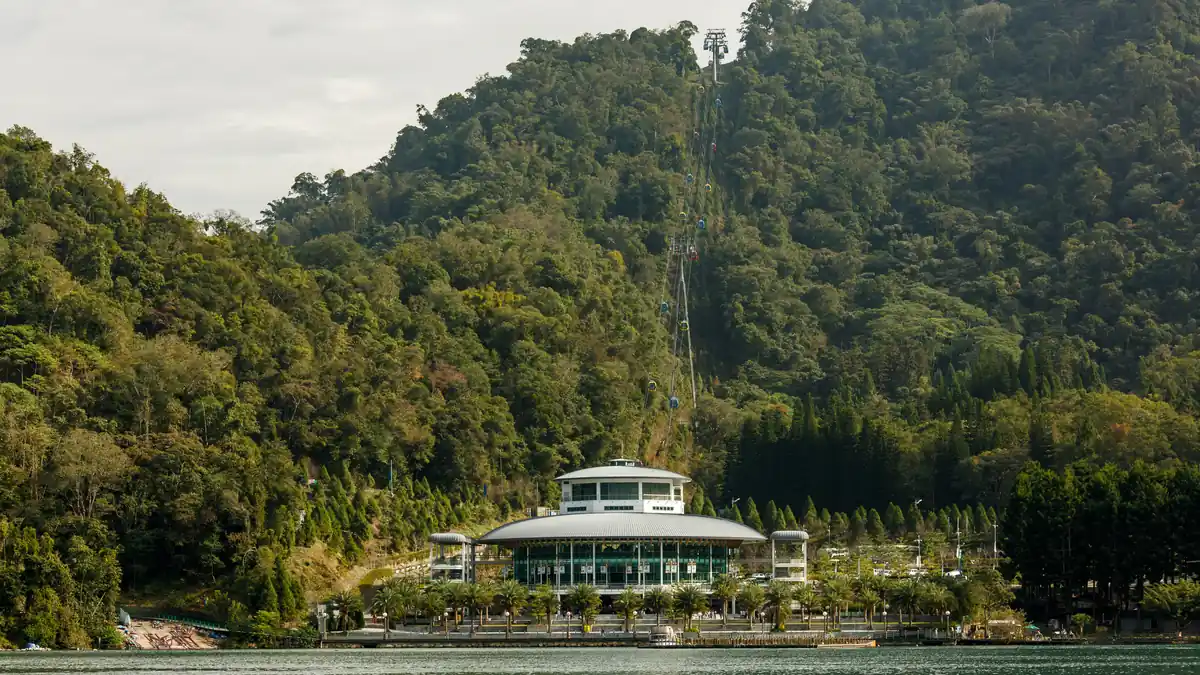
Day four changes the trip’s whole mood and pace. Mountains replace towers, and still water replaces traffic. Moreover, the journey south becomes part of the pleasure. Ride the HSR to Taichung, then continue by bus.
Pack, firstly, an overnight bag you can carry easily. Lakeside paths and boat piers reward light, mobile travellers. Furthermore, leaving Taipei behind feels symbolic at this midpoint. Your route, from here, only moves further south.
Arrive, hopefully, with enough afternoon left for the lake. Shuishe, the main visitor hub, offers rentals and boat tickets. In addition, lakeside trails begin almost directly from town. A gentle first walk, therefore, beats an ambitious full circuit.
Should you choose a Sun Moon Lake day trip or overnight stay?
This question decides whether the lake feels rushed or magical. The sun moon lake day trip or overnight debate ends clearly here. Overnight wins, comfortably, for almost every first-time visitor. Day-trippers, however, spend their best hours simply getting there.
Staying overnight, firstly, gives you the lake at dawn. Mist often drifts across calm water before breakfast. Secondly, evenings feel peaceful after tour buses depart lakeside. Sunsets, moreover, colour the surrounding mountains beautifully in clear weather.
Cycling, notably, becomes realistic only with an overnight stay. The lakeside path ranks among Taiwan’s prettiest riding routes. Furthermore, boats connect Shuishe with Xuanguang and Ita Thao. Each pier, consequently, opens a different temple or food stop.
Visit Wenwu Temple for its grand lake-facing terraces. Ita Thao, meanwhile, introduces Thao indigenous culture and snacks. In contrast, a rushed day trip sees mainly one pier. Sleep here tonight, because tomorrow’s Tainan move stays manageable.
Day 5: Onwards to Tainan, Taiwan’s oldest city
Day five trades mountain calm for Taiwan’s richest food city. Travel back towards Taichung, then ride south by HSR. Tainan, importantly, developed long before modern Taipei existed. Temples, forts and snack stalls fill its historic core.
Start, firstly, with a slow Sun Moon Lake morning. Breakfast beside the water beats an anxious early departure. Afterwards, retrace the bus and rail connection southwards calmly. Arrive in Tainan ready to eat your way onwards.
A Tainan old town food guide in one afternoon
Consider this tainan old town food guide your delicious homework. Anping, the old harbour district, rewards an afternoon visit. Fort Zeelandia’s remains recall the Dutch colonial era there. Tree houses and old merchant streets, meanwhile, add shaded wandering.
Snacks, however, define Tainan more than any single monument. Coffin bread, milkfish dishes and shrimp rolls appear everywhere. Furthermore, danzai noodles carry a proud local food heritage. Eat small, share widely and pace yourself through afternoon.
Temples, notably, punctuate almost every old-town walking route. Confucius Temple grounds offer calm, leafy relief between meals. In addition, Chihkan Tower blends gardens, pavilions and history gracefully. Our guide to what are the best places to visit in Singapore makes an easy pairing for food lovers afterwards.
Evening, finally, belongs to Tainan’s generous night market scene. Garden Night Market operates on selected evenings each week. Check the day carefully, because large markets rotate schedules. Alternatively, smaller streets near your hotel always feed you well.
Day 6: South to Kaohsiung, Lotus Pond and Pier-2
Day six uses the shortest and easiest rail hop yet. Tainan to Kaohsiung feels like a gentle southern slide. Moreover, Kaohsiung greets you with harbour air and space. The kaohsiung lotus pond pier 2 cijin island trio structures your stay.
Start, firstly, at Lotus Pond in the older Zuoying district. Temples and pavilions rise directly from the water there. Furthermore, the Dragon and Tiger Pagodas dominate every photograph. Walk the causeways slowly, because each angle changes completely.
Confucius Temple and spring-autumn pavilions, meanwhile, reward full circuits. Lotus flowers brighten the water during warmer months especially. In addition, local families give the area an everyday feel. This stop, consequently, balances sightseeing with genuine local life.
Pier-2 Art Center and the harbour in the afternoon
Head south to Pier-2 Art Center after Lotus Pond. Old harbour warehouses now hold exhibitions, murals and shops. Furthermore, grassy rail tracks invite picnics between gallery visits. Street art, meanwhile, spreads colour across whole warehouse walls.
Harbour views, notably, open up as afternoon light softens. Ferries cross towards Cijin, which tomorrow explores properly. In contrast, rushing Cijin today would spoil both stops. Enjoy Pier-2, eat nearby and keep tomorrow unhurried instead.
End, finally, at a Kaohsiung night market of choice. Liuhe offers a central, visitor-friendly food street experience. Ruifeng, alternatively, feels larger, louder and more local. Seafood, papaya milk and grilled snacks headline both markets strongly.
Day 7: Cijin Island and a relaxed Kaohsiung finish
Day seven slows right down beside the harbour and sea. Cijin Island sits just across the water from Pier-2. A short ferry ride, moreover, delivers a completely different mood. Beaches, temples and seafood streets fill your final hours.
Rent, firstly, a bicycle near the Cijin ferry landing. The island’s flat lanes suit gentle, unhurried coastal riding. Furthermore, a historic lighthouse watches over the harbour entrance. Its climb, though short, rewards you with sweeping views.
Seafood lunch, secondly, becomes the day’s delicious centrepiece here. Restaurants line the main street near the ferry pier. In addition, Tianhou Temple anchors Cijin’s spiritual life nearby. Shell sculptures and beach walks, meanwhile, fill the afternoon gently.
Leave, finally, with generous time for your onward departure. Kaohsiung’s metro connects the harbour districts with main stations smoothly. Moreover, some travellers depart directly from Kaohsiung’s airport onward. Others, alternatively, ride the HSR north for international flights.
Our guide to where is the best place to visit in Malaysia suits travellers continuing south after Taiwan. Island hopping, notably, feels natural after Cijin’s easy seaside pace. Tonight, however, Taiwan’s harbour city deserves your full farewell.
Which night market should you pick in each city?
Food lovers rightly treat night markets as headline attractions here. The best night markets taiwan route version picks one per city. Raohe wins in Taipei for first-timers seeking classic snacks. Shilin, however, suits visitors wanting sheer size and variety.
Tainan, meanwhile, plays by its own delicious local rules. Its rotating large markets reward careful weekday checking beforehand. Smaller evening streets, furthermore, guarantee backup options every night. Snack culture there, consequently, feels woven into daily life.
Kaohsiung, finally, splits its loyalties between two strong favourites. Liuhe wins for location, seafood and easy visitor navigation. Ruifeng, in contrast, wins for scale and local energy. Choose one nightly, eat slowly and never order everything first.
Our guide to the best place in Thailand to visit continues this night-market theme regionally. Bangkok’s markets feel louder, while Taiwan’s feel more orderly. Both traditions, however, reward hungry travellers who graze patiently.
What should you skip in seven days?
Honesty about omissions makes this itinerary stronger, not weaker. A taiwan itinerary without east coast coverage still delivers enormously. Taroko’s marble gorge and Hualien’s coast deserve dedicated time. Cramming them eastwards, however, breaks the route’s one-direction logic.
Firstly, the east coast uses entirely different rail lines. Reaching it means backtracking or long cross-island journeys. Secondly, seven days already fill four bases quite comfortably. Adding Hualien, consequently, would steal nights from everywhere else.
Save the east, instead, for a slower second trip. Ten days or more would transform that journey completely. Moreover, mountain weather deserves flexible spare days there too. Skipping deliberately, therefore, protects the trip you actually take.
Should you add Alishan or Kenting instead?
Many readers eye the alishan or kenting add on temptations. Alishan’s forest railway and sunrise seas of cloud look magical. However, its mountain journey demands an overnight detour upwards. That detour, consequently, replaces Sun Moon Lake rather than complementing it.
Kenting, similarly, pulls you far beyond Kaohsiung’s harbour city. Its beaches and national park deserve two nights minimum. Squeezing it into day seven, therefore, guarantees a rushed farewell. Choose it only by extending your whole trip southwards.
Verdict, plainly, is to skip both on this exact itinerary. Your week already balances cities, lake, coast and food. Furthermore, a future trip can pair Alishan with Chiayi properly. Kenting, meanwhile, pairs naturally with a longer Kaohsiung stay.
Frequently asked questions
Can you really see Taiwan in seven days?
You can see Taiwan’s western highlights honestly in seven days. This route covers Taipei, Sun Moon Lake, Tainan and Kaohsiung. Moreover, the one-direction flow removes wasted backtracking time entirely. The east coast, however, waits for a longer return.
Do you need to book high-speed rail seats ahead?
Booking ahead helps during weekends and national holiday periods. Popular southbound services can fill at peak travel times. Furthermore, reserved seats remove platform stress for luggage carriers. Weekday travellers, meanwhile, usually enjoy more spontaneous flexibility.
Is Taiwan easy to visit without speaking Mandarin?
Taiwan feels welcoming and manageable for English-speaking first-timers overall. Stations display English signage alongside Chinese characters throughout networks. Moreover, translation apps handle menus and short conversations easily. Hotel staff and younger travellers, additionally, often speak English.
What should you pack for this route?
Pack light layers, comfortable walking shoes and rain protection. Taipei drizzle, mountain chill and southern sunshine can alternate. Furthermore, a small daypack suits day trips and markets perfectly. Umbrellas, notably, sell everywhere, so bulky gear stays home.
Final verdict on this one-direction Taiwan route
This taiwan itinerary 7 days plan succeeds through deliberate restraint. Four bases, one direction and no backtracking northwards. Moreover, each base offers a completely different Taiwanese flavour. Taipei buzzes, the lake calms, Tainan feeds and Kaohsiung breathes.
Remember, finally, the three tactics that elevate this route. Stay overnight at Sun Moon Lake without debating it further. Reach Jiufen early, then linger for its lantern-lit evening. Skip the east coast proudly, because seven days have limits.
Travel south slowly, eat at one market every night. Taiwan will reward that simple, confident rhythm enormously.




