
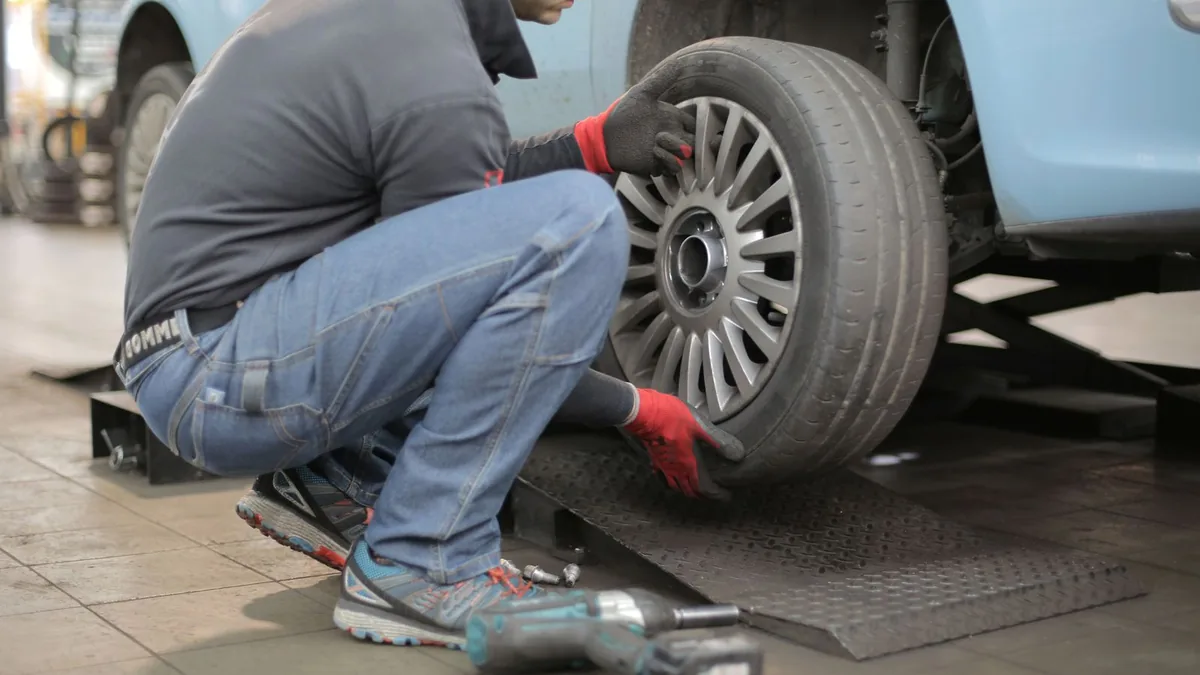
Finding a workshop you trust changes car ownership completely. Suddenly, a strange noise feels manageable instead of frightening. Moreover, routine visits stop feeling like a gamble. A good complete auto service shop handles maintenance, diagnostics and repairs under one roof. Consequently, you build one clear service history over time. This guide explains what complete cover really includes. Additionally, it shows the trust signals worth checking before you commit. You will also learn the red flags that should send you elsewhere.
Drivers often search for help only after something breaks. However, the smartest time to choose a shop is before trouble starts. For example, a calm comparison today prevents panic decisions tomorrow. Similarly, a small test visit reveals how a team communicates. A name such as Martinez Complete Auto Service promises breadth in a single visit. Nevertheless, breadth alone never proves quality or honesty. Instead, judge every shop by evidence, process and clear paperwork. Ultimately, your vehicle deserves care that you can verify.
What Does Complete Auto Service Actually Mean?
Complete service means far more than a quick oil change. Firstly, the shop inspects the whole vehicle systematically. Secondly, technicians record findings in a clear, prioritised report. Therefore, you see what needs attention now and what can wait. In addition, a complete shop covers several systems in-house. Brakes, electrics, tyres, cooling and air conditioning sit together. As a result, one visit can solve connected problems properly. Fragmented repairs, by contrast, often miss the underlying cause.
A proper car service checklist keeps that inspection consistent. Specifically, it lists fluids, filters, brakes, steering and lights. Furthermore, it covers the battery, belts, hoses and suspension parts. Technicians then tick off each item as they check it. Meanwhile, you receive the completed checklist with your invoice. That document matters more than a vague verbal summary. Indeed, written findings let you compare quotes fairly elsewhere. Keep every checklist, because patterns emerge across several visits.
Which Services Should a Complete Shop Cover?
Range matters, although depth matters even more. A complete shop should handle routine maintenance confidently every day. Additionally, it should diagnose faults instead of guessing at parts. Below, the core services appear in practical groups. Each group protects safety, comfort or long-term reliability. Moreover, each one connects naturally to the others. For instance, worn tyres can signal an alignment problem underneath. Similarly, a weak battery can mimic a starter motor fault. Good technicians, therefore, think in systems rather than single parts.
Brake Repair and Inspection for Confident Stopping
Brakes deserve attention before almost everything else on the car. During a brake repair and inspection, technicians measure pad thickness carefully. They also check discs, calipers, hoses and brake fluid condition. Consequently, small wear issues surface before stopping distances grow. Listen, meanwhile, for squealing, grinding or a soft pedal feel. Additionally, watch for pulling to one side under braking. A trustworthy shop explains which parts truly need replacement. Furthermore, it returns your old parts when you request them.
Engine Diagnostics and the Check Engine Light
Modern cars report many faults through dashboard warning lights. Proper vehicle diagnostics starts with scanning those stored fault codes. However, a code alone never tells the whole story. Skilled technicians then test sensors, wiring and live data streams. For example, one code can have several different root causes. Therefore, replacing parts on code alone wastes your money. A careful engine diagnostics check engine light process confirms the fault first. Only afterwards should anyone recommend a specific repair.
Oil Change Service and Essential Fluids
Clean oil protects the engine from heat and friction daily. An oil change service also replaces the filter at the same time. Additionally, technicians inspect for leaks around seals and gaskets. Other fluids matter too, including coolant and transmission fluid. Moreover, power steering and washer fluids complete the basic picture. A thorough fluid top-up and replacement routine follows the manufacturer specification exactly. Using the wrong grade, by contrast, can harm sensitive components. Always confirm which oil grade the shop plans to use.
Tyres, Rotation and Wheel Alignment
Tyres form your only contact with the road surface. Regular tyre rotation and wheel alignment checks keep wear even. Furthermore, correct pressures improve grip and fuel economy noticeably. Our guide to the car wheel bolt pattern and PCD measurement helps when wheels change. Similarly, skipping checks carries real costs over time. Indeed, our article on what happens if wheel alignment is skipped explains the damage clearly. Choosing rubber also matters, as our Land Cruiser tyre guide for daily and off-road use shows. Heat resistance counts especially in hot climates, so compare brands carefully. The Nexen versus Kumho heat resistance comparison offers a useful example.
Car AC Service, Electrics and Battery Care
Weak cooling usually signals more than low refrigerant gas. A proper car AC service checks compressors, condensers and cabin filters. Additionally, technicians test for leaks before regassing the system. The same visit should cover battery health and charging output. Consequently, slow starting problems get caught before a breakdown. General guidance on air conditioning repair services shows how wide AC work can be. Electrical faults, meanwhile, need patient testing rather than guesswork. Lights, windows and sensors all rely on healthy wiring.
Multi-Point Vehicle Inspection and Safety Checks
A structured multi-point vehicle inspection ties every section together neatly. Typically, it reviews around twenty or more individual checkpoints. Steering, suspension, exhaust and underbody condition all appear. Moreover, lights, wipers and horn operation get tested too. The report should rank findings by urgency and safety impact. Therefore, you can plan spending across months sensibly. Urgent safety items come first in any honest report. Cosmetic or minor items, in contrast, can safely wait. Ask for photos, because images make wear easy to judge.
How Does Preventive Maintenance Protect Your Budget?
Preventive car maintenance replaces small, planned costs for large surprises. For instance, fresh coolant prevents overheating damage to the engine. Similarly, timely brake pads protect the more expensive discs. Small leaks also stay cheap when caught early enough. However, ignored leaks quickly damage neighbouring parts as well. A documented car maintenance schedule keeps these jobs visible. Consequently, nothing important depends on memory or guesswork. Over years, that discipline preserves resale value too. Buyers trust cars with complete, stamped service histories.
Budgeting becomes easier when maintenance stays predictable and planned. Spreading smaller services across the year smooths your spending. Additionally, planned visits rarely need emergency towing or rentals. Financing knowledge helps when a larger repair becomes unavoidable. Our roadmap to bad credit auto financing options explains borrowing decisions clearly. Insurance choices also shape the true cost of ownership. For example, our guide to affordable car insurance protection outlines cover worth comparing. Together, maintenance, finance and insurance form one ownership plan.
Which Trust Signals Separate Good Shops From Risky Ones?
Trust grows from verifiable habits, not polished marketing claims. Firstly, look for a qualified and certified mechanic team. Certification shows training, although experience still matters enormously. Secondly, expect a written estimate before any work begins. Moreover, the estimate should separate parts and labour clearly. Thirdly, ask about the auto service warranty on completed work. A confident shop guarantees parts and labour in writing. Securing approval before extra work is equally important. No honest shop adds repairs without your clear permission.
Communication style reveals plenty during your very first call. Patient answers, for instance, suggest a respectful workshop culture. Conversely, rushed or vague answers signal future frustration. Reviews help too, provided you read them critically. Look for patterns about honesty, timing and problem solving. Furthermore, check how the shop responds to criticism publicly. A clean, organised workshop also reflects careful working habits. Finally, ask whether the same technician can follow your car. Continuity builds knowledge of your vehicle history over time.
- Written estimates arrive before work starts, every single time.
- Certification and training appear current and easy to verify.
- Warranty terms cover parts and labour in plain language.
- Old parts come back to you when replacements happen.
- Approval first applies whenever extra faults appear mid-job.
Which Red Flags Should Make You Walk Away?
Some warning signs deserve an immediate and polite exit. For example, a shop may refuse any written estimate. Alternatively, staff may pressure you with urgent scare tactics. Vague pricing like a single unexplained total is another concern. Moreover, demands for full payment before diagnosis should worry you. A trustworthy mechanic never fears your reasonable questions. Instead, good technicians welcome scrutiny and explain options calmly. Refusal to show old parts also undermines confidence quickly. Cash-only demands without invoices complete the classic warning list.
Price extremes at either end should prompt careful questions. An unusually low quote often hides skipped checks or poor parts. Conversely, the highest quote does not guarantee the best work. Therefore, compare itemised estimates rather than totals alone. Ask which parts brand each quote actually includes. Additionally, confirm whether fluids, disposal and taxes appear separately. Hidden extras, after all, inflate many apparently cheap deals. Getting a second opinion costs little on major repairs. That pause, meanwhile, has saved many drivers serious money.
What Questions Should You Ask Before Approving Work?
Good questions turn a sales conversation into a clear agreement. Start by asking what exactly caused the reported fault. Then ask which parts need replacement and which can wait. Additionally, confirm whether new, remanufactured or used parts are proposed. Ask, moreover, how long the repair should reasonably take. Warranty coverage deserves a direct question in plain words. Finally, request the total price including taxes and fees. Written answers protect you if disagreements appear later.
- What did the diagnostic test actually show on my car?
- Which repairs are urgent today, and which can wait safely?
- Will you call me before doing any extra work?
- What warranty covers both the parts and the labour?
- Can I see the old parts after the repair?
- How long will the vehicle stay in the workshop?
Notice how each question invites a specific, checkable answer. Vague reassurance, by contrast, gives you nothing to hold onto. Moreover, a good adviser answers without irritation or hurry. If answers conflict with the written estimate, pause everything. Clarify the difference calmly before signing any authorisation form. Consequently, both sides share identical expectations from the start. That shared clarity prevents most disputes in auto repair. Keep the signed estimate with your service records always.
How Can You Follow a Maintenance Schedule Without Stress?
Start with the schedule inside your vehicle owner manual. Manufacturers design intervals around your exact engine and model. Therefore, generic internet intervals should never override that book. Follow your vehicle manufacturer schedule as the primary rule. Additionally, consider how and where you actually drive. Dusty roads, heavy traffic and short trips increase wear. Consequently, your technician may suggest slightly earlier fluid changes. Such adjustments make sense when explained with clear reasoning.
Simple habits between services protect the car every week. Check tyre pressures regularly, especially before long journeys. Moreover, glance at fluid levels when the engine is cool. Listen, similarly, for new noises during quiet drives. Warning lights always deserve prompt attention, never hopeful ignoring. Small monthly checks take minutes but reveal developing problems. Furthermore, washing the underbody in salty conditions limits corrosion. Keep a simple log, because dates and mileage guide decisions. Your future self will thank you at resale time.
What Should Your First Visit to a New Shop Look Like?
Begin with a small, low-risk job for your first visit. An inspection or oil service suits that test perfectly. Observe, meanwhile, how staff book you in and communicate. Afterwards, review the checklist and invoice for clarity and detail. Did the team flag issues with evidence and priorities? Did they respect the approved price without surprise additions? If both answers satisfy you, confidence grows naturally. Subsequently, you can trust the shop with larger repairs. One careful trial beats months of anxious guessing.
Records from that first visit start your new history file. Store invoices, checklists and warranty notes together safely. Additionally, note the technician name and any advice given. Over time, that file shows wear patterns and recurring faults. Consequently, future diagnoses become faster and more accurate. A complete shop values customers who keep good records. Moreover, organised owners usually receive clearer recommendations in return. Good vehicle care, ultimately, is a partnership built steadily. Choose partners who communicate, document and guarantee their work.
Frequently Asked Questions About Complete Auto Service
How often should a car receive a complete service?
Follow the interval stated in your vehicle owner manual. Most manufacturers set schedules by time or mileage together. However, harsh driving conditions can justify earlier attention sometimes. Your technician can adjust the plan after inspecting the car. Therefore, treat general guidance as a starting point only. The manual and your actual usage decide the final answer.
What is the difference between an inspection and a repair?
An inspection identifies condition, wear and developing faults systematically. A repair, by contrast, fixes a confirmed problem directly. Inspections therefore come first in any logical service process. Moreover, inspection findings help you prioritise repair spending wisely. Sometimes the inspection concludes that no repair is needed. That honest outcome, incidentally, is a strong trust signal.
Can one shop really handle every vehicle system?
Many complete shops cover most everyday systems confidently in-house. Nevertheless, highly specialist work may still need outside expertise. Honest shops admit limits and arrange trusted specialist referrals. Consequently, transparency about capability matters more than bold claims. Ask directly which jobs the shop sends elsewhere. Clear answers show professionalism rather than weakness or evasion.
Why does a written estimate matter so much?
A written estimate fixes the agreed scope and price clearly. It also separates parts, labour and taxes for comparison. Furthermore, it records your approval before work begins properly. Without writing, memories differ when the final bill arrives. Therefore, insist on paperwork for every job, however small. Reliable shops treat that request as completely normal practice.
Final Thoughts on Choosing Vehicle Care You Can Trust
Complete care means inspection, maintenance, diagnostics and repair working together. Moreover, it means clear estimates, real warranties and honest priorities. Choose a shop that documents findings instead of pushing parts. Additionally, start small, keep records and review communication carefully. Your car will reward that discipline with reliability and safety. Finally, remember that trust is earned through repeated, verifiable actions. Pick a workshop that proves itself on every single visit.




