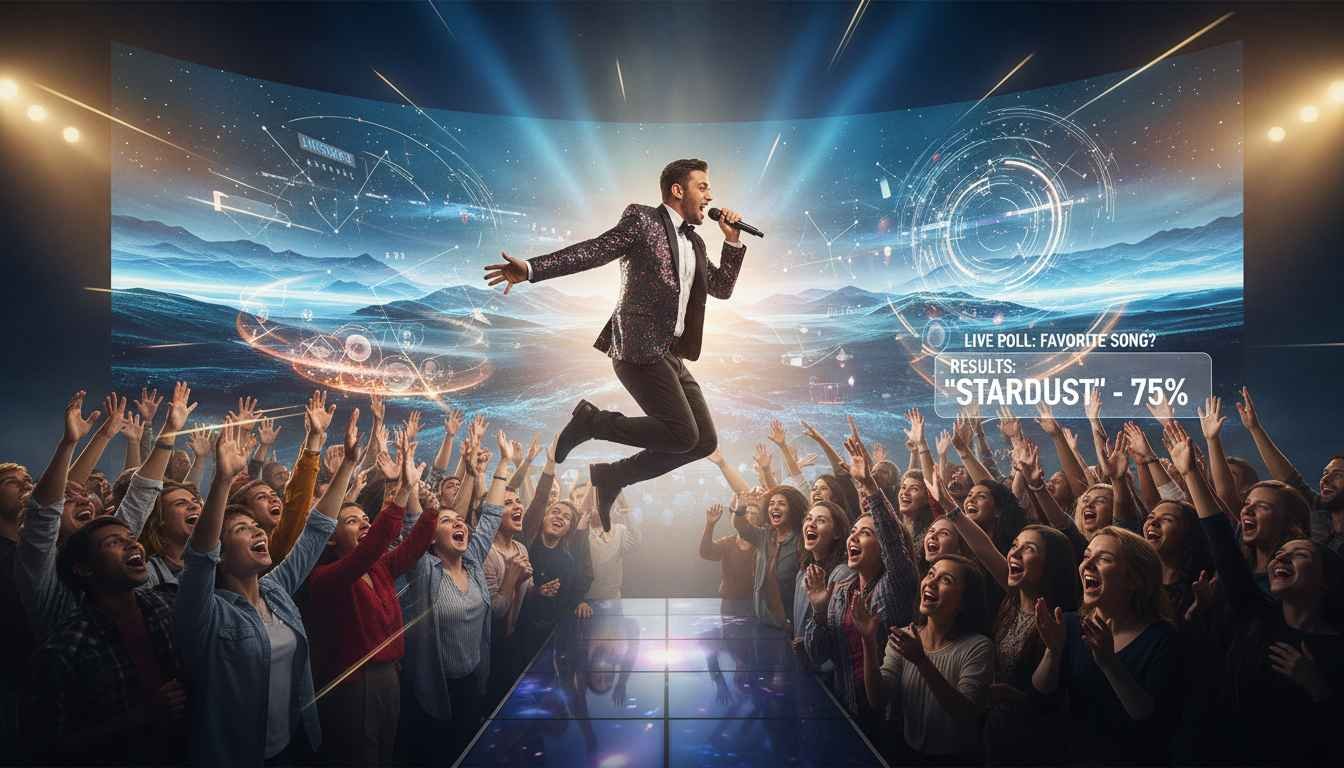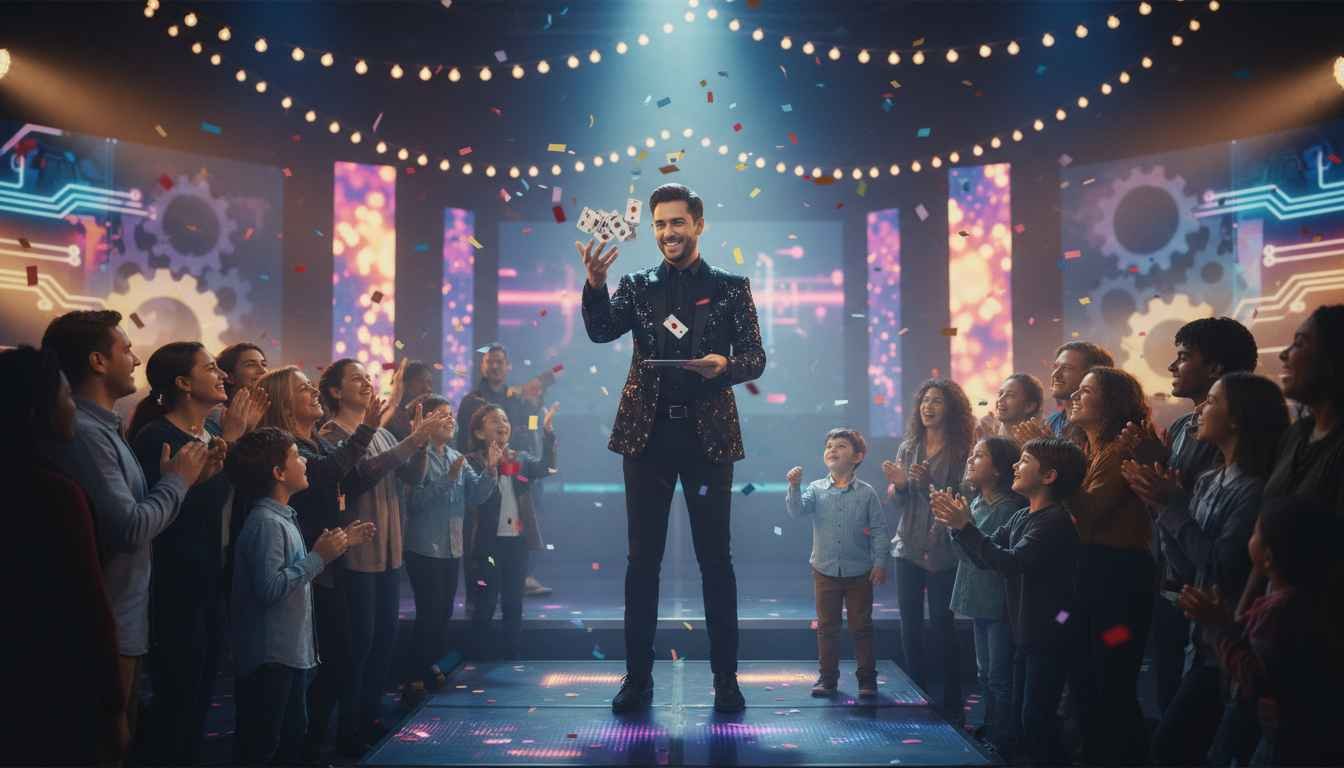
Imagine waking up tomorrow and finding yourself in a room where the line between audience and performer has completely disappeared. No more passive clapping or awkwardly standing by – this is the realm of interactive event entertainment, where your participation isn’t optional, it’s essential. From music festivals to corporate galas, this trend is shaking up the way we experience events, demanding full-on engagement from every attendee.
Interactive event entertainment is more than just a buzzword – it’s a movement that transforms ordinary gatherings into unforgettable experiences. Think immersive VR dance floors, live art installations, or gamified networking lounges. The goal? To make each guest feel like they are a co-creator rather than just a spectator. This approach has skyrocketed in popularity because people crave connection, excitement, and stories they can brag about on social media the next day. It’s where the ordinary meets the extraordinary.
One shining example comes from Madonna’s own Madonna world-class events, where concertgoers are no longer just audience members. Interactive light shows synced with fan movements and on-stage surprise guest experiences have elevated her shows from mere concerts to full-blown participatory spectacles. These events prove that when entertainment becomes interactive, engagement – and ticket sales – can hit stratospheric heights.
1. The Tech Innovators
Leading the charge in interactive entertainment are companies that merge technology and creativity. Think VR and AR experiences that let attendees step into virtual worlds or apps that allow guests to vote on performances in real-time. The innovators here include startups like TheWaveVR, which has reimagined live music in virtual spaces, and Moment Factory, known for immersive multimedia installations that pull participants into the story. These companies aren’t just providing entertainment – they’re redefining the rules of audience participation.
2. The Immersive Event Pioneers
If tech is the engine, immersive event planners are the visionary drivers. Companies like Secret Cinema and Meow Wolf create environments where attendees wander through narrative-driven spaces, often interacting with actors and performers. The impact? Guests don’t just watch a story – they live it. Brands are increasingly hiring these pioneers to deliver high-impact product launches and experiential campaigns that stick in the minds of participants long after the event ends.
3. The Gamification Gurus
Gamification experts are turning networking and corporate events into competitive, playful experiences. Using points systems, scavenger hunts, and interactive challenges, these pros make attendees active participants. For example, Deloitte’s Innovation Challenge integrates gamification at conferences, allowing employees to collaborate creatively and solve problems in real-time. The result is higher engagement, retention of information, and, yes, serious bragging rights.
As the landscape of event planning continues to evolve, the demand for unique and engaging experiences has surged, leading to the rise of innovative concepts in interactive event entertainment. This dynamic field not only captures the attention of attendees but also fosters deeper connections and memorable moments. In this article, we will explore the key players reshaping the event entertainment scene, from cutting-edge technology providers to creative event planners. Understanding who is making waves in this space is essential for anyone looking to elevate their events and ensure they stand out in a crowded market. Join us as we delve into the exciting world of interactive experiences that are redefining how we celebrate and connect.
4. The Sensory Experience Masters
Some entertainers focus less on tech and more on stimulating the senses. Chefs, mixologists, and performance artists are creating multi-sensory experiences that combine taste, touch, sound, and visual spectacle. Guests might craft their own cocktails while watching a live art performance or participate in a food-pairing journey that feels like stepping into another world. Companies like Eatertainment are perfect examples, proving that immersion isn’t always digital – it can be deliciously tangible.
Potential Drawbacks
Interactive event entertainment isn’t for everyone. Some attendees crave traditional, passive experiences and can feel overwhelmed or anxious in highly participatory settings. Events that rely heavily on tech can also alienate guests who aren’t comfortable with digital interaction. Budget is another consideration; immersive setups often require significant investment in equipment, space, and staffing. Planners must weigh these factors carefully to avoid guest dissatisfaction or logistical nightmares.
Case Study: Beyoncé’s Coachella 2018 Performance
Take Beyoncé’s legendary Coachella 2018 set, which blended live performance, interactive crowd moments, and multimedia storytelling. The audience didn’t just watch; they were part of a dynamic narrative that included marching band interactions and on-stage choreography involving selected fans. The result was an event that transcended traditional entertainment, becoming a cultural moment replayed across social media worldwide. This demonstrates how interactive elements can elevate a performance into an unforgettable shared experience.
Glossary
AR (Augmented Reality): Digital overlays on the real world, often viewed through smartphones or AR glasses.
Gamification: Applying game mechanics to non-game settings to increase engagement.
Immersive Experience: An environment or event designed to fully involve the senses and participation of attendees.
Whether you’re a brand looking to elevate your event or an attendee craving next-level experiences, interactive event entertainment is reshaping the landscape. It’s bold, participatory, and unapologetically unforgettable. The question isn’t whether to join – but how fully you’re ready to dive in.