
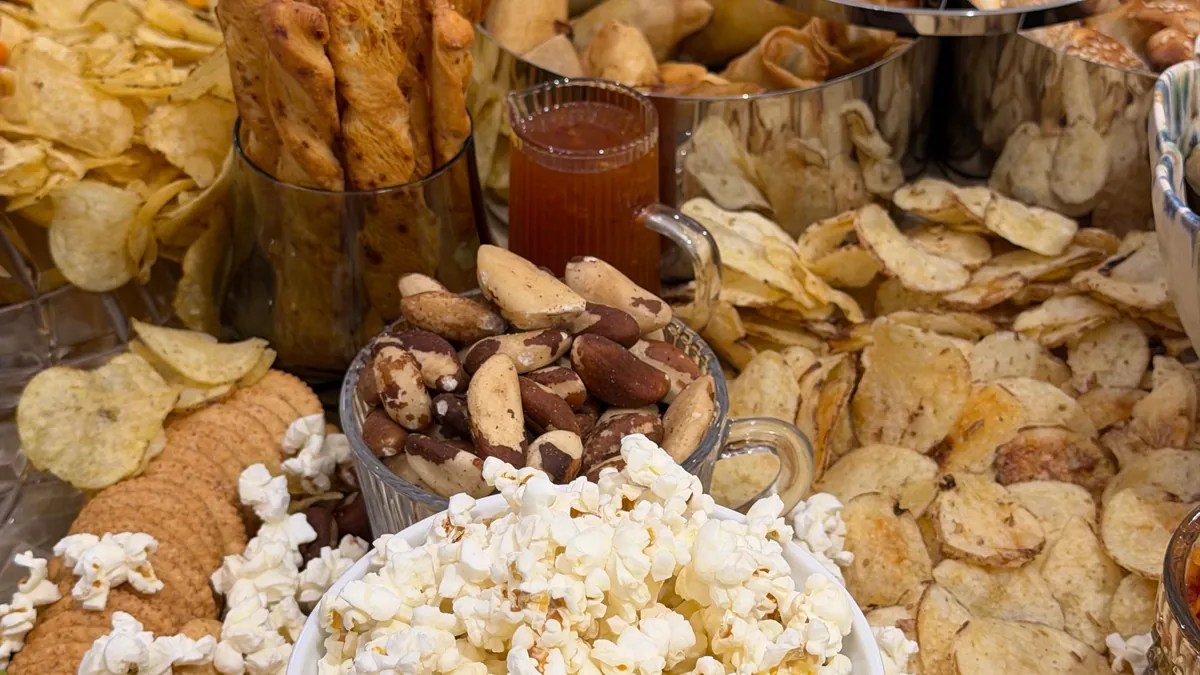
A snack is a small food eaten between meals. It can be a handful of nuts, a piece of fruit, a cracker, or a warm bite from a street stall. On the surface, these foods seem to share little beyond size. Yet they all answer the same everyday need: something quick, satisfying, and easy to eat without sitting down to a full meal. Understanding how snacks work means looking past individual foods and seeing the system behind them.
Consider this article snacks explained in plain language, and also a snack foods guide to the whole idea rather than a list of products. It covers portion, texture, timing, sharing, and packaging. In addition, it looks at how snacking differs from place to place and how it changed over time. For example, a crisp cracker and a soft piece of fruit work in completely different ways, even though both count as snacks. Similarly, a snack eaten alone at a desk feels different from one passed around a table. By the end, you will see snacks not as random extras, but as a flexible system with its own logic.
What Makes Something a Snack?
A snack is defined less by what it is and more by how it is eaten. Meals usually have a set time, a plate, and several parts. Snacks, in contrast, are smaller, faster, and often eaten with the hands. They can stand alone, or they can fill a gap between larger meals. Consequently, almost any food can become a snack when it is served in a small portion at an in-between moment.
Portion is the clearest marker. A snack portion is meant to be finished quickly, often in a few bites. However, size alone does not tell the whole story. A small bowl of soup at lunch is still part of a meal, while the same soup sipped from a cup on a walk feels like a snack. Context matters as much as quantity. Therefore, snacking is best understood as a way of eating, not a fixed food group.
Timing plays a similar role. Snacks appear in the gaps: mid-morning, mid-afternoon, late evening, or during travel. They also appear during activities, such as watching a film, walking through a market, or waiting for a train. In short, a snack fits into life rather than stopping it. That flexibility is the reason snacking survives in every food culture.
How Do Snacks Fit Between Meals?
Meals anchor the day, while snacks fill the spaces around them. Breakfast, lunch, and dinner give structure, and snacks soften the long stretches in between. For instance, a mid-afternoon bite can bridge the gap after lunch and before dinner. Meanwhile, an evening snack can turn a quiet hour into a small occasion of its own.
This is snacking systems explained at its simplest: meals set the rhythm, and snacks adjust it. People snack when energy dips, when they need a pause, or when food is simply at hand. On busy days, a snack can also stand in for a missed meal, though it rarely replaces the variety of a full plate. In addition, snacks often travel where meals cannot, into cars, offices, parks, and classrooms.
Busy schedules shape these choices more than most people notice. When time is short, food that needs no cooking and no cutlery wins. That is why portable foods dominate snacking, from fruit to crackers to small baked goods. If you want a wider view of quick food decisions on hectic days, see smarter food choices for busy days. Above all, the snack system works because it bends around real life instead of demanding a table, a kitchen, and an hour.
What Are the Main Snack Types?
Snack types explained in one sweep fall into a few broad families. Crunchy snacks include crackers, crisps, roasted nuts, and toasted seeds. Soft snacks include fruit, yoghurt, cheese, and small cakes. Fresh snacks lean on produce, while baked snacks lean on ovens. Savoury and sweet form the oldest divide of all, and many snacks sit happily on one side or the other.
Another useful split is between ready-to-eat snacks and prepared snacks. Ready-to-eat snacks need nothing done to them: an apple, a small cheese portion, or a packet of crackers. Prepared snacks need a little work, such as slicing, spreading, dipping, or warming. However, both kinds share the same job. They deliver flavour and satisfaction in a small format, without the ceremony of a meal.
A third split concerns temperature. Some snacks are best cold, like chilled fruit or a yoghurt cup. Others are best warm, like toasted bread or a freshly baked bite. Temperature changes texture, aroma, and mood, so the same food can feel like a different snack when served warm rather than cold. Consequently, snack variety comes not only from ingredients, but also from serving style, portion, and moment.
How Do Savoury Snacks Work?
Savoury snacks explained simply means snacks built on salt, spice, and depth of flavour rather than sweetness. Crackers, crisps, roasted chickpeas, cheese bites, and spiced nuts all belong here. Their appeal often comes from contrast: salt against blandness, crunch against softness, spice against richness. For example, a plain cracker becomes far more interesting with a sharp cheese or a spiced dip beside it.
Many savoury snacks also rely on fat and salt to carry flavour. A thin crisp, for instance, has a large surface for seasoning relative to its weight. Similarly, a roasted nut concentrates flavour as moisture leaves during cooking. As a result, small portions can still taste bold. That intensity is part of why savoury snacks pair so well with drinks and conversation: they invite another bite without demanding a full plate.
Cooking method shapes savoury snacks more than people expect. Grilled and roasted snacks gain smoky, browned notes, while fried snacks gain a crisp shell. If you are curious about how heat creates those flavours, see barbeque techniques and methods to consider. In addition, savoury snacks often appear at gatherings, where bold flavours suit sharing and tasting in small amounts.
How Do Sweet Snacks Work?
Sweet snacks explained in the same spirit means snacks built on sweetness, fruit, or baked richness. Dried fruit, biscuits, small cakes, sweetened yoghurt, and chocolate pieces all fit here. Their appeal is usually gentler than savoury snacks: soft, round flavours rather than sharp ones. However, sweet snacks still use contrast. A biscuit pairs crunch with sweetness, while a fruit snack pairs sweetness with freshness.
Sweetness also carries memory. Many people link sweet snacks to childhood, celebrations, or afternoon breaks. Therefore, a sweet snack can feel comforting even when it is very simple. A piece of fruit after lunch, for instance, can close a meal the way a dessert does, but in a smaller and quicker form. Meanwhile, baked sweet snacks often suit pairing with hot drinks, which soften richness and stretch the moment.
Balance matters here. A sweet snack that is only sweet can tire the palate quickly. In contrast, one with texture, acidity, or a savoury edge stays interesting longer. That is why fruit with yoghurt, biscuits with a spiced note, or a sweet bite beside a salty one often feel more satisfying. In short, sweet snacks work best when sweetness is one note among several, not the only note.
Why Does Snack Texture Matter So Much?
Snack texture explained properly starts with a simple fact: texture is often what people remember most. Crunch, chew, creaminess, and crispness shape enjoyment as strongly as flavour. A crisp cracker snaps, a chewy dried fruit pulls, and a creamy dip coats. Each texture asks the mouth to work differently, and that variety keeps small foods interesting.
Texture also signals freshness and quality. A cracker that has gone soft disappoints, even if its flavour is unchanged. Similarly, fruit that has lost its firmness feels less appealing. Consequently, much of snack design is really texture design: keeping crisp foods crisp, soft foods soft, and mixed snacks varied. Packaging, storage, and serving all serve that goal.
Contrast is the secret weapon. Mixed textures beat single textures in most snack situations. For example, a crunchy base with a creamy topping feels more complete than either part alone. Likewise, a snack board with crisp, soft, and chewy items invites people to keep tasting. As a result, texture variety explains why snack mixes and sharing platters remain so popular: they turn a small bite into a small experience.
How Does Snacking Change Around the World?
Snacks around the world reveal how much food habits depend on place. In some regions, street stalls sell warm, savoury bites to passers-by. In others, markets offer fresh fruit, roasted nuts, or small baked goods. Climate shapes choices too: chilled fruit suits hot afternoons, while warm baked snacks suit cold evenings. Meanwhile, local grains, fruits, and cooking styles decide what a typical snack even looks like.
This is snacking culture explained through everyday life rather than special occasions. Snacks travel with work, school, festivals, and journeys. A snack bought at a station, for instance, belongs to travel culture as much as to food culture. Similarly, snacks shared during a festival belong to celebration. Therefore, to understand a place through its snacks, it helps to watch when and where people eat them, not only what they eat.
Travelling makes these differences vivid. A visitor wandering markets and neighbourhoods quickly meets snack stalls, small bakeries, and fruit sellers. For a sense of how food discoveries fit into exploring a new place, see places to visit in Japan off the beaten path. In addition, a summer day out in a big city brings its own snack rhythm, from park benches to market stalls, as shown in places to visit in London in summer. For another angle on warm-climate travel and food, see the best place in Thailand to visit. Above all, snacks around the world prove that small foods carry large cultural stories.
What Makes Snacks Good for Sharing?
Snacks for sharing explained means snacks designed to be passed, split, and tasted together. Bowls of mixed nuts, platters of crackers and dips, and trays of small baked bites all invite people to help themselves. Sharing changes the snack itself: portions become flexible, flavours become varied, and eating becomes social. A snack that one person finishes alone can feed a whole table when it is set out to share.
Sharing also lowers the stakes of trying something new. A guest can taste one unfamiliar item without committing to a full serving. Consequently, shared snacks suit gatherings where tastes differ. One person takes the crunchy option, another takes the soft one, and nobody needs to agree. In addition, shared snacks slow eating down, since hands reach, pause, and return rather than rushing through a single portion.
Festivals and gatherings show this pattern clearly. Food set out for a crowd is almost always snack-sized, because snack size suits mingling. People can hold a small bite, keep talking, and move around. If you enjoy the social side of food events, see the Newberg Old Fashioned Festival experience. In short, shared snacks work because they match how people actually gather: standing, talking, and tasting a little of everything.
How Does Snack Packaging Change the Experience?
Snack packaging explained starts with protection. Crisp foods must stay crisp, soft foods must stay fresh, and small foods must survive bags, pockets, and lunchboxes. Packaging seals out air and moisture, divides food into portions, and keeps snacks safe until the moment of eating. Without it, many modern snacks would simply not travel well.
Packaging also sets portion. A single-serve pack decides how much is a snack, while a large sharing bag leaves that choice to the eater. Therefore, pack size quietly shapes behaviour: small packs encourage a quick bite, while large packs invite sharing or saving some for later. In addition, resealable packs suit snacks eaten a little at a time, such as nuts or dried fruit.
There is a third role, and it is easy to miss: packaging carries information. Labels name ingredients, describe flavours, and show serving ideas. They also help shoppers compare options at a glance in a busy shop. Neighbourhood shops and local markets remain important places where people discover snacks, and the changing world of local buying is explored in how neighbourhood marketplaces are owning the online game. Nevertheless, the best packaging stays invisible in use: it opens easily, keeps food fresh, and then disappears.
Where Did Modern Snacking Come From?
Snack history basics begin long before packets and brands. People have always eaten between meals: fruit picked on a walk, bread saved from baking day, nuts gathered and roasted. These were practical foods, eaten because work, travel, or hunger demanded them. However, modern snacking took shape when food production, transport, and packaging changed what could be sold and stored.
Several shifts mattered. Better baking and roasting methods made crisp, long-lasting foods easier to produce. Sealed packaging let those foods travel far from where they were made. Meanwhile, changing work patterns created new snack moments: breaks, commutes, and evenings at home. As a result, snacking moved from something improvised at home to something available almost everywhere.
That availability changed expectations. Snacks became foods people could buy in an instant, carry anywhere, and eat without preparation. Consequently, variety exploded: new flavours, textures, and formats appeared to suit every moment. Yet the older logic survived underneath. Even the newest snack still answers the ancient need for something small, quick, and satisfying between meals.
What Do People Mean by Healthy Snacks?
Healthy snacks explained honestly means explaining a label people use loosely, not prescribing a diet. When people call a snack healthy, they usually mean one of several things: it is made from minimally processed ingredients, it is rich in fruit, nuts, or whole grains, or it feels light rather than heavy. However, these meanings differ, and a snack can fit one while missing another.
Context changes the picture further. A snack eaten after a large meal feels different from the same snack eaten when genuinely hungry. Similarly, a small portion of a rich food and a large portion of a light food can play similar roles in a day. Therefore, the word healthy describes a general impression rather than a precise category. It is a useful shorthand in conversation, but a poor rule on its own.
A steadier way to think about snacks is to look at the whole pattern. Variety across the week, attention to portion, and a mix of fresh and packaged foods usually matter more than any single choice. In addition, enjoyment matters: a snack that is eaten slowly and with pleasure often satisfies more than one eaten hurriedly. In short, healthy snacks are best understood as part of an overall eating pattern, not as a badge carried by individual foods.
How Can You Build a Snack System That Works for You?
A personal snack system is simply a set of habits that make snacking easier and more enjoyable. It starts with knowing your own moments: the mid-afternoon dip, the post-work pause, or the weekend gathering. Once those moments are clear, the food choices become simpler. For example, keeping a few portable options at hand means a snack is ready when the moment arrives, rather than a rushed decision.
Variety is the next piece. A system built on one snack alone grows boring, while a small rotation keeps things interesting. Crunchy one day, soft the next, savoury then sweet: this mix covers different moods and occasions. Meanwhile, portion habits help too. Serving a snack into a small bowl, rather than eating from a large bag, makes the amount visible and the moment more deliberate.
Finally, a good system respects context. Travel snacks need durability, desk snacks need quietness, and sharing snacks need variety. Consequently, there is no single perfect snack, only snacks that fit particular moments well. This snack varieties guide closes with that idea: match the snack to the moment, and the system largely takes care of itself.
What Will You Notice the Next Time You Snack?
Next time you reach for a snack, pause for a moment and notice what is really happening. Notice the texture first, then the flavour, then the size of the bite. Ask yourself whether the snack suits the moment: quick or lingering, solo or shared, savoury or sweet. In addition, notice the packaging, the portion, and the place. Each detail is part of the system this guide has described.
Snacks seem simple because they are small. In reality, they carry portion logic, texture design, cultural habit, and a long history in every bite. That is how snacks work: not as random extras between meals, but as a flexible, everyday system that adapts to hunger, time, place, and company. Once you see that system, even the smallest snack tells a larger story.




