
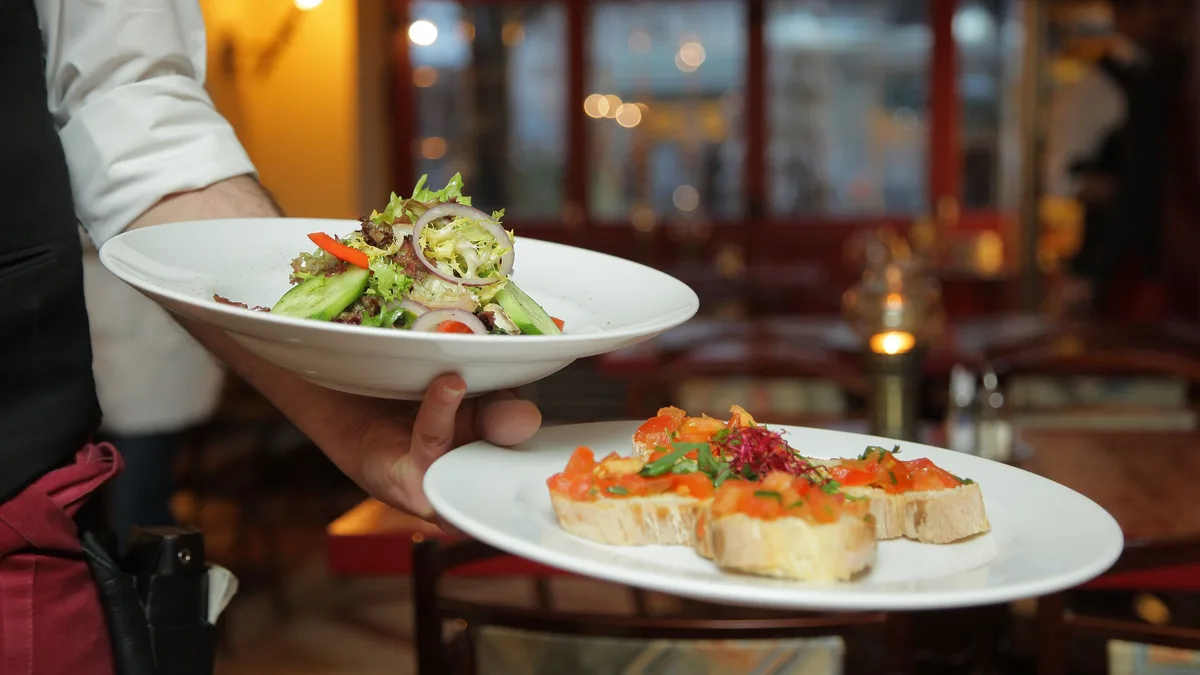
Walk into a restaurant and the whole place can look effortless. Tables are set, food arrives hot, and staff seem to know exactly where to go. Behind that calm surface, however, a whole system is working at once. This guide explains how restaurants work in plain language, from the kitchen to the table and back again. It covers the people, the rooms, the order journey, and the business behind the meal. In addition, it shows why small delays in one area can ripple through the rest.
At its simplest, a restaurant turns ingredients, skill, and space into a shared meal. Guests choose dishes, cooks prepare them, and servers carry them to the table. Meanwhile, other staff keep the room clean, the stocks topped up, and the bills in order. Consequently, a restaurant is less like a single room and more like a small organisation. Every part has a job, and every job depends on the others.
That is why this article joins several ideas that are often treated separately. Formats, roles, the order journey, and the line between kitchen and dining room all belong to one story. For example, a counter-service venue and a table-service venue may serve similar food. Their systems, however, feel very different to guests. Similarly, a tiny café and a large dining room share the same basic pattern. They simply scale it up or down.
What Is a Restaurant, Really?
A restaurant is a place where food is prepared and served to guests on the premises, or prepared for guests to take away. Some places focus on quick meals at a counter. Others focus on long, relaxed meals at a table. In addition, some have no dining room at all and serve delivery orders only. Each version still needs the same core pieces: a way to take orders, a way to cook, and a way to hand food over.
Guests usually notice only the visible half of the operation. They see the door, the tables, the menu, and the server. Behind the scenes, however, deliveries arrive, ingredients are stored, dishes are washed, and rotas are planned. Therefore, understanding a restaurant means looking at both halves together. One half cannot work well without the other.
Think of the meal as a relay rather than a single task. An order passes from guest to server, from server to kitchen, and from kitchen back to the table. At each handoff, someone must check the details and keep the timing right. If one handoff fails, the whole relay stumbles. Consequently, restaurants invest a great deal of effort in clear routines and short lines of communication.
How Does a Restaurant Split Into Two Halves?
Most restaurants divide their work into two broad areas: front of house and back of house. This split is one of the most useful ideas for understanding how restaurants work. It describes where work happens and who guests normally meet. In short, restaurant front of house and back of house are two sides of the same operation, not two separate businesses.
Front of house covers everything guests see and use. Back of house covers everything that supports the meal out of sight. Between them sits a boundary that staff cross many times during a service. Food, dishes, information, and requests all travel across that boundary. Meanwhile, guests rarely need to think about it at all. When the boundary works well, the meal simply feels smooth.
What Does Front of House Cover?
Front of house includes the entrance, the dining room, the tables, and the counter or bar area. Hosts greet guests and manage seating. Servers take orders, answer questions, and serve food and drinks. In addition, runners may carry dishes from the kitchen pass to the tables. Cleaners and bussers clear tables and reset them for the next guests.
Front-of-house staff also shape the atmosphere. Lighting, music, table layout, and the pace of service all sit in their hands. For example, a warm greeting can set a relaxed tone for the whole meal. Similarly, a quick check-in during the meal can catch a missing item before it becomes a problem. Therefore, front of house is about hospitality as much as logistics.
Payment usually happens in front of house too. Servers present the bill, and guests settle it at the table or at a counter. Afterwards, staff reset the table and prepare for the next party. In this way, front of house manages both the welcome and the goodbye. Both moments matter, because they frame how guests remember the visit.
What Does Back of House Cover?
Back of house includes the kitchen, the storage areas, the dishwashing area, and the office space. Cooks prepare food at different stations, such as grills, fryers, ovens, and cold preparation areas. Prep cooks handle chopping, portioning, and basic cooking before service begins. Meanwhile, dishwashers keep plates, glasses, and cutlery moving back into use.
Managers and office staff also work largely out of sight. They plan rotas, order stock, check deliveries, and handle accounts. In addition, they deal with suppliers, maintenance, and local rules that vary by place. Guests may never meet these people, yet their work shapes every meal. A missed delivery or a broken piece of equipment, for example, can affect the whole service.
The kitchen pass is the key meeting point between the two halves. Finished dishes arrive at the pass for a final check before they go out. Staff there confirm that each plate matches its order and looks ready to serve. Consequently, the pass acts as a quality gate and a traffic control point. It is where kitchen work becomes dining-room service.
Who Does What Inside a Restaurant?
Restaurant roles explained in plain terms start with a simple idea: nobody does everything. Instead, each role owns one part of the journey. This division keeps busy services orderly, because staff know exactly what to watch. It also means that a problem can be traced to one stage rather than blamed on the whole team.
At the door, a host or greeter manages arrivals and seating. Hosts note party sizes, check reservations where the restaurant takes them, and guide guests to tables. During busy periods, they also manage waiting lists and give honest updates on waiting times. In addition, they keep an eye on the overall flow of the room. A well-managed door prevents crowding and confusion later.
Servers are the main point of contact during the meal. They explain the menu, take orders, pass requests to the kitchen, and serve dishes. Good servers also pace the meal, checking back without hovering. For example, they may notice an empty glass or a guest who looks unsure about a dish. Meanwhile, runners support them by carrying food swiftly from the pass. Runners free servers to stay with guests rather than queue at the kitchen door.
What Do Kitchen Teams Do?
In the kitchen, a head cook or chef leads the team and sets standards for dishes. Sous cooks support that lead and often run a service when the head cook is away. Line cooks work at specific stations and cook dishes to order. Prep cooks, by contrast, do much of their work before service, so the line can move fast later. Dishwashers, meanwhile, keep the whole cycle turning by returning clean items to both kitchen and dining room.
Who Keeps the Whole Team Together?
Managers tie these roles together. A general manager oversees the whole operation, while shift managers run individual services. They solve problems, support staff, and keep standards steady across the day. In smaller restaurants, however, one person may wear several hats. The owner might greet guests, manage suppliers, and work in the kitchen on the same day. Restaurant staff roles explained this way show a pattern, not a rigid rule for every venue.
Other roles appear as restaurants grow larger. Bartenders prepare drinks and look after a bar area. Sommeliers or drinks specialists may advise on wine lists in some venues. Reception or reservations staff may handle bookings separately from the door team. In addition, cleaners, maintenance workers, and delivery drivers all support the operation. Each role matters, even when guests never see it.
How Does an Order Travel From Table to Kitchen?
Understanding how orders move through a restaurant is the quickest way to see the whole system. The journey starts long before food reaches a plate. It begins when guests sit down and look at the menu. Menus list dishes, describe them, and group them into sections such as starters, mains, and desserts. Guests choose, and the server records those choices carefully.
Next, the order reaches the kitchen. In many modern restaurants, servers enter orders into a handheld device or a terminal. That system sends the order to screens or printers in the kitchen. Each station sees only the items it must cook. For example, the grill station sees grilled items, while the cold station sees salads and desserts. Consequently, cooks can start work without waiting for a paper ticket to be carried across the room.
In smaller or simpler venues, the process may still rely on paper tickets or spoken orders. A server might call out an order at the pass or pin a ticket above a station. The principle, however, stays the same. Information must travel quickly, clearly, and in the right order. Any missing detail, such as a dietary request, can cause a dish to be remade.
How Is Timing Managed During Service?
Timing is the hardest part of this journey. Dishes on one table are meant to arrive together, even when they cook at different speeds. Cooks therefore coordinate by starting slower dishes first and faster dishes later. The kitchen lead calls out timings and checks progress at the pass. Meanwhile, servers watch for the signal that a table is ready. As a result, a well-timed service feels almost invisible to guests.
Special requests add another layer of coordination. A guest might ask for a dish without a certain ingredient, or for courses to arrive at a slower pace. Servers pass those notes to the kitchen with the original order. Kitchen staff then adjust preparation and plating accordingly. In addition, servers may repeat the request back to guests to confirm it. That small check prevents misunderstandings that are costly to fix later.
How Does a Meal Reach Guests Step by Step?
Restaurant service flow explained step by step looks like a loop that repeats for every table. It starts with greeting and seating, then moves through ordering, cooking, serving, and payment. Afterwards, the table is cleared and reset for the next guests. Each step feeds the next, so a delay early on can shift everything that follows.
Consider a typical table-service meal. Guests arrive and are greeted at the door. A host shows them to a table and hands over menus. Servers introduce themselves, explain any specials, and take drink orders. Then guests choose their dishes, and the server sends the order to the kitchen. Meanwhile, the dining-room team prepares cutlery, glasses, and any shared items the table needs.
While the kitchen cooks, servers keep an eye on the table without interrupting the conversation. They may refill water, clear finished plates, or answer questions about dishes. When food is ready, runners or servers collect it from the pass. They check that each dish matches its guest before setting it down. In addition, they may announce dishes briefly so guests can confirm they received the right plates.
After the main dishes, the flow continues rather than stops. Servers clear plates, offer desserts or further drinks, and check whether guests need anything else. Eventually, they present the bill and handle payment. Finally, staff clear and reset the table, ready for the next party. This is how restaurants serve customers step by step, even though guests experience it as one relaxed visit.
What Changes at a Counter?
Counter-service meals follow a shorter version of the same loop. Guests order at a counter, pay, and collect food when it is ready or have it brought to a table. There is less table-by-table pacing, because guests manage more of the flow themselves. Nevertheless, the kitchen still receives, cooks, and checks orders in sequence. The basic pattern holds, even when the visible steps change.
What Does a Normal Day Look Like?
Restaurant daily operations explained from morning to night reveal how much work happens before guests arrive. Staff often start by checking deliveries, storing stock, and cleaning the dining room and kitchen. Prep cooks then prepare ingredients for the day, so service can move quickly later. Managers, meanwhile, check the rota, confirm bookings, and brief the team on specials or shortages.
Before service, many teams hold a short briefing. Staff learn which dishes are unavailable, which tables are booked, and whether any large parties are expected. They also check that stations are stocked and equipment is working. This preparation matters because service itself leaves little time for problem-solving. A missing item discovered during a rush is far harder to fix than one found beforehand.
During service, the focus shifts to timing and communication. Front-of-house staff watch tables, manage seating, and keep orders flowing. Back-of-house staff cook to order, restock stations, and wash items as they return. Managers move between both areas, spotting bottlenecks and shifting help where it is needed. For example, a manager might send an extra runner to the pass when many tables finish at once. Similarly, a kitchen lead might ask for help at a station that is falling behind.
What Happens Between Services?
Between services, teams reset the room and kitchen. Tables are cleaned, floors are swept, and stations are restocked. Prep work for the next service begins, and any issues from the last service are discussed. After the final service, closing routines take over. Staff clean equipment, store food safely, count stock where needed, and secure the premises. In this way, how a restaurant operates day to day is a cycle of preparation, service, reset, and close.
Suppliers and deliveries fit into this daily rhythm too. Fresh stock may arrive in the morning, while dry goods arrive less often. Staff check deliveries against orders and store items in the right places. Cold items go to chilled storage promptly, and older stock is used before newer stock. Consequently, storage routines protect both quality and safety. They also prevent waste, because staff know what is available before they plan the next menu.
What Happens Behind the Scenes in a Restaurant?
What happens behind the scenes in a restaurant goes far beyond cooking. Cleaning routines run throughout the day, not just at closing time. Surfaces, equipment, and hands are cleaned on a regular cycle, and waste is removed promptly. Staff follow food-safety routines that vary by place, including checks on storage and preparation. These routines rarely catch a guest’s eye, yet they underpin every dish served.
Stock control is another quiet system. Restaurants track what they have, what they need, and what is running low. Orders to suppliers are based on expected demand, storage space, and how long items keep. If a dish sells faster than expected, staff may need to adjust the menu or order more stock. In addition, managers watch for waste, such as ingredients that spoil before use. Reducing waste helps the business and keeps the kitchen organised.
Staff planning sits behind the scenes as well. Rotas must cover busy periods without leaving quiet periods overstaffed. Training helps new staff learn menus, routines, and safety practices before they work alone. Managers also handle holidays, sickness cover, and shift changes. Therefore, a smooth service often reflects careful planning done days earlier, not just effort on the day.
Maintenance and safety checks complete the picture. Equipment must be cleaned, serviced, and repaired when it breaks down. Fire safety, first aid, and general workplace safety routines vary by place and by venue. Staff learn where exits, extinguishers, and first-aid supplies are kept. These systems rarely feature in a guest’s memory of a meal. Nevertheless, they are part of what makes a restaurant a safe and reliable place to eat.
How Do Different Kinds of Restaurants Change the System?
Types of restaurant operations explained briefly show how one basic system adapts to different settings. Fast-food venues prioritise speed and consistency at a counter. Guests order, pay, and collect food quickly, while kitchens work from a small, standardised menu. Fine-dining venues, by contrast, prioritise pacing, presentation, and table service over many courses. Their teams are larger relative to guest numbers, and the meal unfolds more slowly.
Casual dining sits between those two poles. Guests sit at tables and order from servers, yet the atmosphere stays relaxed and everyday. Buffets change the flow again, because guests serve themselves from stations while staff replenish dishes and clear tables. Food trucks compress the whole operation into a vehicle, with a small team working in a tight space. Ghost kitchens remove the dining room entirely and focus on cooking for delivery or collection.
Food halls, pop-ups, and drive-through venues each twist the pattern further. Food halls share seating across several small kitchens, so guests order from different stalls and eat together. Pop-ups run for a short period in a borrowed or temporary space, with a short menu and a small team. Drive-through venues let guests order and collect without leaving their vehicles. In each case, however, the core pieces remain: orders, cooking, handover, and payment. Only the balance between them changes.
Menus also shape the operation. A short menu simplifies ordering, preparation, and stock control. A long menu offers more choice but demands more ingredients, more stations, and more training. Seasonal menus change with ingredient availability and require regular updates to dishes and supplier orders. Consequently, menu design is an operations decision as much as a creative one. It affects every part of the system, from the pass to the storeroom.
How Is the Business Side Organised?
Restaurant business structure explained in simple terms starts with ownership. Some restaurants are independent, owned and run by one person or a small team. Others belong to a small group that shares menus, suppliers, and managers across several venues. Franchises add another layer, where local owners run venues under a shared brand and agreed system. Each model changes who makes decisions, yet the daily operation still needs the same front- and back-of-house teamwork.
Where Does a Restaurant’s Money Go?
Money flows through the business in a cycle that mirrors the meal. Guests pay for food and drinks, and that income covers ingredients, wages, rent, utilities, and equipment. Managers track costs, sales, and stock to see whether the balance is healthy. They may adjust menus, opening hours, or staffing in response to patterns they notice. For example, a quiet weekday lunch might need fewer staff than a busy weekend dinner. Similarly, a popular dish might need a more reliable supply of a key ingredient.
Why Does Reputation Matter So Much?
Hospitality businesses also depend on reputation and repeat visits. Guests return when food, service, and atmosphere feel consistent. Reviews and word of mouth therefore matter, because they shape what new guests expect. Staff training, menu care, and clean premises all feed that reputation over time. In addition, local knowledge helps: a restaurant that understands its neighbourhood can shape its menu and hours to suit the people nearby. One hospitality business analysis shows how closely guest experience and business results can be linked.
Business planning also covers the less visible side of running a venue. Owners and managers think about location, layout, supplier relationships, and compliance with local rules. They plan for busy and quiet periods, for staff changes, and for equipment repairs. Digital tools now support many of these tasks, from bookings to stock records. One digital transformation in business overview explains how such tools can change everyday operations. Nevertheless, tools only help when staff understand the routines behind them.
How Do Restaurants Grow?
Growth brings its own questions. A single venue might add seats, extend hours, or open a second site. Each step changes staffing, stock, and management needs. Small-business planning therefore matters even for independent venues. One small business growth guide looks at how growing firms manage that kind of change. Similarly, financial oversight grows more important as a venue expands. One business finance overview describes how financial roles support steadier decision-making.
Supply chains connect restaurants to a wider world of producers and distributors. Ingredients travel from farms, fisheries, bakeries, and wholesalers to the kitchen door. Restaurants choose suppliers for reliability, quality, and delivery timing. In addition, they may work with several suppliers so that one delay does not halt service. One supply chain study shows how logistics shapes businesses far beyond the restaurant trade. For restaurants, that lesson is simple: the meal begins long before ingredients reach the kitchen.
What Makes a Restaurant Business Strong?
Business excellence in this setting is rarely about a single grand idea. It comes from steady routines done well, day after day. Clean stations, clear orders, honest communication, and consistent dishes build trust over time. One business excellence overview frames that steady standard as the heart of a strong operation. Another business services overview makes a similar point for service-led firms. Restaurants fit that pattern closely, because guests judge them on every visit.
How Do the Kitchen and Dining Room Work Together?
How a restaurant kitchen and dining room work together is best seen at the pass. Kitchen staff finish dishes and place them there for checking. Dining-room staff collect them and carry them to the right tables. Information flows in both directions across that point. Servers tell the kitchen about guest requests, while kitchen staff tell servers about delays or unavailable dishes.
Communication tools help, but they do not replace clear habits. Servers learn to give complete orders the first time, including any special requests. Kitchen staff learn to call out timings and flag problems early. Managers, meanwhile, watch both rooms and step in when the flow stalls. For example, if the kitchen falls behind, servers can warn guests and offer drinks while they wait. Similarly, if the dining room fills suddenly, the kitchen can prepare for a surge of orders.
Restaurant workflow explained as a whole therefore depends on this seam. The seam is not a wall; it is a working joint. Staff cross it constantly, carrying food, dishes, and messages. When the joint is respected, neither side blames the other for problems. Instead, both sides adjust together. That shared adjustment is what keeps a busy service calm.
Restaurant departments explained as separate units can hide this cooperation. In reality, the kitchen, the dining room, the bar, and the office overlap constantly. A drinks order may need bar staff, a server, and a kitchen runner in sequence. A large party may need the host, the kitchen lead, and the manager to plan together. Consequently, the most useful view of a restaurant is a network, not a set of boxes. Each department contributes, and the meal emerges from their combined work.
Why Does the Whole System Feel Smooth When It Works?
When a restaurant works well, guests notice the result rather than the system. Food arrives at the right temperature, at the right time, and at the right table. Servers appear when needed and step back when conversation takes over. Meanwhile, the kitchen hums without drama, and tables turn over without fuss. That smoothness is not luck. It is the visible sign of preparation, clear roles, and honest communication.
Small details add up to that feeling. A table set correctly saves servers a trip back to the kitchen. A complete order saves cooks from guessing. A quick word at the pass saves a dish from cooling while it waits. In addition, a calm manager can steady a team during a sudden rush. Each detail seems minor alone, yet together they create a meal that feels effortless.
What Goes Wrong When a Handoff Breaks?
Problems, when they appear, usually trace back to a broken handoff. An order may be incomplete, a dish may wait too long at the pass, or a table may be seated before it is ready. Good teams catch these breaks early because they watch the flow, not just their own tasks. They ask questions, repeat key details, and help neighbouring roles when needed. Therefore, teamwork in a restaurant is practical rather than abstract. It shows up in who carries a plate, who checks a ticket, and who speaks up first.
Finally, remember that every restaurant adapts this system to its own setting. A street-food stall, a neighbourhood café, and a grand dining room all solve the same puzzle differently. Their menus, spaces, and teams vary, yet their core challenge stays the same. They must turn an order into a meal, on time, and with care. Once that pattern is clear, eating out becomes more interesting. Guests can spot the pass, the pacing, and the teamwork behind every plate. In short, how a restaurant is organised is the hidden story behind every meal, and it is a story worth noticing.




