
Discover the Best Hotels in Pico Azores: A Hidden Paradise Awaits You
Pico does not announce itself loudly. Instead, the island rises slowly from the Atlantic in black stone and green slopes. Moreover, Mount Pico watches over almost every road, field, and harbour on the island. Consequently, choosing among the best hotels in Pico Azores shapes your whole trip.
Location matters greatly here. For example, a base in Madalena feels lively and practical for ferries and restaurants. Meanwhile, Lajes do Pico feels quieter and deeply tied to whaling history. Similarly, São Roque do Pico offers a calmer north-coast rhythm and easy coastal walks.
This guide therefore explains where to stay in Pico Island with clear local context. Additionally, it names only properties confirmed on Pico by credible travel sources. Furthermore, it connects each area to vineyards, whale watching, and natural pools nearby. Ultimately, you can choose Pico Island accommodation with confidence and realistic expectations.
Why does Pico Island feel so different from other Azores islands?
Pico is often called the Black Island. Indeed, dark basalt covers its shores, walls, houses, and historic vineyard plots. In fact, lava stone shapes both the landscape and the character of local stays. Therefore, many hotels in Pico Azores feel rooted in place rather than generic.
Mount Pico dominates the skyline almost everywhere. Specifically, the mountain is Portugal’s highest peak and a constant point of reference. However, the island never feels like a single-attraction destination. On the contrary, vineyards, caves, lagoons, and harbours reward slower exploration across several days.
Hydrangeas line many roads during warmer months. Additionally, small villages appear between pastures, vineyards, and stretches of rugged coastline. Meanwhile, neighbouring Faial and São Jorge sit clearly across the water on bright days. As a result, even a simple drive becomes part of the experience.
Travellers seeking quieter island stays often compare Pico with other nature-led escapes. For instance, readers exploring the best nature places to visit in the world will recognise Pico’s appeal immediately. Similarly, the island rewards anyone who prefers walking and swimming over busy nightlife.
How should you choose where to stay in Pico Island?
Firstly, decide how you will move around the island each day. Most visitors rent a car, because sights spread along the coast and inland roads. Consequently, parking, road access, and distance to dinner matter more than lobby size. Moreover, a central base reduces driving after long hikes or boat trips.
Secondly, match your base to your main activities. For example, Madalena suits travellers focused on vineyards, ferries, and the mountain approach. Meanwhile, Lajes suits whale watching departures and the Whalers’ Museum. Similarly, São Roque suits travellers who want coastal villages and a slower pace.
Thirdly, think honestly about your preferred style of stay. Some travellers want a conventional hotel with staff on site daily. Others, however, prefer self-catering stone houses with a kitchen and terrace. Therefore, Pico Island accommodation works best when the format fits your routine.
- Choose Madalena for convenience, dining choice, and ferry connections.
- Choose Lajes do Pico for whale watching and maritime heritage.
- Choose São Roque do Pico for quiet villages and north-coast scenery.
- Choose rural cottages for privacy, cooking, and longer stays.
Finally, book early for summer travel whenever possible. Indeed, Pico has a limited supply of rooms compared with larger islands. As a result, the most characterful lava stone houses in Pico often fill first. Planning ahead therefore protects both choice and location.
What are the best hotels in Pico Azores in Madalena?
Madalena is the island’s main town and ferry gateway to Faial. Moreover, the town holds the widest choice of restaurants, shops, and services. Consequently, Madalena hotels suit first-time visitors who want an easy, practical base. Additionally, the UNESCO vineyard landscape begins just outside the town.
Hotel Caravelas in the heart of Madalena
Hotel Caravelas sits in central Madalena, very close to the harbour. Indeed, its position makes ferry arrivals and evening walks especially straightforward. Furthermore, the hotel is a long-established presence in the town centre. Therefore, it suits travellers who value location over rural seclusion.
Views toward Faial form part of the appeal here. Meanwhile, the Wine Museum and vineyard areas lie within easy reach by car. In addition, Madalena’s natural pools sit close by for a swim after sightseeing. Altogether, Hotel Caravelas works well as a simple, central starting point.
Baia da Barca near the Madalena coast
Baia da Barca stands in the Barca area of Madalena, near the sea. Specifically, the property offers a quieter feel while staying close to town services. Moreover, its coastal setting suits couples who enjoy ocean views and slower mornings. Consequently, many guests use it as a relaxed western-base option.
Access to Criação Velha remains straightforward from this side of Madalena. Additionally, the airport lies a short drive away along the main road. However, a car still helps greatly for dinners and wider island touring. In short, Baia da Barca balances calm surroundings with practical access.
Pocinho Bay and Vinhas do Calhau near the vineyards
Pocinho Bay, also listed as Pocinhobay, lies near Madalena amid vineyard country. Indeed, traditional stone buildings there reflect the area’s wine-growing heritage. Furthermore, the setting places guests close to coastal paths and vineyard walks. Therefore, the property appeals strongly to walkers and wine lovers.
Vinhas do Calhau offers a contrasting, more contemporary aparthotel style in Madalena. Notably, its position looks toward the vineyard landscape and Mount Pico beyond. Moreover, self-catering suits families and longer stays particularly well here. As a result, both properties reward travellers who prioritise landscape over town bustle.
Wine-focused travellers often pair Pico with wider Portuguese journeys. For example, a mainland detour to the best places to visit in Fatima Portugal adds cultural contrast. Similarly, Pico’s vineyards add a volcanic chapter to any Portugal itinerary.
Which stays define São Roque do Pico on the north coast?
São Roque do Pico stretches along the island’s greener north coast. Moreover, the municipality includes Santo Amaro, Prainha, and small coastal settlements. Consequently, São Roque do Pico hotels tend to feel more dispersed and village-based. Additionally, the area suits travellers who enjoy driving between viewpoints and pools.
Lava Homes in Santo Amaro
Lava Homes sits in Santo Amaro, overlooking the channel toward São Jorge. Specifically, modern houses there stand within a dramatic lava-field landscape. Furthermore, the design-led format feels distinctly different from traditional town hotels. Therefore, Lava Homes suits travellers seeking privacy and contemporary architecture.
Evenings in Santo Amaro feel notably peaceful after day trips end. Meanwhile, São Roque town and its harbour remain reachable by a short drive. In addition, the on-site dining presence helps guests who prefer staying local at night. Overall, Lava Homes represents Pico’s modern, design-conscious side very clearly.
Adegas do Pico and Aldeia das Adegas in traditional stone
Adegas do Pico gathers traditional stone cottages in Prainha, within São Roque municipality. Indeed, the cottages began life as adegas, the small lava-stone wine stores of Pico. Moreover, that heritage gives the stay a strong sense of agricultural history. Consequently, guests sleep inside the island’s winemaking story, quite literally.
Aldeia das Adegas offers a related village-style experience in São Roque itself. Similarly, separate stone houses there create a small hamlet atmosphere for guests. Furthermore, the coastal position keeps natural pools and harbour walks nearby. As a result, both options suit travellers who value authenticity over uniformity.
Pico Dreams and the Azores Youth Hostels property
Pico Dreams, listed as Pico Dreams – Sportfish, operates in São Roque town. Notably, the name reflects the area’s fishing and diving culture along this coast. Moreover, the property provides a sociable, activity-led base for exploring the north. Therefore, it appeals to travellers planning days on or under the water.
Azores Youth Hostels – Pico also sits in São Roque, in a historic convent setting. Indeed, the building’s heritage adds character that newer properties cannot copy. Additionally, hostel-style stays help budget travellers remain in a central village. Altogether, São Roque offers surprising variety across its small settlements.
Island travellers frequently compare volcanic coasts across Europe. For instance, the best places to visit in Ischia Italy share Pico’s thermal, volcanic character. Likewise, the best places to visit in Menorca Spain offer a calmer Mediterranean island rhythm.
Why do whale watchers base themselves in Lajes do Pico?
Lajes do Pico was the island’s first settlement and historic whaling centre. Moreover, the town now leads Pico’s responsible whale watching culture. Consequently, Lajes do Pico hotels place guests near boats, museums, and the harbour. Additionally, the south coast often feels sunnier and more sheltered.
Aldeia da Fonte in Silveira, near Lajes
Aldeia da Fonte stands in Silveira, a short drive from Lajes town. Specifically, its cluster of stone houses sits within gardens beside the Atlantic. Furthermore, the village-like layout helps the property feel spacious and calm. Therefore, Aldeia da Fonte suits travellers seeking a resort-style pause between excursions.
Whale watching boats depart from Lajes harbour throughout the main season. Meanwhile, the Whalers’ Museum explains the harder history behind today’s watching tours. In addition, natural pools and coastal paths lie close to the property. In short, the stay connects comfort with Pico’s maritime story directly.
Rest-focused travellers will understand the appeal of this quieter southern base. For example, readers browsing the best places to visit for rest and relaxation often seek exactly this pace. Similarly, Lajes rewards visitors who linger rather than rush between sights.
What should you know about staying in Lajes itself?
Accommodation inside Lajes town itself remains smaller in scale overall. Indeed, guesthouses and apartments there suit travellers who prioritise harbour access. Moreover, staying in town means walking to restaurants and tour departures easily. However, rural properties nearby offer more space and quieter nights.
Choosing between town and countryside therefore depends on your evenings. For instance, town stays simplify dining without driving after dark. Conversely, countryside stays deliver darker skies and deeper silence at night. Both choices, notably, keep the south coast’s highlights within easy reach.
How do Pico hotels connect you to the UNESCO vineyard landscape?
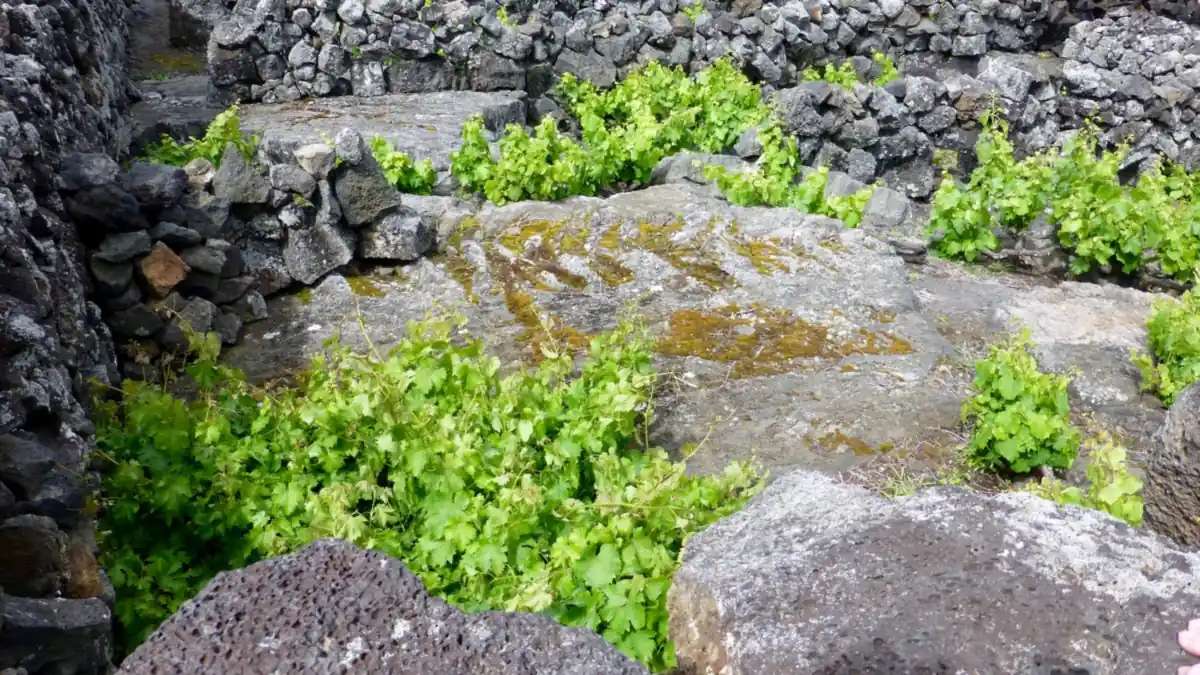
The vineyard landscape of Pico is a UNESCO World Heritage Site. Specifically, vines grow inside currais, small plots enclosed by black basalt walls. Moreover, those walls protect plants from wind and salty Atlantic spray. Consequently, the Criação Velha vineyards look unlike vineyards anywhere else.
Farmers built this network patiently over many generations. Indeed, each stone wall was gathered and stacked by hand from surrounding lava. Furthermore, small adegas stored wine and sheltered workers beside the plots. Therefore, staying in converted adegas links your hotel directly to that history.
Visitors should walk the coastal paths through Criação Velha slowly. Additionally, the Wine Museum in Madalena explains tools, traditions, and island varieties clearly. Meanwhile, local producers offer tastings that highlight mineral, ocean-influenced flavours. As a result, even casual wine drinkers gain a new appreciation here.
Verdelho grapes hold a special place in Pico’s wine story. Notably, volcanic soil and Atlantic air shape their character in distinctive ways. However, you do not need expert knowledge to enjoy a tasting visit. In fact, curiosity and a willingness to listen serve visitors best.
- Walk the vineyard paths early, before midday heat builds.
- Visit the Wine Museum before tastings for useful context.
- Ask producers about currais and traditional adega buildings.
- Allow extra time, because vineyard roads invite frequent stops.
What experiences should you plan around your hotel stay?
Firstly, consider whether you want to climb Mount Pico itself. The ascent is demanding, guided, and dependent on weather and official access rules. Moreover, climbers often start very early or climb overnight for sunrise. Consequently, a comfortable bed and early night matter before the attempt.
Secondly, reserve whale watching from Lajes or Madalena in advance. Specifically, Pico’s deep surrounding waters attract sperm whales and many dolphin species. Furthermore, knowledgeable guides and lookout traditions improve sightings responsibly. Therefore, choosing an ethical operator matters as much as choosing a hotel.
Thirdly, explore Gruta das Torres, Portugal’s longest lava tube. Indeed, guided visits there reveal how flowing lava shaped the island underground. Additionally, helmets and torches make the experience feel adventurous yet controlled. As a result, the cave suits travellers who enjoy geology without technical climbing.
Natural pools deserve time in every Pico itinerary as well. For example, volcanic rock pools in Madalena and São Roque invite relaxed swimming. Meanwhile, Lagoa do Capitão offers a peaceful inland walk beneath the mountain. Altogether, Pico rewards a balanced mix of activity and rest.
Travellers building wider luxury island itineraries sometimes compare formats across continents. For instance, the Reign Hotel Kyoto luxurious stays amid timeless Japanese charm shows a very different hotel philosophy. Conversely, Pico’s appeal lies in stone, landscape, and understatement rather than grandeur.
When is the best time to visit Pico Island?
Late spring brings milder weather and growing whale watching variety. Moreover, roads and vineyards look fresh, while crowds remain relatively light. Consequently, many travellers consider spring an excellent balance of access and calm. Additionally, accommodation choice tends to be wider outside peak weeks.
Summer delivers the most stable weather for climbing and swimming. However, demand for the best hotels in Pico Azores rises sharply then. Furthermore, ferries, tours, and rental cars all require earlier booking in summer. Therefore, flexible travellers often gain better choice in shoulder seasons.
Autumn keeps the ocean relatively warm after the summer months. Meanwhile, harvest activity adds atmosphere around the vineyard areas of Madalena. In contrast, winter feels quieter, greener, and more weather-dependent overall. In short, Pico suits year-round visits, provided expectations match the season.
Scenic coastal light also shapes photography throughout the year. For example, sunset views toward Faial glow beautifully from Madalena’s waterfront. Similarly, sunrise over São Jorge rewards early risers on the north coast. Readers inspired by the top places to visit in French Riviera will appreciate Pico’s rawer coastal drama.
How can you plan a practical Pico Island stay?
Firstly, reach Pico by inter-island flight or by ferry from Faial. Indeed, the short ferry crossing from Horta makes island-hopping especially easy. Moreover, Pico Airport sits near Madalena, simplifying arrivals for western bases. Consequently, your first night’s location should reflect your arrival route.
Secondly, rent a car unless your stay is very short. Public transport exists, however, it rarely matches sightseeing plans efficiently. Furthermore, driving distances look small, yet winding coastal roads take time. Therefore, allow generous margins between tours, meals, and ferry departures.
- Stay at least three nights to cover vineyards and whale watching.
- Allow four or five nights if you plan to climb the mountain.
- Keep one flexible day for weather changes and boat rescheduling.
- Carry layers, because Atlantic weather shifts quickly at altitude.
Finally, respect the landscape that makes Pico special. For instance, stay on marked paths inside vineyard and protected areas. Additionally, follow guide instructions carefully during whale watching and cave visits. As a result, your visit supports the island’s careful, low-impact tourism model.
Frequently Asked Questions
What is the best area to stay in Pico Island for first-time visitors?
Madalena usually works best for a first visit to Pico. Moreover, the town offers ferries, restaurants, and easy access to vineyards. Consequently, first-time visitors spend less time solving daily logistics there. However, whale watchers may still prefer basing themselves in Lajes.
How many days do you need on Pico Island?
Three full days cover vineyards, whale watching, and coastal highlights comfortably. Additionally, climbers should add a dedicated day for Mount Pico itself. Furthermore, five days allow slower village exploration and weather flexibility. Therefore, longer stays feel noticeably more relaxed and rewarding.
Do you need a car on Pico Island?
Most visitors benefit greatly from renting a car on Pico. Indeed, hotels, pools, vineyards, and trailheads spread widely around the coast. Meanwhile, taxis and tours can cover short or focused itineraries instead. Ultimately, your activity plans should decide the transport choice.
What is Pico Island best known for?
Pico is best known for Mount Pico and its UNESCO vineyard landscape. Moreover, whale watching and whaling heritage shape the island’s identity strongly. Additionally, lava stone houses and natural pools define everyday visitor experiences. In fact, few islands combine geology and culture so visibly.
Are the hotels in Pico Azores suitable for longer stays?
Yes, many Pico stays suit longer visits particularly well. Specifically, aparthotels and stone cottages provide kitchens, terraces, and living space. Furthermore, the island’s calm rhythm rewards travellers who settle in properly. As a result, a week on Pico rarely feels too long.
Conclusion: Which Pico stay will you choose?
Pico rewards travellers who choose their base with care and curiosity. Indeed, Madalena offers convenience, Lajes offers heritage, and São Roque offers calm. Moreover, each area connects you differently to vineyards, ocean, and mountain. Therefore, the right choice depends on your pace, not popularity alone.
Hotels here rarely try to outshine the island itself. Instead, stone walls, gardens, and coastal views quietly frame the landscape. Furthermore, that restraint is precisely what makes Pico stays memorable for visitors. Ultimately, the best hotels in Pico Azores let the island remain the star.
So, start with your must-do experience and build outward from there. Additionally, book characterful properties early, especially for summer and harvest periods. Finally, leave space in your plan for slow evenings and unexpected viewpoints. Pico, notably, has a habit of rewarding travellers who linger.




