
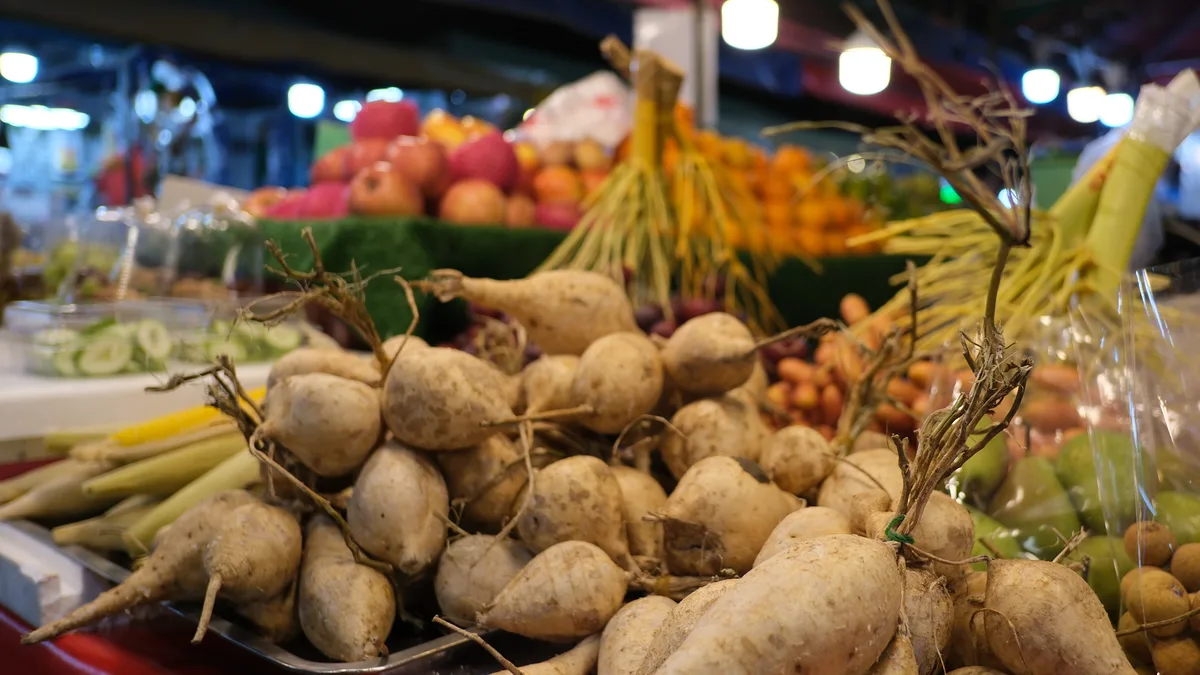
Walk past a food market on a busy morning and you see colour, noise, and movement everywhere. Crates of leafy greens sit beside piles of root vegetables. Someone weighs fruit on a scale while another person arranges bread in neat rows. Shoppers pause, chat, taste, and compare before they choose. At first glance, the scene looks chaotic. In reality, a clear system holds it together. This guide offers food markets explained in plain terms, from the people who grow the food to the stalls where shoppers buy it.
Understanding how food markets work means looking past any single stall. It means seeing growers, transport, stallholders, shoppers, and seasons as parts of one living chain. Furthermore, it means noticing how each part shapes the others. A late harvest changes what appears on tables. A rainy morning changes how many shoppers arrive. A new stall changes what regulars expect next week. Consequently, a market never stands still. It adjusts every day, and that constant adjustment is exactly what makes it work.
What Is a Food Market, Really?
A food market is a shared place where many sellers offer food in one location. Shoppers move freely between stalls and compare goods side by side. Stallholders, in turn, watch each other, adjust their displays, and learn what shoppers want. The shared space matters more than any single product. It gathers choice, competition, and conversation under one roof or sky.
Food market systems differ from a single shop in one key way. A single shop usually buys stock, sets prices, and controls the whole display. A market, however, spreads those jobs across many independent sellers. Each seller decides what to bring, how to display it, and how to talk about it. Therefore, shoppers meet many small decisions instead of one large one. That spread of decisions gives markets their variety and their energy.
Some markets run daily in permanent halls. Others appear once a week in a square, a car park, or a community hall. Some focus on fresh produce alone, while others add bread, cheese, flowers, and cooked food. In addition, some markets run indoors through winter and outdoors through summer. The setting changes, yet the core idea stays the same: many sellers, one shared place, and shoppers who choose freely.
How Do Food Markets Work Day to Day?
A market day starts long before the first shopper arrives. Stallholders unload crates, set up tables, and arrange goods so shoppers can see them clearly. Growers and suppliers deliver fresh stock in the early hours. Meanwhile, market organisers check layouts, walkways, and shared facilities. Every stall needs a clear pitch, safe access, and enough space for queues to form without blocking neighbours.
Once trading starts, a rhythm takes hold. Early shoppers often seek the widest choice and the freshest displays. Later shoppers may look for bargains as stalls clear stock before closing. Stallholders read this rhythm and respond. They restock popular items, rearrange displays, and chat with regulars about what arrived that morning. As a result, the market feels different at opening time, midday, and closing time.
Closing matters just as much as opening. Stallholders pack unsold goods, clear waste, and store equipment for the next trading day. Organisers check the site and plan the next layout. Furthermore, sellers review what sold well and what lingered. That daily review shapes tomorrow’s choices. In other words, each market day teaches sellers something, and they carry that lesson into the next one.
Who Are the Producers Behind the Stalls?
This section offers food market producers explained in simple terms. A producer grows, raises, bakes, or makes food for sale. Some producers run small farms with a few fields. Others run bakeries, dairies, or small kitchens. Many producers sell through markets because markets let them meet shoppers directly. They hear questions, receive feedback, and explain their methods face to face.
Direct contact changes how producers plan. A grower who talks with shoppers learns which vegetables people ask for most. A baker learns which loaf disappears first. Similarly, a cheese maker learns which flavours spark curiosity and which ones confuse shoppers. That feedback travels faster at a market stall than through a long chain of middlemen. Therefore, producers can adjust planting, baking, or production plans with real shopper voices in mind.
Not every stallholder grows the food they sell, however. Some stallholders buy from growers and focus on selection, display, and service. Others mix both roles and sell their own goods alongside goods from neighbours. In addition, some producers share a stall or take turns across the week. These mixed arrangements show why markets resist simple labels. The people behind the tables form a network, not a single type.
What Do Market Stalls Actually Do?
Here is market stalls explained as a working system. A stall does far more than hold goods. It displays, sorts, stores, and explains food in a small space. Stallholders grade produce by size and ripeness. They place eye-catching items at the front and keep backup stock underneath. They also keep delicate goods shaded and sturdy goods stacked where shoppers can reach them easily.
A stall also works as a point of advice. Shoppers ask how to store leafy greens, when fruit ripens, or how to cook an unfamiliar vegetable. Stallholders answer from daily experience with the goods in front of them. Furthermore, they often suggest pairings, such as herbs with a particular vegetable or bread with a certain cheese. That advice forms part of the shopping experience, and shoppers often return for it as much as for the food itself.
Stalls shape trust as well. A regular stallholder builds a reputation over weeks and months. Shoppers learn which stall trims greens carefully, which one offers consistent quality, and which one explains things honestly. Meanwhile, new stallholders must earn that trust from scratch. They do so through steady quality, clear displays, and friendly service. Consequently, a stall acts as a small business, a classroom, and a neighbourhood meeting point at once.
How Do Seasons Shape What You Find?
This is food market seasons explained through the growing year. Seasons decide what growers can harvest, so seasons decide what stalls can offer. Spring brings tender leaves and early crops. Summer brings soft fruit, beans, and abundant vegetables. Autumn brings roots, squash, and orchard fruit. Winter brings stored crops, hardy greens, and preserved goods. Each season therefore rewrites the market display.
Seasonal change also shapes shopper habits. Shoppers learn to expect certain foods at certain times. They plan meals around what looks fresh and plentiful. For example, a shopper may choose salads when leaves look vibrant and soups when roots pile high. In addition, seasonal gluts create variety within a single crop. One week may bring several types of plums, while another week brings different apples. Markets make those shifts visible in a way that uniform shelves cannot.
Weather adds another layer. A dry spell, a cold snap, or a storm can delay harvests and shrink displays. Stallholders then explain gaps honestly and suggest alternatives. Similarly, a generous growing period can flood stalls with one crop. Shoppers benefit from abundance, while growers learn which crops suit their land best. As a result, seasons teach everyone in the market system to stay flexible and observant.
How Do Fresh Food Markets Work Differently from Supermarkets?
This section shows how fresh food markets work in contrast to larger stores. The comparison of food markets vs supermarkets starts with scale. A supermarket gathers thousands of products under one brand and one roof. A market gathers many sellers under one shared space. Shoppers at a supermarket follow aisles and fixed layouts. Shoppers at a market wander, compare stalls, and change plans as they go.
Supply chains differ as well. Supermarkets move goods through warehouses, distribution centres, and long transport routes. Markets often shorten that chain. Growers may deliver directly, sometimes on the same day as harvest. Therefore, shoppers can ask where food came from and receive a direct answer. That short chain also means markets react quickly to local harvests and local weather.
Choice works differently too. A supermarket offers the same range week after week, with only small changes. A market offers a changing range that follows seasons and growers. On the other hand, a supermarket offers longer hours, wider packaged ranges, and predictable stock. Markets offer freshness, variety, conversation, and direct producer contact. Neither model suits every shopper every time. Many shoppers use both, and each fills gaps the other leaves.
What Types of Food Markets Exist?
Food market types cover a wide family, so grouping them helps. Farmers markets focus on producers selling goods they grew or made themselves. General produce markets mix growers, traders, and specialist sellers. Wholesale markets supply shops, cafés, and caterers in bulk. Covered food halls gather many small sellers under one roof year-round. Street markets spill along pavements with stalls, carts, and awnings.
Farmers markets explained in one line: producers meet shoppers directly, and shoppers buy from the people behind the food. General markets, by contrast, mix direct producers with traders who source widely. Wholesale markets work behind the scenes and rarely serve everyday shoppers. Covered halls blend shopping with eating, since many halls include seating and cooked-food stalls. Street markets blend shopping with public life, since passers-by drift in without planning a visit.
Online ordering now adds another type. Some markets let shoppers order boxes or reserve goods for collection. This model suits neighbourhood marketplaces online, where local sellers reach shoppers beyond the market square. Furthermore, some producers sell through subscription boxes or collection points. These newer forms keep the market idea alive: many sellers, shared identity, and direct relationships, even without a shared physical pitch.
How Does Food Get from a Field to a Stall?
The journey from field to stall follows several clear steps. Growers harvest crops at the right stage for transport and sale. They sort, grade, and pack goods so delicate items travel safely. Drivers then carry crates to the market site, often over short distances. Stallholders unload, inspect, and display goods before trading starts. Each step adds handling, time, and care, so speed and gentleness both matter.
Longer chains add more steps. Goods may pass through packhouses, cold storage, and wholesale markets before reaching a retail stall. Wider global supply chains move food across long distances and many hands. Those chains bring year-round variety, yet they also add complexity. Shorter chains, meanwhile, keep fewer hands between field and stall. Markets often mix both: local harvests beside goods that travelled further.
Cold chains protect freshness along the way. Chilled vans, shaded stalls, and quick unloading all slow spoilage. Stallholders also manage stock through the day. They keep delicate leaves cool, rotate displays, and move older stock forward. In addition, they watch temperature, sunlight, and wind at outdoor pitches. As a result, freshness depends on the whole chain, not on any single step. One weak link can dull flavour, texture, and appearance.
What Should You Know Before Buying at Food Markets?
This section offers food market shopping explained as a practical skill. Start by walking the whole market before buying anything. A full walk shows the range, the quality, and the stalls worth revisiting. It also stops impulse buying at the first attractive display. Shoppers who compare stalls often find better value and better quality. Furthermore, a full walk reveals seasonal stars that deserve a place in the week’s meals.
Talk with stallholders and ask clear questions. Ask where goods came from, when growers harvested them, and how best to store them at home. Stallholders usually welcome curious shoppers. Their answers help shoppers choose ripe goods and avoid waste. Similarly, tasting samples, where stalls offer them, helps shoppers judge flavour before committing. Buying at food markets works best as a conversation, not a silent transaction.
Plan for the journey home as well. Bring sturdy bags, keep delicate goods on top, and avoid long delays in heat. Think about storage before buying large amounts of perishable food. Smarter food choices often start with simple planning: buy what you can store and use well. In addition, keep an eye on weekly routines. Regular visits build knowledge, trust, and a sense of which stalls suit your tastes best.
How Did Food Markets Begin?
Food market history basics start with a simple human need: people wanted to trade surplus food. Early farming communities produced more than one household needed. They gathered at crossroads, river crossings, and town squares to exchange grain, vegetables, animals, and tools. Those gatherings grew into regular market days. Over time, towns set rules for market places, trading hours, and fair measures.
Markets shaped towns as much as towns shaped markets. A busy market drew travellers, craftspeople, and traders. It encouraged roads, bridges, and storage buildings. It also created shared customs, such as market days tied to weekly rhythms or seasonal festivals. Furthermore, markets spread news, recipes, and farming knowledge alongside goods. People learned new crops and cooking ideas from traders who arrived with unfamiliar produce.
Modern markets carry echoes of that history. Regular market days still anchor weekly routines in many towns. Stall layouts still follow old logic: fresh goods near entrances, heavy goods near transport, and popular stalls at natural gathering points. Meanwhile, new rules cover hygiene, labelling, and stall safety. The setting modernised, yet the core exchange remains ancient: growers and makers meet eaters in a shared place.
How Do Food Markets Shape Local Culture?
Here is food market culture explained through daily life. Markets gather neighbours who might otherwise never meet. Shoppers swap cooking ideas while queuing. Stallholders greet regulars by name. Children learn food names by sight, smell, and touch. These small exchanges build familiarity and belonging. A market therefore acts as a social space, not only a shopping space.
Markets also preserve food traditions. Stallholders pass down growing methods, baking skills, and preserving knowledge. Shoppers carry family cooking habits into market choices. For example, one shopper may seek a particular herb for a family dish, while another seeks bread for a weekly gathering. In addition, markets introduce shoppers to unfamiliar foods. A new vegetable, grain, or cheese can spark curiosity and widen everyday cooking.
Public gatherings share this logic. Old-fashioned festival gatherings bring people together around shared food, music, and seasonal celebration. Markets do similar work on a weekly scale. They mark seasons, celebrate harvests, and give communities a regular reason to gather. Consequently, a market strengthens local identity simply by happening again and again in the same place.
Why Do Local Food Markets Matter?
This section offers local food markets explained through their wider effects. Local markets keep food spending close to producers and nearby communities. Shoppers buy directly from growers, bakers, and makers who live and work nearby. That direct trade supports small producers who might struggle to supply large chains. Many small producers operate as small businesses, and guides to small business growth often stress direct customer relationships. Markets give producers exactly that relationship.
Local markets also shorten feedback loops. Producers learn quickly what shoppers value. Shoppers learn quickly what grows nearby and when. Furthermore, markets reduce packaging in many cases, since loose produce needs fewer wrappers than shelf-ready packs. They also encourage seasonal eating, which follows natural growing patterns. These effects vary by place, yet the pattern stays consistent: shorter chains create closer connections.
Community organisations often play a role too. Community organisations sometimes help run markets, support new stallholders, or link markets with local projects. Charities, councils, and volunteer groups may provide space, promotion, or training. Meanwhile, market organisers balance commercial needs with community goals. They aim for lively trading, fair access for sellers, and a welcoming space for shoppers. As a result, a local market can serve economic, social, and cultural purposes at once.
What Happens to Unsold Food?
Unsold food tests how well a market system works. Stallholders plan quantities carefully to avoid large leftovers. They watch daily patterns, weather, and seasonal demand. They also adjust displays through the day to move slower items. For example, they may place a lingering vegetable beside a popular one or suggest it in conversation. Careful planning reduces waste before it happens.
Some unsold goods return to producers for animal feed, compost, or preserving. Others go to community kitchens, food charities, or staff meals. Stallholders may also process surplus into jams, pickles, or baked goods where facilities allow. Furthermore, end-of-day reductions help clear stock while giving shoppers bargains. These routines show a practical side of market life. Waste management forms part of the system, not an afterthought.
Shoppers play a role here as well. Buying flexible amounts, choosing slightly imperfect produce, and using food promptly all reduce waste at home. Markets support that flexibility because shoppers can buy loose amounts rather than fixed packs. In addition, shoppers can ask stallholders about storage and use. That advice helps food last longer and taste better. Consequently, waste reduction becomes a shared task across the whole market chain.
How Can You Read Any Food Market Like a System?
Reading a market like a system means watching connections, not just goods. Start with producers: who grows or makes the food, and how far did it travel? Next, watch stalls: how do sellers display, grade, and explain goods? Then watch shoppers: who visits, what do they ask, and what do they buy? Finally, watch seasons: what changed since your last visit, and why? Each answer reveals one part of the system.
Also notice rules and routines. Market organisers set pitches, hours, and shared standards. Stallholders follow hygiene routines and display habits. Shoppers follow unwritten customs, such as queuing, tasting politely, and chatting briefly. Meanwhile, transport, weather, and harvests shape everything from outside. A market never operates alone. It sits inside farming, transport, community life, and local rules.
Try this lens on your next visit. Compare two stalls selling similar goods and ask what differs. Notice which goods look abundant and which look scarce. Ask a stallholder about the season. Cook with a seasonal ingredient you have never tried, using a method you already know, such as roasting or grilling, and explore barbecue techniques for open-fire ideas. As a result, shopping turns into learning. You will leave with food, yet you will also leave with a clearer picture of how food markets work.
As we explore the intricate dynamics of food markets, it becomes evident that the principles governing these systems extend beyond the fresh produce on display. Just as each stall contributes to the market’s vibrant ecosystem, so too do the myriad of choices we face between meals shape our culinary landscape. From the textures and flavors of snacks to their cultural significance, understanding how snacks work unveils a parallel narrative. In both arenas, the interplay between producers, consumers, and the environment informs our choices, preferences, and ultimately, our collective food culture. Recognizing these connections allows us to appreciate the broader implications of our eating habits, whether we are sampling seasonal vegetables at a market or selecting a quick bite on the go.




