
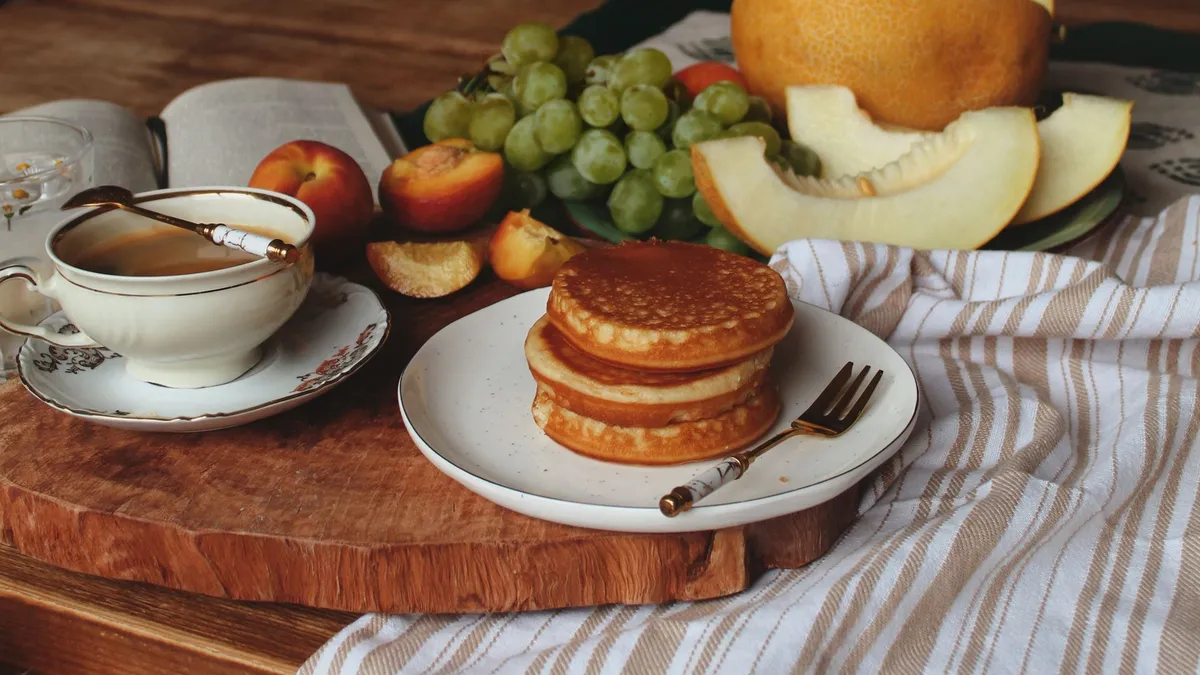
Morning tables look simple at first glance. A plate, a cup, and a few familiar foods fill the scene. Yet behind that quiet picture sits a whole system of heat, time, habit, and trade. This breakfast foods guide looks at that system in plain language. It explains how breakfast foods work across homes, tables, and traditions, without ranking one morning meal above another. In addition, it treats breakfast as a daily pattern, not a single dish or a fixed menu.
Recipe blogs usually show one dish at a time. Health blogs often rank breakfasts against each other. This guide takes a different path. This breakfast foods explained guide asks how each part of breakfast does its job, from bread and eggs to cereals and drinks. Consequently, readers can compare morning meals with clear eyes. They can see why a cooked plate suits one morning, while a cold bowl suits another. Above all, they can read any breakfast like a system, not a mystery.
What Is Breakfast, Really?
So what is breakfast, in plain terms? People use the word for the first meal of the day, after a night without eating. The name itself points to that break in the overnight fast. However, the word covers far more than one moment. It covers a plate eaten at dawn, a bowl grabbed on the way out, and a slow table shared late in the morning. Therefore the meaning shifts with the household, the season, and the working day.
Breakfast also marks a change in pace. Night gives way to movement, work, school, and errands. Food at this point often needs to fit the hours ahead. For example, a household with an early start may favour foods that need little cooking. Meanwhile, a household with a slower morning may linger over a cooked plate. In other words, breakfast works as a bridge. It connects rest with the day, and it does so in many shapes.
People sometimes treat one famous breakfast as the standard. That habit misleads readers. No single plate speaks for every table. Instead, breakfast changes with grain supplies, cooking fuel, climate, work patterns, and family custom. As a result, this guide describes many patterns side by side. It never crowns one tradition as the correct version.
How Does Breakfast Work as a Daily System?
Learning how breakfast works starts with four moving parts. Firstly, cooks choose ingredients that suit the morning. Secondly, they apply heat, or they skip heat altogether. Thirdly, they balance textures, such as crisp, soft, warm, and cool. Finally, they fit the meal into the time available. Each part shapes the others. A short morning pushes cooks toward cold or quick foods. A longer morning opens the door to cooking on a stove or in an oven.
Breakfast systems explained in this way look less like menus and more like toolkits. A toolkit holds grain foods, breads, eggs, fruit, dairy foods, and drinks. Cooks mix those parts to suit the day. For example, bread can carry toppings, soak up sauces, or stand alone beside a drink. Eggs can anchor a cooked plate, fill a sandwich, or top a grain dish. Consequently, the same ingredients appear in very different breakfasts.
Time also acts as a hidden ingredient. A cooked breakfast asks for preparation, cooking, and washing up. A cold breakfast asks for far less labour at the table. However, cold breakfasts often need earlier preparation, such as soaking grains or baking bread the day before. In contrast, cooked breakfasts concentrate effort into the morning itself. Neither pattern beats the other. Each one simply spends time at a different point.
Why Do Morning Meals Differ From Home to Home?
Morning meals explained through one household alone would miss the point. Homes differ in size, work hours, cooking space, and taste. A large household may cook one big batch and share it. A single person may assemble a small plate in minutes. Similarly, homes with young children often favour foods that children can hold and eat quickly. Homes with older members may favour slower, seated meals.
Place shapes breakfast too. Grain-growing regions lean on local grains and breads. Coastal places may feature fish at the morning table. Hot climates may favour cool fruit and drinks early in the day. Cold climates may favour warm porridge and hot drinks. Therefore geography leaves fingerprints on the breakfast plate. Cooks adapt to markets, seasons, and storage, not to abstract ideals.
Habit also carries great weight. People tend to eat what their families ate. They repeat flavours from childhood, and they pass those flavours along. Meanwhile, travel, migration, and new neighbours introduce fresh ideas. A household may keep an old staple and add a new drink beside it. As a result, breakfast traditions change slowly, one table at a time, without losing their roots.
What Are the Main Breakfast Types?
Breakfast types explained by cooks usually fall into a few broad groups. Cooked breakfasts use heat as the main tool. Cold breakfasts use little or no heat at serving time. Quick breakfasts prioritise speed and portability. Slow breakfasts prioritise sitting down and sharing. In addition, many breakfasts mix groups. A household may serve a hot drink beside a cold bowl, or a cooked egg beside cold bread.
Grain-led breakfasts form another useful group. They centre on porridge, cereal, rice, or bread. Protein-led breakfasts centre on eggs, beans, cheese, or fish. Fruit-led breakfasts centre on fresh or dried fruit beside other foods. However, these labels describe emphasis, not strict rules. Most real breakfasts blend groups. A grain bowl may include fruit, and a cooked plate may include bread.
Sweet and savoury breakfasts form a final broad split. Some tables favour sweet flavours in the morning, such as jam, honey, or sweetened grains. Other tables favour savoury flavours, such as salt, herbs, or cooked vegetables. Likewise, some tables mix sweet and savoury freely. A sweet bread may sit beside a savoury egg dish. Consequently, taste preference shapes breakfast as strongly as cooking method does.
How Does a Cooked Breakfast Come Together?
A cooked breakfast turns raw ingredients into a warm plate through heat. Cooks fry, boil, bake, grill, or steam the main foods. Heat changes texture, colour, and aroma. It softens vegetables, sets eggs, crisps bread, and warms grains. For example, a pan of eggs changes from liquid to soft curds within minutes. Similarly, bread under heat turns crisp outside while staying soft inside.
Cooked breakfasts often centre on one hot main item. Eggs, beans, grains, or vegetables may take that role. Breads, fruit, or drinks then support the main item. Cooks arrange those parts for contrast. A soft main item pairs well with crisp bread. A rich main item pairs well with fresh fruit or a sharp drink. Therefore balance matters as much as cooking skill.
Heat-led cooking also brings people together. Cooking takes time, and that time invites conversation. Family members gather while food cooks, and they sit down together when the pan leaves the stove. Cooking over open heat at other meals shows the same social pattern in a different setting. Heat, smoke, and shared waiting turn cooking into a gathering, not just a task. Breakfast cooking follows the same human logic on a smaller scale.
What Makes a Cold Breakfast Work?
A cold breakfast skips morning cooking and leans on ready foods. Bread, fruit, cheese, yogurt, and soaked grains all suit this pattern. Cooks assemble rather than cook. They slice, spread, pour, and arrange. For example, a table may hold bread, fruit, and a jug of milk for everyone to combine freely. That freedom suits mornings with little time or little cooking space.
Cold breakfasts still need planning, even without a stove. Bread needs baking or buying ahead of time. Grains may need soaking overnight. Fruit needs ripening and storage. However, that earlier work pays off at the table. Morning effort drops sharply, and people can eat at different times. In contrast, cooked breakfasts demand everyone at once, or cooks must reheat plates.
Cold breakfasts also suit warm weather and travel. They travel well in a bag or a box. They suit picnics, work desks, and school bags. Meanwhile, they offer crisp textures and cool flavours that hot plates cannot match. Fresh fruit beside cold bread gives a bright start to the day. As a result, cold breakfasts hold their own place, not a lesser place, in morning eating.
How Do Cooked and Cold Breakfasts Compare?
The phrase cooked vs cold breakfast points to a real choice, not a contest. Cooked breakfasts offer warmth, aroma, and freshly changed textures. Cold breakfasts offer speed, flexibility, and cool contrast. Cooks weigh those strengths against the morning ahead. A slow weekend morning may suit a cooked plate. A rushed weekday may suit a cold bowl. Therefore the best choice depends on time, weather, and company.
Texture tells much of the story. Cooked foods often feel soft, warm, and rich. Cold foods often feel crisp, fresh, and light. A good table may combine both feelings. For example, warm bread beside cool fruit gives two textures in one meal. Similarly, a hot drink beside a cold bowl warms the hands while cooling the palate. In other words, contrast often beats purity.
Effort also differs across the two patterns. Cooked breakfasts spend effort in the morning. Cold breakfasts spend effort earlier, or they spend money on ready foods. Neither pattern escapes effort altogether. Cooks simply choose when to spend it. Consequently, households often switch patterns through the week. They cook when time allows, and they assemble when time runs short.
How Do Breakfast Cereals Work?
Breakfast cereals explained simply start with grain. Makers process grains into flakes, puffs, shreds, or clusters. They toast, dry, or bake those forms until crisp. Shoppers then pour the cereal into a bowl and add milk, a milk alternative, yogurt, or fruit juice. The grain soaks up liquid and softens, while toppings add crunch, sweetness, or fresh flavour.
Cereals suit busy mornings because the factory does most of the work. Cooks only assemble the bowl. However, cereal bowls still allow choice. People mix grains, add fruit, sprinkle seeds, or switch liquids. For example, a plain grain flake tastes very different beside fresh berries than beside dried fruit. Likewise, a crunchy cluster changes character once liquid softens it. Texture, therefore, drives much of the cereal experience.
Cereals also show how industry shapes breakfast. Before factory cereals, grain breakfasts meant porridge cooked at home. Porridge still survives in many homes, and it uses the same grain idea with more morning cooking. Factory cereals moved the cooking step out of the kitchen. As a result, grain breakfasts became faster, more portable, and more standardised. Busy households welcomed that change, while other households kept porridge for slower days.
What Do Breakfast Breads Actually Do?
Breakfast breads explained as tools, not just foods, reveal their quiet power. Bread carries, scoops, and soaks. It holds spreads, eggs, cheese, and vegetables. It turns a small topping into a filling meal. For example, a slice of bread under a cooked egg makes the egg easier to eat and more satisfying. Similarly, bread beside a bowl lets diners scoop up soft foods.
Breads also vary hugely in texture and flavour. Toasted bread turns crisp and warm. Fresh bread stays soft and mild. Flatbreads fold around fillings. Rolls suit hands and travel. Sweet breads pair with jam or honey. Savoury breads pair with cheese or cooked vegetables. Therefore bread adapts to almost any breakfast pattern. It anchors cooked plates, cold tables, quick snacks, and slow gatherings alike.
Bread carries memory too. Families remember the bread of their childhood table. Bakeries shape local taste through grain, shape, and baking method. Travellers often judge a new place by its morning bread. In addition, bread links breakfast to the wider food system. Grain, milling, baking, and storage all meet in one slice. A simple piece of bread, consequently, tells a long story about place and habit.
How Do Breakfast Eggs Work?
Breakfast eggs explained through cooking show remarkable flexibility. Cooks boil, fry, scramble, poach, or bake eggs. Each method changes texture. Boiled eggs feel firm and portable. Fried eggs feel crisp at the edges and soft in the middle. Scrambled eggs feel soft and creamy. Poached eggs feel delicate and flowing. Therefore one ingredient can serve many breakfast styles.
Eggs also bind breakfasts together. They sit beside bread, grains, vegetables, and beans without clashing. A plain plate gains richness from them. They give a cooked breakfast a clear centre. For example, eggs beside toast turn a light snack into a seated meal. Likewise, eggs over grains turn a grain bowl into a warm plate. Cooks value that versatility above all.
Eggs suit both quick and slow mornings. A boiled egg travels well and needs no plate. A fried or scrambled egg asks for a pan and a few minutes. Households use both patterns through the week. Moreover, eggs appear in breakfasts across many traditions, from simple plates to elaborate spreads. Their flexibility explains that wide reach. Few morning foods adapt so easily to different tables.
What Do Breakfast Drinks Add to the Table?
Breakfast drinks explained as part of the meal, not an afterthought, change the whole picture. Drinks warm the hands, wash down dry foods, and set the pace of eating. A hot drink invites diners to sit and linger. A cold drink suits fast mornings and warm weather. For example, hot tea beside bread slows the meal and encourages conversation. Meanwhile, cold juice beside a grain bowl suits a quick start.
Drinks also balance flavour. Bitter coffee or strong tea contrasts with sweet breads and jams. Mild milk softens sharp or salty foods. Fruit juice adds brightness beside cooked plates. Water cleanses the palate between bites. Therefore drink choice shapes taste as surely as food choice does. Cooks who plan drinks well build a more balanced table.
Drinks carry ritual too. People repeat the same drink each morning, and that repetition marks the start of the day. Households develop drink habits that children remember for life. Cafes and markets build morning routines around drink orders. In addition, drinks link breakfast to wider trade, since tea, coffee, and fruit travel far from their origins. A morning cup, consequently, connects a local table to distant farms and ports.
How Does Breakfast Look Around the World?
Breakfast around the world shows the same system wearing many clothes. Grain foods appear almost everywhere, yet the grain changes. Rice may anchor a morning bowl in one place. Wheat bread may anchor it in another. Maize, oats, or millet may anchor it elsewhere. Therefore the grain system stays constant while the local crop changes. Travellers who notice that pattern read new tables more easily.
Some places favour large morning spreads with many small dishes. Diners pick from breads, cheeses, vegetables, eggs, and preserves. Other places favour one bowl or one plate. Still others favour food eaten on the move, such as a roll or a wrapped flatbread. Travellers exploring new places often notice these contrasts first at breakfast. The morning table reveals local rhythm faster than any guidebook.
Shared tables matter in many traditions. Families, neighbours, or workmates gather for a morning meal. They share bread, pass dishes, and talk before the day starts. In other settings, breakfast stays private and quick. Both patterns deserve respect. No single tradition sets the standard for the rest. Instead, each table answers local needs with local foods.
Restaurants also shape how people meet breakfast away from home. A morning meal out turns eating into an occasion. Dining out for a special meal, a restaurant visit in a new town, and shared tables at busy eateries all show that social side. Breakfast follows the same logic. People gather, order, and linger, and the meal becomes a meeting as much as a plate.
How Did Breakfast Traditions Grow Over Time?
Breakfast history basics start with work and light. Farming households ate before fieldwork. Their morning food needed to sustain labour and use stored grain. Later, factory work changed the clock. Workers ate earlier, faster, and often away from home. Breakfast adapted to each shift. It shrank, sped up, or moved to a cafe near the workplace.
Breakfast traditions explained over time also show the rise of new foods. Factory cereals, sliced bread, and bottled drinks changed morning routines. Refrigeration changed storage and made cold breakfasts easier. Transport brought tea, coffee, and tropical fruit to distant tables. However, older patterns survived beside the new ones. Porridge, flatbreads, and home-baked loaves still anchor many tables today.
Weekends tell another part of the story. Working weeks push breakfast toward speed. Weekends pull it back toward cooking and gathering. Families cook larger plates on rest days. Friends meet for late morning meals. A leisurely meal out and finding places to eat together capture that weekend spirit. Breakfast, therefore, moves with the week. It speeds up, slows down, and changes shape with the calendar.
How Can You Read Any Breakfast Like a System?
Reading a breakfast like a system starts with four questions. What grain or bread anchors the meal? Which heat, if any, shaped the main foods? What textures and flavours balance each other? How much time did the meal take? Answering those questions reveals the logic of any table. A cold grain bowl answers differently from a cooked plate, yet both answers make sense.
Busy readers can use the same lens for smarter choices. Tips for busy eaters stress planning, and breakfast rewards planning more than most meals. A household that stocks bread, fruit, and grains ahead of time faces easier mornings. It can cook when time allows and assemble when time runs short. Planning, therefore, matters more than any single food.
Finally, variety beats rigid rules. A good breakfast system bends with the week. It welcomes cooked plates, cold bowls, quick bites, and slow gatherings. Ideas from other tables join the mix without wholesale copying. It respects local habit while staying open to change. Above all, it treats breakfast as a human pattern, not a test. Morning food works best when it fits the people at the table, the time they hold, and the day ahead.




