
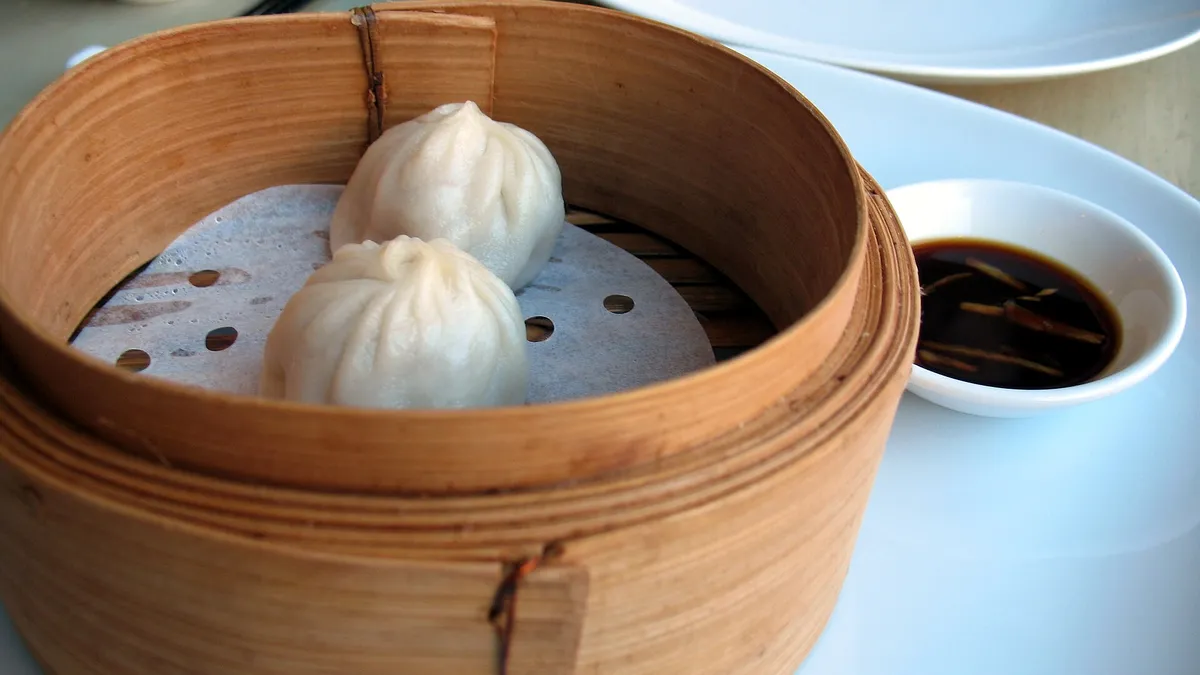
Learning how moist-heat cooking works changes the way a kitchen feels. Suddenly, a pot of bubbling water stops looking like a single technique. Instead, it becomes a family of methods, each with its own pace, its own mood, and its own effect on food. Boiling rushes. Simmering murmurs. Poaching barely stirs. Steaming lifts heat on a cloud of vapour rather than through a bath of liquid. All of them use water, yet no two treat food in quite the same way.
This guide explains that family as a system, not as a list to memorise. Firstly, it looks at what water actually does when it meets food. Secondly, it follows steam and liquid along their separate paths. Finally, it shows how to match a method to a food, so delicate things stay whole and sturdy things turn tender. Along the way, it answers the questions beginners ask most, in plain language and without fuss.
What Is Moist Heat Cooking?
So, what is moist heat cooking, exactly? In short, it is any method where water, another water-based liquid, or steam carries heat into food. Moist heat cooking methods therefore include boiling, simmering, poaching, steaming, braising, and stewing. Liquid surrounds the food, or vapour wraps around it, and heat travels through that wet medium. Consequently, food cooks in a damp environment from start to finish, rather than in dry air or hot fat.
That damp environment sets a ceiling on temperature in everyday cooking. Water at ordinary pressure cannot rise above its boiling point, however fierce the heat underneath may be. As a result, moist-heat cooking tends to be gentler than roasting or frying, even when the pot looks violent. Moreover, the liquid itself becomes part of the story, carrying flavour, softening fibres, and surrounding every surface at once.
Understanding cooking in liquid explained in this way helps clear up a common mix-up. People often describe any pot method as boiling, yet simmering and poaching sit well below a rolling boil. Similarly, steaming never submerges food at all, even though it depends entirely on boiling water below. Each method earns its name from how the water behaves, not merely from the presence of a pot.
How Does Water Carry Heat Into Food?
Water carries heat in two main ways, and both matter here. Firstly, hot liquid touches food directly and passes heat by contact. Secondly, moving liquid and rising vapour stir heat around, so fresh hot water keeps reaching the surface. In a simmering pot, for example, slow currents carry heat gently and evenly. In a rolling boil, by contrast, vigorous movement throws heat at food from every direction at once.
Size and shape change the picture further. A thin slice meets hot water across a wide surface, so heat reaches its centre quickly. A thick piece, meanwhile, warms from the outside inward, and its centre lags behind. Cutting food into even pieces therefore matters more than many beginners expect. Uneven pieces in one pot will, unsurprisingly, finish at different times.
Water also softens as it heats. Starches swell and thicken in hot liquid, plant cell walls loosen, and connective tissue in tougher cuts gradually relaxes. That softening explains why a long, gentle simmer can transform something firm into something spoon-tender. Conversely, a short, fierce boil can leave the outside ragged while the inside still catches up. Time, temperature, and movement work together, never alone.
Why Does Steam Cook Differently From Liquid Water?
Steam looks like thin air, yet it carries a surprising punch. When water turns to vapour, it stores a large amount of energy in the change itself. That energy releases again when steam touches a cooler surface and condenses back into water. Food in a steamer therefore receives heat not only from hot gas, but also from that release as vapour turns liquid on its surface.
This explains a puzzle many cooks notice. Steam and boiling water share roughly the same temperature at ordinary pressure, yet steaming can feel faster and more intense than expected. The difference lies in how heat arrives, not in a higher reading on a thermometer. Liquid water heats by contact and circulation, whereas steam adds the extra energy of condensation on top of contact.
Steam also travels where liquid cannot easily reach. It slips into folds, wraps around irregular shapes, and fills a covered space evenly. Meanwhile, food stays out of the bath below, so it never sits soaking in liquid. That separation shapes everything that follows, from texture to colour to flavour, and it marks the central divide inside moist-heat cooking.
What Happens When Food Boils?
Boiling means cooking food in liquid at a full, rolling boil, with large bubbles breaking vigorously at the surface. Heat arrives fast, movement stays constant, and the liquid surrounds every piece completely. Boiling food science, at its simplest, is therefore a story of speed and agitation. Nothing delicate survives that turbulence unchanged, and nothing sturdy minds it much.
Firm vegetables, grains, and pasta-like foods suit a rolling boil well, because their structure can withstand the tossing. Their surfaces meet fresh hot liquid constantly, so cooking stays even. On the other hand, fragile fish or soft greens may break apart, lose shape, or turn ragged in the same pot. Boiling rewards toughness and punishes fragility, a trade worth remembering.
Another feature of boiling deserves attention. Since liquid cannot exceed its boiling point at ordinary pressure, turning the heat higher will not make the water hotter. It will only make it boil more violently and evaporate faster. A steady, full boil therefore cooks no faster than a vigorous one already does, however tempting it feels to crank the heat further. Control, in this case, means managing movement rather than chasing temperature.
How Is Simmering Different From Boiling?
Simmering vs boiling comes down to the behaviour of the liquid. Simmering keeps liquid just below boiling, with small bubbles rising gently and breaking softly at the surface. Boiling, by contrast, churns. That calmer movement changes the result completely, even though both methods submerge food in hot liquid.
Gentle movement protects shape. Soups, sauces, and long-cooked dishes benefit because ingredients stay intact while flavours mingle slowly. Tough fibres soften gradually, liquids thicken without violent splashing, and the cook gains time to taste and adjust. Simmering, in short, trades speed for control, and control often wins.
Watching the surface tells the whole story. A simmer shows occasional bubbles, a slight trembling, and a quiet surface overall. A boil shows constant, rolling agitation that lifts and tosses food. Learning to read that surface, rather than staring at a dial, gives a cook the most reliable guide available. Eyes, in this method, beat instruments.
What Does Poaching Actually Involve?
Poaching explained in one line means cooking food gently in hot liquid that never reaches a boil. The surface stays almost still, perhaps shivering faintly, while heat creeps slowly into the food. How poaching works, therefore, depends on patience rather than power. Low, steady heat does the work, and the food keeps its shape because nothing tosses it around.
Poaching fish and eggs shows the method at its best. Both foods hold delicate structures that firm up gently in warm liquid, yet fall apart under rough handling. A poached egg, for instance, sets into a soft, rounded shape when the liquid stays calm. Similarly, a piece of fish stays in one piece when heat arrives slowly from a quiet bath. Rough water would shred both, so stillness becomes the point.
Poached fruit follows the same logic. Firm fruit softens gradually in warm liquid, absorbing gentle flavour from its surroundings without collapsing. However, poaching suits small or thin pieces far better than large, dense ones, since heat must reach the centre without overcooking the outside. Thickness, once again, decides success.
Choosing everyday meals wisely matters here too, since a calm method pairs naturally with thoughtful ingredients. Readers looking for broader ideas about smarter food choices will recognise the same principle: a gentle approach often serves delicate food better than a forceful one. Poaching simply applies that idea inside the pot.
How Does Steaming Work Without Soaking Food?
How steaming works sounds almost like a trick at first. Food sits above boiling water, never touching it, while steam rises and wraps around every surface. Heat arrives through vapour and condensation, as described earlier, and the food cooks in a damp, enclosed space. No soaking happens, yet moisture surrounds the food throughout.
A covered pot or basket matters enormously in this method. Steam escapes quickly through gaps, taking its heat with it, so a loose lid weakens the whole process. Keeping the space closed lets vapour build, circulate, and condense evenly. Lifting the lid repeatedly, consequently, interrupts cooking far more than beginners expect. Patience with the lid pays off.
Steaming also keeps foods separate from the cooking liquid below. Flavours stay close to the food itself, colours often stay vivid, and shapes hold well because nothing stirs the pieces. For cooks who want a clean, clear result, that separation feels like a gift. Nothing washes away into a bath, and nothing gets knocked about.
What Does A Steaming Vegetables Guide Look Like In Practice?
A steaming vegetables guide, stripped of fuss, follows a simple rhythm. Firstly, cut vegetables into pieces of roughly equal size, so heat reaches each piece at a similar pace. Secondly, arrange them in a single layer where possible, giving steam room to circulate. Thirdly, keep the lid closed and check only when the time feels right, not out of habit.
Colour and texture give the best clues during steaming. Vegetables often brighten as they warm, then soften gradually from the outside inward. A piece that bends easily yet still holds its shape usually sits near the sweet spot. Meanwhile, a piece that collapses at a touch has gone past it. Small, frequent checks near the end beat one long, blind wait.
Different vegetables, unsurprisingly, need different times in steam. Dense roots take longer than tender leaves, and thick stems outlast thin florets. Grouping similar pieces together therefore helps enormously. Mixing a dense root with a delicate leaf in one basket, by contrast, guarantees that one finishes before the other. Sorting before steaming saves rescuing afterwards.
Boiling vs Steaming: Which One Keeps Shape And Colour Better?
Boiling vs steaming sparks endless kitchen debate, and the honest answer depends on the food. Steaming generally keeps shape better, because food escapes the tossing of a rolling boil. Boiling, meanwhile, cooks sturdy pieces quickly and evenly, since liquid touches every surface at once. Neither method wins in every case, and pretending otherwise misleads beginners.
Colour follows a similar pattern. Steamed vegetables often look brighter, because they never sit submerged while pigments drift into surrounding water. Boiled vegetables, on the other hand, may look duller after a long bath, especially when cooking runs long. Short boiling times narrow that gap considerably, however, so time matters as much as method.
Flavour tells the third part of the story. Steaming keeps flavours close, since nothing leaches into a large volume of liquid. Boiling, conversely, lets some flavour move into the water, which suits dishes where the liquid itself becomes part of the meal. A soup or broth gains from that exchange, whereas a plain side dish may lose from it. Matching method to purpose, therefore, beats ranking methods in isolation.
Moist Heat vs Dry Heat: What Changes When Water Enters The Picture?
Moist heat vs dry heat describes two different worlds of cooking. Dry heat, through roasting, grilling, or frying, drives moisture out of surfaces, browns them, and builds crisp textures. Moist heat does the opposite: it surrounds food with water, softens surfaces, and prevents browning almost entirely. A steamed piece will never crisp like a roasted one, however long it stays in steam.
Temperature ceilings explain much of the contrast. Dry heat can climb far above the boiling point of water, which allows browning reactions that need high heat. Moist heat, meanwhile, stays capped by the boiling point of its liquid, so those reactions barely begin. As a result, moist-heat dishes lean on tenderness, clarity, and gentle flavour rather than on crust and char.
Texture follows the same divide. Dry heat firms and crisps the outside while the inside catches up. Moist heat softens throughout, relaxing fibres and swelling starches evenly. Understanding that contrast helps a cook choose with intent: crispness calls for dry heat, whereas tenderness and delicacy call for water or steam. Heat moving through a home follows similar principles of transfer and control, as seen in discussions of heating and airflow in buildings, where moving warm air or water shapes comfort just as moving liquid shapes food.
Braising vs Steaming: Where Does The Boundary Sit?
Braising vs steaming confuses many learners, because both methods use gentle, damp heat over time. In braising, food starts partly submerged in a small amount of liquid, often after an initial browning step, and continues slowly with a lid on. Steaming, by contrast, keeps food entirely above liquid, cooking it in vapour alone. One method bathes, the other envelops.
That difference shapes which foods suit each method. Braising suits larger, tougher pieces that need long, slow softening in flavourful liquid, since the liquid becomes part of the dish. Steaming suits foods that need a shorter, cleaner cook without sitting in liquid at all. A tough cut would struggle in a steamer, whereas a delicate fillet would lose its charm in a long braise.
Time draws another clear line between them. Braising stretches out, sometimes for hours, because tough fibres need sustained gentle heat to relax. Steaming usually runs shorter, since vapour delivers heat efficiently to smaller or more delicate pieces. Choosing between them, consequently, means asking how tough the food is and how long it can spare.
Which Foods Suit Gentle Cooking Methods Best?
Gentle cooking methods shine with foods that break, dry out, or toughen under rough handling. Delicate fish, eggs, tender greens, and soft fruit all belong in this group. Their structures set gently in calm liquid or steam, keeping shape and a soft, pleasing texture. Force, in their case, destroys exactly what makes them appealing.
Sturdy foods can also benefit from gentleness, though for a different reason. Tough cuts and dense roots need time for fibres to relax, and a calm simmer gives them that time without shredding them. Moist heat cooking examples therefore span both ends of the scale, from the most fragile fillet to the firmest root. Gentleness serves fragility, and patience serves toughness.
Seafood illustrates the range especially well. A delicate fillet in calm liquid stays whole and tender, while shellfish in steam open gently as heat reaches them. Readers curious about seafood in a wider dining context may enjoy the existing piece on seafood dishes and dining experiences, which shows how the same ingredient can anchor very different meals. Method, once again, decides the outcome more than the ingredient alone.
How Do You Choose Between Boiling, Steaming And Poaching?
Choosing a method starts with three questions, asked in order. Firstly, how sturdy is the food? Secondly, should it sit in liquid or stay above it? Thirdly, how much time does it need? A sturdy piece that suits a bath points toward boiling or simmering. Delicate pieces that need calm point toward poaching. Pieces that should stay clean and separate point toward steaming.
Next, consider what happens to the liquid afterwards. When the liquid becomes part of the dish, boiling or simmering makes sense, since flavour moves freely between food and bath. When the liquid stays behind, steaming or shallow poaching keeps the food itself at centre stage. That single question often settles debates that method lists leave open.
Finally, think about shape and appearance. A dish meant to look neat and intact favours steaming or poaching, where nothing tosses the food. A dish meant to blend together, like a soup or stew, favours simmering, where ingredients mingle freely. Purpose, therefore, guides method far better than habit. Learning any skill this way, by system rather than by single examples, mirrors how educational approaches to learning describe building understanding step by step.
What Goes Wrong Most Often With Moist Heat Cooking?
Overcooking tops the list of moist-heat mistakes, and steam deserves special blame. Because steam delivers heat efficiently, food can pass from perfect to soft surprisingly fast. Checking early and often near the end prevents most disappointments. A minute of attention, in this case, saves a whole dish.
Uneven cutting ranks close behind. Mixed sizes in one pot guarantee mixed results, with small pieces overcooking while large pieces lag. Sorting pieces by size before cooking, and adding denser pieces earlier where the method allows, solves most of the problem. Preparation, therefore, matters as much as heat itself.
Another common slip involves the lid. Lifting it constantly lets steam escape and drops the temperature inside, stretching cooking time unevenly. Similarly, a pot crowded too full blocks circulation, so steam or liquid cannot reach every piece. Giving food room, and giving steam a closed space, keeps heat even. Science learning often starts with exactly this kind of observation, noticing how heat, space, and time interact, as explored in pieces on bioscience and science learning.
Why Does The Same Method Give Different Results In Different Kitchens?
Altitude, pot shape, and lid fit all change moist-heat cooking, even when the method stays the same. At higher altitude, water boils at a lower temperature, so boiling and steaming take longer. A wide, shallow pot, meanwhile, loses steam faster than a tall, well-sealed one. Small physical differences, consequently, add up to visible changes on the plate.
Heat sources vary too. One hob may simmer gently at a low setting, while another runs hot and pushes liquid toward a boil. Learning a particular hob’s behaviour matters more than memorising dial positions. Watching the liquid, as earlier sections suggest, translates across kitchens far better than any fixed setting.
Home comfort systems offer a useful parallel here. Just as a kitchen pot depends on sealed lids and steady heat, a home depends on steady warmth delivered evenly to each room. Articles on home heating and comfort describe that same challenge of moving heat where it belongs without waste. Cooking and heating, in both cases, reward attention to flow, enclosure, and control.
How Can You Tell When Gentle Heat Has Done Its Work?
Texture gives the clearest signal in gentle cooking. A vegetable that yields to a gentle prod yet still holds shape has usually reached a good point. Fish that flakes easily along its natural lines, without falling apart, signals readiness too. Eggs set softly in calm liquid, holding a rounded form without firming into rubber. Each food, in short, announces readiness through its own texture.
Colour offers a second clue, though a subtler one. Many vegetables brighten early in cooking, then dull if cooking runs too long. That bright phase often overlaps with a pleasing texture, so watching both together helps. Relying on colour alone, however, misleads, since different vegetables change at different rates. Texture leads, colour confirms.
Resting matters as a final step. Food continues to cook briefly from its own retained heat after leaving liquid or steam. Removing it just before it looks fully done, therefore, often lands it exactly right a moment later. That carryover effect, small yet real, separates careful cooks from hurried ones. Gentle heat rewards a gentle finish.
Moist-heat cooking, seen as a whole, turns out to be less about recipes and more about reading water. Boiling rushes, simmering murmurs, poaching rests, and steaming envelops, yet all four share one medium and one logic. Learn how water moves, how steam releases energy, and how calm protects delicate things, and the whole family falls into place. From there, every pot becomes a choice rather than a guess, and every meal gains a quieter kind of confidence.




