
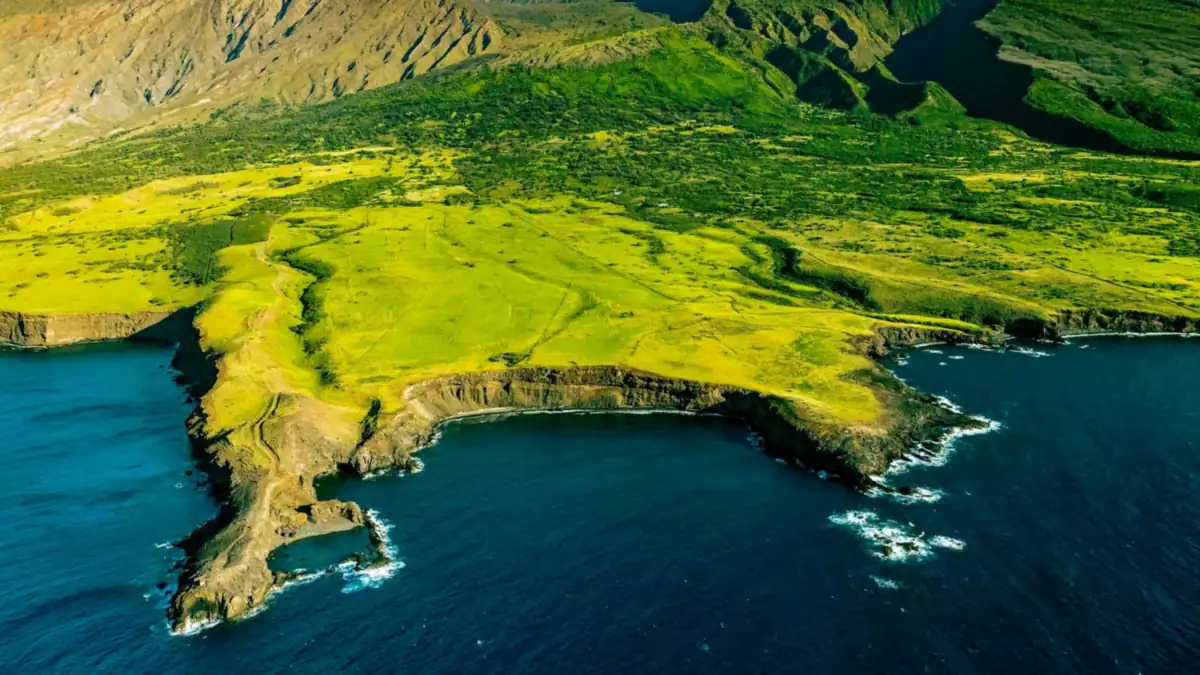
Maui rewards patience on the ground. However, Maui also hides much of its scale from the road. Cliffs block the coastline in many places. Similarly, deep valleys hide waterfalls that no trail reaches easily. A Maui helicopter tour changes that view completely. Moreover, a good Maui air tour connects the island in one sweep. You see volcano, rainforest, reef, and ocean together. As a result, the geography finally makes sense.
First-time visitors often ask a simple question. Is a scenic flight worth planning around? For many travellers, the answer is yes. Furthermore, the flight often becomes the memory they describe first. In contrast, nobody should book it blindly or nervously. This guide explains the choices in plain language. Additionally, it covers timing, weather, safety, and comfort honestly. You will also learn who should skip flying.
Why Maui Looks So Different From the Air
From a beach, Maui feels like separate holiday zones. However, from above, those zones join into one landscape. Volcanic slopes run straight down to bright reefs. Meanwhile, green ridges fold into valleys filled with cloud shadow. You notice how small the coastal towns really are. Moreover, you notice how wild the interior remains. Roads look thin beside the scale below. Consequently, familiar places feel new again.
Geology explains much of that surprise. Firstly, two large volcanoes built this island over time. Secondly, erosion carved their slopes into sharp ridges. Rain then cut valleys and fed countless streams. For example, the wet windward side looks intensely green. In contrast, drier leeward slopes look golden and open. A Maui scenic flight shows both sides quickly. Therefore, the contrast becomes the real headline.
Travellers planning wider island hopping get context too. Readers comparing places to visit in the US for spring break will notice one pattern. Strong destinations reward more than one viewpoint. Similarly, Maui rewards height as much as hiking. You still need beaches and small towns. However, the aerial view ties them together beautifully.
What You Actually See on a Maui Air Tour
Operators describe routes in different ways. Nevertheless, most Maui flights highlight the same natural landmarks. Pilots adjust the exact path for weather conditions. Moreover, cloud and wind can change any route. Expect broad themes rather than guaranteed postcards. In addition, listen closely to the pilot commentary. Good narration turns scenery into a story. Without context, you might miss half the meaning.
Haleakala Crater From Above
Haleakala dominates East Maui from almost everywhere. However, its summit depression feels abstract from ground viewpoints. From the air, the scale becomes suddenly clear. You see a vast, rust-toned volcanic landscape. Moreover, cinder cones rise inside the wide depression. Ash and old lava flows create layered colours. In contrast, clouds sometimes spill over the rim. As a result, the summit can feel otherworldly.
Guides often call that feature a crater. Geologists describe it more precisely as erosion-shaped. Nevertheless, visitors recognise it instantly from photographs. Sunrise crowds gather below at the summit. Meanwhile, your aircraft gives you the wider frame. You see how the mountain shapes the island. Furthermore, you see its slopes falling toward both coasts. That relationship rarely registers from a car.
The Hana Coast and Its Waterfalls
The Hana coast helicopter tour segment feels lush. Dense rainforest presses right against black-rock shoreline. Moreover, waterfalls appear after bends you never anticipated. Some falls drop straight toward the ocean. Others thread through green gulches above the road. For example, heavy rain can swell streams quickly. Consequently, waterfall flow varies a lot by day. No honest guide should promise identical falls.
From above, the famous coastal road looks delicate. Cars crawl along a ribbon between jungle and sea. Meanwhile, bridges cross ravines that seem impossibly steep. You also spot quiet coves and small settlements. In addition, the Kipahulu and Hana areas feel remote. That remoteness is exactly the point here. However, distance on the ground means hours of driving. Flight compresses that distance into pure scenery.
West Maui Mountains and Hidden Valleys
The West Maui Mountains aerial view feels intimate. Ridges here look folded, green, and deeply carved. Moreover, rain has sharpened almost every slope over time. Valleys run inland like green corridors toward cloud. For example, the Iao Valley area reads clearly. Its famous needle-like peak rises from the valley floor. Meanwhile, mist often softens the highest ridges. As a result, the light changes minute by minute.
Hikers know these mountains feel steep and wet. However, many interior valleys remain hard to reach. Helicopters reveal those hidden spaces without trails. Furthermore, you see how watersheds feed farms and towns. Streams glitter briefly between dense green folds. In contrast, the dry coastal strip looks tiny. That juxtaposition explains Maui water politics surprisingly well. Scenery and practical life share the same slopes.
Molokai Sea Cliffs Across the Channel
Some longer routes cross toward neighbouring Molokai. There, the Molokai sea cliffs tour moment steals attention. Sheer green walls rise straight from the Pacific. Moreover, they rank among the tallest sea cliffs anywhere. Waterfalls spill down faces that seem vertical. Meanwhile, the channel between islands looks deep blue. Whitecaps trace currents you cannot feel from shore. Consequently, the crossing alone feels like an expedition.
Not every Maui flight includes Molokai, though. Firstly, check which side of Maui a route covers. Secondly, confirm whether Molokai appears on that itinerary. Operators split East and West Maui routes often. In addition, combined circle-island flights cover more ground. Longer coverage usually means less lingering anywhere. Therefore, choose breadth or depth before booking. Both approaches satisfy different kinds of travellers.
Reefs, Coastline, and Winter Whales
Coastal flying adds a quieter kind of beauty. Turquoise water reveals reefs and sand channels below. Moreover, you can spot turtles near some shorelines sometimes. The colour gradient shifts from aqua to deep navy. For example, shallow reef areas glow almost electric. In contrast, deep channels look dark and mysterious. Photographers love that natural colour contrast enormously. Even phone cameras capture it surprisingly well.
Winter brings another possible highlight to coastal routes. Humpback whales visit Hawaiian waters in winter season. Moreover, Maui whale watching from air offers broad views. You might spot blows, backs, or flukes below. However, sightings never come with a guarantee. Pilots also keep respectful distance from wildlife. Meanwhile, boats remain better for close whale watching. Flight adds context rather than close encounters.
Maui Tour Types Compared in Plain Language
Choosing a format matters as much as route. Firstly, standard doors-on helicopters suit most first-timers best. Cabins feel enclosed, quieter, and less windy overall. Moreover, large windows still deliver excellent panoramic views. Families often prefer this calmer, more familiar setup. In addition, conversation through headsets feels easy and clear. If nerves worry you, start here. This format keeps the focus on scenery.
Secondly, a doors-off helicopter Maui flight feels rawer. Wind rushes in and the view feels unfiltered. Moreover, photographers gain completely unobstructed shooting angles. No window glare affects their images at all. However, the experience feels more intense for everyone. Loose hair and cool air become constant factors. As a result, nervous flyers may struggle here. Confident photographers, meanwhile, often call it unforgettable.
Small Planes, Private Flights, and Landing Options
Small-plane tours offer a different rhythm entirely. A Maui scenic flight by plane feels smoother. Moreover, planes usually fly higher and faster overall. They cover distance efficiently and feel reassuringly familiar. However, planes cannot hover or dip low. Helicopters, in contrast, slow beside waterfalls gracefully. Planes also turn in wider, gentler arcs. Therefore, each aircraft suits a different temperament. Neither choice is automatically the better one.
Private and landing options add another layer. Some flights land at remote scenic spots briefly. Moreover, private charters let groups control the schedule. Couples sometimes book private flights for proposals. In addition, photographers may charter for specific light. These upgrades naturally cost more than shared seats. However, this guide avoids specific prices on purpose. Prices change often and vary by operator. Always check current pricing directly before deciding.
Nature lovers building a wider bucket list will relate. Our guide to the best nature places to visit in the world shows a pattern. Wild places often reveal themselves best from distance. Similarly, Maui reveals its structure best from height. You are not just buying a thrill ride. Instead, you are buying a new perspective.
Best Time of Day and Season to Fly
Morning usually wins for Maui flying conditions. For example, the best time for a Maui helicopter tour is usually a calm, clear morning. Firstly, winds often stay calmer earlier in the day. Secondly, clouds tend to build during the afternoon. Morning light also flatters waterfalls and ridges beautifully. Moreover, visibility often stretches further across the channels. As a result, many pilots favour early departures. If your schedule allows flexibility, choose morning. Book the flight early in your trip too.
That last point deserves real emphasis here. Weather can cancel or delay any departure. However, an early-trip booking leaves backup days available. You can rebook rather than lose the experience. In contrast, a final-day booking leaves no margin. Travellers learned this lesson on many islands. Furthermore, sunset flights offer a beautiful alternative mood. Golden light warms the ridges and coastline dramatically. Midday, meanwhile, can bring harsher light and glare.
Season shapes the experience in subtler ways. Winter brings whales and stronger waterfall flow sometimes. Moreover, winter storms can disrupt schedules more often. Summer often brings steadier trade winds and drier trails. In addition, the Hana side stays green year-round regardless. There is no single perfect month for everyone. Instead, match the season to your priorities. Whale hopes, waterfall hopes, and calm-air hopes differ.
Holiday planning raises similar trade-offs everywhere else. Anyone reading about the best place to visit in the winter in the US knows this. Winter trips reward planning around weather windows. Similarly, Maui winter flying rewards flexible itineraries. Keep one unscheduled morning as a backup. Consequently, a cancellation becomes a reshuffle, not heartbreak.
Weather, Delays, and Cancellations Explained
Mountain weather changes quickly on tropical islands. Cloud can sit on Haleakala while beaches stay sunny. Moreover, rain showers move across valleys within minutes. Pilots watch visibility, wind, and cloud ceilings constantly. However, a grey view from your hotel proves little. Conditions at altitude and along routes matter more. Operators make the final call on safety. Trust that call, even when it disappoints.
Cancellations protect passengers, crew, and aircraft alike. Firstly, low visibility makes scenic flying pointless anyway. Secondly, strong turbulence makes flights uncomfortable and risky. No waterfall photograph justifies pushing unsafe weather limits. Furthermore, reputable operators explain rebooking or refund options clearly. Check those terms carefully before you pay. In addition, confirm how the operator contacts you. A missed message can waste a morning.
Routes may also change without much notice. A pilot might skip a clouded valley entirely. Meanwhile, another valley may open beautifully instead. Flexibility keeps the experience enjoyable despite changes. However, specific landmark guarantees should raise suspicion. Honest operators describe sights as weather permitting. As a result, your expectations stay realistic and fair. Disappointment usually comes from promises, not clouds.
Safety First When Choosing an Operator
Choose a licensed, well-reviewed operator every time. Firstly, check that the company states its certifications clearly. Secondly, read recent reviews for patterns, not perfection. Look for comments about briefings, maintenance, and professionalism. Moreover, notice how companies respond to weather complaints. Calm, clear responses signal a professional safety culture. In contrast, vague answers deserve a harder look. Your questions before booking should feel welcome.
Expect practical checks at check-in as standard. Operators commonly weigh passengers for balance and safety. Moreover, seating assignments often depend on that balance. Bring the photo identification the operator requests. In addition, arrive early for the safety briefing. Briefings cover seatbelts, headsets, exits, and boarding routines. Listen properly, even if you fly often. Every aircraft layout differs in small ways.
Dress and behaviour rules also support safety. Wear closed shoes and secure loose items carefully. Moreover, follow crew instructions around rotors at all times. Never approach an aircraft without an escort. Hats, scarves, and selfie sticks usually stay behind. For doors-off flights, securing cameras matters even more. Operators typically require straps or approved mounts. As a result, preparation feels routine rather than restrictive.
Health and recent activities deserve honest thought too. Tell the operator about relevant medical concerns privately. Moreover, ask about scuba diving before any flight. Operators and dive professionals give specific guidance there. This guide deliberately avoids universal medical rules. Your situation, health, and operator policies all matter. Furthermore, pregnancy and back issues warrant direct questions. A quick call prevents awkward check-in surprises.
Just as a helicopter tour reveals the hidden complexities of Maui’s breathtaking landscapes, exploring a city like Krakow unveils layers of history and culture that are easily overlooked from the ground. Much like the scenic flight offers a unique perspective on the island’s volcanic craters and lush rainforests, a well-planned itinerary in Krakow allows travelers to connect with the rich tapestry of its Old Town and the poignant reminders of its past in Kazimierz. For those looking to maximize their experience, a thoughtfully crafted 3 days in Krakow itinerary can guide you through its most significant sites, ensuring that every moment is both enriching and memorable. Whether soaring above the stunning cliffs of Maui or strolling through the historic streets of Krakow, each destination offers an opportunity to engage deeply with its unique narrative, making your travels not just a journey, but a transformative experience.
Motion Sickness and Staying Comfortable
Most passengers feel fine during Maui flights. Helicopters fly smoothly when winds stay light. Moreover, pilots generally bank gently and avoid sudden moves. Still, helicopter motion sickness tips help sensitive travellers. Firstly, eat lightly before the flight, not heavily. Secondly, avoid alcohol the night before flying. Ginger sweets help some people feel steadier. In addition, focus your eyes on distant horizons.
Seating and timing can also affect comfort. Front seats may offer wider forward views sometimes. However, operators assign seats mainly by weight balance. You can request preferences, but guarantees vary. Morning flights may feel calmer than breezy afternoons. Meanwhile, looking through a camera screen worsens queasiness. If nausea rises, put the phone down quickly. Breathe slowly and watch the horizon instead. Tell the pilot through the headset early.
Medication is a personal decision for each traveller. Some visitors use over-the-counter remedies before flying. Moreover, those remedies can cause drowsiness for some people. Read labels and test familiar products at home first. In contrast, trying something new on flight day adds risk. Natural remedies suit some travellers perfectly well. Sleep also matters more than people expect. A rested body handles motion far better.
Rest-focused travellers plan recovery time for good reason. Our roundup of best places to visit for rest and relaxation makes that point. Exhausted travellers enjoy intense experiences far less. Similarly, a Maui flight deserves a rested morning. Schedule nothing stressful immediately before the departure. Consequently, you board calm, alert, and actually present.
Photography Tips for Doors-On and Doors-Off Flights
Good aerial photos start before you board. Firstly, wear dark clothing for doors-on flights. Dark fabric reduces reflections on cabin windows significantly. Secondly, clean your phone or camera lens carefully. Smudges glow badly in bright tropical sunlight. Moreover, charge batteries fully the night before. Cold cabin air and wind drain devices faster. Preparation takes minutes but saves irreplaceable shots.
Settings matter once the aircraft starts moving. Use a fast shutter speed for sharper images. Moreover, vibration blurs slow exposures surprisingly easily. Burst mode helps during brief waterfall passes. For example, shoot several frames, then actually look. The best Maui aerial photography tips involve restraint. Your eyes deserve half the flight without screens. Memories formed directly often outlast any photograph.
Window seats change the game for photographers. However, every seat usually gets decent views eventually. Pilots often turn so both sides see highlights. Meanwhile, doors-off passengers must secure every device firmly. Follow the operator rules on straps and cases exactly. In addition, keep elbows and cameras inside as instructed. Wind at altitude feels stronger than expected. A lost phone helps nobody below either.
Light direction shapes results more than gear. Morning sun lights East Maui waterfalls beautifully. Moreover, polarising filters can cut glare on windows. Some operators restrict filters or loose lens attachments, though. Check the rules before bringing extra kit. Sunset flights, in contrast, suit silhouettes and mood. Midday light flattens ridges but brightens reefs. Therefore, pick a departure matching your photographic style.
Packing smart supports all of this preparation. A light layer belongs in your day bag. Readers of our Magellan travel vest guide know pockets help organisation. However, loose items often stay off the aircraft entirely. Ask what you may carry aboard beforehand. Consequently, check-in becomes quick and stress-free.
Who Should Skip a Maui Air Tour?
Some travellers should honestly skip flying altogether. Firstly, anyone with a severe fear of heights may struggle. Exposure feels constant once the doors close. Secondly, severe motion sickness deserves serious respect beforehand. Medication and ginger do not help everyone equally. Moreover, very young children may dislike headset noise. Check the operator policy on ages and seating. A miserable passenger enjoys no scenery whatsoever.
Physical comfort also matters in small cabins. Seating space feels tighter than airline economy sometimes. Moreover, boarding involves steps and ducking under rotors. Travellers with mobility limits should call ahead. Operators can explain boarding help honestly and clearly. In addition, back or neck problems may flare. Vibration and fixed seating can aggravate existing pain. Medical questions belong with professionals, not blogs.
Budget pressure is another valid reason to skip. Air tours sit among Maui priciest activities generally. However, nobody should overspend under bucket-list pressure. Maui offers extraordinary free and low-cost experiences everywhere. Beaches, scenic drives, and hikes reward modest budgets. In contrast, a flight booked resentfully rarely feels magical. As a result, skipping can be the smartest choice. The island will still deliver a wonderful trip.
Timing stress can also ruin the experience. Cruise visitors and tight itineraries face real constraints. Moreover, check-in locations sit away from some resorts. Allow generous transfer time across the island. If the flight dominates your only Maui day, reconsider. Meanwhile, travellers with several days can relax properly. Flexibility transforms the same flight into pure pleasure. Context matters as much as the aircraft.
Air Tour or Road to Hana Drive?
The Road to Hana vs helicopter debate misses something. These experiences show completely different sides of Maui. Driving means waterfalls at touching distance. Moreover, you swim, snack, and stop on impulse. The road itself becomes a slow adventure. Meanwhile, flying means scale, pattern, and hidden valleys. You see places the road never reaches. Comparing them directly feels almost unfair.
Time and energy separate them most clearly. The Hana drive demands a full day usually. Moreover, its curves tire drivers and passengers alike. A flight, in contrast, takes part of a morning. Check-in and briefing add time around it, though. Travellers short on days often choose flying first. Those with a week may happily do both. Each experience deepens appreciation of the other.
Motion sensitivity also cuts both ways here. Winding roads upset stomachs as reliably as aircraft. However, drivers can stop whenever discomfort builds. Passengers in helicopters cannot pause mid-flight, obviously. In contrast, flights end far sooner than drives. Some travellers handle short flights better than curves. Others strongly prefer keeping wheels on the ground. Know your own history before choosing either.
West Coast travellers often extend Hawaii trips further. Our guide to must-visit places on the West Coast USA suits that planning. Long itineraries reward mixing intense and gentle days. Similarly, pair a Maui flight with a lazy beach day. Do not stack the Hana drive the same afternoon. Consequently, each highlight gets your full attention.
How to Choose and Book With Confidence
Start with the landscape you want most. Firstly, pick East Maui for Haleakala and Hana. Secondly, pick West Maui for ridges and Molokai. Circle-island options try to cover everything briefly. Moreover, shorter focused routes linger over fewer highlights. Neither approach suits every traveller equally well. Your priority list should drive the booking. Marketing language should never drive it instead.
Next, compare formats against your comfort level. Doors-on suits nervous flyers and relaxed sightseers. Moreover, doors-off suits photographers and confident thrill-seekers. Planes suit travellers wanting smoother, higher, wider coverage. In addition, private flights suit groups wanting privacy. Write your deal-breakers down before comparing options. Consequently, sales pages lose their power over you. Clear criteria make decisions surprisingly easy.
Finally, verify the practical details before paying. Confirm what happens after a weather cancellation. Moreover, confirm check-in location, identification needs, and weight policies. Ask about bags, cameras, and loose-item rules. Most departures leave from the Kahului heliport area, so confirm your transfer time too. In addition, check recent reviews across several platforms. Consistent praise for pilots and briefings matters most. Price matters, but trust matters more here. You are choosing an aircraft operator, after all.
Broad world lists can sharpen your priorities too. Browsing the top places to visit in the world reminds travellers of scale. Maui earns its place through concentrated natural drama. However, even bucket-list places deserve careful planning. A well-chosen flight rewards that planning immediately. As a result, the booking process feels empowering. You arrive informed rather than merely excited.
Frequently Asked Questions About Maui by Air
What is the best Maui helicopter tour for first-timers?
A doors-on flight suits most first-timers best. Moreover, it feels calmer, warmer, and less exposed. Choose the route matching your favourite landscape. East Maui suits volcano and rainforest fans. West Maui, in contrast, suits cliffs and ridges. Your interest matters more than any ranking.
Are doors-off helicopter flights in Maui safe?
Licensed operators run doors-off flights under strict procedures. Moreover, passengers follow specific securing and briefing rules. The format feels intense, but intensity differs from danger. However, nervous flyers may enjoy doors-on more. Choose the format matching your comfort honestly. Confidence makes any flight feel safer.
What should you wear on a Maui helicopter tour?
Wear dark clothing to reduce window reflections. Moreover, bring a light layer for cooler air. Closed shoes help during boarding and disembarking. Leave hats and loose scarves behind securely. Sunglasses reduce glare over bright ocean water. Comfort and security beat style at altitude.
Can you see whales during a Maui air tour?
Winter flights may pass over whales below. Moreover, pilots point out visible blows or backs. Sightings depend on season, route, and luck. Nobody can promise whales on any departure. Boats remain better for dedicated whale watching. Consider aerial sightings a bonus, not the goal.
What happens if weather cancels your Maui flight?
Operators usually offer rebooking or refund options. Moreover, exact terms vary by company and booking. Read the cancellation policy before you pay. Booking early in your trip protects you. Backup days turn cancellations into simple reshuffles. That flexibility reduces stress enormously for everyone.
Final Thoughts on Seeing Maui by Air
A Maui air tour is not compulsory. However, it explains the island like nothing else. Volcano, rainforest, cliffs, and reef finally connect. Moreover, the experience suits planners who choose carefully. Pick the route, format, and operator deliberately. Respect weather decisions and your own limits. As a result, the flight feels thrilling without stress. That balance defines a genuinely great tour.
Stand on a beach afterward and look up. The ridges will no longer look flat or simple. You will know the valleys hiding behind them. Furthermore, you will understand where the waterfalls begin. That knowledge quietly enriches every later drive. Finally, that is why Maui by air endures. It changes how you see everything below.




