
Three days in Krakow sounds generous at first glance. However, the city packs centuries of history into a compact centre. Moreover, two major memorial and heritage sites sit outside the city. Therefore, a good 3 days in Krakow itinerary needs honest choices. This plan makes those choices for you. Above all, it protects your energy for what matters most.
In addition, this is a Krakow itinerary for first-timers who want depth. You will explore the Old Town properly on foot. Furthermore, you will give Kazimierz a full, unhurried day. Finally, you will choose one major day trip, not two. Consequently, the trip feels rich rather than rushed.
How This 3 Days in Krakow Itinerary Works
Firstly, the plan follows geography, not a random checklist. Old Town sights cluster tightly around one large square. Similarly, Kazimierz and Podgorze sit together across the river. Wawel Castle stands at the southern edge of the Old Town. Therefore, each day stays within one walkable area.
Secondly, the plan respects a hard truth about day trips. An Auschwitz-Birkenau day trip from Krakow takes most of a day. Likewise, a Wieliczka Salt Mine day trip from Krakow takes several hours. In short, squeezing both into three days leaves you exhausted. Instead, this itinerary asks you to pick one. Afterwards, the lighter option fills the remaining time gently.
For example, travellers interested in wartime history should choose Auschwitz-Birkenau. In contrast, families and geology lovers often prefer Wieliczka. Both choices are valid, and neither is a lesser trip. Indeed, choosing well beats collecting every famous name. Your memories will be clearer for it.
Where to Stay in Krakow Old Town or Kazimierz?
Choosing where to stay in Krakow Old Town or Kazimierz shapes everything. Old Town hotels place you beside the main square. As a result, early mornings and late evenings become effortless. Kazimierz, meanwhile, offers quieter streets and characterful cafes. Moreover, both districts connect easily by foot or tram.
Old Town suits first-time visitors who want maximum convenience. For instance, you can reach Wawel and the square within minutes. Kazimierz suits travellers who prefer a local, lived-in feel. In addition, Kazimierz works well for the second day of this plan. Either base works, so choose by mood.
If you visit in the colder months, location matters even more. Short walks feel far longer on icy mornings. Therefore, stay central and save your energy for sightseeing. Our guide to places to visit in Poland in winter explains the seasonal picture well. In fact, Krakow in winter can be magical.
What Should You Book First for Krakow?
Booking order matters more than most visitors expect. Firstly, reserve your chosen day trip as soon as dates are fixed. Memorial and salt mine places are limited each day. Consequently, popular dates can sell out well ahead. Do not leave this decision until you arrive.
Secondly, book the two museums that reward early planning. The Rynek Underground Museum Krakow uses timed entry below the square. Similarly, Schindler’s Factory Museum Krakow is popular and space is limited. Therefore, secure both before you travel, if possible. Afterwards, you can plan meals and walks around fixed times.
Thirdly, think about Wawel Castle and Cathedral tickets early too. Wawel Castle and Cathedral tickets are sold for specific parts of the complex. In other words, decide which sections interest you most beforehand. Moreover, arriving with tickets removes long queues from Day One. Your first day then starts calmly, not in a line.
Day One: Old Town, the Main Square and Wawel
Start Day One early at the heart of the city. The Krakow Main Market Square Rynek is the natural beginning. Indeed, this vast medieval square anchors the whole Old Town. Cafes open around its edges as deliveries roll in. Above all, arrive before the crowds for the best atmosphere.
Morning at the Main Square and St Mary’s Basilica
Walk the square slowly and get your bearings first. The Cloth Hall Sukiennice Krakow stands proudly in the centre. Historically, merchants traded cloth and goods inside this hall. Today, stalls sell amber, crafts and souvenirs upstairs and downstairs. Take your time, because browsing here is part of the ritual.
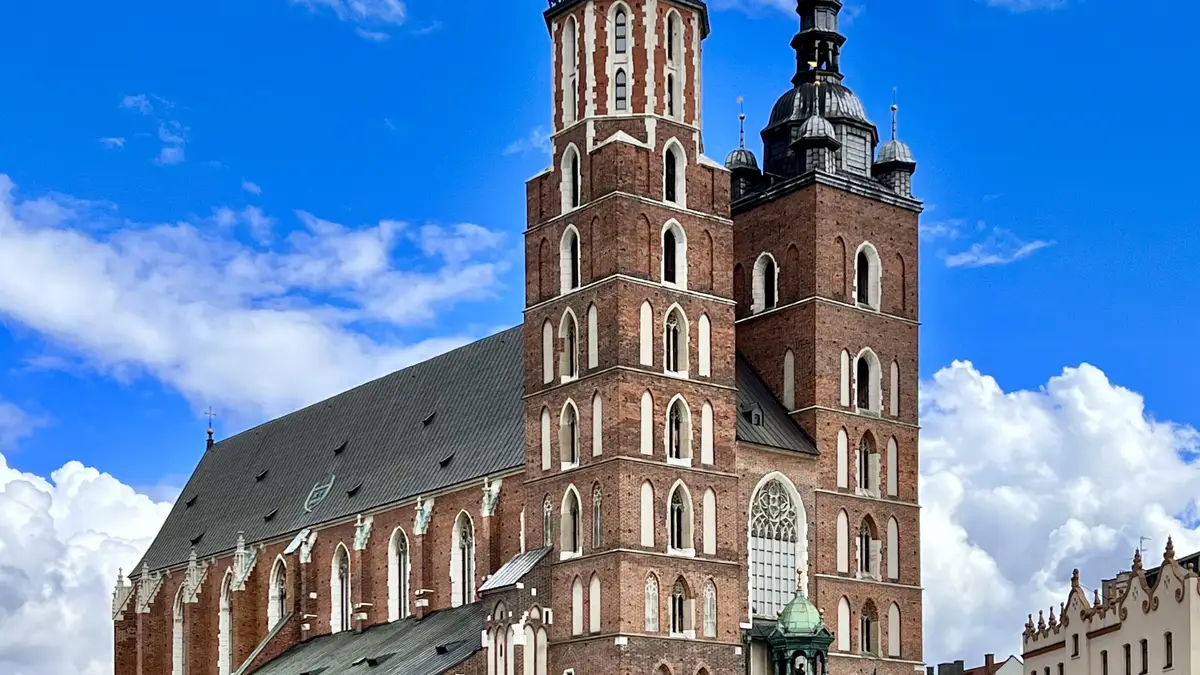
Next, step inside St Mary’s Basilica on the square’s eastern side. The St Mary’s Basilica hejnal trumpet call is Krakow’s famous sound. A trumpeter plays the melody from the taller tower each hour. Notably, the tune stops suddenly, mid-phrase, every single time. Legend links that abrupt ending to a watchman from centuries ago.
Inside the basilica, the carved wooden altarpiece rewards quiet attention. Meanwhile, the blue, star-painted ceiling surprises many first-time visitors. Sit for a few minutes and simply look upward. In addition, listen for the next hejnal from inside. The experience feels completely different from the square outside.
Midday: Cloth Hall and the Rynek Underground
Afterwards, return to the Cloth Hall for a slower browse. Upstairs, a gallery of Polish painting offers a calm break. Moreover, the hall’s cafe terrace gives fine square views. Order a coffee and watch the horse carriages pass below. This pause, in fact, helps the day breathe.
Then, descend into the Rynek Underground Museum Krakow below the square. This museum reveals medieval Krakow at its original street level. For example, old market stalls and road surfaces survive underground. Interactive displays, meanwhile, explain trade, daily life and old defences. Allow enough time, because the exhibition is larger than expected.
Emerging back into daylight feels strangely moving after that descent. In contrast to the quiet below, the square buzzes above you. That contrast is exactly why the museum works so well. Furthermore, it gives context to everything you saw this morning. Old Town stops being scenery and becomes a story.
Afternoon: Planty Park and Wawel Castle
Later, enjoy a gentle Planty Park walk Krakow visitors love. The Planty Park walk Krakow route circles the entire Old Town. Gardens replaced the old city walls along this green ring. As a result, benches, monuments and shade appear every few steps. Walk one section now, and save another for later.
From the Planty, head south towards Wawel Hill. Wawel Castle and Cathedral stand together above the Vistula River. Together, they formed the historic seat of Polish kings. Use your pre-booked Wawel Castle and Cathedral tickets here. Consequently, you can enter without wasting the afternoon queuing.
Inside the cathedral, royal tombs and chapels trace Poland’s long history. The castle courtyards, meanwhile, offer superb views over the river. Take the riverside path back down as light softens. In addition, look for the fire-breathing dragon statue below the hill. Children, especially, never forgive adults who miss it.
Evening: Your First Traditional Polish Dinner
Finish Day One with traditional Polish food pierogi and zurek in Krakow. Pierogi are filled dumplings, served boiled or lightly fried. Zurek is a sour rye soup, often served in bread. Together, traditional Polish food pierogi and zurek in Krakow makes a perfect introduction. Moreover, both dishes appear on menus across the Old Town.
Choose a small, busy restaurant slightly away from the square. Locals eating inside usually signal honest cooking and fair value. Afterwards, take a slow evening walk through the lit streets. The square at night feels theatrical and calm at once. Finally, sleep early, because Day Two carries real emotional weight.
Day Two: Kazimierz, Podgorze and Schindler’s Factory
Day Two explores the Kazimierz Jewish Quarter Krakow in depth. Historically, Kazimierz was a separate town beside Krakow. Jewish life flourished here for centuries before the Second World War. Today, synagogues, cemeteries and memorials stand among cafes and galleries. Therefore, walk respectfully, and give the district proper time.
Morning in the Kazimierz Jewish Quarter
Begin around Szeroka Street, the historic heart of the quarter. Several synagogues stand within a short walk of each other. For instance, the Old Synagogue now houses a museum of Jewish culture. In addition, the Remuh Synagogue adjoins a deeply moving old cemetery. Dress modestly for these visits, and follow signs about photography.
Guides and plaques explain how the community lived here. Meanwhile, small bookshops and exhibitions add personal, human detail. Do not rush this morning into a photo checklist. Instead, read names, dates and stories as you go. The Kazimierz Jewish Quarter Krakow rewards slow, attentive walking.
Later, pause in one of the district’s relaxed courtyards. Kazimierz cafes are famous for candlelit, vintage interiors. Moreover, the area around Plac Nowy buzzes with local life. Street stalls there serve a beloved open-faced toasted snack. Grab one, and watch the neighbourhood go about its day.
Afternoon: Podgorze and Ghetto Heroes Square
Afterwards, cross the river into Podgorze and Ghetto Heroes Square. During the occupation, the Krakow ghetto was established in Podgorze. Jews from Kazimierz and beyond were forced to move here. Ghetto Heroes Square now holds a striking memorial of empty chairs. Each chair, notably, symbolises belongings left behind during deportations.
Stand quietly at the square for a few minutes first. The chairs face different directions, like a crowd suddenly frozen. In fact, few memorials communicate absence quite so simply. A surviving fragment of the ghetto wall also stands nearby. Its shape, pointedly, echoes rows of tombstones.
From the square, walk onwards to Schindler’s Factory Museum Krakow nearby. Schindler’s Factory Museum Krakow occupies Oskar Schindler’s former enamel factory. However, the exhibition covers the whole city under occupation. Personal stories, photographs and recreated streets fill the rooms. Therefore, allow a generous block of time inside.
Booking ahead matters here more than almost anywhere else. Entry is timed, and popular slots disappear quickly. Moreover, the museum provides essential context for Day Three. After visiting, the memorial day ahead will feel better understood. Take a quiet tram or walk back to Kazimierz afterwards.
Evening Back in Kazimierz
Return to Kazimierz for a gentler, restorative evening. The district’s restaurants serve everything from Polish classics to Middle Eastern plates. In addition, small bars pour local craft drinks without tourist fuss. Choose somewhere warm, and talk through what you saw today. Days like this deserve conversation, not instant scrolling.
If energy remains, stroll back across the river on foot. The Bernatek Footbridge links Kazimierz with Podgorze over the Vistula. At night, its lights reflect beautifully on the water. Finally, rest well tonight, because tomorrow starts early. Day Three is the biggest decision of the trip.
Day Three: Choose Auschwitz-Birkenau or Wieliczka
Here is the honest choice most guides avoid explaining clearly. You cannot do both major trips well in three days. Auschwitz-Birkenau demands time, travel and emotional space afterwards. Wieliczka, meanwhile, involves hours underground and considerable walking. Consequently, pick one headline trip, and enjoy the other another time.
Option A: The Auschwitz-Birkenau Day Trip
An Auschwitz-Birkenau day trip from Krakow needs its own day. The memorial site stands in Oswiecim, west of the city. Travel there and back takes a significant part of the day. Moreover, guided visits move at a deliberate, reflective pace. Nothing about this visit should feel hurried or squeezed.
So, what does the visit actually involve on the ground? Visitors walk through the former camp grounds with a guide. Exhibitions preserve documents, photographs and victims’ personal belongings. Birkenau, the second part, is vast, open and sobering. Silence falls naturally there, even among large visiting groups.
Prepare respectfully, both practically and emotionally, before you go. Dress appropriately for a memorial site, not a tourist attraction. In addition, check the memorial’s official visitor guidance beforehand. Photography rules are strict in certain exhibition rooms. Above all, follow your guide’s instructions without question or debate.
Book this trip well ahead through official or reputable channels. Demand is high, and entry works on named, timed passes. Afterwards, plan nothing demanding for the evening back in Krakow. Most visitors want a quiet meal and early rest. That reaction is normal, healthy and completely understandable.
Option B: The Wieliczka Salt Mine Day Trip
Alternatively, a Wieliczka Salt Mine day trip from Krakow feels lighter. The Wieliczka Salt Mine day trip from Krakow suits families especially well. Miners carved chapels, chambers and sculptures from rock salt underground. Most famously, St Kinga’s Chapel glows with salt chandeliers. The scale below ground genuinely surprises first-time visitors.
The standard guided tour takes a few hours in total. Visitors descend many steps, then follow tunnels between chambers. Therefore, wear sturdy shoes with a good grip. Temperatures underground stay cool throughout the year, in contrast to summer streets. Bring a light jacket, even on a warm day.
Because Wieliczka takes only part of the day, afternoons stay flexible. Afterwards, you return to Krakow with time still available. For example, you could revisit a favourite Old Town corner. Or, instead, you could finally try a museum you skipped earlier. This flexibility is Wieliczka’s hidden advantage for short trips.
The Spare Half-Day: Nowa Huta or a Slow Old Town
If Wieliczka wins, consider a Nowa Huta day trip Krakow extension afterwards. A short Nowa Huta day trip Krakow add-on reveals another era entirely. Nowa Huta was built as a planned socialist district after the war. Grand avenues and monumental housing blocks spread east of the centre. In contrast to medieval Krakow, everything here feels vast and geometric.
Alternatively, spend the spare hours slowly back in the centre. Revisit the Planty, or browse the Cloth Hall once more. Moreover, a relaxed afternoon protects the trip’s overall balance. Not every hour needs a famous sight attached. Sometimes, a cafe window and people-watching beat another queue.
Whichever option you chose, end the trip with one last dinner. Return to the dish you loved most on Day One. For many visitors, that means pierogi one final time. Finally, walk the square once more after dark. Krakow’s farewell view rarely disappoints anyone.
Practical Tips for First-Timers in Krakow
Getting around Krakow is simpler than many visitors expect. The Old Town and Kazimierz are both highly walkable districts. Trams, meanwhile, link the centre with Podgorze and Nowa Huta. Therefore, buy tram tickets properly and validate them on boarding. Inspectors do check, and fines spoil an otherwise good day.
Money matters are straightforward, because Poland uses the zloty. Cards work widely in museums, restaurants and shops. However, small stalls and tips still favour a little cash. In addition, exchange money at reputable kantors, never at airports. Rates in the centre are usually noticeably better.
Season changes the experience more than the itinerary itself. Winter brings short days, Christmas markets and possible snow. Summer, in contrast, brings long evenings and busy squares. Shoulder seasons often balance mild weather with thinner crowds. If winter tempts you, compare notes with travellers heading to Prague’s top sights on the same trip. Central Europe pairs beautifully in one journey.
Combining cities is easy, and Krakow makes a fine base. Many travellers continue south towards Austria after Poland. Our guide to the best place to visit in Austria in summer helps with that leg. Others head west towards Amsterdam and its canal centre. In that case, see our Amsterdam city centre highlights next.
Pack for walking, whatever the season brings your way. Krakow’s charm lives at street level, not through taxi windows. Cobblestones, moreover, punish thin soles surprisingly quickly here. Comfortable shoes will save every single day of this itinerary. Add a small day bag for layers, water and tickets.
How Krakow Compares With Other European City Breaks?
Krakow rewards travellers who enjoy layered, walkable old cities. London offers scale, while Krakow offers intimacy and concentration instead. If London is also on your list, our London in summer guide covers its highlights. Similarly, Athens delivers ancient drama on a grander, hotter stage. Compare it through our Athens highlights guide before deciding.
Italy tempts many travellers on the same European circuit too. Rome and Venice, however, demand very different pacing from Krakow. Our roundup of good places to visit in Italy helps you sequence them. Above all, Krakow’s compact centre suits a three-day window perfectly. Few cities fit this timeframe quite so neatly.
Frequently Asked Questions About 3 Days in Krakow
Is 3 days in Krakow enough for a first visit?
Yes, three days cover the essentials without constant rushing. You can see the Old Town, Kazimierz and one day trip. However, you cannot include every museum and both day trips. Therefore, treat this trip as a rich introduction, not completion. Most first-timers leave already planning a return visit.
Can you visit Auschwitz and Wieliczka on the same day?
Technically, combined tours exist, but this itinerary advises against them. Auschwitz-Birkenau deserves unhurried time and emotional space afterwards. Wieliczka, meanwhile, adds hours of travel and underground walking. Together, they create an exhausting, blurred and disrespectful rush. Choose one, and give it your full attention instead.
Which day trip should first-timers choose in Krakow?
Choose Auschwitz-Birkenau if wartime history motivates your trip most. Its importance, in fact, shapes understanding of the whole region. Choose Wieliczka if you travel with children or prefer wonder. Families, especially, often find the salt mine easier to pace. Neither choice is wrong for a first visit.
Do you need to book Krakow attractions in advance?
Yes, several key attractions genuinely reward advance booking here. Rynek Underground and Schindler’s Factory use timed entry systems. Auschwitz-Birkenau, moreover, requires named passes booked well ahead. Wawel’s popular sections can also sell out on busy days. Booking early, consequently, protects the whole shape of your itinerary.
Is Krakow walkable for this itinerary?
Yes, Krakow is one of Europe’s most walkable historic cities. Old Town sights sit minutes apart around the main square. Kazimierz and Podgorze, similarly, reward exploring entirely on foot. Trams cover the longer hops, such as Nowa Huta. Comfortable shoes, therefore, matter more than any transport pass.
In short, this 3 days in Krakow itinerary chooses depth over checklist tourism. Old Town gets a full day of context and wandering. Kazimierz and Podgorze, meanwhile, receive the respect they deserve. Finally, one day trip gets your complete, unhurried attention. Follow that balance, and Krakow will stay with you.




