
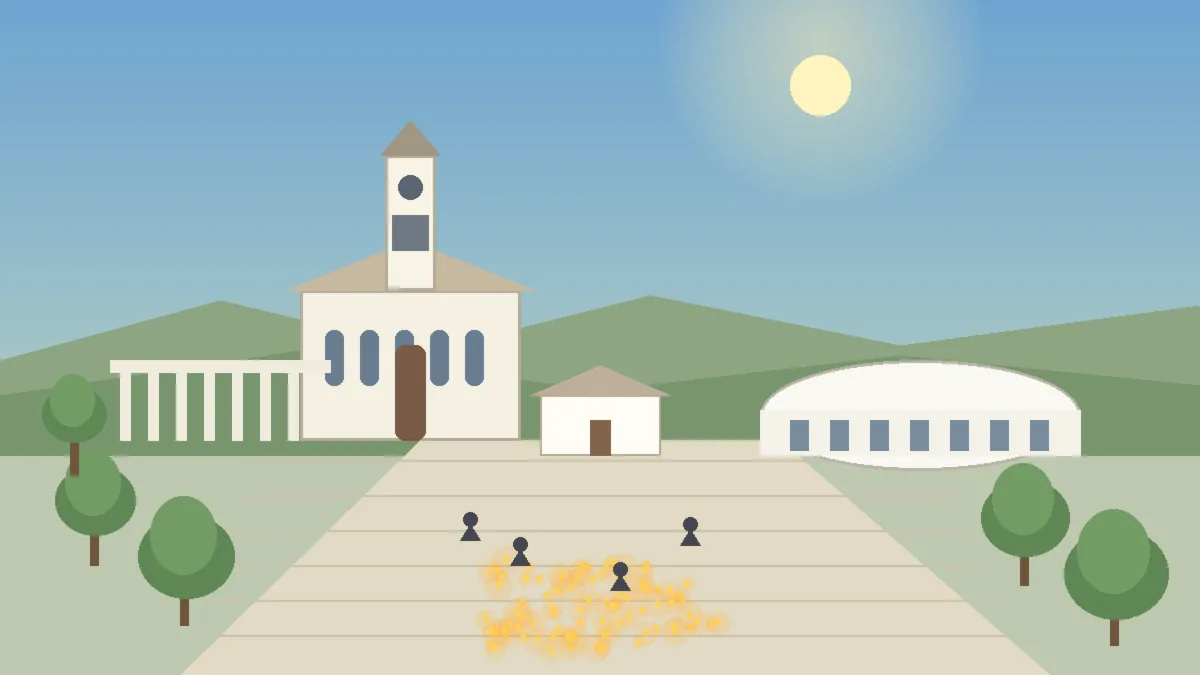
Best Places to Visit in Fatima Portugal
Fatima is quiet in a way that stays with you. Indeed, the town feels calm even on busy pilgrimage days. Moreover, its story centres on faith, memory, and simple rural life. Consequently, the best places to visit in Fatima Portugal reward slow walking. Visitors therefore do better here without a rushed checklist.
According to Catholic tradition, three shepherd children reported apparitions here in 1917. Lucia, Francisco, and Jacinta were tending sheep near Cova da Iria. Furthermore, believers say Our Lady appeared to them there repeatedly. Historians, meanwhile, record how quickly news spread across Portugal. As a result, a small farming area became a world pilgrimage centre.
This guide follows the places in a sensible walking order. Firstly, it starts at the Sanctuary of Fatima itself. Secondly, it moves to the museums and quieter corners nearby. Then it walks out to Aljustrel, Valinhos, and Loca do Cabeco. Finally, it adds Batalha and Obidos as clearly separate day trips.
Why does Fatima feel different from other pilgrimage towns?
Fatima was farmland before it was a famous destination. Sheep grazed here, and families lived from olive trees and small fields. However, the reported events of 1917 changed everything permanently. Nevertheless, the older rural landscape still survives beyond the sanctuary. In fact, you can still feel it in Aljustrel village.
Many pilgrimage towns overwhelm visitors with shops and noise. Fatima, by contrast, keeps its centre wide and open. Additionally, the huge prayer esplanade creates space for silence. People therefore speak softly here, even in large crowds. That restraint, notably, shapes the whole experience for everyone.
Cultural travellers also find plenty to appreciate here. For example, the architecture tells a century of changing devotion. Similarly, the museums explain local life before mass tourism arrived. Anyone comparing European sacred cities may enjoy good places to visit in Italy afterwards. Still, Fatima offers a gentler and more reflective pace.
The Sanctuary of Fatima and the prayer esplanade
The Sanctuary of Fatima stands at Cova da Iria. Specifically, it covers the ground linked to the 1917 reports. Moreover, its vast esplanade links the two great basilicas. Pilgrims cross it slowly, often stopping to pray en route. Consequently, your visit should begin here, without any hurry.
Give the esplanade time before entering any building. Watch, for instance, how groups gather near the chapel. Notice also the holm oak traditions remembered by older pilgrims. In addition, look across the square towards both basilicas together. That single view, importantly, explains the sanctuary layout instantly.
Chapel of the Apparitions, the heart of the sanctuary
The Chapel of the Apparitions is deliberately small and simple. Indeed, its modesty surprises many first-time visitors immediately. Furthermore, tradition holds that Our Lady appeared near this spot. Believers therefore treat this chapel as the sanctuary heart. As a result, prayer here feels intimate and focused.
Services and rosary prayer draw steady crowds to the chapel. However, quiet moments still happen between larger gatherings. Visitors should dress modestly and keep phones silent here. Moreover, photography needs particular sensitivity during prayer times. Respect, in short, matters more than getting the perfect picture.
What will you notice around the candle area?
Near the chapel, pilgrims light candles with personal intentions. Some, for example, pray for family members back home. Others give thanks for recovery, work, or safe journeys. Additionally, the steady flames create a powerful evening glow. Nevertheless, the mood stays orderly, prayerful, and surprisingly calm.
Basilica of Our Lady of the Rosary
The Basilica of Our Lady of the Rosary anchors one end. Built from local stone, it rises above the esplanade gracefully. Moreover, its tall bell tower dominates photographs of Fatima. Inside, however, the atmosphere feels restrained rather than grand. Pilgrims therefore lower their voices almost automatically inside.
Inside the basilica, visitors find the shepherd children tombs. Lucia, Francisco, and Jacinta are remembered here with deep affection. Furthermore, stained glass and mosaics retell the Fatima story visually. Consequently, even visitors without Portuguese can follow the narrative. Take time, specifically, to read each scene slowly.
The colonnade curving beside the basilica deserves attention too. Its columns, for instance, frame the esplanade beautifully at sunset. Additionally, statues of saints line the upper level thoughtfully. Meanwhile, small altars invite brief pauses along the walk. Overall, this older basilica rewards unhurried and observant visiting.
Basilica of the Holy Trinity
Across the esplanade stands the Basilica of the Holy Trinity. In contrast, this basilica feels strikingly modern and spacious. Moreover, its vast interior holds very large congregations comfortably. Natural light, notably, softens the huge circular space inside. As a result, big services still feel personal here.
Architecture lovers should study the building carefully outside first. For example, its low profile respects the older basilica opposite. Similarly, its doors and artworks carry rich symbolic detail. Inside, furthermore, a large crucifix draws the eye forward. Visitors therefore experience two architectural languages within one sanctuary.
Together, both basilicas show how Fatima grew over time. The older church, firstly, reflects early twentieth-century devotion clearly. The newer basilica, secondly, answers modern pilgrimage on huge scale. However, neither building competes aggressively with the other. Instead, they balance tradition and present-day need very thoughtfully.
Anyone planning wider Mediterranean trips might also explore best places to visit in Ischia Italy later. Likewise, island churches there offer another coastal faith tradition. Still, Fatima remains unique because its sanctuary feels inland and contemplative.
Fatima museums that deepen the story
Museums help visitors move beyond the main esplanade experience. Firstly, the Museum of the Sanctuary of Fatima presents sacred art. Moreover, its collections include devotional objects donated by pilgrims worldwide. Consequently, the displays show how global Fatima devotion became. In fact, many exhibits surprise visitors expecting only local history.
The Fatima wax museum offers a very different approach. Through life-sized figures, it retells the 1917 story in scenes. Furthermore, children often understand the narrative better this way. Adults, meanwhile, appreciate the careful period clothing and settings. As a result, families frequently rank it highly.
An interactive museum experience also explores the apparitions story. Specifically, multimedia displays explain the historical context in accessible stages. Additionally, the Museum of Sacred Art and Ethnology broadens the picture. Its collections, for instance, connect Portuguese devotion with world cultures. Therefore, allow museum time even on a short visit.
Which museum should you choose with limited time?
Choose the sanctuary museum for sacred art and original objects. Alternatively, choose the wax museum for storytelling with children. However, the ethnology museum suits travellers curious about global faith. In addition, checking current exhibitions before arrival helps greatly. Opening arrangements change, so official information deserves checking beforehand.
Aljustrel and the shepherd children houses
Aljustrel changes the scale of the Fatima story completely. Here, the shepherd children were ordinary village children at home. Moreover, their small stone houses still stand along quiet lanes. Consequently, visitors understand their poverty and simplicity far better. In short, Aljustrel makes the history feel human.
The house of Francisco and Jacinta Marto remains carefully preserved. Inside, simple furniture shows everyday life in rural Portugal. Furthermore, Lucia house nearby offers a similar moving insight. Together, both homes reveal cooking, sleeping, and family routines. Visitors therefore leave with faces and homes, not abstractions.
The village lanes themselves deserve slow and respectful exploration. For example, neighbours still live and work around these streets. Noise, consequently, feels out of place here very quickly. Additionally, a small museum in Aljustrel adds useful background. Meanwhile, the Well of Arneiro links to earlier reported apparitions.
Readers who enjoy village heritage may also like places to visit in Japan off the beaten path later. Similarly, quiet settlements there reward patient travellers greatly. Nevertheless, Aljustrel carries a particular emotional weight for pilgrims.
Via Sacra, Valinhos, and Loca do Cabeco
The Via Sacra leads walkers from Fatima towards Valinhos peacefully. Also called the Way of the Cross, it winds through olive groves. Moreover, stations along the route invite prayer and reflection. Consequently, many pilgrims walk it early for cooler air. Comfortable shoes, notably, make this countryside walk far easier.
Valinhos marks the site linked to the August 1917 report. According to tradition, Our Lady appeared here to the children. Furthermore, a small monument and sculpture mark the spot today. The setting, in contrast, feels rural, open, and uncrowded. Pilgrims therefore often linger here longer than expected.
Loca do Cabeco lies further along this peaceful walking route. Tradition associates it with the Angel apparitions reported in 1916. Moreover, its rocky hollow sits among trees and grazing land. As a result, silence feels almost complete at Loca do Cabeco. Visitors should bring water, especially during warmer months.
The Hungarian Calvary ends the Via Sacra route memorably. Its chapel honours support from Hungarian Catholic refugees historically. Additionally, the viewpoint offers broad views across the plateau. Finally, walkers can return towards Aljustrel along village paths. That loop, overall, forms Fatima most reflective half day.
How long should you allow for the Valinhos walk?
Allow a relaxed half morning for the full walking loop. However, rushing the Via Sacra defeats its reflective purpose entirely. Moreover, stops for prayer or photographs add time naturally. Families, for instance, may prefer walking only selected sections. Therefore, choose distance according to heat, energy, and interest.
Evenings, candlelight, and the rhythm of pilgrimage
Evenings bring a different and softer mood to Fatima. In particular, candlelight processions gather pilgrims across the esplanade after dark. Furthermore, singing and prayer carry gently across the open square. Consequently, even non-Catholic visitors often describe the scene as moving. Silence, meanwhile, returns quickly once the procession ends.
Procession schedules vary, so check official sanctuary information before visiting. Similarly, major pilgrimage dates draw especially large and devoted crowds. However, the task description here stays general for good reason. Dates and times change, and accuracy matters for pilgrims. Therefore, never rely on old blog posts for service times.
Staying overnight reveals this calmer Fatima most clearly. Day visitors leave, and the esplanade empties gradually afterwards. Moreover, early mornings feel equally special before groups arrive. In fact, sunrise light on the basilica stone looks beautiful. Travellers seeking calm might also enjoy best places to visit for rest and relaxation elsewhere.
How should you plan one day in Fatima?
Start early at the Chapel of the Apparitions first. Then explore both basilicas while the esplanade feels calmer. Moreover, add one museum before lunch for historical context. Consequently, the afternoon can focus on Aljustrel and Valinhos. Finally, return for evening prayer if energy allows.
- Start at the sanctuary before larger groups arrive daily.
- Visit one museum instead of rushing through every museum.
- Walk to Aljustrel and Valinhos during cooler afternoon hours.
- Keep evening free for candlelight and quiet reflection time.
- Check official sanctuary information for services before you go.
Two days, however, suit Fatima far better overall. The second day allows slower museum visits and repeat prayer. Additionally, you can walk the Via Sacra without watching clocks. Furthermore, nearby day trips become possible without exhausting yourself. As a result, most visitors remember two-day trips more fondly.
Staying near the sanctuary and the Pousada area
Many visitors stay within walking distance of the sanctuary. Indeed, proximity helps for early prayer and evening processions. Moreover, the area around the Portuguese Pousada offers established visitor accommodation. Consequently, pilgrims can rest between services without long transfers. Always, however, confirm facilities and availability directly before booking.
Choosing where to stay depends on your travel style. Some travellers, for example, prefer quieter streets slightly further away. Others value stepping straight into the esplanade each morning. Additionally, families may prioritise parking, lifts, and simple breakfasts. Therefore, compare location and practical comfort, not only price.
Food near the sanctuary ranges from cafes to traditional restaurants. Portuguese soups, grilled fish, and simple meat dishes appear widely. Furthermore, bakeries provide easy breakfasts before early walks begin. In addition, small shops sell rosaries, candles, and local souvenirs. Buy thoughtfully, though, and support respectful local businesses.
For a contrasting city break afterwards, see places to visit in London in summer here. Similarly, southern sunshine seekers may prefer best places to visit in the south of Spain instead. However, Fatima pairs best with slower central Portugal travel.
Day trips from Fatima to Batalha and Obidos
Batalha makes a rewarding day trip from Fatima clearly. Its great monastery celebrates Portuguese history through magnificent Gothic architecture. Moreover, the carved cloisters and chapter house impress secular visitors too. Consequently, Batalha adds national history to a pilgrimage-focused stay. Treat it, importantly, as an extra, not Fatima itself.
Obidos offers a completely different atmosphere as another day trip. This walled hill town charms visitors with cobbled lanes and castle walls. Furthermore, bookshops, small churches, and whitewashed houses fill its centre. Additionally, its famous cherry liqueur appears in many local shops. Nevertheless, Obidos gets busy, so arrive early if possible.
Both towns suit travellers with a spare day available. However, neither should replace Aljustrel or the sanctuary itself. Moreover, transport arrangements need checking before you commit plans. In contrast, Fatima core sites sit close together conveniently. Therefore, finish Fatima properly before adding Batalha or Obidos.
Those extending into island travel may also browse best places to visit in Menorca Spain later. Likewise, coastal fans often add top places to visit in French Riviera to longer itineraries. Still, central Portugal deserves unhurried time in its own right.
Respectful and practical tips for every visitor
Dress modestly inside churches, chapels, and during services always. Shoulders and knees, for example, should stay covered out of respect. Moreover, silence your phone before entering any prayer space. Consequently, other pilgrims can pray without unnecessary disturbance. In short, courtesy costs nothing and means everything here.
Walking forms a large part of any Fatima visit. The esplanade, for instance, involves long open distances daily. Additionally, the Valinhos route includes uneven countryside paths sometimes. Therefore, wear supportive shoes and carry drinking water always. Sun protection, furthermore, matters greatly on exposed summer days.
When is the best time to visit Fatima?
Spring and autumn usually bring milder weather for walking. However, major pilgrimage periods bring larger crowds and deeper atmosphere. Summer, meanwhile, offers long evenings but stronger midday heat. Winter visits feel quieter, although weather can turn unsettled. Therefore, choose timing according to crowds, faith, and comfort.
Is Fatima suitable for visitors who are not Catholic?
Yes, Fatima welcomes curious and respectful visitors of all backgrounds. Indeed, many travellers come purely for history and architecture. Moreover, the museums and village houses explain everything accessibly. However, services and prayer areas deserve respectful observation always. Consequently, non-Catholic visitors usually leave feeling welcomed and informed.
Frequently asked questions about Fatima
What is the most important place to visit in Fatima?
The Chapel of the Apparitions holds the greatest devotional importance. Moreover, the wider Sanctuary of Fatima surrounds it completely. Consequently, most pilgrims begin and end their visit there. Both basilicas, however, also deserve generous time during visits.
Can you visit Fatima as a day trip from Lisbon?
Yes, many travellers visit Fatima during one long day. However, day trips limit museum and Valinhos walking time. Moreover, overnight stays reveal calmer mornings and evenings here. Therefore, stay overnight if your itinerary allows it comfortably.
What should you not miss in Aljustrel?
Do not miss the preserved houses of the shepherd children. Furthermore, the village lanes show rural life in 1917 clearly. Additionally, the Well of Arneiro adds important story context nearby. In short, Aljustrel explains who the children were.
Are Batalha and Obidos part of Fatima itself?
No, Batalha and Obidos are separate towns beyond Fatima. Indeed, they work only as optional day trips from Fatima. Moreover, each deserves several hours in its own right. Therefore, visit them after completing the main Fatima sites.
Fatima rewards visitors who slow down and listen carefully. Its basilicas impress, but its small chapel moves people most. Moreover, Aljustrel and Valinhos keep the story grounded and human. Consequently, plan for silence as much as sightseeing here. That balance, finally, makes Fatima unforgettable for pilgrims and travellers.




