
Best Fall Places to Visit in Colorado
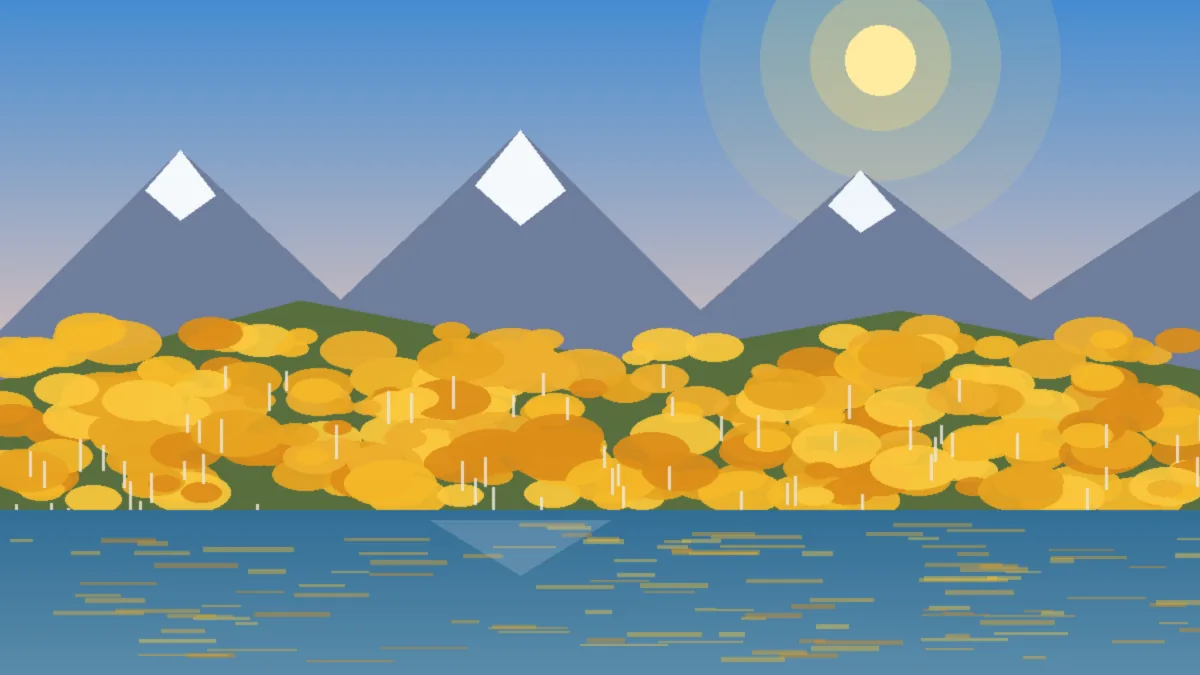
Golden aspens turn whole mountainsides yellow each autumn in Colorado. Consequently, the best fall places to visit in Colorado feel almost unreal at peak colour. Dark pines frame the glowing groves on every slope. Meanwhile, early snow sometimes dusts the highest summits above them.
Leaf peeping here works differently from eastern forests. For example, one connected aspen grove can change colour all at once. Roads, lakes, and historic mining towns sit inside that colour. Therefore, even a simple drive becomes a proper scenic tour. Planning a wider mountain itinerary also helps, and our guide to places to visit in the mountains of Colorado pairs well with this one.
Why Do Colorado Fall Colors Feel So Different?
Quaking aspens dominate the Colorado fall foliage story completely. Single trees rarely grow alone in these high forests. Instead, each grove shares one large root system underground. As a result, an entire hillside often turns gold together. Photographers love that bold, graphic sweep of colour.
Other trees quietly add depth around the bright aspens. For instance, cottonwoods glow yellow along rivers at lower elevations. Gambel oaks, meanwhile, bring russet and orange tones to foothills. Rocky Mountain maples also contribute occasional red accents. Together, these layers make Colorado fall colors richer than expected.
Comparison with other regions helps set realistic expectations too. Indeed, readers who enjoy our roundup of best places in the Midwest to visit in fall will notice a contrast. Midwest forests mix many hardwood species together. Colorado, in contrast, bets everything on gold. Happily, that single colour arrives with extraordinary intensity.
When Is the Best Time to See Fall Colors in Colorado?
Generally, the best time to see fall colors in Colorado runs from mid-September into mid-October. High country colour appears first each year, however. Lower valleys and southern towns follow a little later. Peak colour in one place usually lasts about a week. Flexibility, therefore, matters more than any fixed date.
How Does Elevation Control Peak Colour?
Elevation controls the calendar more than latitude does here. Above all, the highest groves turn earliest in September. Mid-elevation mountain towns usually peak in late September. Afterwards, colour slides down toward foothills and river valleys. Southern areas such as Durango often hold colour into October.
Weather can still shift that pattern noticeably each season. For example, a dry summer may push colour earlier. Cold nights, meanwhile, help trigger brighter and faster change. Sudden wind or early snow can strip leaves quickly. Checking current foliage reports before driving is wise, therefore.
1. Aspen and the Maroon Bells
Aspen gives Colorado leaf peeping its most famous photograph. Two rugged peaks, the Maroon Bells, rise above Maroon Lake. Golden groves surround that calm water on every side. On still mornings, consequently, the reflection doubles the colour. Few American landscapes match that simple, perfect scene.
Maroon Bells fall colors draw serious crowds for good reason. Access rules protect the fragile area around the lake. Visitors typically use a shuttle or a parking reservation in season. Always check current requirements before you travel, therefore. Arriving early also rewards you with softer light.
Town itself deserves unhurried time beyond the famous viewpoint. Castle Creek Road winds through dense groves toward historic Ashcroft. Independence Pass, additionally, climbs above the trees into alpine tundra. Local galleries and cafes fill the walkable centre afterwards. Aspen Colorado fall trips blend wilderness and comfort beautifully.
2. Rocky Mountain National Park and Estes Park
Rocky Mountain National Park fall visits combine colour, wildlife, and altitude. Trail Ridge Road crosses the park between Estes Park and Grand Lake. Lower sections pass glowing aspen stands and open meadows. Higher sections, meanwhile, cross tundra that turns rusty red. Few drives anywhere offer such rapid change.
Bear Lake and Moraine Park reward walkers most in autumn. Short trails circle lakes beneath towering granite walls. Elk also gather in the meadows during the autumn rut. Their bugling calls echo across the valleys at dawn. Keep a respectful distance from wildlife at all times, however.
Estes Park makes a friendly base on the eastern side. Grand Lake, in contrast, feels quieter on the western approach. Timed entry systems may operate during busy fall periods. Booking ahead through official channels is essential, therefore. Nature lovers comparing global scenery in our list of best nature places to visit in the world will understand the appeal instantly.
3. Crested Butte and Kebler Pass
Crested Butte fall colors feel wilder and more spacious somehow. Kebler Pass runs west from town through enormous aspen forest. Locals describe the grove as one of the largest anywhere. Hillsides consequently roll gold toward the West Elk Mountains. Pull-offs appear often along the graded gravel road.
Downtown Crested Butte adds genuine small-town warmth after drives. Elk Avenue preserves colourful historic storefronts and relaxed cafes. Cyclists, meanwhile, still ride famous trails in crisp autumn air. Nights turn properly cold at this elevation, admittedly. Warm layers transform chilly evenings into a pleasure, however.
Nearby options extend a stay without much extra driving. For instance, Ohio Pass offers another quieter golden corridor. Gothic Road, similarly, leads toward dramatic peaks and research cabins. Slate River trails provide gentle walks near town. Together, these corners reward travellers who linger longer.
4. Telluride, Ouray and the San Juan Mountains
San Juan Mountains fall colors deliver Colorado at its most dramatic. Steep peaks rise directly above old mining towns here. Aspens fill the avalanche chutes and high basins. Telluride sits inside a spectacular box canyon, for example. Bridal Veil Falls drops past colour at its head.
Telluride fall colors look superb from the free gondola. Cabins glide above town toward Mountain Village slowly. Walkers can ride up and hike down through groves. Ouray, meanwhile, calls itself the Switzerland of America proudly. Hot springs there soothe tired legs after hiking.
Roads around these towns demand respect in any weather. Million Dollar Highway climbs between Ouray and Silverton boldly. Guardrails disappear along some exposed and narrow sections. Careful drivers, however, gain unforgettable views for their caution. Silverton adds a remote, frontier feel at the far end.
5. Breckenridge, Vail and Summit County
Breckenridge fall colors suit travellers who want easy access. Historic Main Street sits below the Tenmile Range peaks. Aspen Alley, notably, threads through a glowing tunnel of trees. Short walks consequently deliver big colour without long hikes. Families especially appreciate that gentle introduction to autumn.
Vail and Beaver Creek bring a polished resort atmosphere nearby. Gondolas sometimes run on fall weekends for scenic rides. Village paths, meanwhile, link restaurants, shops, and riverside colour. Gore Creek reflects gold aspens along its banks beautifully. Checking lift schedules before visiting remains important, therefore.
Summit County works well as a connected road trip base. Boreas Pass climbs from Breckenridge toward South Park views. Dillon Reservoir, additionally, mirrors peaks and shoreline trees. Frisco and Silverthorne add practical lodging and dining choices. Altogether, this cluster suits a relaxed long weekend.
6. Steamboat Springs and Northwest Colorado
Steamboat Springs mixes ranch country with serious aspen forest. Rolling hills surround the Yampa River valley here. Groves consequently patchwork the slopes in gold and green. Downtown, meanwhile, keeps a genuine western working-town character. Natural hot springs provide a warming finish to cool days.
Rabbit Ears Pass carries drivers through colour east of town. Fish Creek Falls, for instance, pours beneath autumn maples nearby. Trails above town climb into further golden stands. Photographers particularly enjoy sunrise across the valley farmland. Crowds also feel thinner here than along Interstate 70.
Extending north and west reveals a quieter side of Colorado. Flat Tops Wilderness access roads pass remote groves and lakes. Small communities, admittedly, offer fewer services along the way. Carrying water, snacks, and offline maps is sensible, therefore. Solitude becomes the reward for that extra preparation.
7. Colorado Springs, Pikes Peak and the Front Range
Colorado Springs gives late-season travellers a useful second chance. Garden of the Gods pairs red rocks with changing cottonwoods. Colour, however, peaks later here than in high country. That delay helps visitors who missed September entirely. Pikes Peak rises behind the city as a constant landmark.
Driving or riding toward the Pikes Peak summit adds drama. Aspens brighten the lower forests along the highway. Views then expand across plains and distant ranges. Weather near the summit changes extremely fast, admittedly. Confirming road conditions before ascending is essential, therefore.
Front Range foothills extend the season close to Denver and Boulder. Golden Gate Canyon State Park hides lovely aspen pockets, for example. Peak to Peak Highway links Nederland with Estes Park scenically. Kenosha Pass, similarly, packs dense groves beside the highway. Weekend traffic builds early at these accessible spots, however.
8. Durango, Pagosa Springs and the Southwest Corner
Durango anchors the warm finale of the Colorado season. San Juan National Forest surrounds the town with mixed forest. Cottonwoods glow along the Animas River through town. Aspens, meanwhile, colour the high country toward Silverton. That vertical range stretches viewing opportunities across weeks.
Durango and Silverton Narrow Gauge Railroad adds a nostalgic option. Steam trains follow the river into remote mountain scenery. Riders consequently enjoy colour without watching the road. Booking popular fall departures early is wise, however. Seats for peak weekends disappear surprisingly quickly each year.
Pagosa Springs lies east beneath the San Juan Mountains. Natural hot springs there overlook the San Juan River downtown. Treasure Falls, for instance, drops beside the highway nearby. Travellers extending southwest trips sometimes pair this region with our guide to top places to visit in Santa Fe, New Mexico afterwards. Both destinations share high-desert light and mountain backdrops.
Which Scenic Drives Show Colorado Fall Colors Best?
Colorado scenic fall drives turn leaf peeping into a road trip. Routes cross passes, follow rivers, and link charming towns. Some roads are paved highways with frequent services. Others, in contrast, are gravel and close for winter. Matching the road to your vehicle matters greatly.
- San Juan Skyway: notably, this loop links Durango, Silverton, Ouray, and Telluride through the grandest southern scenery.
- Million Dollar Highway: similarly, the Ouray to Silverton section delivers cliffs, mines, and dense colour.
- Independence Pass: additionally, this high crossing between Aspen and Twin Lakes closes once winter snow arrives.
- Kebler Pass: meanwhile, gravel through giant groves rewards drivers who slow down near Crested Butte.
- Peak to Peak Highway: for example, Front Range travellers gain aspen views without crossing the state.
- Guanella Pass and Kenosha Pass: finally, both routes serve Denver visitors seeking a rewarding day trip.
Safe habits make every one of these drives better. Use designated pull-offs for photographs instead of stopping in lanes. Watch for wildlife, cyclists, and slow vehicles constantly. Download maps before leaving town coverage areas, additionally. Mountain weather can close high passes with little warning.
How Should You Plan Around Crowds and Bookings?
Peak weekends bring heavy demand to famous viewpoints statewide. Maroon Bells and Rocky Mountain require particular forward planning. Official reservation pages explain current systems clearly each season. Reading those pages close to departure is essential, therefore. Rules and operating dates can change between years.
Weekday visits feel noticeably calmer at almost every location. Sunrise starts also beat the tour bus rush easily. Alternatively, lesser-known passes offer colour without the queues. Owl Creek Pass and Grand Mesa reward curious drivers, for instance. Grand Mesa adds hundreds of lakes beneath mixed forest.
Lodging in small mountain towns fills quickly during peak colour. Booking refundable rooms early gives you valuable flexibility. Staying slightly outside headline towns can save stress too. Gunnison, Ridgway, and Leadville work as calmer bases, notably. Checking cancellation terms carefully protects shifting foliage plans.
What Should You Pack for a Colorado Fall Trip?
Mountain autumn weather swings wildly within a single day. Mornings often start near freezing at high elevations. Afternoons, meanwhile, can feel warm in strong sunshine. Layered clothing consequently handles both extremes without bulk. A waterproof outer layer also guards against early snow.
Altitude affects visitors more than many people expect. Drink water steadily throughout each day of exploring. Sunscreen remains important under intense high-elevation sunlight, additionally. Headaches or nausea signal a need to descend sooner. Taking the first day gently helps considerably, therefore.
Practical extras improve comfort on trails and back roads:
- Sturdy shoes with grip, because fallen leaves hide slick roots and rocks easily.
- A full fuel tank, since remote passes may have no services for long stretches.
- Offline maps and a charged phone, especially where mountain coverage disappears completely.
- A reusable water bottle, because dry air increases thirst at altitude noticeably.
Respect for the trees themselves matters most of all. Never carve initials into pale aspen bark, please. Damage spreads disease through shared root systems quickly. Staying on trails also protects fragile alpine plants. Leaving places clean keeps Colorado leaf peeping special.
How Can You Build a Three to Five Day Fall Road Trip?
Short trips work best with one geographic cluster only. Denver travellers, for example, can combine Rocky Mountain and Summit County. That pairing mixes national park scenery with resort towns. Driving stays manageable across three relaxed days, consequently. Adding one pass drive gives enough variety already.
Longer trips can sweep south through the San Juans properly. Aspen, Crested Butte, Ouray, and Durango form a memorable arc. Five days allow breathing room between those longer drives. Travellers comparing seasonal ideas in our guide to places to visit in the US for spring break will notice autumn feels calmer. Summer crowds have largely gone home by then.
Shoulder-season travellers sometimes ask about combining regions further afield. Our spring guide to places to visit in New England in spring shows a different seasonal rhythm entirely. Colorado autumn, however, rewards height over distance every time. Chasing elevation beats chasing mileage during peak week. That single principle simplifies every itinerary decision greatly.
Frequently Asked Questions
When Do Aspens Turn in Colorado Each Year?
Aspens usually begin turning in mid-September at high elevations. Northern and higher groves change first most years. Colour then moves downward and southward over several weeks. Checking weekly foliage reports gives the clearest picture, therefore. Exact timing still depends on rain and temperature.
Where Can You See Fall Colors Near Denver Without a Long Drive?
Kenosha Pass and Guanella Pass both suit rewarding day trips. Golden Gate Canyon also hides colour closer to the city. Peak to Peak Highway, meanwhile, links several foothill viewpoints together. Leaving early on weekends avoids the worst traffic, notably. Returning before dusk keeps mountain driving relaxed.
Do You Need Reservations for Maroon Bells and Rocky Mountain National Park?
Both destinations have used managed access during busy seasons recently. Systems, dates, and details vary from year to year, however. Official park and forest pages publish current guidance each season. Reviewing them before booking transport is essential, therefore. Arriving without checking can waste a precious peak day.
What Is the Best Colorado Town to Stay in for Fall Colors?
Aspen suits travellers who want scenery beside upscale dining. Crested Butte, in contrast, feels relaxed and distinctly local. Telluride offers drama, while Estes Park suits park-focused trips. Your best base depends on driving tolerance most, ultimately. Anyone hunting the best place to visit this time of year should weigh that honestly.
Can You See Colorado Fall Colors Without Hiking?
Absolutely, since the finest groves line major scenic roads statewide. Gondolas in Telluride and resort towns add effortless viewpoints too. Short lakeside paths at Maroon Lake suit gentle walkers. Pull-offs consequently carry much of the leaf peeping experience. Hiking simply adds quieter corners beyond the road.
A Final Word Before You Chase the Gold
Colorado rewards travellers who follow colour instead of fixed plans. Start high, then drift lower as the season matures. Mix one famous icon with one quieter valley daily. That balance keeps the trip fresh and unhurried, consequently. Gold season is short, but its memories linger.




