
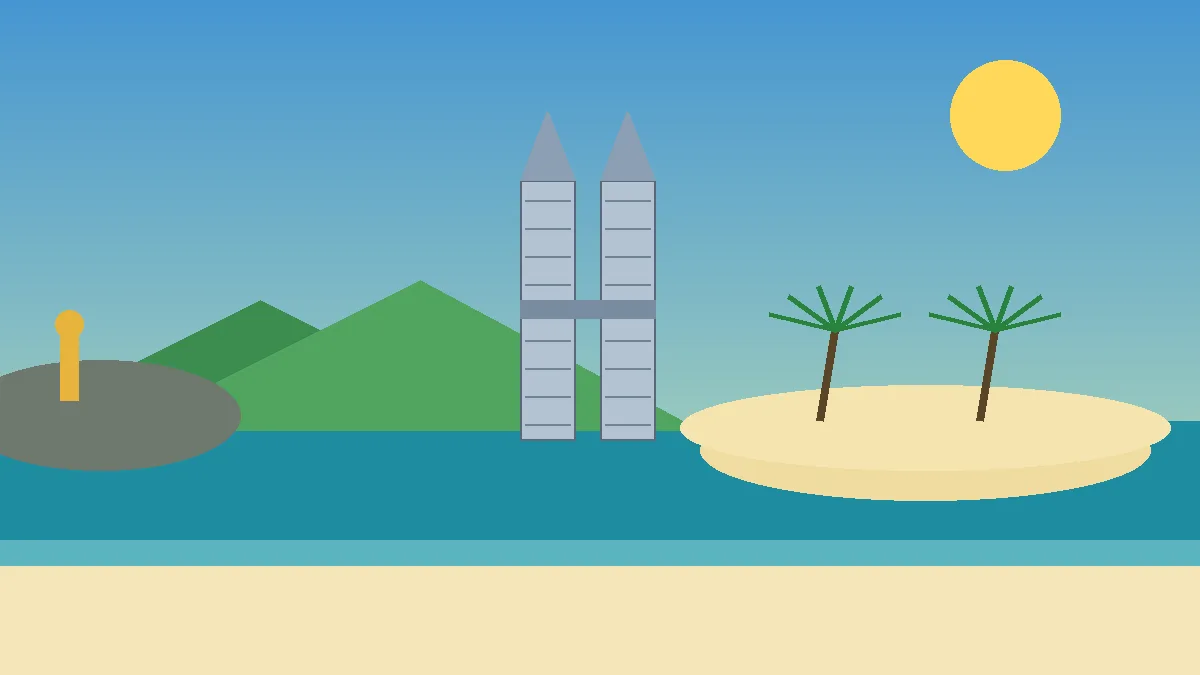
If you can visit only one place in Malaysia, choose Kuala Lumpur. Admittedly, that answer surprises travellers who expect an island to win. Nevertheless, the capital gives you the fullest taste of the country in a single base.
Kuala Lumpur mixes soaring towers with old temples and busy food streets. For example, you can admire the Petronas Twin Towers in the morning and eat satay after dark. Moreover, easy day trips and onward flights stretch a short stay further.
However, Malaysia rewards travellers who look beyond one winner. Indeed, Penang feeds you better, while Langkawi slows you down beautifully. Therefore, this guide names a clear winner first, then matches every major place to the traveller it suits best.
The Short Answer: The Best Place to Visit in Malaysia by Traveller Type
Most first-time visitors should start in Kuala Lumpur. The city works as the main gateway, so arrivals and onward travel stay simple. Additionally, its mix of sights, food, and shopping suits almost everyone.
Still, your best place to visit in Malaysia depends on your trip. Consequently, use these quick verdicts before you book anything.
- Best overall and best for first-timers: Kuala Lumpur, ideally paired with Malacca or Penang.
- Best for food and heritage: Penang and its UNESCO-listed George Town core.
- Best for beaches and a relaxed island break: Langkawi, with rainforest and duty-free shopping.
- Best for history in a small, walkable town: Malacca, the old trading port on the strait.
- Best for cool air and green scenery: Cameron Highlands, with tea fields and forest trails.
- Best for snorkelling and clear water: Perhentian Islands, especially outside the monsoon months.
- Best for wildlife and wild nature: Malaysian Borneo, including Kinabalu and the Kinabatangan River.
- Best for families: Kuala Lumpur or Langkawi, since both keep travel days short and simple.
- Best for couples: Langkawi for ease, or Tioman Island for a quieter escape.
Furthermore, two or three bases beat a rushed tour of everywhere. For instance, Kuala Lumpur plus Penang plus Langkawi creates a classic first route. In contrast, six bases in seven days creates tired travellers and thin memories.
How to Choose Your Best Place in Malaysia?
Start with the experience you want most. Do you picture city towers and night markets, or do you picture sand and jungle? Your honest answer narrows the map quickly. Next, consider how much time you can give each place.
Geography matters greatly in Malaysia. The country splits between Peninsular Malaysia and Malaysian Borneo across the sea. As a result, Borneo almost always needs a flight, while peninsula highlights link by road and rail. Therefore, short trips should usually pick one side and explore it well.
Season shapes the decision too, because the two coasts face different monsoons. Additionally, your pace matters as much as your interests. Some travellers love busy hawker centres and late nights. Others prefer quiet beaches, early markets, and long lunches.
If you enjoy comparing regions before you commit, our guide to the top places to visit outside of the US puts Malaysia in a global context. Similarly, flexible travellers can check our take on the best place to visit this time of year before fixing dates.
Kuala Lumpur: The Best Place to Visit in Malaysia for First-Timers
Kuala Lumpur earns the top spot for most first trips. The Petronas Twin Towers dominate the skyline and remain the country’s most famous landmark. Nearby, KLCC Park and the Suria KLCC mall give the district an easy, polished feel. Meanwhile, older neighbourhoods nearby tell a much older story.
Batu Caves provides the city’s essential day trip. A giant golden statue guards the entrance, while steep steps climb to cave temples inside the limestone hill. Moreover, the caves sit a short train ride from the centre, so the trip costs little time. Consequently, almost every first itinerary should include them.
What Makes Kuala Lumpur So Rewarding?
Food alone justifies several days in the capital. Jalan Alor fills with grills, noodles, and fruit stalls after dark. Chinatown and Little India add their own flavours, markets, and temples. In fact, many visitors rate eating as their favourite Kuala Lumpur activity.
Culture runs deep beyond the towers too. Merdeka Square faces grand colonial-era buildings and the elegant Sultan Abdul Samad Building. Additionally, the Islamic Arts Museum and the National Museum reward travellers who slow down. Likewise, neighbourhood mosques, temples, and churches show the country’s mix in daily life.
The Honest Downsides of Kuala Lumpur
Kuala Lumpur feels hot, humid, and busy for much of the year. Traffic can crawl at peak hours, so trains usually beat taxis for central trips. Furthermore, the city rewards planning, because sights spread across wide districts. Nevertheless, a base near a train station solves most of these problems.
Ultimately, skipping the capital means missing the country’s clearest introduction. Beach resorts show one lovely side of Malaysia, while Kuala Lumpur explains the whole. Therefore, even island lovers should give the city at least two full days.
Penang: The Best Place in Malaysia for Food and Heritage
Penang wins easily for food lovers and heritage fans. George Town, its capital, holds UNESCO World Heritage status for its old shophouses and trading history. Colourful street art covers many walls, so simple walks turn into treasure hunts. Moreover, clan jetties and grand mansions add depth between meals.
Hawker food defines a Penang visit for many travellers. Char kway teow, asam laksa, nasi kandar, and roti canai headline a long list. Indeed, locals argue passionately about the best stall for each dish. Consequently, you should arrive hungry and graze often rather than book formal meals.
Beyond George Town in Penang
Penang offers far more than its old town. Penang Hill rises above the city, with a funicular ride and cooler air at the top. Kek Lok Si Temple spreads across a hillside nearby and ranks among the region’s major Buddhist temples. Additionally, beaches around Batu Ferringhi and the national park near Teluk Bahang provide green escapes.
Families enjoy Penang too, especially its mix of culture and play. Children can hunt for murals, ride trishaws, and explore interactive museums. Meanwhile, parents appreciate the short distances and excellent cafés. As a result, Penang suits mixed groups better than almost anywhere else in Malaysia.
The Honest Downsides of Penang
George Town gets busy, and its beaches rarely match Langkawi for beauty. Swimming near the city is not the main draw here. However, travellers who treat Penang as a food and culture base will love it. Therefore, pair Penang with an island stay if soft sand matters most.
Regional travellers often combine Penang with a city break elsewhere. For example, our guide to places to visit in Singapore for free for couples pairs well with a Penang food trip. Similarly, Penang and southern Thailand share ferry and flight links for longer routes.
Langkawi: The Best Island for an Easy Beach Holiday
Langkawi offers the easiest complete island holiday in Malaysia. This archipelago in the Andaman Sea blends beaches, rainforest, and relaxed resorts. Pantai Cenang provides the liveliest base, with restaurants and water sports along the sand. In contrast, Tanjung Rhu and Datai Bay feel quieter and more exclusive.
The Langkawi Sky Bridge supplies the island’s signature view. A cable car climbs Mount Mat Cincang, then a curved bridge hangs above the forest canopy. Moreover, the surrounding area forms part of the Langkawi UNESCO Global Geopark. Consequently, geology and jungle scenery rival the beaches here.
What to Do Beyond the Beach in Langkawi?
Mangrove tours through Kilim Karst Geoforest Park reveal eagles, monkeys, and limestone caves. Island-hopping boats visit nearby islets and a famous freshwater lake. Additionally, duty-free shopping adds a practical bonus for many visitors. Likewise, waterfalls and a crocodile park fill a cloudy afternoon easily.
Couples rate Langkawi highly, and the reasons are obvious. Sunset cruises, spa resorts, and quiet northern beaches create an easy romantic rhythm. Families also thrive here, because roads are calm and attractions sit close together. Therefore, Langkawi often beats remoter islands for a first beach stay.
The Honest Downsides of Langkawi
Langkawi feels developed in its busiest corners, especially around Pantai Cenang. Jellyfish can appear in some seasons, so swimmers should heed local advice. Furthermore, the island lacks the historic depth of Penang or Malacca. Nevertheless, for pure ease and scenery, few Malaysian bases compete with it.
Travellers comparing island styles across Asia will find helpful contrast in our guide to the best place in Thailand to visit next door. Indeed, Langkawi sits close to the Thai border and pairs naturally with southern Thailand.
Malacca: The Best Small City for Malaysian History
Malacca packs centuries of trading history into a compact, walkable centre. Portuguese, Dutch, and British rulers each left buildings, forts, and churches behind. UNESCO listing protects much of the old town, including streets around the Malacca River. Moreover, Peranakan culture adds colourful shophouses, museums, and distinctive food.
Dutch Square anchors most visits with its red Christ Church and Stadthuys. Nearby, the ruins of A Famosa and St Paul’s Church climb a small hill. Jonker Street then takes over after dark, especially during its famous night market. Consequently, one overnight stay beats a rushed day trip here.
Why Does Malacca Suit Short Trips So Well?
Malacca sits within easy reach of Kuala Lumpur by road. Travellers can therefore add real history without a flight or a long detour. Additionally, river cruises give tired walkers an easy overview of the old town. In short, Malacca delivers maximum story for minimum travel effort.
However, weekends bring heavy crowds from the capital. Weekday visits feel calmer and make photography far easier. Similarly, the midday heat argues for early walks and long café breaks. Plan around both facts, and Malacca will charm you quickly.
Cameron Highlands: The Best Place for Cool Air and Tea Fields
Cameron Highlands offers Malaysia’s most refreshing change of pace. Rolling tea plantations cover its hills, while farms sell strawberries, vegetables, and honey. Towns such as Tanah Rata and Brinchang provide simple bases for walks and tours. Moreover, the cool air feels like a gift after humid lowland cities.
The BOH Tea Centre draws visitors for plantation views and factory insights. Mossy Forest boardwalks near the peaks reveal cloud forest, orchids, and pitcher plants. Additionally, local markets brim with produce grown in the highland soil. Therefore, nature lovers and photographers should allow at least two nights here.
The Honest Downsides of the Cameron Highlands
Winding mountain roads make the journey slow, and motion-sensitive travellers may struggle. Weekend traffic between towns can also frustrate visitors. Furthermore, development has scarred some hillsides visibly. Nevertheless, early starts and weekday visits restore much of the highland calm.
Nature fans building a wider wish list may also enjoy our round-up of the best nature places to visit in the world for future trips. Indeed, Cameron Highlands shows how varied Malaysian landscapes can be within one small country.
Perhentian, Redang and Tioman: The Best Islands for Clear Water
The east coast islands win for snorkelling and diving. Perhentian Kecil suits younger travellers with simple stays and lively beach bars. Perhentian Besar feels quieter and suits couples and families better. Moreover, boat trips reach coral sites where turtles and reef sharks often appear.
Redang Island offers a more polished version of the same dream. Its marine park waters protect colourful reefs close to soft white beaches. Resorts dominate the stays here, so independent exploring matters less. Consequently, Redang suits travellers who want beauty with minimal planning.
Tioman Island for a Quieter Escape
Tioman Island moves at a gentler pace than its east coast neighbours. Villages such as Salang and Juara face different coasts and moods. Divers prize its coral gardens and wreck sites, while hikers cross jungle paths between bays. Additionally, Juara’s long beach supports a well-known turtle conservation project.
However, these islands follow the east coast monsoon closely. Many resorts close and ferries reduce during the roughest months, roughly from late autumn into early spring. Therefore, always check current seasonal operations before you book. In contrast, Langkawi and Penang stay practical across more of the year.
Island hoppers planning a longer regional route can compare ideas in our guide to places to visit in Vietnam Ho Chi Minh City for a city finale. Similarly, east coast Malaysia pairs well with a Kuala Lumpur start and finish.
Taman Negara: The Best Place for Ancient Rainforest Adventure
Taman Negara protects one of the world’s oldest tropical rainforests. Huge trees, river trips, and canopy-level views define a visit here. Kuala Tahan serves as the main gateway village, with simple lodges and local guides. Moreover, night walks reveal insects, frogs, and other small wonders up close.
Adventurous travellers can trek to viewpoints, visit caves, or ride river rapids. Orang Asli villages near the park add a respectful cultural dimension when visits follow local guidance. Additionally, serious hikers can join longer guided routes into deeper forest. Therefore, Taman Negara suits travellers who prefer mud and birdsong over malls.
The Honest Downsides of Taman Negara
Reaching the park takes time, usually involving a long road journey and sometimes a river boat. Leeches appear in wet periods, and humidity stays high year-round. Furthermore, wildlife sightings never come with guarantees in dense forest. Nevertheless, patient visitors often call the jungle their Malaysia highlight.
Malaysian Borneo: The Best Place for Wildlife and Big Nature
Malaysian Borneo delivers Malaysia’s wildest experiences. Sabah and Sarawak, the two states on Borneo, hold rainforests, rivers, caves, and high mountains. Admittedly, Borneo needs extra flights and planning. Nevertheless, wildlife lovers consistently rank it as the best place to visit in Malaysia overall.
Kota Kinabalu, Sabah’s capital, provides the main gateway. Mount Kinabalu rises behind the city inside a UNESCO-listed national park. Climbers need permits and advance planning, while non-climbers can enjoy cool trails and gardens below. Additionally, nearby islands offer easy snorkelling day trips from the city marina.
Sepilok and the Kinabatangan River
Sepilok hosts a famous orangutan rehabilitation centre in protected rainforest. Visitors watch feeding sessions from viewing platforms and learn about rescue work. Nearby, a sun bear conservation centre adds another rewarding stop. Moreover, the Rainforest Discovery Centre nearby offers canopy walkways and superb birding.
The Kinabatangan River then provides Borneo’s classic wildlife cruise. Boats drift past proboscis monkeys, hornbills, crocodiles, and sometimes pygmy elephants. Dawn and dusk cruises give the best viewing conditions. Consequently, two or three nights in a riverside lodge beat a flying day visit.
Kuching and Sarawak’s Gentler Charms
Kuching, Sarawak’s capital, feels relaxed, friendly, and easy to explore. Its waterfront, museums, and old shophouses reward unhurried days. Bako National Park sits nearby, with proboscis monkeys, bearded pigs, and coastal trails. Additionally, the Sarawak Cultural Village introduces the state’s many communities in one visit.
Further afield, Gunung Mulu National Park stuns visitors with vast cave systems and limestone pinnacles. Reaching Mulu usually requires a small flight, so trips need careful timing. However, travellers who make the effort often describe the caves as unforgettable. Therefore, Borneo rewards anyone who can spare it a full week.
Families weighing a Borneo trip can borrow planning ideas from our guide to places to visit in Oman with family for pacing cultural stops with children. Similarly, heritage fans heading onward may enjoy our look at places to visit in Japan off the beaten path for a future journey.
Ipoh and Genting Highlands: Two Easy Add-Ons Worth Knowing
Ipoh has quietly become a favourite stop between Kuala Lumpur and Penang. Its old town mixes whitewashed shophouses, cave temples, and beloved local coffee shops. Concubine Lane and nearby streets add murals, snacks, and small boutiques. Moreover, limestone hills around the city hide impressive temple caves.
Food fans rate Ipoh highly for bean sprout chicken, noodles, and white coffee. The city also feels calmer and cheaper than the bigger stops. Therefore, one night in Ipoh enriches a peninsula road or rail trip. In contrast, travellers short on time can still sample it as a long day stop.
Genting Highlands offers a different kind of add-on near the capital. A long cable car ride climbs to resorts, malls, and theme park entertainment. Families and groups enjoy the cool air and easy fun. However, Genting suits entertainment seekers far more than nature purists.
Best Time to Visit Malaysia and How the Monsoons Work?
Malaysia sits near the equator, so warmth and humidity last all year. Rain can fall in any month, often as heavy afternoon showers. However, the two coasts follow different monsoon patterns, and that difference matters. Therefore, the best time to visit Malaysia depends on which coast you choose.
The west coast, including Kuala Lumpur, Penang, Langkawi, and Malacca, generally fares better from around December to February. Showers still occur, but long dry spells become more common. In contrast, the east coast islands face their roughest seas roughly from November to February. Consequently, Perhentian, Redang, and Tioman shine most between about March and September.
Borneo follows its own rhythm, with rain possible throughout the year. Wildlife trips still run widely, although trails and rivers respond to recent weather. Additionally, school holidays and major festivals lift prices in popular bases. Therefore, book island stays and Kinabalu permits early whenever your dates look busy.
Ultimately, no single month suits every Malaysian destination perfectly. Smart travellers pick the coast first, then match dates to that coast. After all, choosing the right season can matter as much as choosing the right place.
Simple Malaysia Routes That Actually Work
A three-day trip should stay in one base only. Kuala Lumpur alone fills three days with towers, caves, food, and museums. Alternatively, Penang alone suits travellers who value eating and heritage most. Therefore, short breaks gain depth by resisting extra stops.
Seven days suits the classic peninsula triangle beautifully. Spend two nights in Kuala Lumpur, two in Penang, and three in Langkawi. Moreover, flights and ferries link these bases without exhausting travel days. As a result, first-timers see city, heritage, food, and beach in one smooth route.
Ten days lets you add one meaningful extra. Malacca fits easily after Kuala Lumpur, while Cameron Highlands adds green contrast before Penang. Alternatively, east coast travellers can swap Langkawi for the Perhentian Islands in season. Consequently, ten days feels generous without becoming scattered.
Fourteen days opens the door to Borneo as well. Fly east for Sepilok, the Kinabatangan River, and Kota Kinabalu after a peninsula week. However, protect at least three nights for the river and rainforest. In short, Borneo deserves real time, not a token overnight dash.
Practical Tips for Planning a Malaysia Trip
Entry rules, visas, and health advice change over time. Therefore, check current official guidance for your nationality well before you travel. Similarly, confirm ferry schedules and park permits close to departure, because seasons affect both. Small checks early prevent large disappointments later.
Getting around the peninsula is straightforward for most visitors. Trains and long-distance buses link major cities, while domestic flights save time on longer hops. Additionally, e-hailing apps work widely in cities and larger towns. In contrast, Borneo trips rely more on flights, boats, and organised transfers.
- Dress respectfully at mosques and temples, and carry a light cover-up for visits.
- Carry some cash for hawker stalls, markets, and small island boats.
- Start sightseeing early to enjoy cooler hours and thinner crowds.
- Book Kinabalu climbs, island resorts, and peak-season stays well ahead.
- Give wildlife operators your business only when they follow ethical viewing rules.
Food safety is simple with basic care. Busy stalls with high turnover usually serve the freshest dishes. Furthermore, tap water practices vary by area, so follow current local advice. Finally, learn a few Malay greetings and use them warmly everywhere.
Frequently Asked Questions
What is the single best place to visit in Malaysia for a first trip?
Kuala Lumpur is the single best choice for most first trips. The capital combines famous landmarks, Batu Caves, food, and easy onward travel. Moreover, day trips reach Malacca and Genting Highlands without flights. Therefore, beginners get the widest introduction from one base.
Which is better, Penang or Langkawi?
Penang is better for food, heritage streets, and cultural depth. Langkawi is better for beaches, resorts, and relaxed island scenery. However, many travellers happily combine both on one route. Consequently, choose by interest first rather than by reputation alone.
How many days do I need in Malaysia?
Seven days suits the classic Kuala Lumpur, Penang, and Langkawi route. Ten days allows one extra stop, such as Malacca or Cameron Highlands. Fourteen days makes a Borneo wildlife chapter realistic. Nevertheless, fewer bases usually create happier and deeper trips.
Is Malaysian Borneo worth the extra flight?
Yes, Borneo is worth it for wildlife and rainforest lovers. Orangutans at Sepilok and cruises on the Kinabatangan River offer experiences the peninsula cannot match. However, short trips under a week should usually stay on the peninsula. Therefore, give Borneo its own generous block of time.
Which place in Malaysia is best for families?
Kuala Lumpur suits families who want attractions, malls, and easy transport. Langkawi suits families who want beaches, calm roads, and nature parks. Penang adds food and culture that older children enjoy. Therefore, families should match the base to their children’s ages and energy.
Conclusion: Pick Your Winner, Then Enjoy It Properly
So, where is the best place to visit in Malaysia? Kuala Lumpur wins overall, because no other base offers so much in one stay. Penang wins for food and heritage, while Langkawi wins for easy beach days. Meanwhile, Borneo wins outright for wildlife and wild places.
Ultimately, Malaysia rewards travellers who match the place to the trip. Choose one clear favourite, add at most two supporting bases, and travel at a humane pace. Then, eat widely, start early, and respect temples, reefs, and rainforest alike. Do that, and your chosen place will very likely feel like the best place of all.




