
Ask ten travellers to name the best place to visit in Thailand, and you will hear ten different answers. Some will swear by Bangkok and its temples. Others will praise Chiang Mai, Phuket, or a quiet island beach. Honestly, each answer can be right for a different kind of trip.
Thailand packs remarkable variety into one country. For example, you can explore royal palaces in the morning and eat at a night market at night. Moreover, you can hike in cool northern mountains one week and snorkel over coral reefs the next. Therefore, the smart question is not which place wins overall.
Instead, the smart question is which place suits your time, budget, and travel style. This guide gives you a clear verdict first. Then, it explains every serious contender honestly, including the drawbacks that glossy lists often hide.
The Short Answer: The Best Place to Visit in Thailand by Traveller Type
If you can visit only one place, choose Bangkok. Admittedly, the capital feels intense at first. Nevertheless, Bangkok offers the widest mix of temples, food, markets, river life, and easy onward travel. Consequently, Bangkok gives first-time visitors the most complete picture of Thailand.
However, one winner rarely fits everyone. Therefore, use this quick verdict before you plan anything else.
- Best overall and best for first-timers: Bangkok, ideally paired with Ayutthaya or Chiang Mai.
- Best for culture and a slower pace: Chiang Mai, with its Old City temples and mountain setting.
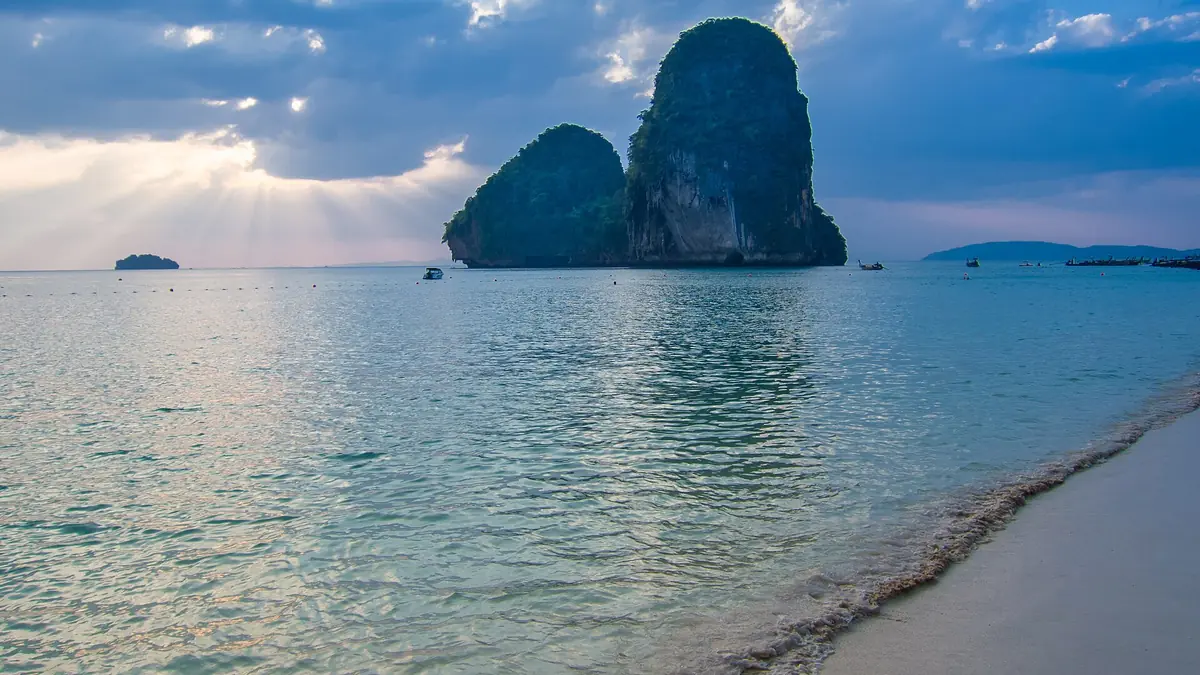
- Best for classic beach scenery: Krabi and Railay Beach, where limestone cliffs rise straight from the sea.
- Best for an easy beach holiday: Phuket, because flights, hotels, and boat trips are simple to arrange.
- Best for couples and Gulf island comfort: Koh Samui, especially outside the wettest months.
- Best for families: Phuket or Hua Hin, since both offer resorts, beaches, and straightforward logistics.
- Best for nightlife: Bangkok first, then Pattaya and Koh Phangan for their famous party scenes.
- Best for diving: Koh Tao, a small island built around dive schools and snorkelling trips.
Furthermore, most visitors should combine two or three bases rather than chase every highlight. For instance, Bangkok plus Chiang Mai plus one beach base creates a balanced trip. In contrast, six bases in ten days creates exhaustion, not memories.
How to Choose Your Best Place in Thailand?
Start with the experience you want most. Do you picture temples and street food, or do you picture sand and clear water? Your answer immediately narrows the map. Next, check the season, because Thailand has two coasts with different rainy patterns.
Additionally, think about travel time between places. Domestic flights link the main hubs quickly. However, island transfers add ferries, piers, and waiting time on top of any flight. As a result, a route that looks short on a map can still consume half a day.
Finally, consider your tolerance for crowds and nightlife. Some travellers love busy markets and late nights. Others want quiet lanes, early mornings, and empty viewpoints. Both styles work beautifully in Thailand, but they rarely point to the same base.
If you enjoy comparing big trips before you commit, our guide to the top places to visit outside of the US shows how Thailand stacks up globally. Similarly, seasonal travellers may enjoy our take on the best place to visit this time of year before fixing dates.
Bangkok: The Best Place to Visit in Thailand for First-Timers
Bangkok deserves the top spot for most first trips. The capital holds the Grand Palace and Wat Phra Kaew, home to the Emerald Buddha. Nearby, Wat Pho shelters the famous Reclining Buddha and a respected traditional massage school. Across the river, meanwhile, Wat Arun rises in porcelain-covered spires above the Chao Phraya River.
Beyond the temples, Bangkok rewards simple wandering. For example, boats and riverside walkways connect older neighbourhoods with modern malls and markets. Chatuchak Weekend Market overwhelms in the best possible way. Likewise, Chinatown serves some of the most exciting street food in the country after dark.
Who Will Love Bangkok Most?
Food lovers will thrive here. Cooking fans can join classes, market tours, and late-night food walks across the city. Culture seekers will also thrive, because palaces, museums, canals, and neighbourhood temples fill several busy days. Moreover, shoppers get everything from craft markets to huge air-conditioned malls.
Families can enjoy Bangkok too, especially with a river-based plan. Children often love tuk-tuk rides, boat trips, and colourful temple courtyards. However, heat and traffic can tire younger travellers quickly. Therefore, families should start sightseeing early and build in pool or rest time.
The Honest Downsides of Bangkok
Bangkok is loud, hot, and sometimes overwhelming. Traffic can slow even short journeys, so the Skytrain, metro, and river boats usually save time. Additionally, popular temples draw large crowds by late morning. Consequently, early starts make a genuine difference here.
Still, skipping Bangkok entirely is a mistake for most visitors. Even two well-planned days add history and flavour that beach resorts cannot match. In short, Bangkok explains Thailand, while the islands simply showcase one beautiful side of it.
Chiang Mai: The Best Place for Culture, Temples and Mountains
Chiang Mai offers a calmer, greener version of Thailand. The Old City sits inside a moat and fragments of ancient walls. Inside those lanes, you will find Wat Phra Singh, Wat Chedi Luang, and dozens of smaller temples. Furthermore, cafes, craft shops, and night markets give the centre an easy rhythm.
Above the city, Wat Phra That Doi Suthep watches from its mountain perch. The temple is one of northern Thailand’s most sacred sites. Visitors climb its long staircase or ride up the road for views across Chiang Mai. Moreover, the surrounding hills offer waterfalls, villages, and cooler air.
Cooking, Crafts and Slow Travel in Chiang Mai
Many travellers rate a Chiang Mai cooking class among their favourite memories. Classes usually begin at a local market, then move to an outdoor kitchen in a garden setting. Similarly, craft workshops cover weaving, pottery, and traditional arts. As a result, Chiang Mai suits travellers who like doing, not just looking.
Chiang Mai also works well for longer stays. Rents, meals, and everyday costs often feel gentler than in Bangkok or Phuket. Additionally, the city suits solo travellers, because hostels, cafes, and group tours make meeting people easy. Nevertheless, Chiang Mai has no beach, and that fact matters for sun seekers.
One seasonal warning deserves emphasis. From roughly late winter into spring, smoke from regional burning can affect air quality in the north. Therefore, travellers who prioritise Chiang Mai should favour the cool season months. In contrast, beach-focused travellers can worry less about that northern pattern.
Krabi and Railay: The Best Beach Scenery in Thailand
If your dream image is a limestone cliff above turquoise water, choose Krabi. The province delivers Thailand’s most dramatic coastline. Ao Nang serves as the practical base, with hotels, restaurants, and longtail boats to nearby beaches and islands. Meanwhile, Railay offers the postcard view that defines the region.
Why Railay Beach Feels So Special?
Railay is a small peninsula cut off from the mainland by high cliffs. Boats provide the only access, which gives Railay an island feeling without a long ferry ride. West Railay and Phra Nang Beach offer soft sand and remarkable sunsets. Additionally, climbers travel here from around the world for the limestone routes.
Day trips add even more variety. For instance, boat tours visit Hong Island and other nearby islands with lagoons and snorkelling spots. Nature lovers who enjoy dramatic coastlines may also like our round-up of the best nature places to visit in the world for future trips. However, Krabi’s scenery alone justifies several nights here.
The Honest Downsides of Krabi
Ao Nang itself is functional rather than beautiful. The best beaches require a boat, a walk, or a short transfer. Furthermore, Railay gets busy with day visitors in the middle of the day. Consequently, staying overnight in Railay rewards you with quieter mornings and evenings.
Weather matters greatly on this coast too. The Andaman side faces its wettest months during the main rainy season. Therefore, travellers visiting in those months should keep boat plans flexible. Alternatively, the Gulf islands may offer calmer conditions at the same time.
Phuket: The Easiest Beach Base and a Strong Family Choice
Phuket is Thailand’s largest island and its most developed beach destination. Direct flights make arrival simple. Hotels range from small guesthouses to large family resorts. Moreover, boat trips reach Phang Nga Bay and the Phi Phi Islands, so excursions require little planning.
Beach choice shapes your Phuket experience completely. Patong brings nightlife, crowds, and entertainment. In contrast, Kata and Karon feel more relaxed and suit families and couples better. Kamala and Nai Harn offer quieter corners again, while Phuket Old Town adds colourful shophouses, cafes, and Sunday market charm.
Who Should Choose Phuket?
Families often choose Phuket first, and the logic is sound. Resorts provide pools, clubs, and easy dining when children tire of sightseeing. First-time beach visitors also benefit, because tours, transfers, and medical facilities are easy to find. Additionally, the Big Buddha and Wat Chalong add cultural stops between beach days.
However, Phuket is not the cheapest or quietest option. Popular beaches can feel crowded in peak season. Furthermore, some visitors find parts of the island overly commercial. Therefore, choose your beach area carefully instead of booking on price alone.
Couples can still love Phuket, especially in the quieter north or near the Old Town. Spa hotels, sunset viewpoints, and island day trips create a classic holiday mix. In short, Phuket trades wild seclusion for convenience, and many travellers gladly accept that trade.
Koh Samui: The Best Gulf Island for Comfort and Couples
Koh Samui sits in the Gulf of Thailand, opposite the Andaman coast. That location gives Samui a different weather rhythm from Phuket and Krabi. As a result, Samui often works better for mid-year trips, when the Andaman side is wetter. Moreover, the island has its own airport and a wide range of resorts.
Chaweng offers the liveliest beach scene, with dining and nightlife along the sand. Lamai feels a little looser and often cheaper. Meanwhile, Bophut and its Fisherman’s Village bring boutique hotels, beach restaurants, and a popular walking street atmosphere. Choeng Mon and Maenam suit travellers who want still quieter stays.
What to Do Beyond the Beach on Koh Samui?
Samui is more than a sun lounger. The Big Buddha temple at Wat Phra Yai stands on a small connected islet. Nearby, Wat Plai Laem surprises visitors with colourful statues and a lake setting. Additionally, waterfalls, viewpoints, and cooking classes fill a cloudy or restless day.
Boat trips to Ang Thong National Marine Park provide a highlight for many visitors. The park protects a cluster of forested islands, lagoons, and viewpoints. Similarly, ferries connect Samui with Koh Phangan and Koh Tao, so island combinations are easy. Therefore, Samui works as both a destination and a hub.
If you are planning a wider Asia trip around an island stay, our guide to places to visit in Singapore for free for couples pairs neatly with a Samui honeymoon route. Likewise, travellers comparing island countries often ask where is the best place to visit in Malaysia before choosing.
Koh Phangan and Koh Tao: Nightlife, Diving and Island Freedom
Koh Phangan is famous for the Full Moon Party at Haad Rin. Thousands gather on the beach for music and dancing through the night. However, reducing Phangan to one party misses most of the island. The north and west coasts offer yoga retreats, quiet bays, and relaxed beach villages.
Indeed, many visitors arrive for the party and stay for the calm. Waterfalls, viewpoints, and small beaches reward travellers who rent transport carefully and explore. Nevertheless, party weeks bring crowds, noise, and higher prices around Haad Rin. Therefore, book early if your dates overlap with a full moon.
Koh Tao for Diving and Snorkelling
Tiny Koh Tao has a big reputation underwater. Dive schools cluster around Sairee Beach and the main pier area. Beginners complete certification courses here, while experienced divers join trips to deeper pinnacles offshore. Additionally, snorkellers enjoy trips around the island and to nearby Koh Nang Yuan.
Koh Tao suits backpackers, solo travellers, and anyone who wants a social island base. Evenings feel lively without reaching Bangkok or Patong intensity. However, the island is small, so choices narrow on long stays. Consequently, many travellers combine Tao with Samui or Phangan for variety.
Responsible choices matter on both islands. For example, choose dive operators who respect marine life and limit group sizes. Similarly, refuse single-use plastic where you can and never touch coral. Small decisions protect the reefs that make these islands special.
Ayutthaya and Sukhothai: The Best Places for Thai History
Thailand’s story stretches far beyond its modern cities. Ayutthaya, a UNESCO World Heritage site, served as a powerful Siamese capital for centuries. Today, brick prangs, temple ruins, and Buddha statues spread across a river island. Moreover, Ayutthaya is close enough to Bangkok for a long day trip or an overnight stay.
Wat Mahathat holds the famous Buddha head entwined in tree roots. Wat Phra Si Sanphet and Wat Chaiwatthanaram show the scale of the old capital. Cycling between ruins is popular, because the historic park area is relatively flat. Therefore, history lovers should give Ayutthaya at least a full day.
Why Sukhothai Rewards the Extra Journey?
Sukhothai was an even earlier capital, and its historical park feels peaceful and spacious. Lotus ponds, graceful Buddha images, and Wat Mahathat create a serene setting. Additionally, fewer crowds reach Sukhothai, so mornings can feel almost private. As a result, photographers and slow travellers often prefer it to Ayutthaya.
However, Sukhothai requires more effort to reach. The journey fits best between Bangkok and Chiang Mai on a longer route. Consequently, travellers with two weeks gain the most from including it. In contrast, a short one-week trip should probably choose Ayutthaya instead.
Travellers who love digging beneath famous capitals may also enjoy our guide to places to visit in Japan off the beaten path for a future Asia journey. Similarly, families building a cultural route can compare ideas in our guide to places to visit in Oman with family for another heritage-rich trip.
Kanchanaburi, Pai and Chiang Rai: Nature and the Slower North and West
Kanchanaburi, west of Bangkok, blends nature with sobering history. The town is known for the bridge over the River Kwai and the Death Railway story. Museums and the Hellfire Pass Interpretive Centre explain that wartime history with care. Meanwhile, Erawan National Park offers tiered waterfalls and forest pools nearby.
Kanchanaburi suits travellers who want greenery without flying north. Two or three nights allow time for the falls, the river, and the museums. However, the history is heavy, so balance it with nature time. Therefore, many visitors pair Kanchanaburi with Ayutthaya on a Bangkok loop.
Pai for Mountain Air and Slow Days
Pai is a small mountain town north of Chiang Mai, reached by a famously winding road. Travellers come for Pai Canyon, hot springs, waterfalls, and a relaxed night market. Furthermore, guesthouses and cafes give Pai a gentle backpacker atmosphere. Consequently, Pai rewards travellers who want to slow down for a few days.
The road to Pai divides opinion, though. Motion-sensitive travellers may find the curves uncomfortable. Additionally, Pai town itself is small, so a short stay usually suffices. In short, Pai is a delightful pause, not a base for the whole country.
Chiang Rai and the White Temple
Chiang Rai offers striking modern temples and access to the Golden Triangle area. Wat Rong Khun, the White Temple, dazzles with white ornament and mirrored details. The Blue Temple, Wat Rong Suea Ten, provides a vivid contrast nearby. Moreover, Chiang Rai feels calmer and smaller than Chiang Mai.
Most travellers visit Chiang Rai as a day trip or a one-night stop from Chiang Mai. That timing works well for the headline temples. However, travellers exploring the far north can linger longer for tea plantations and mountain viewpoints. Either way, Chiang Rai adds a memorable northern chapter.
Hua Hin and Pattaya: The Honest Near-Bangkok Options
Hua Hin is a long-established beach resort town on the Gulf coast. Thai families have holidayed here for generations, and the town keeps a relaxed, local feel. Beaches are wide, seafood restaurants are plentiful, and night markets add evening interest. Therefore, Hua Hin suits families and older travellers who want an easy coastal break from Bangkok.
Hua Hin will not wow travellers chasing dramatic island scenery. The sea and sand are pleasant rather than spectacular. Nevertheless, convenience is the point here. No ferry, no flight, and no complicated transfer stands between Bangkok and the beach.
Pattaya, on the other coast of the bay, carries a very different reputation. Nightlife dominates its image, and Walking Street delivers exactly that scene. However, Pattaya also has family hotels, water parks, and the impressive wooden Sanctuary of Truth. Additionally, nearby islands offer day-trip beaches.
So, should you choose Pattaya? Choose it for nightlife, convenience, and entertainment near Bangkok. Choose almost anywhere else for romance, quiet, or classic scenery. Honest expectations prevent disappointment with both Pattaya and Hua Hin.
Best Time to Visit Thailand and Which Coast to Pick?
The best time to visit Thailand for most routes is the cool, dry season from November to February. Temperatures feel more comfortable, humidity drops, and sightseeing becomes easier. However, this is also peak season, so prices and crowds rise. Therefore, book key hotels and island transfers earlier in these months.
March to May brings the hot season. Cities can feel draining at midday, although Songkran, the Thai New Year water festival in April, draws huge celebrations. June to October brings the main rains for much of the country. Showers often arrive as heavy afternoon bursts rather than all-day washouts.
Crucially, the two coasts run on different calendars. The Andaman coast, including Phuket and Krabi, is wettest roughly from May to October. In contrast, the Gulf coast, including Koh Samui, Koh Phangan, and Koh Tao, is wettest roughly from October to December. Consequently, a rainy-season trip can still work beautifully on the right coast.
If your dates fall in the wetter months, read our dedicated guide to the best places to visit in Thailand during rainy season before you book. That guide helps you match each island and region to the month you actually travel. After all, timing can matter as much as destination.
Simple Thailand Routes That Actually Work
Good routes respect distance and energy. For a seven-day first trip, choose Bangkok and one other base only. For example, spend three nights in Bangkok and four nights in Krabi or Phuket. Alternatively, pair Bangkok with Chiang Mai for a culture-heavy week without the beach.
A ten-day trip can add one more stop comfortably. Bangkok, Chiang Mai, and one beach base form the classic triangle. Moreover, that route covers temples, mountains, food, and the sea in one journey. Therefore, most first-timers with ten days should start with this shape.
With fourteen days, you can travel slower and deeper. Add Ayutthaya as an overnight, or split beach time between Krabi and a Gulf island. Additionally, Sukhothai fits naturally between Bangkok and Chiang Mai. In contrast, adding both coasts plus the far north still risks rushing, so choose carefully.
Practical Tips for Choosing and Enjoying Your Place
Dress respectfully at temples. Cover shoulders and knees, remove shoes where required, and keep voices low near worshippers. Furthermore, never climb on Buddha statues or ancient ruins for photos. Respectful behaviour protects both the sites and your welcome.
Money choices are straightforward in the main destinations. Cards work widely in cities and resorts, while markets and small boats often prefer cash. Additionally, agree taxi or boat arrangements clearly before you travel. Small clarity at the start prevents most transport arguments later.
- Start temple and viewpoint visits early to beat heat and crowds.
- Keep one flexible day for weather, especially during boat-trip season.
- Choose ethical elephant experiences that observe animals without riding or shows.
- Drink plenty of water and pace your first hot days in Bangkok.
- Book island ferries and peak-season hotels earlier than city stays.
Finally, learn a few Thai greetings and use them often. A smile and a polite greeting open doors everywhere. Indeed, Thai hospitality is a major reason travellers return year after year. The best place often becomes the place where people made you feel welcome.
Frequently Asked Questions
What is the single best place to visit in Thailand for a first trip?
Bangkok is the single best choice for most first trips. The capital combines major temples, food, markets, and transport links in one base. Moreover, easy day trips reach Ayutthaya and Kanchanaburi. Therefore, Bangkok gives beginners the widest introduction to the country.
Which is better, Phuket or Koh Samui?
Phuket is easier to reach and offers more resorts, tours, and nightlife variety. Koh Samui feels a little more relaxed and suits couples and resort holidays. However, weather may decide for you, because the coasts peak at different times. Consequently, check your travel month before choosing either island.
How many days do I need in Thailand?
Seven days suits two bases, while ten days suits the classic three-base route. Fourteen days allows slower travel and one extra region. Nevertheless, more bases do not always mean a better trip. In fact, fewer moves usually create deeper and happier memories.
Is Chiang Mai better than Bangkok?
Chiang Mai is calmer, greener, and often cheaper than Bangkok. Bangkok is grander, busier, and richer in headline sights and food choice. Neither city is simply better overall. Instead, most travellers love combining both cities on one route.
Which Thai island is best for families?
Phuket is usually the easiest family island, thanks to flights, resorts, and medical facilities. Koh Samui is another strong family choice, especially for resort-based stays. Hua Hin, although on the mainland, also suits families well. Therefore, families should prioritise easy logistics over remote scenery.
Conclusion: Pick Your Winner, Then Travel It Well
So, what is the best place to visit in Thailand? Bangkok wins overall, because no other base offers so much in one stay. Chiang Mai wins for culture and calm, while Krabi wins for scenery. Phuket wins for ease, and Koh Samui wins for Gulf comfort.
Ultimately, Thailand rewards travellers who match the place to the trip. Choose one clear favourite, add at most two supporting bases, and leave space for surprises. Then, eat widely, start early, and treat temples and reefs with care. Do that, and your chosen place will very likely feel like the best place of all.




