
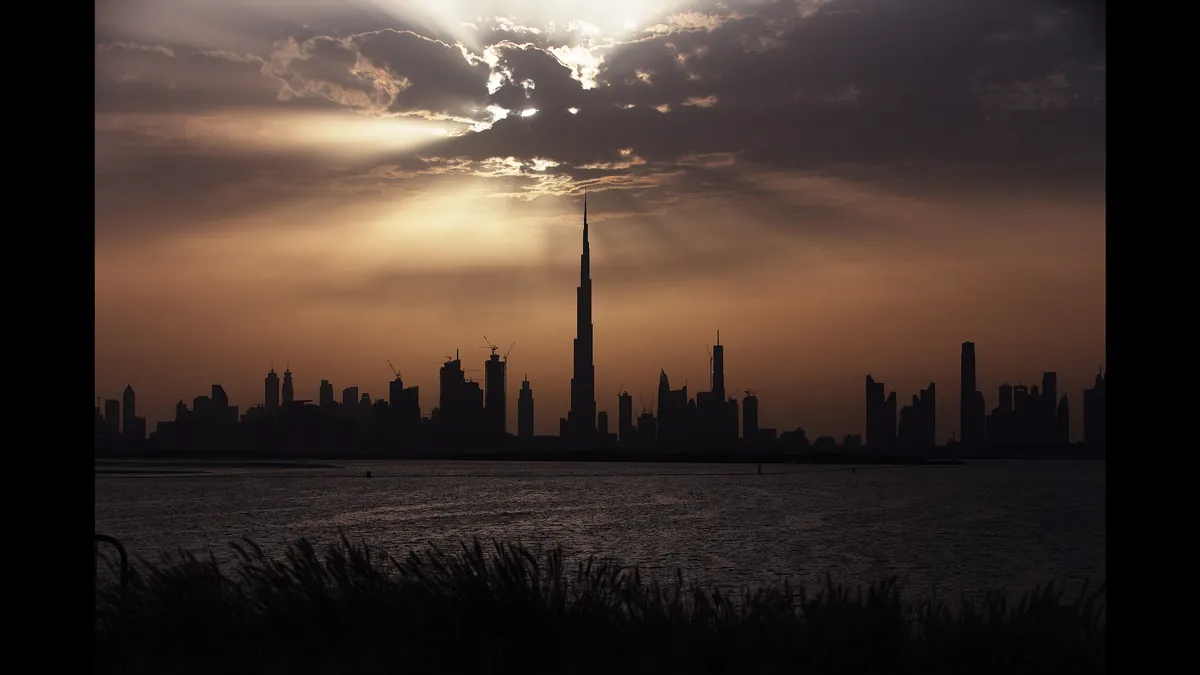
The safest places to visit in the Middle East are not a hidden secret. Instead, they are the destinations that already welcome huge numbers of tourists each year. Dubai and Abu Dhabi lead that list for many travellers. Muscat, Doha, Petra and Manama also belong in the conversation. Moreover, each place pairs famous sights with modern airports and organised visitor areas. This guide explains what that combination means in practice. It also explains what it does not mean. No city anywhere can promise a trouble-free trip. Therefore, honest preparation matters far more than confident labels.
Headlines often flatten the region into a single story. In reality, the Middle East covers very different countries and travel experiences. A beach week in Oman feels nothing like a history tour in Jordan. Similarly, a Doha museum break differs completely from a desert night in Wadi Rum. For that reason, this guide treats every destination on its own terms. It focuses on ordinary tourist trips in well-visited areas. It also skips dramatic claims in both directions. You will find practical detail here, not guarantees.
What travellers usually mean by manageable?
When travellers describe a destination as manageable, they rarely mean risk-free. Usually, they mean the trip feels predictable from start to finish. Flights run through modern, well-signposted airports. Hotels sit in established districts with staff used to international guests. Additionally, taxis, metros and tour desks work in familiar ways. Clear local laws also play a part. Visitors can learn the rules before arrival and follow them easily. In short, daily travel feels orderly rather than improvised.
Several features repeat across the safest countries in the Middle East covered below. Tourist areas receive visible, routine patrols. Major sights employ trained staff and clear entry systems. Furthermore, healthcare facilities in the main cities are modern and easy to reach. English is widely spoken in hotels, malls and attractions. As a result, small problems rarely grow into big ones. A lost passport or a missed tour stays an inconvenience. It does not usually become an emergency.
Context helps, too. Reading about the most dangerous places in the world to visit shows how different genuine no-go zones look. The destinations in this guide sit at the opposite end of travel planning. They run airports, festivals and family attractions at scale. Nevertheless, ordinary care still applies everywhere. Crowded souqs reward the same awareness as crowded markets anywhere else. Sensible habits travel well, wherever you land.
Check official travel advice before you book
This step comes before hotel hunting, not after it. Every government publishes its own travel advice for each country. That advice changes whenever conditions change. Consequently, a guide written months ago cannot replace a current official page. Read your own government’s guidance for your exact destination. Then read it again shortly before departure. Conditions can shift between booking and boarding. Flights, entry rules and local restrictions can all change with little notice.
An official Middle East travel advisory also covers details that blogs often miss. For example, it lists areas near borders that visitors should avoid. It explains local laws that carry serious penalties. It also gives embassy contact details and registration options for longer trips. In addition, many governments run alert services by email or app. Signing up takes minutes and costs nothing. That small step keeps official updates in front of you. You then plan around facts rather than rumours.
Travellers comparing regions ask similar questions elsewhere, too. Our guide to where the safest place to visit in Africa is follows the same principle. Official advice first, personal judgement second, booking third. Finally, share your itinerary with someone at home. Keep copies of your passport and insurance documents in secure cloud storage. Those habits sound basic because they are basic. They also solve most problems travellers actually face.
Dubai and Abu Dhabi: the United Arab Emirates
For many visitors, the UAE is the easiest first step into the region. Dubai runs one of the world’s busiest international airports. Abu Dhabi, the capital, offers a calmer and more cultural pace. Both cities invest heavily in tourism infrastructure. Hotels, malls and attractions follow clear operating standards. Meanwhile, public spaces feel orderly and well maintained throughout the day. Visitors quickly notice the visible staff presence at major sights. That presence reassures families and first-time visitors alike.
Is Dubai safe for tourists in everyday terms?
People asking is Dubai safe for tourists usually mean daily life, not headlines. They want to know about walking, taxis, shopping and evenings out. In everyday terms, tourist districts feel busy, lit and closely managed. The metro links major areas cleanly and predictably. Licensed taxis and ride-hailing apps cover the rest of the city. However, the strict legal culture surprises some visitors. Rules on alcohol, behaviour and photography carry real penalties. Respecting those rules keeps a Dubai trip smooth.
Dubai safety tips for tourists and Abu Dhabi highlights
Simple Dubai safety tips for tourists start with the law. Drink only in licensed venues or private spaces. Dress modestly inside malls, older districts and religious sites. Ask before photographing people, especially families. Also, never photograph government or military buildings. In Abu Dhabi, the Sheikh Zayed Grand Mosque rewards an unhurried visit. Its dress code is specific, so check requirements before you go. Elsewhere, the Corniche suits evening walks, and Saadiyat Island suits beach days. Both cities also suit stopovers, since sights cluster conveniently.
Sightseeing in the UAE mixes spectacle with older corners. The Burj Khalifa and Dubai Mall deliver the famous skyline experience. In contrast, Al Fahidi Historical Neighbourhood shows wind-tower houses and quiet lanes. Abra boats cross Dubai Creek for a glimpse of the old trading port. Abu Dhabi adds the Louvre Abu Dhabi and the waterfront promenades. Families often split time between theme parks and beach clubs. Because distances stay short, even a three-day stopover feels rewarding. Many travellers pair the UAE with wider trips from our list of top places to visit outside of the US.
Oman: Muscat, mountains and quiet coastline
Oman offers a slower, outdoors-led version of the region. Muscat spreads along the coast in low, white neighbourhoods. Mountains rise directly behind the city. Beyond the capital, wadis, forts and desert camps fill most itineraries. Travellers often describe Oman as calm and courteous. Hospitality here feels personal rather than polished. Moreover, road trips form the heart of most visits. Distances are real, but roads between main sights are generally well kept. Planning fuel, water and daylight hours matters more than anything dramatic.
Oman safety for tourists: what shapes the experience
Conversations about Oman safety for tourists usually start with driving and nature. Mountain roads demand care, especially after rare heavy rain. Wadi hikes need proper footwear, sun protection and enough water. Flash floods can follow storms in narrow valleys, so heed local warnings. Otherwise, daily travel feels relaxed and unhurried. Muscat’s Mutrah Corniche suits gentle evening strolls. The souq there welcomes browsers without heavy pressure. In addition, Omani towns observe conservative customs. Modest dress and quiet behaviour in villages earn warm responses.
The sights themselves justify the journey. The Sultan Qaboos Grand Mosque in Muscat impresses with calm, detailed craftsmanship. Nizwa Fort and its souq anchor a classic inland day trip. Meanwhile, Wadi Shab and Wadi Bani Khalid offer swimmable natural pools in dramatic settings. Wahiba Sands delivers dune sunsets and overnight camps under dark skies. Turtle nesting beaches near Ras Al Jinz operate under guided, conservation-led rules. Families planning a fuller route should read our dedicated guide to places to visit in Oman with family. It covers pacing, seasons and child-friendly stops in depth.
Qatar: Doha’s museums, souqs and waterfront
Qatar concentrates most visitor life in Doha, its compact capital. That compactness simplifies planning considerably. The airport sits close to the city, and the metro connects major districts. Doha’s waterfront Corniche curves around a calm bay. Across the water, the Museum of Islamic Art anchors the skyline. Nearby, Souq Waqif mixes restaurants, market lanes and evening crowds. Katara Cultural Village and the National Museum of Qatar add cultural depth. Overall, Doha suits travellers who enjoy culture, food and easy logistics.
Is Qatar safe to visit for a first trip?
Visitors asking is Qatar safe to visit usually focus on daily order. Doha’s public spaces feel tidy, staffed and closely organised. Tourist areas stay busy well into the evening. Alcohol rules, however, differ sharply from Western habits. Licensed hotel venues serve alcohol, while public drinking is prohibited. Dress expectations also lean modest in malls and public offices. Carry a light layer for strong air conditioning as well. Beyond Doha, day trips reach the Inland Sea dunes and Al Zubarah Fort. Guided tours handle those desert journeys best.
Jordan: Amman, Petra and Wadi Rum
Jordan delivers the region’s classic history journey. Amman mixes Roman ruins, hillside neighbourhoods and lively cafes. Petra then provides the headline moment for most visitors. Wadi Rum adds a protected desert of cliffs and red sand. Aqaba, on the Red Sea, offers a relaxed coastal finish. Tourism has shaped Jordanian life for decades. Guides, drivers and site staff know international visitors well. As a result, the main visitor route feels established and welcoming. Most trips follow that route comfortably from start to finish.
Jordan travel safety, area by area
Talking about Jordan travel safety honestly means talking geography. The famous sights sit on a well-travelled central and southern route. Amman, Petra, Wadi Rum and the Dead Sea resorts form that route. Official advisories, meanwhile, warn against areas near certain borders. Those border areas sit far from the standard tourist circuit. Still, check current advice before planning any self-drive detour. Use licensed guides for desert travel in Wadi Rum. Book reputable drivers for long intercity legs. Those choices keep logistics simple and predictable.
Petra deserves unhurried time and sensible pacing. The walk through the Siq opens suddenly onto the Treasury. Beyond it, tombs, a theatre and monastery trails fill a full day. Visitors often ask, is Petra safe to visit independently? Guided and independent visits both run daily under site management. Start early to beat heat and crowds. Carry water, since shade stays limited inside the site. Petra regularly features among the top 500 places to visit in the world, and one visit explains why. Wadi Rum then slows everything down beautifully. A night in a desert camp delivers silence, stars and Bedouin hospitality.
Bahrain: Manama and the old pearling towns
Bahrain often escapes first itineraries, yet it rewards a short stay. The island country links to Saudi Arabia by causeway and hosts many regional visitors. Manama, the capital, feels compact and businesslike on weekdays. Evenings bring people to the souq, cafes and waterfront areas. Bahrain Fort and the Bahrain National Museum explain the island’s long trading history. Muharraq, the former capital, preserves pearling-era houses along a heritage trail. Together, these sights suit a gentle two-day visit. Bahrain also works well as an add-on to a wider Gulf trip.
Daily travel in Bahrain feels straightforward for prepared visitors. Taxis and ride-hailing apps handle most journeys easily. Tourist and business districts stay active and well serviced. Alcohol is available in licensed venues, unlike some neighbouring states. Even so, public behaviour rules still apply and deserve respect. Modest dress matters at religious sites and in older neighbourhoods. During Ramadan, daytime eating in public draws disapproval. Awareness of such customs keeps interactions pleasant everywhere. Indeed, that awareness matters across every destination in this guide.
Which destination should you choose first?
Choosing among the safest places in the Middle East for tourists depends on your travel style. First-time visitors often pick Dubai for sheer ease. Culture lovers may prefer Doha’s museums or Abu Dhabi’s mosque and galleries. Nature travellers usually choose Oman without much hesitation. History fans, meanwhile, dream about Petra and Jordan’s desert. Bahrain suits travellers who enjoy smaller capitals and heritage quarters. None of these choices needs a ranking table. Your interests, season and budget give a better answer. So does the current official advice for each country.
The safest places in the Middle East for families
Families usually value easy transport, flexible hotels and short sightseeing days. Dubai and Abu Dhabi answer that brief particularly well. Theme parks, aquariums and beaches sit close to family hotels. Doha also suits families, thanks to its compact layout and museums. Oman works better for older children who enjoy road trips and swimming wadis. Jordan suits families who love stories, ruins and desert camps. Whichever you choose, plan rest time around midday heat. Children cope far better with early starts and shaded afternoons.
Notes on solo travel in the Middle East
Many people enjoy solo travel in the Middle East, especially on the main visitor routes. Group day tours help solo travellers reach desert and mountain sights easily. They also add company without removing independence. Dress codes and local customs deserve extra attention when travelling alone. Share your daily plans with family or your hotel. Keep your phone charged and your documents backed up digitally. In the Gulf cities, malls and museums give comfortable solo days. In Jordan and Oman, guided excursions simplify the longer journeys.
Middle East travel safety tips that actually help
Good Middle East travel safety tips rarely sound dramatic. They focus on preparation, documents and daily awareness. Start with comprehensive travel insurance that covers medical care and trip disruption. Check that the policy covers every country on your route. Keep your passport secure, and carry a digital copy separately. Also, note your embassy’s contact details before departure. Share live locations with trusted family during longer trips. These small systems quietly solve most real travel problems.
- Respect local laws first. Rules on alcohol, drugs and public behaviour carry strict penalties across the region.
- Dress with context in mind. Mosques and religious sites require covered shoulders, legs and, for women, usually a headscarf.
- Guard documents and cards. Use hotel safes for passports, and keep backup copies in secure cloud storage.
- Book licensed services. Official taxis, registered guides and reputable tour companies keep desert and intercity travel predictable.
- Plan around heat. Summer temperatures soar, so schedule outdoor sightseeing early and hydrate constantly.
- Ask before photographing people. Permission matters, particularly with families, and some official buildings ban photography entirely.
Cultural awareness prevents most awkward moments. Public displays of affection draw disapproval in conservative areas. During Ramadan, many residents fast from dawn to sunset. Visitors should avoid eating or drinking in public during fasting hours. Evenings, however, turn festive once the fast breaks. Planning around local rhythms improves any trip. Our roundup of the best places to visit during Eid holidays explores that festive season further. Travellers who stop over in Asia can also browse places to visit in Singapore for free for couples for a contrasting city break.
Best time to visit the Middle East
Season shapes comfort more than almost anything else here. The best time to visit the Middle East for most travellers runs from late autumn to early spring. Days feel warm rather than punishing during those months. Outdoor sightseeing, desert camps and wadi walks all become realistic. Summer, by contrast, pushes life indoors across the Gulf. Museums and malls still shine, but midday walking becomes exhausting. Jordan’s highlands stay cooler than the Gulf coast in summer. Even so, Petra in fierce heat tests anyone. Shoulder months often balance pleasant weather with thinner crowds.
Frequently asked questions
Is Dubai safe for tourists travelling with children?
Families visit Dubai in large numbers throughout the year. Hotels, malls and attractions cater to children as a core audience. Parents should still apply normal city awareness in crowds. Planning around heat matters most for young children.
Is Abu Dhabi safe for tourists who prefer quiet trips?
Abu Dhabi suits travellers who enjoy a calmer capital city. Its cultural sights, waterfront walks and beach islands reward slow pacing. The same legal and dress awareness applies as in Dubai. Day trips between the two cities remain simple.
Is Oman safe to visit without a tour group?
Independent travellers explore Oman regularly, usually by rental car. The main demands involve driving care, water and daylight planning. Guided tours simplify wadis, mountains and desert camps considerably. Current official advice should shape any remote detour.
Is Jordan safe for tourists visiting Petra?
Petra welcomes visitors daily as Jordan’s flagship attraction. The standard route through Amman, Petra and Wadi Rum is well established. Official advisories focus concern on certain border areas instead. Checking that advice before departure remains essential.
Is Doha safe for tourists on a short stopover?
Doha handles stopovers smoothly, with the metro linking key districts. Souq Waqif, the Corniche and major museums fit into one day. Modest dress and alcohol rules deserve attention, though. A guided city tour maximises very short stays.
Is Bahrain safe for tourists on a Gulf itinerary?
Bahrain receives steady regional and business visitors in Manama. Heritage sights in Muharraq reward a slower second day. Normal urban awareness and respect for local customs apply. Short stays pair Bahrain easily with Doha or Dubai flights.
Planning your trip with clear eyes
The safest places to visit in the Middle East reward travellers who prepare properly. Choose the destination that matches your interests first. Then check current official advice for that exact country. Build the trip around licensed services, sensible pacing and local customs. Pack travel insurance alongside your sun protection and modest layers. Above all, treat safety as an ongoing habit, not a headline. Do that, and the region offers extraordinary variety. Skyline cities, silent deserts, ancient tombs and warm hospitality await. Few regions pack so much into such manageable journeys.




