
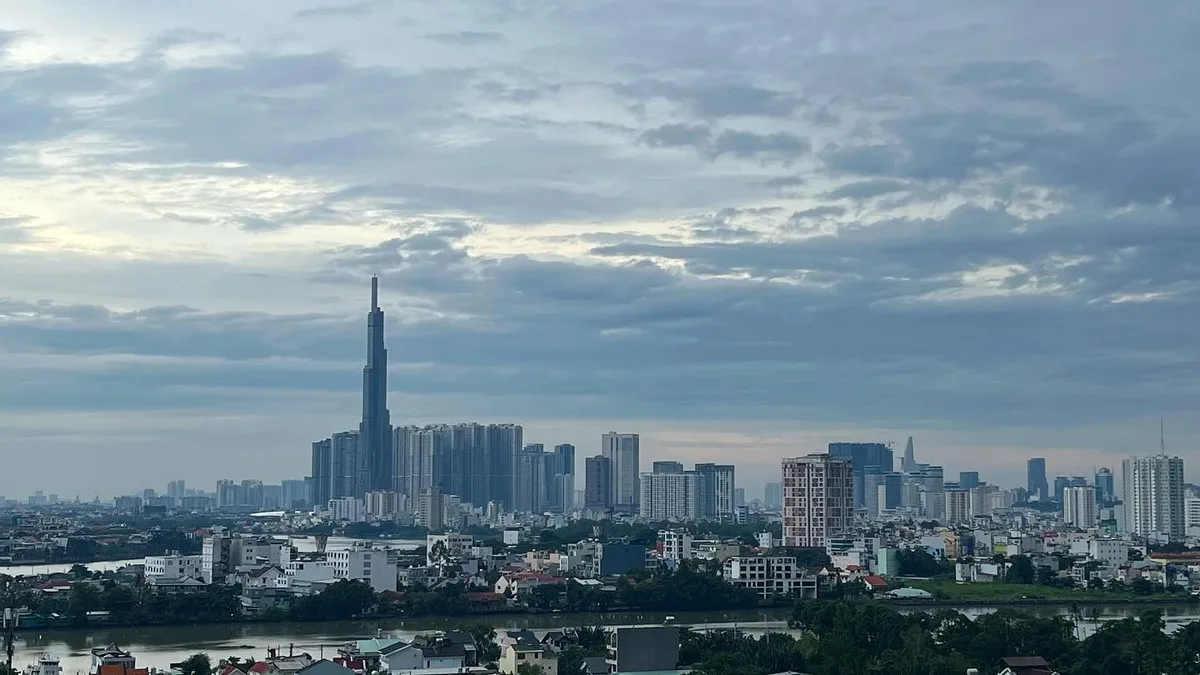
Ho Chi Minh City hits you fast. Motorbikes pour down wide boulevards. Coffee stalls fill every pavement corner. Meanwhile, a red-brick cathedral and a grand old post office stand calmly in the middle of it all. That contrast is exactly why the best places to visit in Ho Chi Minh City stay with you long after you leave.
Locals still call the city Saigon, and you will hear both names everywhere. Officially, Ho Chi Minh City is the modern name. Historically, Saigon was the name of the old city centre. In practice, travellers use the two names for the same place. Therefore, do not worry about choosing the right one.
This guide organises the top places to visit in Ho Chi Minh City by theme and area. First, it covers the essential history sights in the centre. Next, it moves through markets, pagodas, and viewpoints. Finally, it adds two classic day trips and a simple plan for two or three days. As a result, you can build a route that suits your pace.
Why do the places to visit in Ho Chi Minh City feel so different from the rest of Vietnam?
Hanoi feels older and more traditional. Da Nang feels relaxed and coastal. Ho Chi Minh City, however, feels restless and commercial. The city drives much of Vietnam’s trade, and that energy shows on every street. Consequently, sightseeing here mixes museums and markets with rooftop views and late-night food streets.
Moreover, the centre is surprisingly compact. Most Saigon tourist attractions sit inside District 1 and nearby District 3. You can therefore walk between the cathedral, the post office, and the palace in one morning. In addition, ride-hailing apps make longer hops simple and cheap. Overall, first-time visitors find the city far easier to explore than its size suggests.
Readers planning a wider Asia trip will find useful contrasts nearby. For example, our guide to places to visit in Singapore for free for couples shows a calmer, greener city style. Similarly, travellers heading north can compare notes with what places to visit in South Korea for another fast-moving city break.
History first: the essential sights in District 1 and District 3
Start with history, because history explains this city. The war, the colonial era, and reunification shaped modern Saigon. Furthermore, the main history sights sit close together. You can therefore visit them in a logical walking order. Allow a full day for this section, and take breaks in between. The museums are powerful, and they deserve unhurried attention.
War Remnants Museum
The War Remnants Museum is the single most important stop in the city. Its galleries use photographs, documents, and artefacts to show the human cost of war. Outside, a courtyard displays captured military equipment. Inside, the photography exhibitions hit hardest. Many visitors describe the visit as moving and difficult. Nevertheless, most also call it essential.
Plan your visit with care. Go early in the day, when the galleries feel quieter. Read at your own pace, and step outside when you need a pause. In addition, parents should preview the content before bringing young children. Some images are graphic. Overall, this museum gives context to everything else you will see in Vietnam.
Independence Palace, also known as Reunification Palace
A short walk away stands the Independence Palace, also called the Reunification Palace. This 1960s building served as the home and workplace of the President of South Vietnam. Then, in April 1975, tanks famously passed through its gates. That moment effectively ended the war. Today, the palace remains preserved much as it looked at that time.
Inside, you will find reception halls, living quarters, and a basement command bunker. The bunker especially rewards a slow visit. Maps, radios, and narrow corridors show how decisions unfolded underground. Meanwhile, the rooftop and grounds offer a calmer contrast. Allow enough time for both levels, because the basement tells half the story.
Notre-Dame Cathedral Basilica of Saigon and Saigon Central Post Office
Two French colonial landmarks face each other across a small square. On one side rises the Notre-Dame Cathedral Basilica of Saigon, with its red bricks and twin bell towers. French builders constructed the cathedral in the late nineteenth century. The building has also undergone long restoration work in recent years. Therefore, check locally whether you can enter, or simply admire the exterior.
Directly opposite, the Saigon Central Post Office delights almost every visitor. Its vaulted hall, painted maps, and old phone booths feel wonderfully grand. Best of all, the building still works as a real post office. You can buy stamps, send a postcard, and browse souvenir stalls inside. Together, these two buildings form the classic postcard view of Saigon.
Saigon Opera House and Nguyen Hue Walking Street
Nearby, the Saigon Opera House adds another layer of colonial elegance. The building hosts ballet, opera, and contemporary performances. Even without a ticket, the facade alone deserves a look. From there, stroll down Nguyen Hue Walking Street towards the Saigon River. This broad pedestrian boulevard fills with families and street performers in the evening.
At the top of the boulevard stands the People’s Committee Hall, a beautifully lit colonial building. You cannot tour the interior, because it remains a working government building. However, the exterior photographs beautifully after dark. In short, this short walk links the city’s colonial past with its lively present.
Museums and culture beyond the headline sights
Many lists of things to do in Ho Chi Minh City stop after the palace and the war museum. That approach misses a lot. The city also holds excellent art and history collections in beautiful old buildings. Moreover, these museums usually feel calmer than the headline sights. Therefore, they work perfectly on a hot or rainy afternoon.
Ho Chi Minh City Museum of Fine Arts
The Fine Arts Museum occupies a grand colonial-era mansion near Ben Thanh Market. Yellow walls, stained glass, and sweeping staircases make the building itself an attraction. Inside, galleries display Vietnamese paintings, sculptures, and ceramics across several floors. Ancient Cham and Khmer pieces sit alongside modern works. As a result, the collection gives a broad sense of Vietnamese creativity.
Take your time on the upper floors. Fewer visitors reach them, and the light feels lovely there. In addition, the museum helps balance the heaviness of the war sights. You leave with images of beauty, not only conflict. That balance matters on a short trip.
Museum of Vietnamese History and the Saigon Zoo area
The Museum of Vietnamese History sits near the Saigon Zoo and Botanical Gardens. Its exhibits trace Vietnam from prehistoric times through successive dynasties. Highlights include ancient pottery, Cham sculpture, and artefacts from the Mekong Delta region. Furthermore, the building blends French and Asian design in an appealing way. History fans will enjoy the depth here.
Next door, the zoo and gardens offer shade and open space. Families especially appreciate this pairing. Children can enjoy the animals, while adults explore the museum. In contrast, travellers without kids may prefer the quieter temple below. Either way, this leafy corner shows a gentler side of the city.
Jade Emperor Pagoda
The Jade Emperor Pagoda ranks among the most atmospheric temples in Saigon. Worshippers built this Taoist and Buddhist shrine in the early twentieth century. Incense smoke drifts through rooms filled with carved figures and deities. Turtles live in a small pond outside, and devotees release more as offerings. The mood feels intense, colourful, and deeply local.
Visit respectfully and dress modestly. Speak quietly, and avoid blocking worshippers for photographs. Moreover, visit in the morning for the most peaceful experience. This pagoda rarely tops mainstream lists of the best places in Saigon. Nevertheless, many travellers remember it as a personal highlight.
Markets, food streets, and everyday Saigon life
Sights alone do not capture Saigon. You also need its markets and street corners. Daily life here happens outdoors, on pavements and in alleyways. Consequently, the best itineraries mix famous landmarks with ordinary neighbourhood scenes. The stops below deliver that everyday energy.
Ben Thanh Market
Ben Thanh Market is the city’s most famous market, and its clock tower is a local symbol. Inside, stalls sell clothing, bags, coffee, spices, and souvenirs. A food section serves noodle soups, spring rolls, and fresh juices. The aisles feel narrow and busy. Sellers call out cheerfully, and bargaining forms part of the fun.
Go with small cash notes and a patient mood. Expect opening prices aimed at tourists, and negotiate politely. Alternatively, treat the market mainly as a sightseeing stop. Many visitors browse here, then buy in smaller neighbourhood shops instead. In the evening, stalls spill outside for a lively night market atmosphere.
Bui Vien Street and the backpacker quarter
Bui Vien Street anchors the backpacker area in District 1. By day, the street looks fairly ordinary. By night, however, neon lights, music, and street seating transform it completely. Travellers gather here for cheap eats, drinks, and people-watching. The scene feels loud and unapologetically fun.
Not everyone will love Bui Vien. Party seekers enjoy it most, while light sleepers should stay elsewhere. Still, an evening stroll through the area shows Saigon’s youthful side clearly. Meanwhile, quieter travellers can choose a rooftop bar or a riverfront walk instead. Both options suit a warm evening perfectly.
Book Street, cafes, and slow Saigon moments
Saigon also rewards slow travel. Nguyen Van Binh Book Street, beside the post office, offers book stalls and shaded cafes. Office workers and students gather here throughout the day. Order a Vietnamese iced coffee, and watch the city slow down briefly. Strong, sweet, and served over ice, that coffee is a Saigon ritual.
Apartment cafes add another local quirk. Old residential blocks hide small cafes, boutiques, and workshops above street level. You enter through a ground-floor shop, then climb the stairs or ride a small lift. Each floor reveals something different. Exploring one block can easily fill a happy hour.
Cho Lon: temples, wholesale markets, and Chinatown heritage
Cho Lon, the historic Chinatown in District 5, feels like a city within the city. Chinese-Vietnamese communities have traded and worshipped here for generations. Streets specialise by product, from herbs and lanterns to fabrics and motorcycle parts. As a result, Cho Lon feels more local and less polished than District 1. Many travellers rate it among the most rewarding places to visit in Ho Chi Minh City.
The centrepiece for shoppers is Binh Tay Market, a large wholesale market with a distinctive clock tower. Traders buy in bulk here, so the energy feels work-focused rather than touristy. Browse respectfully, and enjoy the organised chaos of sacks, crates, and delivery bikes. Nearby streets hide smaller markets that reward curious walkers.
Temples give Cho Lon its soul. Thien Hau Pagoda, dedicated to the goddess of the sea, fills with incense coils hanging from the ceiling. Worshippers have prayed here for safe journeys for well over a century. Arrive early, breathe slowly, and admire the detailed roof figurines. Together, Binh Tay and Thien Hau make a superb half-day trip across town. Travellers comparing Asian heritage quarters may also enjoy our guide to what are the best places to visit in China for a bigger regional picture.
Skyline views: Bitexco Tower and Landmark 81
Saigon looks spectacular from above. Two towers dominate the viewpoint scene, and each offers a different experience. Visit one near sunset for the best light. On clear days, the Saigon River curves dramatically through the city below. On hazy days, however, views soften quickly. Therefore, check the sky before you buy a ticket.
The Bitexco Financial Tower stands right in District 1, so it fits easily into a central walking day. Its Saigon Skydeck gives wide views over the old centre and the river. The tower also has a distinctive helipad that juts from its side. Because the location is central, you can pair the visit with dinner nearby.
Landmark 81 rises further north in the Vinhomes Central Park area. As its name suggests, the tower has 81 floors, and it ranks among the tallest buildings in Southeast Asia. Its observation area, often called Landmark 81 SkyView, looks down on the river and the park. Meanwhile, the park itself offers lawns, fountains, and a pleasant evening stroll. Choose Bitexco for convenience, or choose Landmark 81 for sheer height.
Day trips every Ho Chi Minh City itinerary should consider
Two excursions dominate day-trip planning here. Both leave the city early, and both reveal a completely different Vietnam. Ideally, book at least one of them. Travellers with three days can usually fit both. Our wider roundups, such as top places to visit outside of the US, show how these excursions rank among classic world experiences.
Cu Chi Tunnels tour
A Cu Chi Tunnels tour takes you northwest of the city to a vast underground network. Viet Cong fighters used these tunnels during the war for living, storage, and movement. Above ground, guides explain traps, bunkers, and daily survival underground. Visitors can also enter a widened section of tunnel briefly. The experience feels cramped, dark, and unforgettable.
Two main sites welcome visitors, and tours commonly visit the more developed one. Wear comfortable shoes, because paths can feel dusty or muddy. In addition, bring water and sun protection for the outdoor sections. Travellers with claustrophobia can skip the tunnel crawl entirely. The above-ground exhibits still teach a great deal.
Mekong Delta day trip from Ho Chi Minh City
A Mekong Delta day trip from Ho Chi Minh City swaps traffic noise for river life. Tours usually head south to towns such as My Tho or Ben Tre. Typical activities include boat rides, village paths, coconut candy workshops, and tropical fruit tastings. Some trips also feature traditional music performances. The pace feels gentle after busy Saigon streets.
Manage your expectations about floating markets. The most famous large floating markets sit further south, near Can Tho. Reaching them properly usually needs an early start or an overnight stay. Nevertheless, a standard delta day trip still delivers boats, canals, and rural scenery. Nature lovers comparing river landscapes may enjoy best nature places to visit in the world for further inspiration.
A simple Ho Chi Minh City itinerary for two or three days
A clear plan prevents sightseeing fatigue. The city rewards a themed approach, with history first and neighbourhoods later. Below, a flexible Ho Chi Minh City itinerary keeps walking distances sensible. Adjust the order for weather, energy, and opening patterns on your travel dates.
- Day one, central history: Start at the War Remnants Museum. Then walk to Independence Palace. Afterwards, visit the cathedral and the post office. Finally, end with Nguyen Hue Walking Street at dusk.
- Day two, culture and markets: Begin at the Jade Emperor Pagoda. Next, explore the Fine Arts Museum. Then browse Ben Thanh Market. In the evening, choose Bui Vien Street or a calmer rooftop view.
- Day three, day trip or Cho Lon: Take a Cu Chi Tunnels tour or a Mekong Delta trip. Alternatively, spend the day in Cho Lon. That option suits travellers who prefer temples and wholesale markets.
One-day visitors should prioritise ruthlessly. Choose the war museum, the palace, the cathedral square, and Ben Thanh Market. That compact route covers the essential Saigon tourist attractions without frantic rushing. Conversely, travellers with four days can add both day trips comfortably. Extra time also allows a slower cafe morning, which Saigon richly deserves.
Asia multi-city trips often pair Saigon with another regional stop. For instance, places to visit in Japan off the beaten path pairs well in a longer itinerary. Likewise, where is the best place to visit in Malaysia helps travellers choose a second Southeast Asian base.
Practical planning: timing, transport, and where to stay in Ho Chi Minh City
Good logistics make this intense city feel manageable. A few simple choices shape the whole trip. First, pick the right season. Next, base yourself in a convenient area. Finally, learn the basic transport rhythm before you arrive.
The best time to visit Ho Chi Minh City is generally the dry season, roughly from December to April. Days feel warm, and rain disrupts sightseeing less often. The wetter months, by contrast, bring heavy afternoon showers. Those showers rarely ruin a day, because museums and cafes offer easy shelter. Tet, the Lunar New Year holiday, changes the city mood, and some businesses close.
For where to stay in Ho Chi Minh City, District 1 suits first-time visitors best. Hotels there place you within walking distance of most headline sights. District 3 offers a quieter, more local feel nearby. Meanwhile, modern areas across the river appeal to travellers who prefer newer buildings. Wherever you stay, confirm that your room sits away from major nightlife noise.
Getting around is straightforward once you embrace the traffic. Ride-hailing apps connect you with cars and motorbike taxis across the city. Taxis from reputable companies also work well. Walking suits the compact centre, although you should cross streets slowly and steadily. Local advice is simple: walk at a constant pace, and let riders flow around you.
Frequently asked questions
How many days do you need for the places to visit in Ho Chi Minh City?
Two full days cover the central sights comfortably. Three days feel better, because you can add a day trip. Moreover, a third day allows slower market and cafe time. Travellers who love museums may happily use four days. In short, stay as long as your wider Vietnam route allows.
What is the best time to visit Ho Chi Minh City?
The dry season, roughly December to April, offers the most reliable sightseeing weather. Skies stay clearer, and walking feels more pleasant. However, the city remains visitable throughout the year. Wet-season showers usually arrive in bursts, not all day. Pack light rain gear, and keep plans flexible.
Is Ho Chi Minh City safe for tourists?
Most visitors explore the city without serious problems. Normal big-city awareness goes a long way here. Watch your phone and bag near busy roads, because snatch theft can occur. Also, agree transport arrangements clearly before each ride. Overall, central districts feel lively and welcoming at most hours.
Should you visit the Cu Chi Tunnels or the Mekong Delta first?
Choose the Cu Chi Tunnels if history interests you most. Choose the Mekong Delta if you prefer scenery and village life. Both trips start early and return by evening. Travellers with time should do both on separate days. Consequently, a three-day stay gives the most balanced experience.
What should you wear when you visit pagodas in Saigon?
Modest clothing shows respect at pagodas and temples. Cover your shoulders and knees where possible. Remove hats inside prayer halls, and keep your voice low. Some sites may offer coverings, but you should not rely on them. Dressing thoughtfully also makes interactions with worshippers warmer.
Can you explore the best places in Saigon on foot?
Yes, you can walk between most central sights in District 1. The cathedral, post office, palace, and opera house sit close together. Ben Thanh Market also lies within easy walking distance. For Cho Lon or Landmark 81, however, take a taxi or ride-hailing car. Heat and humidity make long walks tiring quickly.
Ho Chi Minh City rewards curious travellers. Its museums confront difficult history honestly. Its markets buzz, its pagodas glow with incense, and its towers sparkle after dark. Plan the headline sights first, then leave space for street-level surprises. That mix turns a good city break into a memorable one.




