
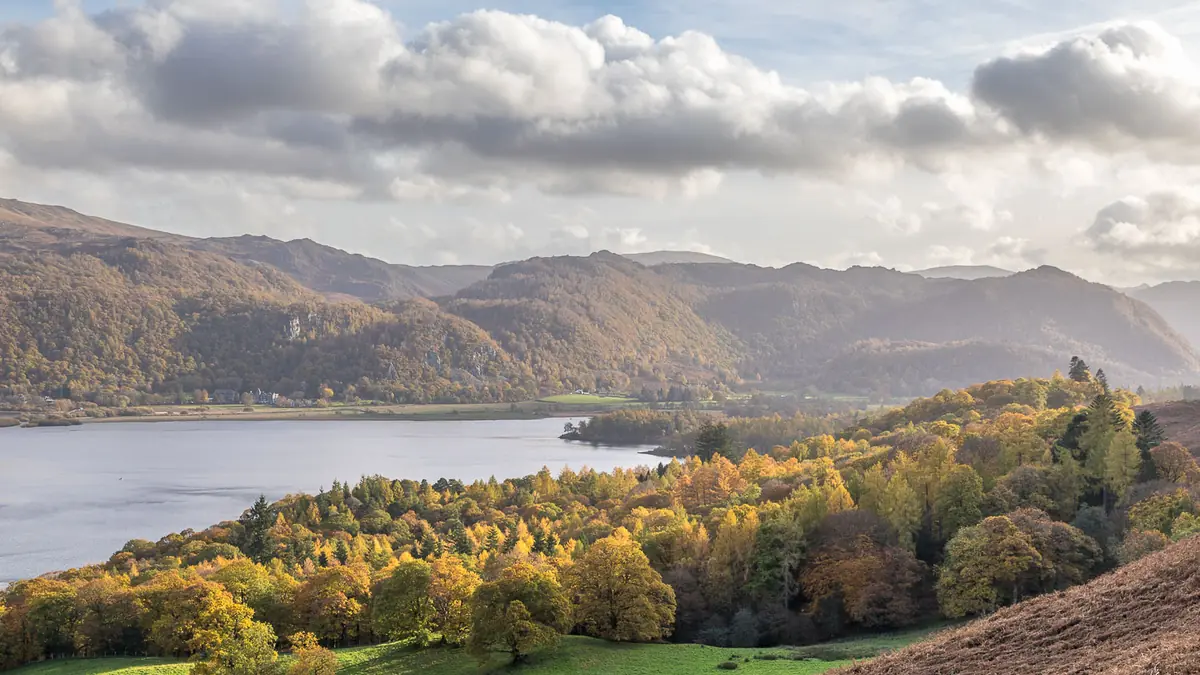
Some places earn their fame slowly, and the Lake District is certainly one of them. Poets praised these valleys two centuries ago, and walkers still arrive every week for the same views. In fact, the best places to visit in the Lake District combine still water, rugged fells, and villages built from local slate. You can cruise a lake in the morning, climb a fell after lunch, and end the day in a cosy pub. Moreover, everything sits close together, so a short break can still cover a surprising amount of ground.
This guide groups the highlights by lake and by valley. Consequently, you can plan days that flow naturally instead of zigzagging across the national park. It also covers the best things to do in the Lake District, from literary stops to family walks. Additionally, it explains where to base yourself and when to come. Readers planning a longer English tour can also explore the south of England best places to visit afterwards. However, give the Lakes proper time first, because rushing this landscape really does miss the point.
Why Does the Lake District Feel So Different?
Firstly, the scale surprises most first-time visitors. England’s largest national park holds sixteen main lakes, hundreds of smaller tarns, and its highest mountains too. Yet the valleys feel intimate rather than grand, and every road seems to end at water. Farms still work the valley floors, while dry stone walls climb improbably steep hillsides above them. As a result, the scenery feels lived in, not preserved behind glass.
Secondly, the literary history runs unusually deep here. William Wordsworth, Beatrix Potter, and Arthur Ransome all drew directly from these lanes and lakeshores. Therefore, many Lake District attractions are ordinary houses, gardens, and hills that inspired famous books. You walk through a children’s story at Hill Top, then through a poem at Dove Cottage. Meanwhile, fell walkers follow routes that Alfred Wainwright mapped in his beloved handwritten guides. Few landscapes anywhere blend walking and storytelling quite so well.
Windermere and Bowness-on-Windermere
Windermere is England’s largest lake, and it remains the natural starting point for most visitors. The town of Windermere has the railway station, while Bowness-on-Windermere sits directly on the shore below it. Bowness feels lively, with jetties, cafes, ice cream shops, and boats coming and going all day. In contrast, the lake’s quieter western shore offers woodland paths and far fewer crowds. Both sides reward exploration, so try to see each one.
Lake cruises are the classic Windermere experience, and they suit every age and energy level. Boats connect Bowness with Ambleside at the northern end and Lakeside at the southern end. Thus, you can ride one way, walk back along the shore, or combine the boat with other attractions. For example, Lakeside offers an aquarium and a heritage railway connection nearby. Alternatively, hire a small boat and explore the islands and bays at your own pace. Simply watching the light change over the water, however, can fill a happy hour.
What Should You Do Around Windermere?
Walk up Orrest Head above the town for your first proper Lakeland panorama. The path is short, but the summit view takes in the whole lake and the higher fells beyond. Moreover, a plaque there records how the young Wainwright fell in love with this landscape. Afterwards, browse Bowness’s shops or visit the World of Beatrix Potter attraction with younger children. Finally, end the day with a lakeside stroll as the cruise boats return to their jetties.
Ambleside, Rydal, and Grasmere
Ambleside sits at the head of Windermere, and it works brilliantly as a central base. Outdoor shops fill its streets, because walkers use the town as a gateway to the Langdale and Fairfield fells. Bridge House, its tiny home built over Stock Beck, is probably the most photographed building in the Lakes. Nearby, Stock Ghyll Force drops through woodland right behind the town centre. Consequently, Ambleside delivers a waterfall walk without any driving at all.
Just north lies Rydal, a small hamlet with outsized literary connections. Wordsworth lived at Rydal Mount for much of his later life, and the house still overlooks gardens and terraces. Rydal Water, meanwhile, is a gentle little lake that poets and painters have loved for generations. A lovely low-level route links Rydal with neighbouring Grasmere, passing Rydal Cave along the way. The cave is a former slate quarry cavern, and stepping stones cross the still pool inside it. Indeed, this whole valley walk ranks among the finest easy Lake District walks.
Grasmere Village and Dove Cottage
Grasmere is the prettiest of the classic Lake District villages, and it draws visitors for good reason. Dove Cottage, Wordsworth’s home during his most creative years, stands at the village edge. His sister Dorothy kept her famous journals there, recording the daffodils that later filled his poetry. Today, the cottage and its museum tell the family’s story with real warmth. Afterwards, wander into the village for its bookshops, galleries, and churchyard Wordsworth graves.
Do not leave Grasmere without tasting its famous gingerbread. Sarah Nelson began baking her spicy, crumbly recipe in the village during the nineteenth century. The tiny Grasmere Gingerbread Shop still sells it, wrapped simply and smelling wonderful. Furthermore, the lake itself offers a gentle circular walk that suits families and tired legs. On calm days, the reflections of the surrounding fells in Grasmere water are unforgettable.
Coniston Water and the Old Man
Coniston Water has a wilder, more workmanlike character than Windermere. Copper mines and slate quarries shaped this valley, and its heritage still shows in the hillsides. The graceful steam yacht Gondola has carried passengers here since Victorian times, originally for tourists seeking romantic scenery. Today, it remains one of the most charming ways to see any Lakeland lake. Arthur Ransome set much of Swallows and Amazons around this water, moreover, so young readers will recognise its islands.
Above the village towers the Old Man of Coniston, a much-loved fell with mining history on its flanks. The climb is a proper mountain day, rewarding walkers with views across Coniston Water and beyond. However, the paths pass old quarry workings, so care and decent footwear matter here. In the village, the Ruskin Museum explores both local industry and the writer John Ruskin. Ruskin himself lived at Brantwood, across the lake, where his house and gardens now welcome visitors. Together, these stops make Coniston one of the richest cultural corners of the park.
Keswick, Derwentwater, and Catbells
Keswick is the northern capital of the Lakes, and walkers adore its practical, friendly feel. The market town sits between Derwentwater and the great dome of Skiddaw. Its theatre overlooks the lake, its museum covers local history, and its outdoor shops could kit out any expedition. Additionally, Keswick makes an ideal base for exploring Borrowdale and the northern fells. If your trip later heads to another northern city, our guide to the best places to visit in Liverpool UK pairs well with it.
Derwentwater is often called the queen of the English lakes, and the nickname feels deserved. Wooded islands dot its surface, while Borrowdale’s crags frame its southern end beautifully. Launches circle the lake, dropping walkers at jetties around the shore. Therefore, you can walk one stretch, ride the next, and tailor the day to your legs. The flat lakeshore path near Keswick, meanwhile, suits pushchairs, dogs, and gentle evening wanderers alike.
Catbells and Castlerigg Stone Circle
Catbells rises above Derwentwater’s western shore, and it may be England’s most loved small fell. Wainwright described it as a family fell where generations can climb together. The ridge path is short but surprisingly steep in places, with a touch of easy scrambling. From the summit, nevertheless, the view down the lake and across to Keswick feels enormous. Many walkers sensibly combine Catbells with a launch ride back across the water.
East of Keswick stands Castlerigg Stone Circle, one of Britain’s earliest and finest stone circles. Its stones sit on a plateau ringed by fells, creating a setting of rare drama. Unlike many ancient sites, Castlerigg remains open, quiet, and free to wander around. Early morning and late evening bring the best atmosphere, because coach parties rarely visit then. In short, this is the Lake District at its most timeless and mysterious.
Ullswater and Aira Force
Ullswater winds through mountain scenery in a long, elegant zigzag. Many locals quietly call it the loveliest of the best lakes in the Lake District. Wordsworth saw his famous host of golden daffodils along its western shore near Glencoyne Bay. Today, heritage steamers have sailed this lake for well over a century, linking Pooley Bridge, Glenridding, and Howtown. Walkers love combining a steamer ride with the Ullswater Way, a long-distance route around the shore. Consequently, one ticket can shape an entire, glorious walking day.
Aira Force is Ullswater’s essential detour, and it delights visitors in almost any weather. A stream plunges through a steep, wooded gorge beneath an old stone bridge. Trails loop through the trees, passing viewpoints above and below the main fall. After heavy rain, indeed, the waterfall becomes genuinely thunderous and spectacular. The National Trust manages the site, with a tearoom and picnic spots nearby. Combine Aira Force with a steamer trip, therefore, and you have a perfect Ullswater day.
The Wild West: Wastwater, Scafell Pike, and Buttermere
Wastwater is England’s deepest lake, and its mood is altogether sterner than Windermere’s. Huge scree slopes plunge straight into dark water along its southern shore. Above the valley stands Scafell Pike, England’s highest mountain and a bucket-list climb for many walkers. The Wasdale Head Inn, meanwhile, has welcomed climbers at the valley’s end for generations. This remote corner feels genuinely wild, so come prepared and respect its weather. Adventurous travellers comparing world-class scenery should also see our list of the best nature places to visit in the world.
Buttermere offers the west’s gentler side, with a small village between two peaceful lakes. A flat path circles Buttermere lake itself, passing through a short rock tunnel along the way. Haystacks, the fell above the village, was Wainwright’s favourite, and his ashes rest at Innominate Tarn on its summit. Nearby Crummock Water stays quieter still, while Scale Force hides in a deep wooded ravine close by. Honister Slate Mine, at the head of the pass above, adds underground tours and serious slate heritage. Altogether, this valley rewards anyone escaping the busier central Lakes.
Tarn Hows, Hawkshead, and Beatrix Potter Hill Top
Tarn Hows is a small, picture-perfect tarn between Coniston and Hawkshead. Landscaped paths circle its tree-fringed water, and the route suits almost everyone, including many wheelchair users. Beatrix Potter once owned this land, and she helped protect it for the National Trust. Unsurprisingly, it becomes one of the most popular short outings in the southern Lakes. Visit early or late in the day, however, and its calm returns quickly.
Hawkshead is a tangle of whitewashed cottages, cobbled yards, and car-free lanes nearby. Wordsworth attended its old grammar school, where his carved initials reportedly survive on a desk. Just across the fields at Near Sawrey stands Hill Top, Beatrix Potter’s beloved farmhouse home. She bought it with royalties from her first books, then filled its rooms and garden into her stories. Visitors can spot details that appear in the Peter Rabbit tales throughout the house. Because Hill Top is small and popular, arriving early in the day helps considerably.
Ravenglass, Eskdale, and a Steam Railway
On the western edge of the park, Ravenglass is the Lakes’ only coastal village. From there, the Ravenglass and Eskdale Railway runs narrow-gauge steam trains into lovely Eskdale. Locals affectionately call the little railway La’al Ratty, and families have loved it for generations. The journey passes woods, fields, and fells before ending beneath Scafell’s great neighbours. Eskdale itself offers riverside walks, two old corn mills, and welcoming pubs. In addition, this western escape shows a softer, greener side of Cumbria.
Lake District Walks for Every Level
Choosing walks by ability keeps everyone happy, and the Lakes offer something at every grade. The following suggestions progress from gentle strolls to serious mountain days.
- Gentle strolls: Tarn Hows circuit, Derwentwater lakeshore, and the Grasmere to Rydal coffin route, all with big scenery and modest effort.
- Family favourites: Aira Force woodland trails, Orrest Head, and the Buttermere circuit, where a tunnel and lakeshore keep children engaged.
- Classic small fells: Catbells, Loughrigg Fell above Ambleside, and Latrigg above Keswick, each delivering a summit feeling without an epic day.
- Big mountain days: the Old Man of Coniston, Helvellyn from Glenridding, and Scafell Pike from Wasdale, all requiring navigation skills and proper kit.
Weather changes fast on these fells, so preparation matters more than ambition. Carry waterproofs, a map, and more layers than you expect to need. Similarly, tell someone your route before tackling higher ground alone. Lakes weather can turn a simple ridge into a serious place within an hour. Respect that, however, and the walking here will reward you for a lifetime.
Where Should You Base Yourself?
Your base shapes your trip, because the park’s roads are scenic but slow. The following options cover the main styles of visit.
- Windermere and Bowness: best for first-timers arriving by train, with cruises, restaurants, and easy onward buses.
- Ambleside: best for walkers wanting a central base, great food, and routes starting straight from the door.
- Keswick: best for the northern fells, Derwentwater, Borrowdale, and a lively market-town atmosphere.
- Grasmere: best for a quieter, romantic village stay wrapped in Wordsworth history.
- Coniston or Eskdale: best for repeat visitors seeking quieter valleys, heritage, and wilder walking.
Travelling without a car is perfectly possible, although it needs a little planning. Buses link the main towns and many trailheads throughout the year. Boats and launches, meanwhile, double as transport as well as sightseeing. If you enjoy rail-based exploring generally, our guide to the best places to visit in Cornwall by train offers a similar approach elsewhere. Drivers, conversely, should expect narrow lanes and busy car parks in high summer.
What Is the Best Time to Visit the Lake District?
Spring brings daffodils, lambs, and lengthening days, although the fells can still hold winter cold. Late spring is arguably the sweet spot, because the lanes are green and the crowds remain manageable. Summer offers the warmest lake weather and the longest evenings, but also the busiest roads and paths. Autumn, in contrast, colours the woods gold and russet, and many walkers call it the finest season. Winter brings quiet villages, dramatic skies, and snow-dusted summits for properly equipped walkers.
So, the best time to visit the Lake District depends on your priorities. Choose May or September for balance, July for lake swimming and festivals, and November for solitude. Rain can arrive in any month, admittedly, since this is one of England’s wettest corners. Pack for it, plan flexible days, and the weather becomes part of the charm. Travellers building a wider British itinerary might also browse the best places to visit in West Yorkshire next door. Similarly, anyone extending south in winter can compare places to visit in winter in London for a city contrast.
Frequently Asked Questions
How Many Days Do You Need in the Lake District?
Three days cover one area properly, such as Windermere, Grasmere, and Ambleside together. Five days, however, let you add Keswick or Ullswater without rushing. A full week is ideal, because it allows a wild western day in Wasdale or Eskdale too. Shorter trips still work, provided you base yourself centrally and resist over-planning.
Which Lake Is the Most Beautiful?
Ullswater wins many local votes for its mountain setting and graceful shape. Wastwater, meanwhile, offers the most dramatic and brooding scenery in the park. Derwentwater charms visitors with its islands, woods, and easy access from Keswick. Honestly, each lake has a different personality, so visiting several is the real answer.
Is the Lake District Good for Families?
Yes, families thrive here, because short walks, boat rides, and steam trains suit young children beautifully. Tarn Hows, Aira Force, and the Ravenglass railway all deliver big rewards for little legs. Many attractions also run rainy-day options, which matter in this famously damp region. For gentler trip ideas afterwards, see our picks for the best places to visit for rest and relaxation. Accessible travel inspiration, similarly, appears in our guide to wheelchair friendly places to visit in Ireland.
Can You Visit Without a Car?
Certainly, and many visitors prefer travelling that way. Trains reach Windermere and the Cumbrian coast, while buses connect the main valleys and villages. Steamers and launches then link lakeshore walking routes without any driving stress. Base yourself in Windermere, Ambleside, or Keswick, therefore, and the park opens up easily.
Ultimately, the places to visit in the Lake District reward curiosity as much as planning. See Windermere’s bright jetties, certainly, but also find Wastwater’s silence and Eskdale’s green calm. Walk one famous fell, then wander one unnamed lane between dry stone walls. Meet the poets in their cottages and the farmers’ landscapes that inspired them. Do that, and this small corner of Cumbria will stay with you for years.




