
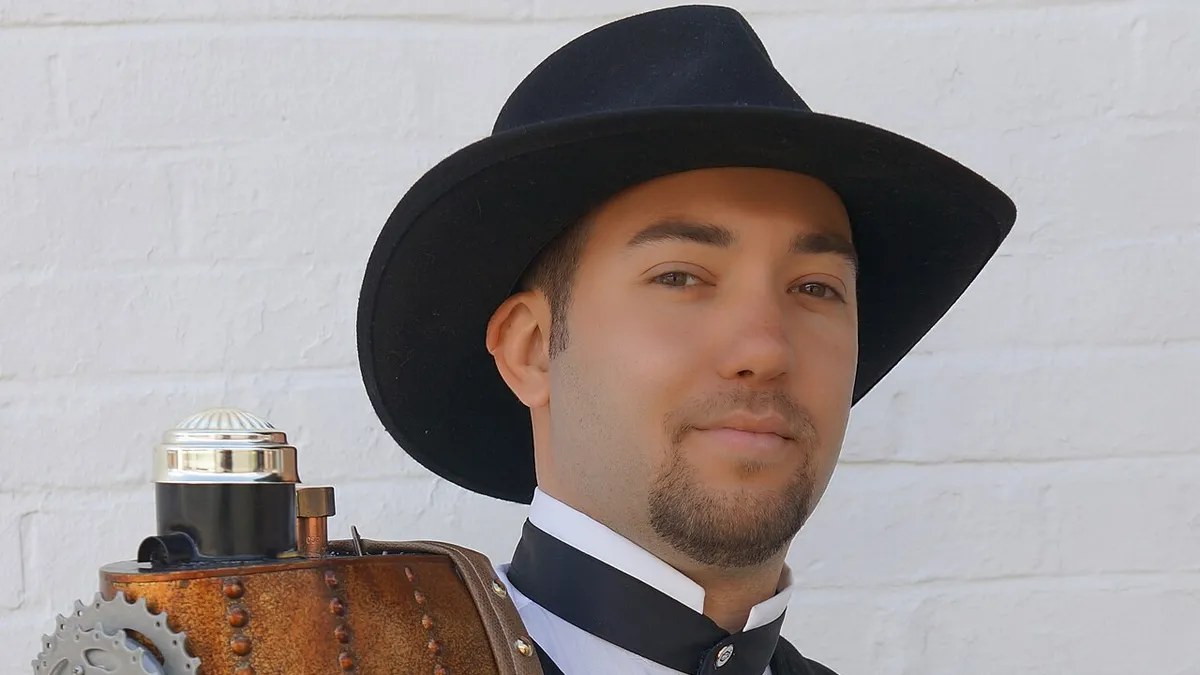
Steampunk fashion for men looks dramatic at first glance. However, the best outfits are surprisingly wearable once you understand them. A tailored waistcoat, a long coat, and worn leather boots do most of the work. Moreover, small brass details quietly signal the whole aesthetic.
You do not need a costume shop to get started. Instead, you need a clear eye for silhouette, fabric, and proportion. Consequently, this guide breaks the style down into simple, practical choices. Additionally, it shows how to wear steampunk today without looking theatrical.
What Is Steampunk Fashion for Men?
Steampunk fashion for men blends Victorian tailoring with imagined steam-powered technology. In essence, it asks how people might have dressed in a more inventive past. Shirts therefore keep high collars and careful structure. Meanwhile, coats and waistcoats gain buckles, chains, and mechanical details.
Victorian steampunk clothing provides the historical foundation for the look. Nevertheless, steampunk never aims for perfect museum accuracy. Designers deliberately add goggles, gears, and exposed watch movements. As a result, each outfit tells a small story about its wearer.
Perhaps your character repairs airships for a living. Alternatively, your persona might be a gentleman inventor or explorer. Indeed, that invented biography shapes every clothing decision you make. Furthermore, a strong character idea prevents random accessories from cluttering the outfit.
Where Did Steampunk Style Come From?
The roots sit firmly in nineteenth-century science fiction. Writers of that era imagined steam engines, airships, and daring expeditions. Consequently, their heroes wore formal tailoring beside improbable machines. Later authors then expanded that contrast between elegance and industry.
The word steampunk itself arrived much later, in 1987. Writers used it playfully to describe fiction set in an alternative Victorian age. Subsequently, readers, makers, and designers turned that literary idea into clothing. Moreover, conventions and festivals gave those early outfits a public stage.
Modern steampunk style grew quickly during the 2000s. Makers shared handmade coats, modified hats, and custom gadgets online. Additionally, thrift shopping made the style accessible to newcomers. Ultimately, steampunk survived because it rewards creativity rather than wealth.
Steampunk vs Victorian, Gothic, and Punk Dress
Victorian dress describes real clothing worn between 1837 and 1901. Steampunk, in contrast, borrows that clothing and then invents beyond it. Historical reenactors therefore chase accuracy above all else. Steampunk wearers, however, happily mix eras, fabrics, and fictional technology.
Gothic fashion shares the dark colours and dramatic silhouettes. Still, gothic outfits rarely celebrate machinery or invention. Steampunk instead foregrounds brass, copper, leather, and visible engineering. Similarly, punk contributes rebellion, distressed finishes, and do-it-yourself energy.
Understanding those differences keeps your outfit coherent. For example, a frock coat alone reads as historical dress. Adding goggles and a tool belt, however, shifts it into steampunk. Finally, intention matters more than any single garment here.
The Steampunk Color Palette and Fabrics That Work
A reliable steampunk color palette starts with deep, earthy neutrals. Think charcoal, chocolate brown, burgundy, olive, and warm black. Brass and copper then provide the metallic highlights throughout. Additionally, cream or ivory shirts stop darker layers from looking flat.
Colour restraint is essential for a believable result. Too many bright shades, for instance, break the aged illusion quickly. Instead, choose two main colours and one metallic accent. Consequently, the outfit feels curated rather than assembled by accident.
Choosing Steampunk Fabrics With Texture
Good steampunk fabrics look sturdy, tactile, and slightly aged. Wool, tweed, herringbone, and heavy cotton all work beautifully. Moreover, leather adds instant industrial credibility to boots and belts. Brocade, meanwhile, brings quiet luxury to a formal waistcoat.
Shiny synthetic fabrics usually undermine the whole effect. In fact, cheap costume cloth reflects light in an unmistakably modern way. Natural fibres, by contrast, absorb light and age gracefully. Therefore, always favour texture and weight over surface shine.
Readers who enjoy construction will appreciate our guide to fashion design pattern making books for understanding garment structure. That knowledge helps enormously when judging fit. Indeed, well-made steampunk clothing depends on structure more than decoration.
The Core Garments Every Man Needs
The Shirt as Your Foundation
Start with a shirt that has a high or stand collar. Plain white, cream, or soft black shirts work best. Ruffles, however, should stay subtle outside formal character outfits. Additionally, rolled sleeves instantly suggest a working inventor or mechanic.
Fit matters more than ornament at this base layer. A baggy modern shirt, for example, ruins an otherwise tailored silhouette. Consequently, choose a slim cut that tucks cleanly into trousers. Moreover, visible cuff details add period character without extra cost.
The Steampunk Waistcoat: The Piece That Matters Most
The steampunk waistcoat is the single most important garment for men. It creates the recognisable layered silhouette in one step. Furthermore, it works equally well for everyday and formal outfits. A brocade, tweed, or leather waistcoat each tells a different story.
Wear yours fitted, buttoned, and sitting cleanly at the waist. Loose waistcoats, in contrast, look like unfinished costume pieces. Additionally, contrasting back panels and brass buttons reward closer inspection. Ultimately, a good waistcoat alone can carry a simple outfit.
Travel-inspired layering offers useful inspiration here too. Our look at the Magellan travel vest as a practical travel companion shows how pockets shape function. Steampunk vests borrow that same practical logic. Hence, pockets should feel useful, not merely decorative.
Coats That Declare the Character
A steampunk frock coat remains the classic outer layer. Its long, tailored shape signals a gentleman, captain, or inventor. Alternatively, a duster coat suggests travel, dust, and open roads. Military-style coats, meanwhile, add structure, epaulettes, and disciplined lines.
Choose coat length according to your height and setting. Tall coats, for instance, can overwhelm a shorter frame indoors. Moreover, heavy wool layers become uncomfortable at crowded summer events. Therefore, lighter cotton or linen coats suit warm-weather gatherings better.
Modern tailoring can soften the transition into this style. A structured layer like the Penguin sport coat and its timeless elegance shows the value of clean shoulders. Similarly, the Brooks Shelter Technology jacket for comfort and performance proves outerwear must still move well. Steampunk coats should follow both lessons closely.
Trousers and Steampunk Boots
Trousers should stay straight, tapered, and free of modern logos. Striped wool, tweed, corduroy, or plain dark cotton all work. Additionally, tucking trousers into boots creates a strong explorer silhouette. High-waisted cuts, furthermore, sit far better under a waistcoat.
Good steampunk boots ground the entire outfit convincingly. Lace-up leather boots, buckled boots, and sturdy military styles all qualify. Worn finishes, however, look far more convincing than glossy new leather. Consequently, avoid trainers completely, because they break the illusion instantly.
Spats or gaiters offer a clever budget alternative. Worn over plain dark shoes, they suggest period footwear cheaply. Moreover, they add another welcome layer of texture. Still, proper boots remain the better long-term investment.
Steampunk Accessories for Men That Finish the Look
Steampunk accessories for men matter because details carry the fiction. Without them, a Victorian outfit stays merely historical. With them, however, the character and occupation become instantly readable. Therefore, choose fewer accessories, but choose each one deliberately.
Hats, From Bowlers to the Steampunk Top Hat
The steampunk top hat signals formality, confidence, and showmanship. Taller hats suit gentlemen, ringmasters, and wealthy inventors best. Bowler hats, by contrast, feel practical, urban, and understated. Flat caps, meanwhile, suit mechanics, drivers, and working characters perfectly.
Hat fit deserves the same care as coat fit. A loose hat looks borrowed, however expensive it may be. Additionally, a simple hat band transforms a plain second-hand find. Small gears or feathers, for example, add character without excess.
Steampunk Goggles and Eyewear
Steampunk goggles are the most recognisable accessory in the entire style. Aviators, drivers, and engineers wear them as believable working tools. Usually, they rest on a hat brim or forehead, not over the eyes. Consequently, they read as equipment rather than a disguise.
Quality varies enormously, so inspect materials before buying. Leather straps and metal frames, for instance, age far better than plastic. Moreover, tinted lenses add mystery while staying visually plausible. Still, goggles remain optional, despite their famous reputation.
The Pocket Watch Chain and Small Details
A pocket watch chain adds movement, shine, and unmistakable period flavour. It drapes from a waistcoat button to a side pocket. Furthermore, the watch itself can be mechanical, decorative, or simply vintage-styled. Indeed, this one detail photographs beautifully in almost any light.
Other small details reward equal attention and restraint. Leather gloves, for example, suggest driving, riding, or workshop work. Cravats and neckties, meanwhile, sharpen a formal gentleman character. Additionally, canes, compasses, and leather pouches each imply a backstory.
Balance is the golden rule with every accessory. Too many gadgets, however, turn elegance into visual noise quickly. Our roundup showing how fashion accessories can finish an outfit makes the same point for modern dress. One strong finishing piece usually beats five weak ones.
Steampunk Character Outfits Worth Trying
Steampunk character outfits work best when the job comes first. Clothing then follows logically from that imagined occupation. Moreover, a clear role prevents mismatched pieces from fighting each other. Consider, therefore, which of these four archetypes suits you.
The Gentleman Inventor
This character wears a frock coat, brocade waistcoat, and cravat. Polished boots and a top hat complete the formal picture. Additionally, a pocket watch and cane reinforce wealth and status. Consequently, fabrics stay rich, dark, and carefully tailored throughout.
The Engineer or Mechanic
Engineers dress for work, not for drawing rooms. A collarless shirt, canvas waistcoat, and sturdy trousers fit perfectly. Furthermore, leather arm guards and a tool belt add believable function. Goggles, in this case, feel genuinely necessary rather than decorative.
The Aviator or Explorer
Aviators favour dusters, leather, scarves, and protective eyewear. Earthy khaki and brown tones, for instance, suggest distance and weather. Additionally, sturdy boots and gloves handle the imagined terrain. Maps, compasses, and satchels, meanwhile, complete the travelling story.
The Airship Pirate
Pirates mix elegance with deliberate disorder and swagger. Expect sashes, open shirts, long coats, and weathered boots. Moreover, belts and straps cross the body with theatrical confidence. Nevertheless, careful colour control stops this look becoming fancy dress.
Wearing Steampunk in Modern Life
Learning how to wear steampunk today is mainly about dosage. Full character outfits suit conventions, festivals, and themed weddings. Everyday settings, however, reward a lighter and more selective touch. Therefore, match the intensity carefully to the occasion ahead.
Level One: A Subtle Everyday Steampunk Outfit
An everyday steampunk outfit uses one or two signature pieces only. Try a tweed waistcoat over a plain shirt with dark jeans. Alternatively, add a pocket watch to a smart modern jacket. Buckled boots, furthermore, hint at the aesthetic without shouting it.
This level works for offices, dinners, and city weekends. Colleagues notice individuality, however, without seeing a costume at all. Moreover, modern trousers keep the silhouette grounded and current. Ultimately, restraint is what makes this version so versatile.
Level Two: A Smarter Evening Look
Evenings allow richer fabrics and one bolder statement piece. A brocade waistcoat, for example, pairs beautifully with a dark coat. Additionally, a cravat or bowler hat raises the formality instantly. Leather gloves, meanwhile, add polish as the weather cools.
Seasonal events show how themed dressing delights crowds. Coverage of the Newberg Old Fashioned Festival and its vintage atmosphere captures that spirit well. Steampunk evenings borrow the same celebratory energy. Hence, confidence matters just as much as clothing here.
Level Three: The Full Convention Outfit
Conventions finally permit the complete, unapologetic character outfit. Layer the coat, waistcoat, hat, goggles, and accessories together proudly. Moreover, handmade gadgets and props earn genuine admiration there. Comfort planning, however, becomes absolutely essential at this level.
Wear your boots in before the event day arrives. Heavy wool layers, for instance, trap heat in crowded halls quickly. Additionally, carry water and check the event rules on prop items. As a result, you will enjoy the day far more.
Three Ready-Made Steampunk Outfit Ideas
Concrete steampunk outfit ideas help beginners move from theory to practice. Each formula below uses pieces already explained in this guide. Moreover, each one can be softened or intensified easily. Choose, therefore, the version closest to your own wardrobe.
For a city gentleman, combine charcoal trousers with a cream shirt. Add a burgundy brocade waistcoat and a long black coat. Furthermore, finish with polished boots, a bowler, and a watch chain. Consequently, the result feels formal, dark, and quietly confident.
For a workshop inventor, start with brown trousers and a collarless shirt. Layer a canvas waistcoat, leather belt, and rolled sleeves over it. Additionally, place goggles on a flat cap for working credibility. Worn lace-up boots, meanwhile, complete the practical picture perfectly.
For an explorer, choose khaki trousers and a heavy cotton shirt. Add a long duster, leather gloves, and a wide belt. Moreover, a satchel and compass suggest journeys beyond the city. Ultimately, weathered textures make this outfit feel genuinely travelled.
Building the Look on a Budget
Steampunk rewards hunting, adapting, and making over buying new. Charity shops regularly yield waistcoats, tweed jackets, and leather belts. Moreover, vintage markets offer hats, watches, and brass fittings cheaply. Patience, therefore, builds a better wardrobe than impulse buying.
Simple modifications transform ordinary clothes surprisingly quickly and cheaply. Swapping plain buttons for brass ones, for example, changes a whole waistcoat. Adding a hat band or watch chain works similarly well. Additionally, gentle distressing makes new leather look honestly aged.
Slow, deliberate buying also beats disposable costume fashion. Our piece on young women leading the charge against fast fashion highlights that wider shift. Steampunk makers have practised repair and reuse for decades. Indeed, a mended vintage coat carries more character than packaging.
Prioritise spending where quality shows most clearly and lasts. Boots, waistcoats, and coats deserve the largest share of money. Accessories, by contrast, can be found, borrowed, or handmade. Consequently, even a modest budget produces a convincing result.
Common Mistakes That Ruin a Steampunk Outfit
The commonest mistake is gluing gears onto everything indiscriminately. Random cogs, however, signal costume rather than craftsmanship or character. Instead, place mechanical details only where they imply function. Moreover, fewer gears almost always look more convincing.
Poor fit ruins more outfits than any missing accessory. Baggy coats and slipping hats, for instance, destroy the tailored silhouette. Therefore, alter second-hand pieces whenever the budget allows it. A simple adjustment, additionally, elevates cheap clothing remarkably well.
Ignoring comfort is another frequent and avoidable error. Heavy layers cause overheating, while new boots cause blisters. Consequently, test the full outfit at home before any event. Similarly, check that straps and props never restrict movement.
Finally, avoid mixing too many competing sub-styles together. Gothic, pirate, military, and formal elements can coexist carefully. Dumped together carelessly, however, they produce visual confusion instead. Hence, return to your character whenever a choice feels uncertain.
Caring for Leather, Wool, and Brass
Good care protects the investment behind a character wardrobe. Leather boots, for example, need regular cleaning and conditioning. Similarly, belts and gloves last longer when stored away from heat. Moreover, worn leather develops character rather than damage over time.
Wool coats and tweed waistcoats need airing after every wear. Brush them gently, however, instead of washing them too often. Additionally, store them on wide hangers to protect the shoulders. Cedar, meanwhile, helps discourage moths in closed wardrobes.
Brass details tarnish naturally, and that patina often suits steampunk. Nevertheless, chains and watch cases benefit from an occasional gentle polish. Avoid harsh chemicals, in contrast, because they strip aged finishes. Ultimately, honest wear always looks better than artificial shine.
Frequently Asked Questions
Can men wear steampunk fashion every day?
Yes, men can wear a toned-down version every day. A waistcoat, watch chain, or buckled boots blend with modern basics. Moreover, keeping colours dark and simple preserves a professional feel. Therefore, start small and add pieces gradually over time.
Do you need goggles for a steampunk outfit?
No, goggles are famous but never compulsory for anyone. A well-fitted waistcoat and coat already communicate the style clearly. Additionally, a pocket watch often looks smarter in formal settings. Choose goggles only when your character would plausibly use them.
What is the best first steampunk piece to buy?
A versatile waistcoat is the best first purchase for most men. It layers over shirts you probably already own today. Furthermore, it works for everyday, evening, and convention outfits alike. Boots, consequently, make the smartest second investment afterwards.
Is steampunk the same as Victorian fashion?
No, steampunk deliberately adds invented technology to Victorian foundations. Victorian fashion, by contrast, reflects what people genuinely wore historically. Moreover, steampunk welcomes modern making methods and personal storytelling. Hence, the two styles overlap without ever being identical.
Where can you wear a full steampunk outfit?
Full outfits suit conventions, festivals, themed parties, and weddings best. Photographers and fellow enthusiasts, for instance, appreciate the complete effort there. Additionally, heritage events sometimes welcome period-inspired dressing warmly too. Always check the event guidance before bringing prop accessories.
Final Thoughts on a Style That Rewards Imagination
Steampunk fashion for men endures because it celebrates craft and character. It rejects disposable trends in favour of texture and story. Moreover, it lets every wearer design a persona, not just an outfit. That creative freedom, ultimately, explains its lasting appeal.
Start with a waistcoat, honest fabrics, and one meaningful accessory. Build slowly, however, and let your character guide each addition. Additionally, favour fit and comfort over sheer quantity of detail. As a result, your modern steampunk style will feel personal and timeless.




