
Five days sounds tight for the Highlands. However, a well-shaped loop makes those five days feel generous rather than rushed. Moreover, this Scottish Highlands road trip itinerary gives Skye two full nights instead of one frantic overnight stop. You therefore walk the famous trails properly and still reach Loch Ness without a dawn sprint.
The route runs anticlockwise from Edinburgh through Glencoe and Fort William. Afterwards, it crosses to Skye along the Glenfinnan road and over the Mallaig ferry. Day three then belongs entirely to the island itself. Finally, the loop returns through Eilean Donan Castle and Loch Ness to Inverness.
Honesty matters here, though. The full North Coast 500 simply does not fit inside this loop, and pretending otherwise would ruin the trip. Instead, this guide treats that famous route as a separate journey and explains exactly why below. In short, five days buys you the classic Highlands at a civilised pace.
Your Scottish Highlands road trip itinerary at a glance?
The table below shows the shape of the trip in seconds. Each day keeps driving near three to four hours at most. Furthermore, no day mixes a long drive with a long hike.
| Day | Route | Night stop | Driving feel |
|---|---|---|---|
| Day 1 | Edinburgh to Fort William through Glencoe | Fort William | Motorway, then the open A82 |
| Day 2 | Fort William to Skye via Glenfinnan and the Mallaig ferry | Portree, Skye | Scenic coastal road, then island lanes |
| Day 3 | Skye loop to the Fairy Pools, the Storr and the Quiraing | Portree, Skye | Short hops, some single-track |
| Day 4 | Skye to Inverness via Eilean Donan Castle and Loch Ness | Inverness | The Skye Bridge and the lochside A82 |
| Day 5 | Inverness to Edinburgh via Pitlochry and the A9 | Home | Fast A9 running south |
Keep this shape in mind, because each night stop sets up the next morning perfectly. Consequently, you never backtrack along a road you have already driven.
How many days do you need for the Scottish Highlands?
Honestly, the answer depends on how much of the map you want to cover. Some travellers squeeze Glencoe and Loch Ness into a long weekend from Edinburgh. However, that sprint version skips Skye entirely or ruins it with a single rushed evening. By contrast, this five-day loop covers the classic sights properly.
Seven to ten days changes the picture completely. With that extra time, you could add the Torridon mountains or start the northern coastal route. Meanwhile, two full weeks would let you combine this loop with the whole northern circuit. Therefore, treat five days as the sweet spot for a first trip.
Most readers will start this Scottish Highlands road trip from Edinburgh, and the capital works beautifully as a base. The M9 motorway points you straight at Stirling and the hills beyond. Alternatively, Glasgow starters join the same road near Loch Lomond and reach Glencoe just as easily.
Shorter UK breaks make a useful comparison here. For example, the best places to visit in West Yorkshire fit neatly into one weekend, and the places to visit in the Lake District reward two or three relaxed days. The Highlands operate on a grander scale, so they honestly need five days.
Day 1: Edinburgh to Glencoe and Fort William?
What happens on the morning drive across Rannoch Moor?
Leave Edinburgh early and follow the M9 past Stirling Castle on its rock. After Callander, the road narrows and the hills close in around you. Then the A82 climbs past Tyndrum towards empty Rannoch Moor. Suddenly the landscape opens into a vast, treeless wilderness of lochans and sky.
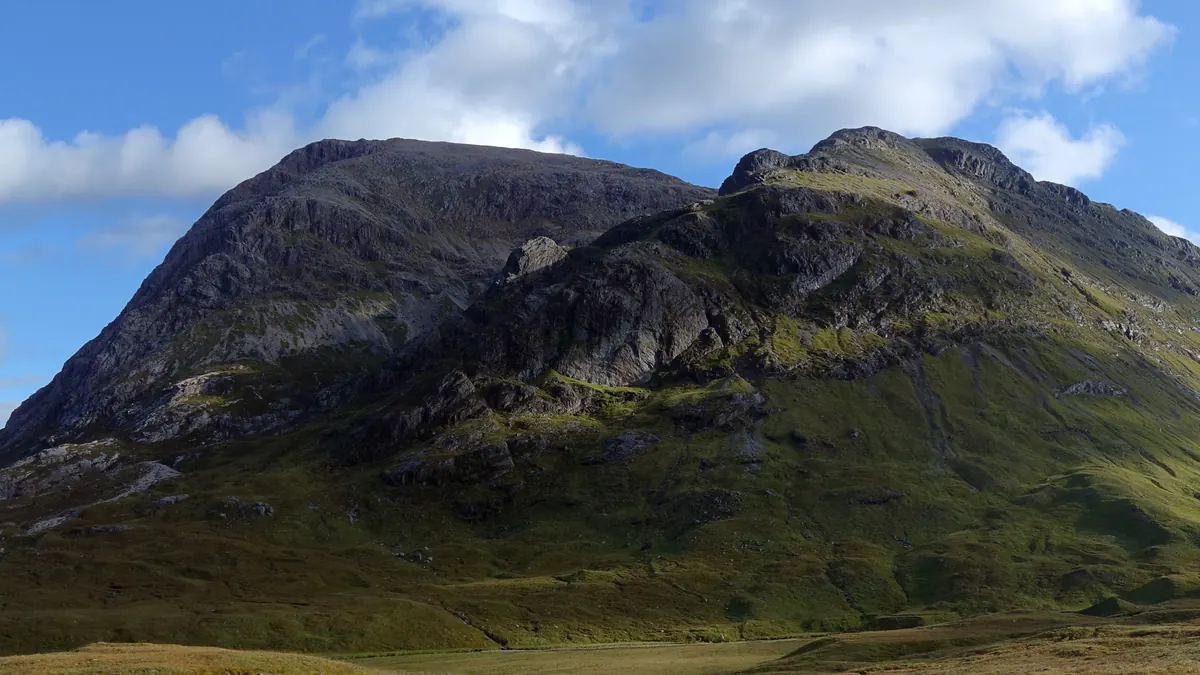
Stop at the viewpoints whenever the light looks good, because the moor changes character every few miles. In particular, the first sight of Buachaille Etive Mor deserves a proper stop. That pyramidal peak guards the entrance to Glencoe like a doorman.
Which Glencoe and Fort William stops deserve your afternoon?
The Glencoe and Fort William stops begin properly once you drop into the glen itself. Pull over for the Three Sisters viewpoint first, where three steep ridges tower above the road. Afterwards, continue to Glencoe village and its small folk museum near Loch Leven.
Fort William then makes a practical first night stop. The town sits at the head of Loch Linnhe with Ben Nevis rising directly behind it. Moreover, it offers the widest choice of beds, pubs and evening meals on this whole route. Park up, stretch your legs along the loch shore and save the mountain paths for tomorrow.
Day 2: Fort William to Skye via Glenfinnan and the Mallaig ferry?
Why should you start with the Ben Nevis and Steall Waterfall walk?
Day two begins in Glen Nevis, the deep valley running beneath Britain’s highest mountain. A full Ben Nevis summit climb takes most walkers the whole day, so this itinerary admires the giant from below. Instead, the Ben Nevis and Steall Waterfall walk gives you the valley’s best scenery in one morning. Most walkers need roughly two to three hours for the round trip.
The path follows the River Nevis through a rocky gorge of birch trees and boulders. Eventually, the gorge opens onto a wide meadow, and Steall Waterfall pours down the hillside ahead of you. A famous wire bridge crosses the river below the falls for the brave. However, the classic viewpoint sits safely on the meadow side.
Wear proper boots for this walk, because the gorge path turns muddy after rain. Also, start early so Glenfinnan still gets its fair share of your day.
When does the Glenfinnan Viaduct and Jacobite steam train appear?
From Fort William, the A830 runs west along Loch Eil towards Glenfinnan, forming part of the celebrated Road to the Isles. At Glenfinnan, a monument marks where Bonnie Prince Charlie raised his standard in 1745. Meanwhile, the real star curves across the hillside above the village on twenty-one concrete arches.
The Glenfinnan Viaduct carries the railway line to Mallaig high over the river valley. In season, the Jacobite steam train crosses it on its journey between Fort William and Mallaig. Crowds therefore gather at the hillside viewpoints whenever a crossing is due. Arrive early, because the car parks fill quickly.
Watching the steam train cross feels wonderfully theatrical, as white steam pours out while the carriages curve slowly across the arches. Film fans will recognise the scene instantly. Even without the train, though, the viaduct and Loch Shiel behind it make the stop worthwhile.
How does the afternoon ferry crossing to Skye work?
Continue west after Glenfinnan and the road reveals one beach after another. The silver sands near Arisaig and Morar look almost Caribbean on a sunny day, although the water stays bracingly Scottish. Finally, the road ends at Mallaig, a working fishing port.
From Mallaig, the ferry crosses to Armadale on Skye’s Sleat peninsula. Book vehicles ahead in the busy season, because sailings can fill completely on fine weekends. Once you land, the roads narrow noticeably and the island pace takes over. Drive north through Broadford and up the A87 to Portree.
Portree rewards a gentle first evening. Colourful houses curve around the harbour, and the pubs serve island seafood near most rooms. In addition, the town works as Skye’s practical hub, with fuel, shops and tour pickups close together. Sleep well tonight, because tomorrow belongs entirely to the island.
Day 3: A full day exploring the Isle of Skye?
What makes the Isle of Skye Fairy Pools walk so special?
Start day three early at Glen Brittle, beneath the black saw-tooth ridge of the Cuillin. Here, the Isle of Skye Fairy Pools walk follows a clear path beside a mountain stream. A chain of crystal pools and small waterfalls climbs gradually towards the mountains. On calm mornings, the water glows an extraordinary blue-green.
The walk works as an out-and-back route, so you choose your own turning point. Most visitors stroll to the higher pools and return within a couple of hours. Wild swimmers brave the icy water year-round, although the pools stay cold even in August.
Leave Glen Brittle by late morning and cross the island towards Portree for lunch. Then the afternoon belongs to the Trotternish peninsula, Skye’s most dramatic corner.
How do the Old Man of Storr and the Quiraing fit one afternoon?
North of Portree, the road passes beneath the Old Man of Storr almost immediately. This jagged pinnacle stands on a grassy slope above the Sound of Raasay. A clear path climbs from the car park to the rocks, and fitter walkers can loop around behind them. Even from the roadside, though, the pinnacle looks magnificent.
Continue north past Kilt Rock, where the cliff face resembles pleated tartan and a waterfall drops straight into the sea. Afterwards, the road climbs inland and narrows into single-track for the Quiraing. This ancient landslip still shifts slowly today, and its cliffs and pinnacles feel properly otherworldly.
Take the Quiraing slowly and use the passing places properly. The views back across Staffin Bay reward every careful mile. Eventually, the loop road drops through Uig and returns you to Portree by the west coast. Two nights on Skye make this unhurried day possible, which is exactly why this itinerary refuses to rush the island.
Day 4: Skye to Inverness via Eilean Donan Castle and Loch Ness?
Why is the Eilean Donan Castle stop worth an early start?
Leave Portree after breakfast and drive south down the A87 towards the Skye Bridge. Before the bridge, Sligachan offers one last classic view of the Cuillin across the river. Then the bridge sweeps you back to the mainland at Kyle of Lochalsh. Just a few miles further, the Eilean Donan Castle stop waits at Dornie.
The castle stands on a small tidal island where three sea lochs meet. A stone bridge links it to the shore, and the mountains reflect in the water at high tide. Consequently, it might be the most photographed castle in Scotland, and the fame feels deserved in person. Allow time to explore inside as well.
From Dornie, the A87 threads through Glen Shiel beneath the Five Sisters of Kintail, then joins the A82 at Invermoriston. Loch Ness then fills the windscreen for the rest of the afternoon.
What should you see at Loch Ness and Urquhart Castle?
Loch Ness holds more fresh water than all the lakes of England and Wales combined. Its dark, peaty depths hide the famous monster legend, of course. However, the loch impresses even sceptics, because its scale and moody light need no mythology. The A82 hugs the western shore, so the water stays beside you for miles.
Near Drumnadrochit, the ruins of Urquhart Castle jut into the loch on a rocky headland. Loch Ness and Urquhart Castle together deliver the classic Scottish photograph from the tower house. The site guarded this strategic shore for centuries, and its visitor centre explains the story well. Afterwards, browse Drumnadrochit’s monster exhibitions for some light-hearted fun.
The final stretch into Inverness takes under an hour on a clear run. Inverness calls itself the capital of the Highlands, and it feels refreshingly like a real town after days of villages. Moreover, its riverside setting gives you a lovely evening walk along the Ness Islands.
Day 5: Inverness to Edinburgh via Pitlochry and the A9?
What does the Inverness to Pitlochry A9 drive look like?
The final day follows the A9, Scotland’s great north-south artery. The Inverness to Pitlochry A9 drive crosses high, open country before dropping into softer Perthshire. South of Inverness, the road climbs over the Slochd summit into the Cairngorms National Park. Aviemore then makes an easy first pause for coffee.
Whisky lovers get their moment on this leg. The Cairngorms and Speyside whisky distilleries cluster east of the A9, deep into Speyside. That cluster honestly needs its own detour, so most five-day travellers choose the distillery beside the A9 instead. Dalwhinnie, one of Scotland’s highest distilleries, welcomes visitors just off the road near Newtonmore. Tastings carry one strict rule, of course: the driver sticks to the take-home miniature.
Why is Pitlochry the perfect final stop?
Pitlochry provides the perfect final stop before the lowlands. This Victorian resort town offers cafes, independent shops and a famous dam with a fish ladder. Salmon climb that ladder between the river and Loch Faskally in season. Afterwards, the A9 runs through Perth and becomes the M90 for the Forth crossings. Cross into Edinburgh by late afternoon and the loop closes.
Many travellers extend trips like this with a city break. For instance, you could pair the drive with the places to visit in London in summer. Alternatively, drivers heading home through northern England might stop for the best places to visit in Liverpool.
Does the North Coast 500 fit into this five-day loop?
Firstly, the North Coast 500 route explained simply: it is a touring loop of just over five hundred miles starting and ending in Inverness. From Inverness, it crosses to Applecross and the famous Bealach na Ba pass. Then it hugs the west and north coasts through Torridon, Ullapool and Durness. Finally, it returns down the east coast past John o’ Groats.
What is the honest verdict on combining both routes?
Now for the honest verdict: the full North Coast 500 does not fit inside this five-day loop. The NC500 alone deserves five to seven days at a sensible pace. Squeezing it into leftover days would mean living in the car, exactly the trap good itineraries warn against. Moreover, its single-track sections punish rushed drivers.
Instead, choose one route and do it properly. If the northern coast calls loudest, swap this loop for a dedicated NC500 week another time. Alternatively, extend this trip to eight or nine days and add the Torridon and Applecross section after Inverness.
What are the essential tips for driving single-track roads in Scotland?
Nervous drivers relax quickly once they understand the single-track system. On these roads, traffic shares one lane and uses signed passing places to squeeze past. You will meet them on Skye, around the Quiraing and in quieter mainland glens. Master the etiquette below, and driving single-track roads in Scotland becomes genuinely enjoyable.
- Use passing places for passing, never for parking. If a passing place sits on your left, pull into it and let the other car through. If it sits on your right instead, stop opposite it.
- Let faster traffic overtake you. Locals and delivery drivers know every bend, so pull in and wave them past. A friendly wave of thanks is customary in return.
- Expect to reverse sometimes. Occasionally you will meet another car between passing places, and one of you must reverse calmly. Note each passing place as you pass it, so you know how far back yours sits.
- Slow down for livestock and wildlife. Sheep wander onto Highland roads constantly, and deer appear most often at dawn and dusk.
- Double your satnav time on single-track stretches. Ten miles of single-track can easily take forty minutes behind a cautious caravan. Build that slack into every day, especially ferry days.
- Fill the tank in the bigger towns. Fuel stations grow scarce between Fort William, Portree and Inverness.
- Download offline maps before you leave. Mobile signal vanishes in the glens precisely when you want directions most.
Above all, treat single-track driving as part of the experience rather than an obstacle. The slow pace forces you to actually look at the landscape you came to see.
When is the best time of year for a Scottish Highlands road trip?
Season changes this trip more than almost any other in Britain. Therefore, the best time of year for a Scottish Highlands road trip depends on what you value most. Late spring brings long daylight, lambs in the fields and quiet roads. May and June also dodge the worst of the summer midge season.
July and August deliver the warmest weather and the fullest programme of trains, ferries and attractions. However, those months bring the busiest roads and the fastest-selling Skye accommodation. Book everything early if you travel then. Midges also peak in still, damp summer weather, so pack repellent for evening walks.
Why does September often win the local vote?
September often wins the local vote. The crowds thin, the hills turn gold and purple, and the light grows softer for photographs. Meanwhile, most services still run their full summer schedules early in the month.
Winter demands honesty, though. Short daylight, icy single-track roads and reduced ferry schedules make winter the hardest season by far. Experienced winter drivers with flexible plans can still love its empty glens. Everyone else should choose spring, summer or early autumn instead. If deep winter is your only window, the places to visit in Poland in winter or the places to visit in winter in London make far easier cold-season trips.
Where should you stay on a Highlands road trip?
Choosing where to stay on a Highlands road trip matters as much as choosing the route. This itinerary deliberately uses just three bases across four nights. Moving less means unpacking less, and each base offers a different flavour of Highland evening. Book Skye first in every season, because the island’s beds sell out before anywhere else.
- Night 1: Fort William. The practical choice, with hotels and guesthouses around the loch shore. Quieter Glencoe village suits travellers who prefer scenery over services.
- Nights 2 and 3: Portree, Skye. The island’s main town offers the best spread of restaurants, pubs and harbour-view rooms. Broadford works as a quieter alternative.
- Night 4: Inverness. Riverside hotels and guesthouses line the Ness, minutes from the town centre restaurants. Its position also makes the final A9 run stress-free.
Small guesthouses and B&Bs often beat big hotels on this route. Hosts share local knowledge freely, and their breakfasts set you up for mountain paths perfectly. Wherever you choose, confirm parking in advance, because older town-centre properties sometimes lack private spaces.
Frequently asked questions?
Can you drive this Scottish Highlands road trip itinerary in reverse?
Yes, the loop works in either direction without any geographical problems. However, the anticlockwise order saves Skye’s scenery for the middle, when your driving confidence peaks. Choose reverse only if accommodation availability forces your hand.
Do you need to book the Mallaig ferry in advance?
In summer, book vehicles as early as your plans allow. Foot passengers rarely face problems, but car spaces vanish on sunny weekends and holiday weeks. Always check the sailing status on the morning of travel, because weather can disrupt crossings.
Should you ride the Jacobite steam train or watch it instead?
Both options deliver real pleasure, so the choice depends on your schedule. Riding means fixed times and booking well ahead in season. Watching from Glenfinnan instead keeps your day flexible and costs nothing. This itinerary watches it, because day two already includes a ferry deadline.
What should you pack for a Highlands road trip?
Pack for four seasons in a single day, because Highland weather genuinely behaves that way. Waterproofs, warm layers and proper walking boots cover most conditions. Additionally, bring midge repellent in summer, a paper map and a phone power bank.
Can you start this road trip from Glasgow instead of Edinburgh?
Yes, Glasgow works perfectly as an alternative start. From Glasgow, the A82 runs up Loch Lomond’s shore and joins this route near Crianlarich. That start actually shortens day one slightly. Drivers can equally finish in Glasgow or continue towards the south of England’s best places to visit.
Overall, this five-day loop succeeds because it respects the Highlands instead of fighting them. It gives Skye two nights, keeps driving days humane and tells you honestly what five days cannot contain. Drive it in spring or early autumn for the kindest balance of light and weather. Then start planning the North Coast 500 for next year.




