
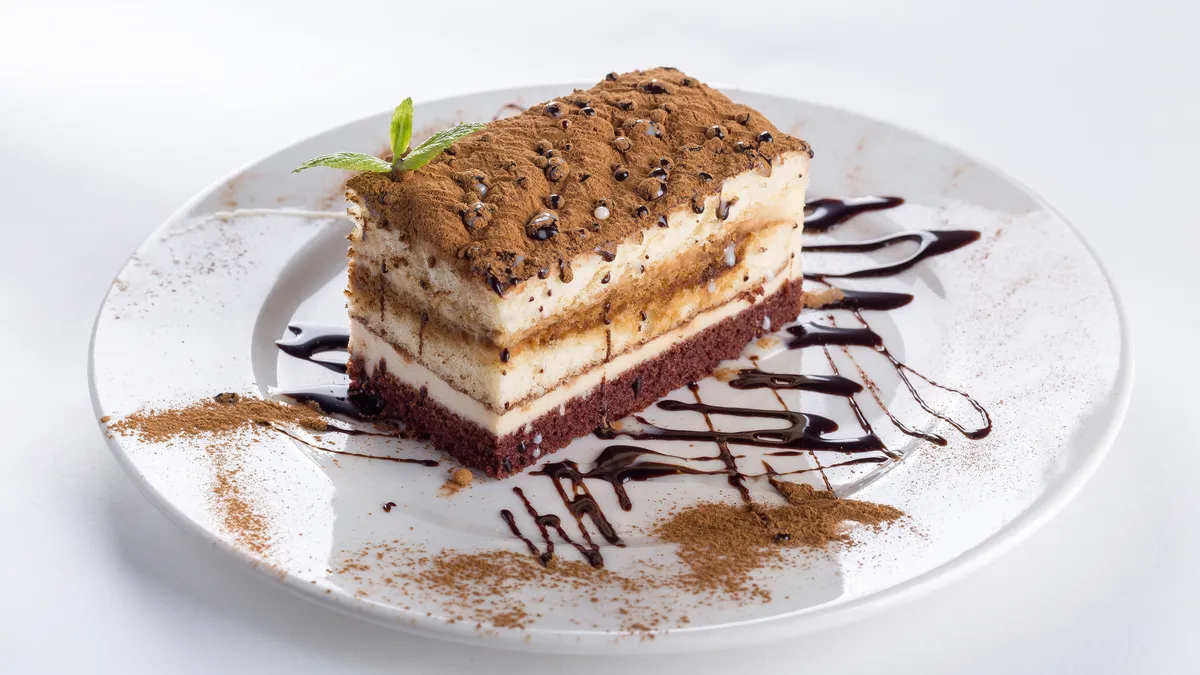
A dessert looks simple on a plate, yet every spoonful depends on a quiet balance of parts. Sweetness gives the first signal, texture gives the eating experience, and temperature shapes how both feel in the mouth. When one part is too sweet, too soft, or too cold, the result feels dull or one-sided. When the parts work together, eating feels complete and satisfying from the first bite to the last. This guide offers desserts explained in plain terms, without focusing on one single recipe or one famous version. Instead, it looks at the system behind the food, so you can understand why some desserts feel right and others fall flat.
Learning how desserts work is useful because the same ideas appear in home kitchens, bakeries, and dining rooms everywhere. Baked, cold, and fruit desserts may look very different, yet they share the same building blocks. For example, a warm cake and a chilled mousse can both rely on air, fat, and sweetness for their effect. Similarly, a fruit dessert and a chocolate dessert can both use contrast to keep sweetness interesting. By studying those choices one by one, you can read any dessert more clearly and enjoy it with greater understanding.
What Is a Dessert at Its Simplest?
At its simplest, a dessert is a sweet course served after a meal, or a sweet food enjoyed on its own. It often marks a pause, a celebration, or a gentle ending to eating. In addition, it can act as a small pleasure in an ordinary day, rather than a grand occasion. Desserts range from a piece of fruit to a layered cake, and from a chilled cream to a warm pudding. Therefore, no single shape or ingredient defines the whole group.
That broad range explains why desserts appear in almost every food culture. Some cultures favour light fruit endings, while others favour rich baked treats. Meanwhile, some desserts travel well across borders, and others stay closely tied to one place or season. Consequently, a dessert is best understood as a role in a meal, not as one fixed dish. Its job is to finish eating on a sweet, pleasing note.
How Do Desserts Work as a System?
Think of a dessert as five parts working together: sweetness, texture, temperature, aroma, and appearance. Sweetness gives the main signal, while texture decides how the food moves in the mouth. Temperature changes how strongly sweetness and aroma come across. Aroma adds depth, and appearance sets expectation before the first bite. Finally, balance among these parts decides whether the dessert feels harmonious or tiring.
Each part can change the others in surprising ways. Cold food, for instance, can mute sweetness, so a chilled dessert may need a stronger sweet note. Conversely, warm food can release aroma more freely and make sweetness feel fuller. Rich texture, meanwhile, can slow eating down and make a small portion feel generous. As a result, dessert makers adjust several parts at once, rather than changing sweetness alone. For a wider view of cooking techniques in general, the same systems thinking applies across the kitchen.
What Dessert Types Exist in a Varieties Guide?
This dessert varieties guide starts with a simple map of the main types. Baked desserts include cakes, pies, tarts, and pastries made with oven heat. Cold desserts include mousses, creams, jellies, and frozen treats served chilled. Fruit desserts centre on fresh, cooked, or preserved fruit as the main feature. In addition, there are custards, puddings, and layered desserts that mix several methods at once. Together, these groups cover most desserts you are likely to meet.
The groups overlap more than their names suggest. A fruit tart, for example, combines baked pastry with fresh or cooked fruit. Similarly, a chocolate mousse can sit inside a baked shell or stand alone as a cold dessert. A trifle layers cake, cream, and fruit in one glass, so it belongs to several groups at once. Therefore, dessert types explained in this way work best as a flexible map, not as rigid boxes. The map helps you compare desserts, even when one dessert crosses two groups.
How Are Dessert Categories Organised?
Dessert categories explained by method give the clearest starting point for comparison. Method asks how the dessert was made: baked, chilled, frozen, or assembled without heat. Another useful grouping asks what leads the flavour: fruit, chocolate, cream, spice, or nuts. A third grouping asks about form: cake, tart, pudding, cream, or frozen dessert. Each grouping reveals something different, and none tells the whole story alone.
Menus often mix these groupings without saying so, which can confuse a reader. One menu may list desserts by method, while another lists them by main flavour. Meanwhile, a third menu may simply list names with no grouping at all. Consequently, learning to spot the grouping helps you compare choices fairly. When you know whether a dessert leads with fruit, chocolate, or cream, you can predict its texture and richness before ordering or making it.
How Do Baked Desserts Work?
Baked desserts explained simply start with heat changing raw ingredients into a set structure. Oven heat firms batters, crisps pastry, and turns soft dough into cake or tart. Air trapped during mixing expands in the heat, which gives cakes their lift and lightness. Fat adds tenderness, while flour and eggs give the structure that holds the shape. As a result, a baked dessert is a balance between lift, tenderness, and firmness.
Timing and heat shape the result as much as the ingredients themselves. Too little heat can leave the centre soft and unset, while too much heat can dry the edges. Similarly, a thin tart shell bakes very differently from a deep cake, even with similar ingredients. Therefore, baked desserts reward patience and attention to texture. A good baked dessert feels set yet tender, with a crust or crumb that suits its filling. Everyday food choices often include baked treats, so recognising these signs helps in daily eating too.
How Do Cold Desserts Work?
Cold desserts explained simply rely on chilling, setting, and serving temperature for their effect. Creams thicken as they cool, jellies set into a gentle wobble, and frozen desserts firm into a scoopable form. Cold also slows aroma, so cold desserts often use strong flavours that can still come through when chilled. In addition, cold texture can feel refreshing after a warm or rich meal. That refreshing quality is one reason cold desserts suit warm days and heavy menus.
Structure in cold desserts comes from different sources than in baked ones. Gelatine, chilled cream, and frozen water all create firmness without oven heat. Meanwhile, a mousse keeps its lightness from air folded into cream or egg foam. Consequently, a cold dessert can feel both light and rich at the same time. The key test is simple: it should hold its shape on the plate, yet melt or soften pleasantly in the mouth.
How Do Fruit Desserts Work?
Fruit desserts explained in general terms place fruit at the centre, rather than using it as a garnish. Fresh fruit can lead with juice, aroma, and natural sweetness. Cooked fruit, meanwhile, softens and deepens in flavour, and it can thicken into a sauce or filling. Preserved fruit adds a concentrated sweetness and a chewy texture. In each case, the fruit supplies the main character, while pastry, cream, or cake plays a supporting role.
Acidity is the quiet strength of fruit desserts. Tart fruit can cut through richness, while sweet fruit can soften a sharp edge. For example, a tart fruit topping can lift a rich cream dessert and keep it from feeling heavy. Similarly, warm cooked fruit can add comfort to a plain cake or crumble topping. Therefore, fruit desserts often feel balanced without extra effort, because fruit brings sweetness, acidity, and aroma in one ingredient.
How Do Chocolate Desserts Work?
Chocolate desserts explained simply depend on cocoa flavour, fat, and melt. Cocoa gives a deep, slightly bitter note that stands apart from plain sweetness. Cocoa butter, the fat in chocolate, melts near body temperature, which creates the smooth feeling of good chocolate desserts. In addition, chocolate pairs easily with cream, fruit, nuts, and spice. That versatility explains why chocolate appears in cakes, mousses, tarts, and sauces alike.
Balance matters more with chocolate than with many other flavours. Too much sweetness can bury the cocoa note, while too little can leave the dessert harsh. Meanwhile, a pinch of salt or a sour fruit note can sharpen chocolate flavour without adding sweetness. Consequently, chocolate desserts often work best when sweetness supports the cocoa, rather than covering it. A well-made chocolate dessert tastes of chocolate first, with sweetness as its partner.
How Do Dessert Sauces Work?
Dessert sauces explained in plain terms are liquids that add flavour, moisture, and contrast. A sauce can pour over a cake, pool under a pudding, or drizzle across a plate. Fruit sauces add brightness and acidity, while chocolate sauces add depth and richness. Caramel-style sauces add a toasted sweetness, and cream sauces add softness. In each case, the sauce changes the dessert without replacing it.
A good sauce also changes texture and temperature on the plate. A warm sauce over a cold dessert, for instance, creates a pleasing contrast in every spoonful. Similarly, a thin sauce can moisten a dry cake, while a thick sauce can add weight to a light mousse. Therefore, sauces work best in a modest amount, so they lift the dessert rather than drowning it. The plate should still show the main dessert clearly.
What Ingredients Do Desserts Depend On?
Dessert ingredients explained by role are easier to understand than a long shopping list. Sweeteners provide the sweet signal, while flour, eggs, and starches provide structure. Fats add tenderness and richness, and dairy adds creaminess and body. Fruit, chocolate, nuts, and spices provide the leading flavour. Finally, leavening and air give lightness to cakes and mousses. Each role matters, and changing one role changes the whole dessert.
Ingredients also interact, rather than acting alone. Eggs, for example, can bind, enrich, and lighten a mixture at the same time. Fat can tenderise a crumb, yet too much fat can make a dessert feel heavy. Meanwhile, liquid controls softness, and it can turn a firm dough into a pourable batter. Consequently, dessert making is less about single ingredients and more about relationships. When you grasp those relationships, you can understand a dessert even without knowing its exact formula.
How Do Desserts Balance Sweetness?
Understanding how desserts balance sweetness starts with a simple idea: sweetness feels stronger alone than in company. Acidity, bitterness, salt, and aroma all change how sweetness comes across. A sour fruit note, for instance, can make sweetness feel fresher and less cloying. A bitter cocoa note can give sweetness depth, while a salty note can sharpen flavour overall. As a result, balanced desserts rarely rely on sweetness alone.
Texture and temperature join flavour in this balancing act. Creamy richness can soften a sharp sweet edge, while crunch can break up a smooth, sweet mouthful. Cold serving can mute sweetness, so chilled desserts may taste less sweet than the same mixture served warm. In addition, small contrasts within one dessert can keep sweetness interesting across several bites. Therefore, balance is a whole-plate achievement, not a single ingredient choice.
How Does Dessert Texture Work?
Dessert texture explained simply covers how food feels during eating: soft, crisp, creamy, chewy, airy, or dense. Texture comes from structure, moisture, and temperature working together. A crisp pastry shell, for example, contrasts with a soft filling in the same bite. A light mousse, meanwhile, feels airy because of trapped bubbles. A dense cake feels heavier because its crumb holds less air.
Contrast is the main tool for interesting texture. One texture alone can grow dull after a few bites, however pleasant it first seems. A crunchy topping on a soft pudding, for instance, refreshes each spoonful. Similarly, a smooth cream beside a crisp biscuit gives the mouth two things to notice at once. Consequently, many beloved desserts combine at least two textures. The contrast keeps eating lively from start to finish.
How Does Temperature Change a Dessert?
Temperature changes a dessert in three ways: flavour strength, texture, and aroma. Warm desserts release aroma freely, so they often smell inviting before tasting. Cold desserts, in contrast, can feel cleaner and more refreshing, yet their flavours may seem quieter. Frozen desserts add a further change, since melting in the mouth becomes part of the pleasure. Each temperature, therefore, suits different flavours and occasions.
Serving temperature also affects richness. Warm fat feels softer and more coating, while cold fat feels firmer and cleaner. A warm sauce over cold cream, for example, creates a lively meeting of temperatures. Meanwhile, a fully chilled dessert can feel light even when its ingredients are rich. As a result, temperature is a real design choice, not a serving accident. Good dessert makers choose it with the same care as flavour.
How Does Dessert Presentation Work?
Dessert presentation explained simply is the art of making a dessert look as good as it tastes. Plating guides the eye, signals portion, and sets expectation before eating. A clean plate, a clear focal point, and a modest garnish usually work better than a crowded display. Colour contrast helps too: a pale cream beside dark chocolate, or bright fruit against a plain cake, draws attention naturally. In short, presentation should invite eating, not distract from it.
Presentation also serves a practical purpose. It can separate flavours, control sauce, and show texture before the first bite. A sliced cake, for instance, reveals layers that a whole cake hides. A glass dessert shows its layers from the side, which prepares the eater for each spoonful. Therefore, good presentation is honest: it shows what the dessert truly is. When looks and taste agree, the whole experience feels more satisfying.
Where Did Desserts Come From?
Dessert history basics begin with sweet foods as treats, offerings, and celebrations. Early sweet dishes used honey, fruit, and grain, long before refined sugar became common. Baking, preserving, and spice trade each widened the range of sweet foods over time. Meanwhile, chilled desserts grew as ice storage and refrigeration became more available. Consequently, dessert history is a story of ingredients, trade, and technology as much as taste.
The idea of dessert as a separate final course grew gradually, rather than appearing all at once. Meals once mixed sweet and savoury foods more freely, while later customs set dessert apart. Cafés and bakeries, in addition, helped spread cakes, pastries, and iced desserts to wider audiences. Today, desserts carry both old customs and new ideas in the same bite. That mix of tradition and invention keeps the subject lively for eaters and makers alike.
What Goes Wrong When a Dessert Fails?
Most dessert failures trace back to one part of the system losing balance. A cake can sink when its structure cannot hold its air, while a mousse can split when its mixture loses stability. A sauce can turn grainy when heat or mixing goes wrong, and a jelly can stay soft when it never sets firmly. In each case, the fault is rarely a mystery: one relationship among ingredients, heat, or temperature has broken down. Recognising that pattern makes failures easier to learn from.
Flavour failures follow a similar pattern. Over-sweetness often means contrast is missing, rather than sweetness itself being wrong. A dull dessert, meanwhile, may lack acidity, aroma, or texture contrast. Similarly, a dessert that tastes fine at first yet tires quickly may need a sharper or crunchier partner. Therefore, fixing a dessert usually means restoring balance, not simply adding more sweetness. Small adjustments to contrast often help more than large changes.
How Do Desserts Fit Everyday Eating?
Desserts fit everyday eating as endings, pauses, and small celebrations. A piece of fruit after lunch can close a meal lightly, while a shared cake can mark a gathering. Portion and occasion matter here: a small sweet ending feels different from a large centrepiece dessert. In addition, desserts often carry social meaning, since sharing a sweet food can feel generous and welcoming. Their role, therefore, goes beyond flavour alone.
Dining out adds another layer to everyday dessert eating. Menus present desserts after savoury courses, so the sweet course must still feel appealing. Restaurants shape that appeal through plating, temperature, and contrast, just as home cooks do. In general dining experiences, the dessert course closes the meal, and the same holds for restaurant dining in other settings. Likewise, eating out, dining guides, and restaurant meals all end with the same test: does the sweet ending suit what came before?
What Should You Notice Next Time You Eat Dessert?
Next time you eat dessert, notice its system before judging it as good or bad. Ask which flavour leads, and which textures share the plate. Notice whether sweetness feels balanced by acidity, bitterness, or crunch. Observe the temperature, and consider how it changes flavour and richness. Finally, look at the presentation, and see whether it honestly shows what you are about to eat. These five observations turn casual tasting into clear understanding.
This guide has offered desserts explained as a system, from baked and cold desserts to fruit and chocolate desserts, sauces, ingredients, texture, and balance. The main lesson is simple: desserts work when sweetness, texture, temperature, aroma, and appearance support each other. When one part dominates, the dessert feels one-sided; when all parts cooperate, it feels complete. Keep that system in mind, and every dessert becomes easier to read, enjoy, and describe.
Understanding the intricate balance of flavors and textures in desserts not only enhances our appreciation of sweet endings but also lays the groundwork for comprehending other culinary staples, such as sandwiches. Just as the interplay of sweetness, texture, and temperature creates a harmonious dessert, the foundation of a sandwich relies on the synergy of its components: the bread, fillings, and various condiments. Each element must complement the others, ensuring that each bite offers a satisfying experience that is both nuanced and complete. This parallel extends to how sandwiches work, where factors like layering and temperature play crucial roles in achieving a successful outcome, much like in dessert crafting. For a deeper exploration into this flavorful topic, consider the essential elements that make sandwiches a beloved staple in culinary tradition by visiting how sandwiches work.




