
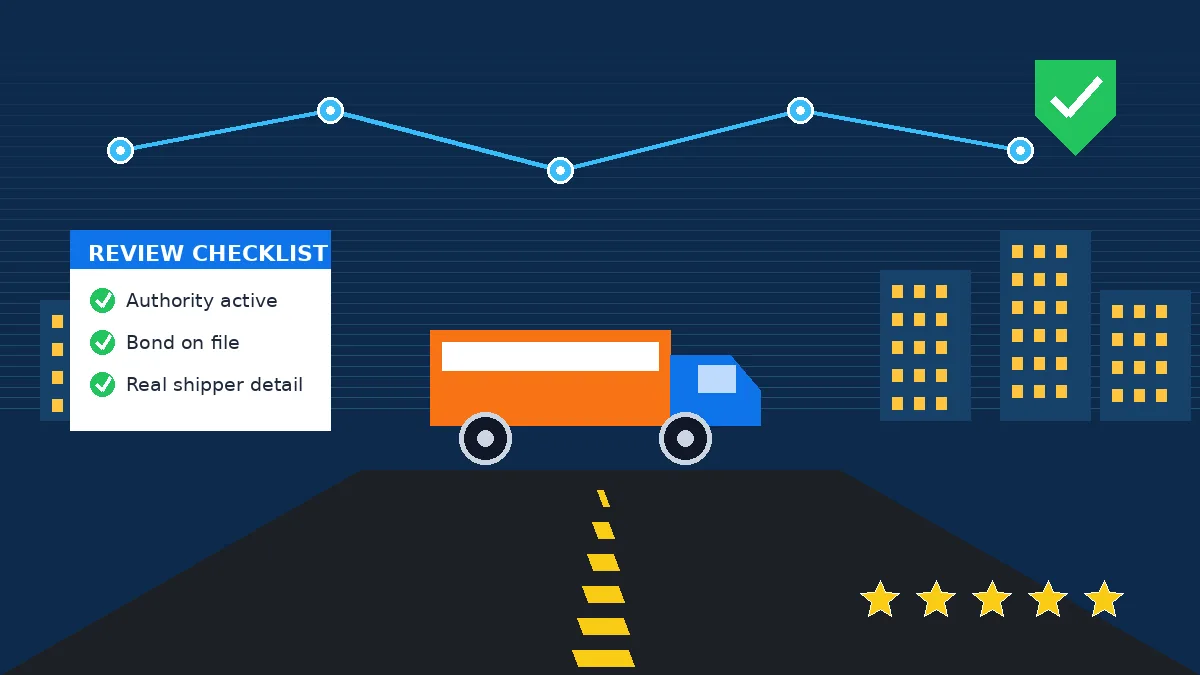
Choosing a shipping partner on star ratings alone is risky. Indeed, a late load can stall production and anger your customers. Moreover, a lost load can cost far more than the freight bill. Therefore, logistics company reviews deserve careful reading, not a quick glance. A search for a name such as JEar Logistics LLC should trigger the same checks as any other provider.
Good reviews reveal how a company behaves under pressure. For example, detailed comments mention delays, damage claims, and honest updates. In contrast, vague praise tells you almost nothing useful. Consequently, smart shippers treat reviews as one clue among several. Additionally, they verify licences, bonds, and payment behaviour separately. This guide shows you exactly how to do both jobs well.
Why Do Logistics Company Reviews Matter More Than a Score?
Freight is a promise about time, care, and communication. However, a single score cannot capture all three promises. For instance, a broker may deliver fast but communicate poorly. Alternatively, a carrier may communicate well but handle claims slowly. As a result, the written detail matters more than the number.
Reviews also expose patterns that brochures never mention. Firstly, repeated complaints about missed pickups signal weak dispatch control. Secondly, repeated praise for proactive updates signals strong account management. Thirdly, mixed comments about billing often reveal unclear accessorial charges. In short, patterns predict your likely experience far better than averages.
Meanwhile, your own freight profile shapes which reviews matter. For example, refrigerated shippers should weight temperature comments most heavily. Similarly, oversize shippers should focus on permits and escort coordination. Our overview of global supply chains and precision logistics shows how different freight types create different risks.
Where Do Real Logistics Company Reviews Actually Live?
Reliable feedback sits on platforms with some identity checks. Firstly, Google Business Profile reviews appear beside maps and contact details. Secondly, Better Business Bureau reviews sit alongside complaints and company responses. Thirdly, Trustpilot reviews often cover brokers, forwarders, and moving services. Together, these three sources give a useful first picture.
What Should You Look for on Google, BBB, and Trustpilot?
Each platform rewards a slightly different reading habit. On Google, recent shipper reviews usually describe specific lanes and loads. Meanwhile, BBB complaint handling shows how disputes were resolved. Trustpilot adds another angle, because response behaviour reveals whether staff engage respectfully. Therefore, you should read across platforms, never on one alone.
Furthermore, you should separate customer reviews from employee reviews. For instance, workplace sites describe culture, pay, and management style. However, those comments say little about on-time delivery for shippers. In fact, mixing the two creates a distorted picture quickly. Consequently, you should label each source before you judge it.
Where Else Should Shippers and Carriers Look?
Industry sources add context that public platforms cannot provide. For example, load board profiles collect carrier feedback on brokers. Similarly, factoring companies quietly track slow payment behaviour. Moreover, trade associations sometimes publish member directories and conduct standards. As a result, a provider with no industry footprint deserves extra questions.
Regulatory records form the second half of the picture. Indeed, FMCSA records show authority status and complaint history. Additionally, state business registries confirm legal names and addresses. Our guide to logistics locations and seamless shipping explains why matching legal names and addresses matters.
How Should You Read Freight Broker Reviews by Pattern?
Freight broker reviews need a different lens from carrier reviews. Firstly, brokers arrange transport rather than haul freight themselves. Therefore, broker comments focus on communication, honesty, and problem solving. In contrast, carrier comments focus on driving, handling, and equipment. Understanding that split prevents unfair comparisons.
Next, you should sort comments by theme, not by date alone. For example, group every mention of detention pay together. Similarly, group every mention of rate changes after booking. Moreover, group every mention of tracking updates and paperwork speed. Consequently, three or four repeated themes will emerge clearly.
Carrier payment history deserves special attention in broker reviews. Indeed, carriers remember slow payers for a very long time. Furthermore, phrases about chasing invoices signal real cash flow risk. Alternatively, praise for fast, accurate payment signals professional back offices. Our look at modern supply chain solutions shows how back office discipline supports reliable delivery.
Which Review Patterns Actually Predict a Good Shipment?
Specific detail is the strongest sign of a genuine experience. For instance, strong reviews name lanes, freight types, and dates. Additionally, strong reviews describe one problem and its resolution. However, weak reviews offer only adjectives and exclamation marks. Therefore, you should trust stories, not slogans.
Balanced feedback also predicts a healthier provider overall. In fact, real operations occasionally miss a slot or damage a pallet. Consequently, a profile with only perfection looks manufactured. Meanwhile, a profile with criticism plus calm responses looks human. Overall, you want evidence of recovery, not evidence of perfection.
Recency matters because logistics teams change quickly. For example, a new operations manager can transform service within months. Conversely, staff turnover can erode good service just as fast. As a result, you should weight the last twelve months most heavily. Older praise still counts, but it counts for less.
What Are the Red Flags of Fake Reviews?
Fake review red flags follow patterns that are hard to hide. Firstly, bursts of glowing comments often arrive within days. Secondly, identical phrases repeat across supposedly different customers. Thirdly, reviewer profiles show one review and no history. Finally, extreme language replaces concrete operational detail.
Timing offers another powerful clue for careful readers. For instance, praise may surge immediately after a damaging complaint. Similarly, negative attacks may target a rival during peak season. Moreover, reviews may mention services the company never offers. In short, a story that does not fit deserves no trust.
How Can You Test Whether a Review Is Genuine?
You can run three quick checks in five minutes. First of all, click the reviewer profile and scan its history. Next, compare the wording against neighbouring reviews carefully. Then, check whether details match the company’s real services. As a result, most manufactured comments fail at least one check.
Furthermore, you should search the exact review sentence online. Indeed, copied text often appears across unrelated businesses. Additionally, you should note reviews written in the wrong city. However, one odd review alone proves nothing by itself. Consequently, you should judge clusters, not single comments.
Businesses selling freight services face this problem daily online. Similarly, our analysis of digital marketing in supply chain and logistics shows how reputation shapes buying decisions in transport markets.
How Do You Verify Freight Broker Authority Step by Step?
Reviews tell stories, but records confirm legal permission. Therefore, every shipper should complete an FMCSA SAFER check personally. Firstly, ask the broker for its legal name and MC number. Secondly, enter that number on the SAFER Company Snapshot. Thirdly, confirm that broker authority shows as active.
MC number verification takes only a few minutes online. However, you must match every field against the quote paperwork. For example, the legal name should match the rate confirmation exactly. Similarly, the address should match the company’s public listings. In contrast, mismatched names can signal double brokering risk.
What Does the BMC-84 Surety Bond Actually Protect?
Property brokers must hold financial security under federal rules. Typically, that security is a BMC-84 surety bond of $75,000. Alternatively, some brokers use a BMC-85 trust fund instead. Either way, the filing should appear in official records. Therefore, you should never accept a screenshot as proof.
The bond protects carriers and shippers against certain payment failures. However, the bond does not guarantee good service or honesty. Moreover, claims against a bond involve paperwork and deadlines. Consequently, the bond is a safety net, not a quality badge. In fact, strong operators rarely force anyone to claim.
Why Should You Check Cargo Insurance Coverage Separately?
Authority and bonding do not replace cargo insurance coverage checks. Firstly, ask who carries liability for your freight in transit. Secondly, request a current certificate directly from the insurer. Thirdly, confirm limits against your shipment’s actual value. As a result, high value loads get proper protection.
Additionally, you should clarify claims steps before anything moves. For instance, who files the claim after damage occurs? Moreover, which documents must you supply, and how quickly? Meanwhile, contingent cargo policies differ widely between brokers. Overall, written answers now prevent painful arguments later.
Which Questions Should You Ask Before Booking a Shipment?
Direct questions reveal more than polished review pages. First of all, ask how the broker selects and vets carriers. Next, ask who owns communication during delays or breakdowns. Then, ask how rates change if weight or dates shift. Consequently, vague answers become visible before money moves.
You should also ask about tracking and proof of delivery. For example, will you receive live tracking links or manual updates? Similarly, how quickly will signed delivery documents reach you? Furthermore, who answers the phone outside office hours? In short, operational clarity predicts calmer shipments.
- How long have you handled freight like mine?
- Which carriers will actually haul this load?
- What happens if the first truck cancels?
- Which accessorial charges might appear later?
- How do you handle damage or shortage claims?
- When will I receive the final invoice?
Each question above tests a different operational muscle. Indeed, experienced brokers answer them calmly and specifically. However, inexperienced sellers often dodge, rush, or overpromise. Therefore, you should record answers and compare providers side by side. Our guide on scaling a small business shows why documented vendor comparisons protect growing firms.
How Can a Freight Quote Comparison Expose Weak Providers?
A freight quote comparison should cover far more than price. Firstly, compare transit times against realistic road distances. Secondly, compare what each quote includes and excludes. Thirdly, compare cancellation terms and claims support carefully. As a result, the cheapest quote often stops looking cheapest.
Suspiciously low quotes deserve particular scrutiny from shippers. For instance, a broker may win freight by underpricing lanes. Then, the load may sit uncovered until the pickup fails. Alternatively, extra charges may appear after delivery is complete. Consequently, review comments about bait pricing deserve serious weight.
Moreover, you should request references from similar shippers directly. Indeed, two short reference calls beat fifty anonymous stars. Additionally, ask references about the worst shipment, not the best. That question reveals honesty, recovery speed, and billing fairness. Our piece on local e-commerce marketplaces shows how fulfilment promises shape customer trust.
How Should You Test a Provider Before a Big Shipment?
A small trial load is the safest audition available. Firstly, choose freight that matters but will not break you. Secondly, watch communication from booking through final delivery. Thirdly, review paperwork accuracy and invoice timing afterwards. As a result, you gain firsthand evidence, not borrowed opinions.
During the trial, you should note response times honestly. For example, fast replies during sales may slow after booking. Conversely, steady updates during problems signal real professionalism. Furthermore, accurate documents signal disciplined internal processes. In contrast, messy paperwork often predicts messy claims handling.
Finally, you should decide using a simple written scorecard. Indeed, score communication, punctuality, care, paperwork, and billing separately. Moreover, compare that scorecard against the review patterns found earlier. When both agree, you can scale volume with confidence. Our article on digital transformation in business explains how scorecards improve operational decisions.
Frequently Asked Questions
Where Can I Find Trustworthy Logistics Company Reviews?
You can start with Google, the BBB, and Trustpilot together. Moreover, you should add load board feedback for broker specific insight. However, you should always cross check reviews against official records. Consequently, no single platform should decide your booking alone.
How Do I Complete an FMCSA SAFER Check?
First of all, request the company’s MC number and legal name. Next, search that number on the SAFER Company Snapshot. Then, confirm active authority and matching address details. As a result, you verify legal permission in minutes.
What Is Double Brokering and Why Does It Matter?
Double brokering happens when freight passes to another broker secretly. Indeed, the practice breaks visibility and weakens accountability badly. Furthermore, payment and claims responsibility become confused very quickly. Therefore, name mismatches on paperwork should stop the shipment.
How Much Weight Should One Bad Review Carry?
One bad review should prompt questions, not automatic rejection. For instance, check whether the company responded calmly and helpfully. Moreover, look for repeated complaints sharing the same theme. In contrast, isolated complaints happen even to excellent operators.
Can Employee Reviews Tell Shippers Anything Useful?
Employee reviews can hint at turnover and internal pressure. However, they cannot prove delivery quality for your freight. Therefore, you should treat them as background context only. Shipper reviews and regulatory records deserve far greater weight.
What Should I Do If Reviews and Records Disagree?
You should trust verified records over anonymous praise every time. Indeed, active authority and valid bonding are basic legal requirements. Additionally, you can run a small trial load before committing. Overall, caution costs little compared with a failed shipment.
What Is the Bottom Line on Reading Logistics Reviews?
Logistics company reviews work best as a starting point. Firstly, read them for patterns, detail, and recency. Secondly, verify authority, bonding, and insurance through official records. Thirdly, ask direct questions and run one trial load. As a result, your decision rests on evidence, not advertising.
In short, how to choose a freight broker is a verification skill. Moreover, that skill improves quickly with a simple checklist. Indeed, careful shippers protect freight, cash flow, and customer trust together. Finally, the best shipping experience usually begins before the truck arrives.




