
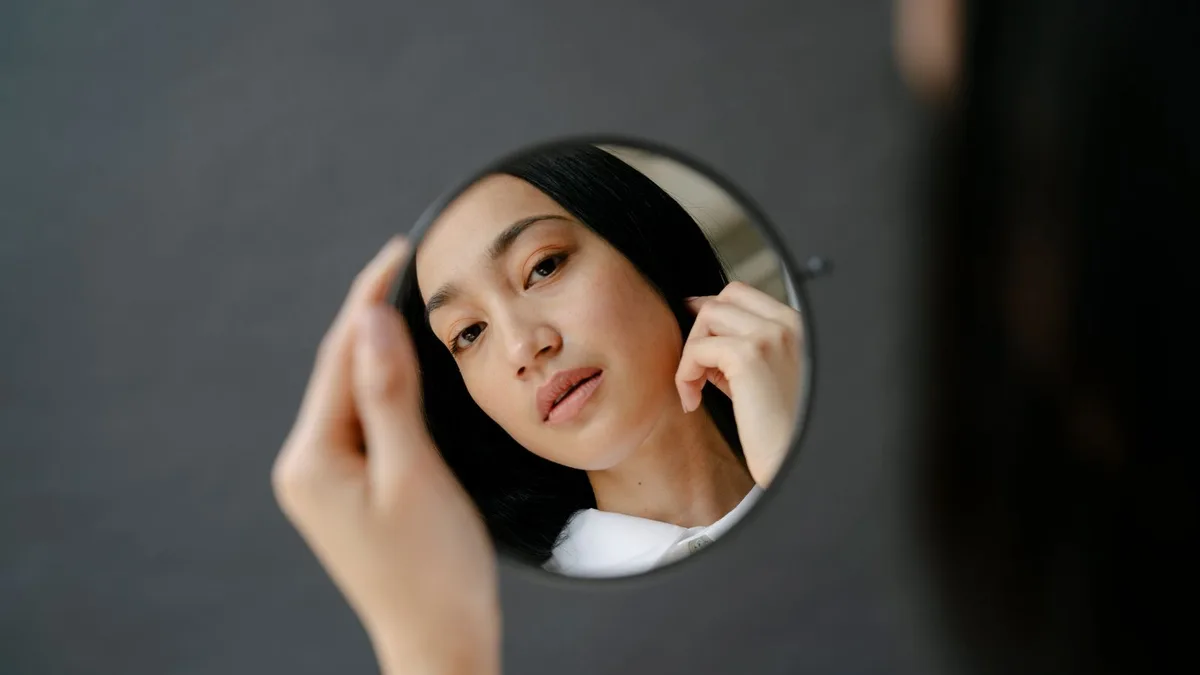
Learning how to find your skin type can feel confusing at first. However, two simple home tests can bring useful clarity. In addition, both tests cost very little time. For example, one test uses only a mirror and patience. Meanwhile, the other test uses thin blotting sheets. Together, they show how your skin behaves when nothing is covering it.
This guide explains what are the skin types oily dry combination normal sensitive in plain language. Furthermore, it walks through a skin type test at home step by step. You will also learn how to read mixed results. Above all, this article teaches identification only. No routine appears here. Product rankings stay outside its scope. Professional advice remains irreplaceable by any home test.
Please treat the results as general information only. This article is not medical advice. If you have a persistent skin concern, see a dermatologist for personal advice. In addition, stop any test that causes discomfort. Your comfort matters more than a tidy label.
What Are the Five Main Skin Types?
Most guides describe five broad tendencies. However, these labels are shortcuts, not diagnoses. For example, they describe how skin often looks and feels. Meanwhile, real skin can sit between two labels. Therefore, treat your result as a starting point.
Oily skin often looks shiny across much of the face. In addition, pores may look more visible. Dry skin often feels tight after washing. Furthermore, it may look dull or flaky at times. Combination skin mixes both patterns in different zones. Normal skin often feels balanced and comfortable. Sensitive skin often reacts more easily to touch, weather, or new products.
Importantly, no type is better than another. Each type simply behaves differently. Similarly, each type can look healthy in its own way. Your goal is understanding, not fixing a flaw.
Why Does Skin Type Matter for Choosing Products?
Understanding why skin type matters for choosing products can save guesswork. For example, product labels often describe a target skin feel. In addition, texture descriptions often match a skin tendency. Therefore, knowing your type helps you read labels with more confidence.
Consider a hypothetical example. Imagine two shoppers reading the same label. One shopper has very shiny skin by midday. Meanwhile, the other shopper has tight cheeks after washing. Naturally, they may notice different words on labels. However, neither shopper needs a shopping list here. This guide stays focused on identification.
Broadly, skin type also helps you notice change over time. For example, a result in winter may differ from summer. In addition, a result after illness may differ from usual. Therefore, a clear baseline makes later changes easier to spot. That baseline is the real value of these tests.
When Is the Best Time to Test Your Skin?
Timing shapes your result more than many people expect. For example, testing right after exercise can distort shine. Similarly, testing on a very hot day can add extra oil. Therefore, choose a calm, ordinary day for testing.
Mid-morning often works well for many people. In addition, your skin has had time to settle after waking. Meanwhile, you have not yet faced the full heat of the day. However, any quiet time can work if conditions stay similar. Consistency matters more than a perfect hour.
Try to test on a day without heavy makeup. Furthermore, avoid testing after a long, steamy shower. On the other hand, do not delay testing for weeks while waiting for perfection. A normal day gives a more honest picture than a rare ideal day.
How Do You Do the Bare Face Test for Skin Type?
The bare face test for skin type is wonderfully simple. First, wash your face gently with lukewarm water. Next, pat it dry with a clean, soft towel. Then, leave your skin completely bare for about an hour. Finally, observe how each zone looks and feels.
During the waiting hour, avoid touching your face repeatedly. In addition, avoid applying any cream or makeup. Meanwhile, stay indoors if possible. Harsh wind or strong sun can change the result. Therefore, a calm room gives cleaner observations.
After an hour, look closely in a mirror. For example, check your forehead, nose, chin, and cheeks separately. In addition, notice shine, tightness, and comfort zone by zone. Furthermore, write down what you see right away. Memory fades quickly, especially for small differences.
Some guides suggest waiting thirty minutes instead. However, an hour often reveals clearer differences. On the other hand, a shorter wait may suit very reactive skin. If discomfort appears, stop the test early. Your notes still hold useful clues.
How Do You Do the Blotting Paper Test Skin Type Check?
The blotting paper test skin type check adds a visual record. First, complete the bare-face wait described above. Next, press a clean blotting sheet gently onto your forehead. Then, press separate sheets onto your nose, chin, and each cheek. Finally, hold each sheet up to the light.
Look for translucent, oily-looking spots on each sheet. For example, a heavily marked sheet suggests more surface oil in that zone. Meanwhile, a nearly clean sheet suggests little surface oil there. In addition, compare sheets side by side. Zone differences often become obvious at this stage.
Use a fresh sheet for every zone. However, avoid rubbing the paper across your skin. Gentle pressing gives a fairer reading. Furthermore, label each sheet as you go. A mixed pile of sheets helps nobody.
Blotting paper shows surface oil at one moment only. Therefore, it cannot measure deeper skin health. Similarly, it cannot diagnose any condition. Nevertheless, it works well as a simple comparison tool. Paired with the bare-face test, it adds useful detail.
What Does Each Zone Tell You?
Your face rarely behaves as one single surface. For example, the forehead may shine while cheeks feel tight. In addition, the nose may differ from the chin. Therefore, zone-by-zone notes beat one overall guess.
| Zone | Bare-face feeling | Blotting sheet | Likely reading |
|---|---|---|---|
| Forehead | Shiny and slick | Clearly marked | Oilier zone |
| Nose | Shiny around creases | Moderately marked | Oilier zone |
| Chin | Comfortable or shiny | Lightly marked | Mixed zone |
| Cheeks | Tight or comfortable | Nearly clean | Drier or balanced zone |
| Jawline | Usually comfortable | Mostly clean | Balanced zone |
Read the table as a pattern, not a verdict. For example, shine in one zone alone rarely defines a whole type. Meanwhile, a repeated pattern across several days carries more weight. In addition, small differences may simply reflect the weather. Therefore, repeat the test before settling on a label.
How to Tell If You Have Combination Skin?
Learning how to tell if you have combination skin starts with contrast. For example, look for shine in the centre and tightness elsewhere. In addition, blotting sheets may differ sharply by zone. Meanwhile, cheeks may feel comfortable or dry. That contrast is the key clue.
Understanding oily t-zone dry cheeks meaning helps here. The T-zone covers the forehead, nose, and chin. Furthermore, that central strip often produces more visible oil. On the other hand, cheeks often stay drier or calmer. When both patterns appear together, combination skin becomes a likely description.
However, combination patterns vary widely. For example, one person may notice shine only on the nose. Meanwhile, another person may notice shine across the whole T-zone. Therefore, describe your own pattern in detail. A vague label alone misses useful nuance.
Consider a hypothetical example. Imagine a reader whose forehead sheet looks heavily marked. In addition, her cheek sheets stay almost clean. Meanwhile, her cheeks feel slightly tight after washing. Naturally, combination skin fits that pattern better than one single label. Remember, this example is invented. It illustrates a pattern, not a real result.
What Are Normal Skin Characteristics?
Normal skin characteristics often sound uneventful, and that is the point. For example, skin may feel comfortable after washing. In addition, shine may appear only mildly by late afternoon. Furthermore, tightness and flaking may stay rare. Overall balance defines this category.
Blotting sheets often show only light marks. Meanwhile, no single zone dominates the result. However, normal does not mean perfect. For example, occasional spots or dry patches can still appear. Therefore, do not expect flawless skin from this label.
Many people assume normal skin needs no attention. On the other hand, observation still helps over time. For example, seasonal change can shift a balanced result. In addition, life changes can shift it too. Therefore, occasional re-testing remains useful even here.
How to Identify Sensitive Skin Signs?
Learning how to identify sensitive skin signs requires careful observation. For example, skin may flush easily after washing. In addition, it may sting or itch after new products. Furthermore, it may react to wind, heat, or cold. These reactions often fade, but they recur often.
However, sensitivity is a tendency, not a diagnosis. For example, one strong reaction does not prove a type. Meanwhile, repeated reactions across triggers tell a stronger story. Therefore, note patterns over weeks, not single moments.
A useful distinction helps here. Sensitive skin describes a general tendency to react. Reactive skin, by contrast, describes a temporary response to one trigger. For example, skin may react after a harsh scrub one week. Meanwhile, it may feel calm again the next week. In addition, illness or sun exposure can cause short-term reactivity. Therefore, separate a lasting pattern from a passing episode.
During tests, sensitive skin needs extra gentleness. For example, use lukewarm water only. In addition, pat dry softly and avoid rubbing. Furthermore, shorten the bare-face wait if discomfort grows. Your safety matters more than a complete result.
What Is Skin Type vs Skin Concern Dehydrated vs Dry?
The phrase skin type vs skin concern dehydrated vs dry confuses many readers. However, the distinction is simple once explained. Skin type describes a lasting tendency. Meanwhile, a skin concern describes a temporary state. Therefore, the two ideas can overlap without being identical.
Dry skin, as a type, tends toward tightness over time. For example, cheeks may feel tight most days. In addition, flaking may recur in the same zones. Dehydrated skin, by contrast, describes a temporary lack of water. Furthermore, it can appear in any skin type. Therefore, even shiny skin can feel dehydrated at times.
Signs often differ in feel. For example, dehydrated skin may look dull and feel tight. Meanwhile, it may still show shine later in the day. In addition, fine dry-looking lines may appear when skin lacks water. However, these signs alone cannot confirm anything medical. They simply suggest a temporary state worth noticing.
Why does this distinction matter for testing? For example, testing during a dehydrated week may skew results. In addition, a dry-feeling result may reflect recent weather. Therefore, repeat tests in different weeks. A stable pattern across repeats points more toward type.
What If Your Two Tests Disagree?
Disagreement between tests happens often, so do not panic. For example, the mirror may suggest dryness while blotting shows oil. Meanwhile, one zone may contradict another zone. In addition, morning and evening results may differ. These mismatches usually reveal nuance, not failure.
Start by checking test conditions. For example, did you test after exercise or heat? In addition, did you rub blotting sheets instead of pressing them? Furthermore, did you wait long enough during the bare-face test? Small method differences can shift results noticeably.
Next, compare zone by zone rather than overall. For example, blotting may show forehead oil clearly. Meanwhile, the mirror may show tight cheeks at the same time. Together, those findings may point toward combination skin. Therefore, disagreement can actually sharpen your answer.
If results still conflict, repeat both tests on another calm day. In addition, keep conditions as similar as possible. Furthermore, record notes in the same format each time. After two or three repeats, a pattern usually emerges. If no pattern emerges, a mixed or changing type remains a fair conclusion.
What Are Common Skin Type Test Mistakes?
Knowing common skin type test mistakes can improve your result. First, testing right after a shower often adds temporary tightness. Next, testing with makeup still on hides true behaviour. Then, touching your face during the wait adds extra oil. Finally, judging only the forehead ignores cheek differences.
Another common mistake involves single-day verdicts. For example, one hot afternoon can mimic oilier skin. Similarly, one cold morning can mimic drier skin. Therefore, one test rarely tells the full story. Repetition protects you from misleading days.
People also mistake temporary concerns for types. For example, a week of dehydration may look like dry skin. Meanwhile, a stressful week may change shine patterns. In addition, new products can trigger short-term reactions. Therefore, note life context beside every result.
Finally, avoid forcing a perfect label. For example, skin may sit between normal and combination. Meanwhile, it may shift with seasons or age. In addition, labels exist to guide understanding, not to box you in. A thoughtful description beats a rushed verdict.
Does Skin Type Change With Seasons?
Asking does skin type change with seasons leads to a careful answer. Skin type, as a broad tendency, often stays fairly stable. However, skin behaviour can shift noticeably across seasons. For example, winter air may increase tightness. Meanwhile, summer humidity may increase shine. Therefore, results can move without the underlying tendency changing completely.
Hormonal shifts can also affect observations. For example, monthly cycles may change shine for some people. In addition, pregnancy, menopause, or medication changes may shift patterns. Furthermore, stress and sleep changes can play a role. However, this article makes no medical claims about causes. It simply notes that change happens.
A simple re-test calendar helps track shifts. For example, test once at the start of each season. In addition, test again after any major life change. Furthermore, keep notes in one place for comparison. Over a year, four seasonal snapshots reveal a useful arc.
Consider a hypothetical re-test year. Imagine a reader tests in spring, summer, autumn, and winter. In spring, her result looks balanced. Meanwhile, summer shows more forehead shine. In autumn, balance returns. Finally, winter shows tighter cheeks. Naturally, combination tendencies emerge across the year. Remember, this example is invented for illustration only.
When to Ask a Dermatologist About Skin Type?
Understanding when to ask a dermatologist about skin type keeps testing safe. For example, seek advice if reactions persist for weeks. In addition, seek advice if skin cracks, bleeds, or becomes painful. Furthermore, seek advice if rashes spread or worsen. These signs go beyond simple identification.
A dermatologist can also help when results stay confusing. For example, conflicting tests across months may need expert review. Meanwhile, sudden changes deserve professional attention. In addition, existing skin conditions complicate home tests. Therefore, expert guidance beats repeated guessing in those cases.
Prepare useful notes before any appointment. For example, bring your zone-by-zone test records. In addition, list recent triggers and timing patterns. Furthermore, note which products coincided with reactions, without blaming them. Clear notes help a professional help you faster.
This article is not medical advice, and it never replaces a dermatologist. If you feel unsure, asking early is sensible. In addition, asking questions is not overreacting. Your skin deserves careful, qualified attention when concerns persist.
How Can You Record Your Results Clearly?
Good records turn vague impressions into patterns. First, create a simple table for each test date. Next, add one row per facial zone. Then, note bare-face feelings and blotting results separately. Finally, add a short line about weather, sleep, and recent changes.
Photographs can help, but they need care. For example, use the same light and angle each time. In addition, avoid filters that smooth skin texture. Meanwhile, store photos privately unless you choose otherwise. Furthermore, photos support notes, but they never replace them.
Review your records every few months. For example, compare winter notes with summer notes. In addition, look for zones that change most often. Meanwhile, notice triggers that repeat across entries. Over time, your own pattern becomes clearer than any single label.
Broader lifestyle reading can add context without changing the test. For example, natural skincare for women explores gentle, everyday glow ideas in general terms. In addition, Babylon Beauty Boxwood looks at luxurious skincare themes from a beauty angle. Meanwhile, Simply Beautiful Boutique Frederick covers elegance and style choices more broadly. These links offer background reading only, not test instructions.
Similarly, style and lifestyle context can sit beside skin knowledge. For example, the ultimate fashion guide from Lwspeakstyle shares expert style tips in general terms. In addition, Superior Green Lifestyles explores sustainable luxury living ideas. Meanwhile, Lifestyle Club San Diego highlights exclusive lifestyle experiences. Finally, local beauty pageants show glamour and talent opportunities in a community setting. None of these pages replaces your own test notes.
What Are the Most Common Questions About Finding Your Skin Type?
Can You Have More Than One Skin Type at Once?
Yes, in practical terms you can. For example, combination skin already mixes patterns. In addition, different zones often behave differently. Therefore, describe zones separately for accuracy.
Should You Test in the Morning or Evening?
Mid-morning often gives a balanced snapshot. However, evening results can add useful contrast. In addition, comparing both times may reveal daily shifts. Therefore, use one consistent time for comparisons.
Do Blotting Sheets Work on All Skin Tones?
Blotting sheets show surface oil rather than skin colour. For example, translucent marks appear regardless of tone. Meanwhile, lighting affects how clearly marks show. Therefore, hold sheets against a plain, bright background.
How Often Should You Re-Test Your Skin Type?
Seasonal re-testing works well for most people. For example, four tests a year capture broad shifts. In addition, re-test after major life changes. Meanwhile, avoid testing weekly, since small daily noise may confuse the picture.
Can Your Skin Type Feel Different After Travel?
Yes, travel can change short-term observations. For example, dry cabin air or new climates may affect feel. In addition, disrupted sleep may shift shine patterns. Therefore, wait until routines settle before drawing conclusions.
What Should You Take Away From These Tests?
These two tests offer a calm, low-cost starting point. For example, the bare-face test reveals feel and comfort. Meanwhile, blotting paper reveals surface oil by zone. Together, they build a fuller picture than either test alone.
Remember to test on calm days and repeat across seasons. In addition, record zone-by-zone notes each time. Furthermore, separate lasting tendencies from temporary concerns. Finally, seek a dermatologist when reactions persist or confuse you.
Above all, skin type is information, not a judgement. Your skin changes, responds, and adapts over time. Therefore, revisit your results with curiosity rather than worry. A clear, honest snapshot today helps you understand tomorrow better.




