
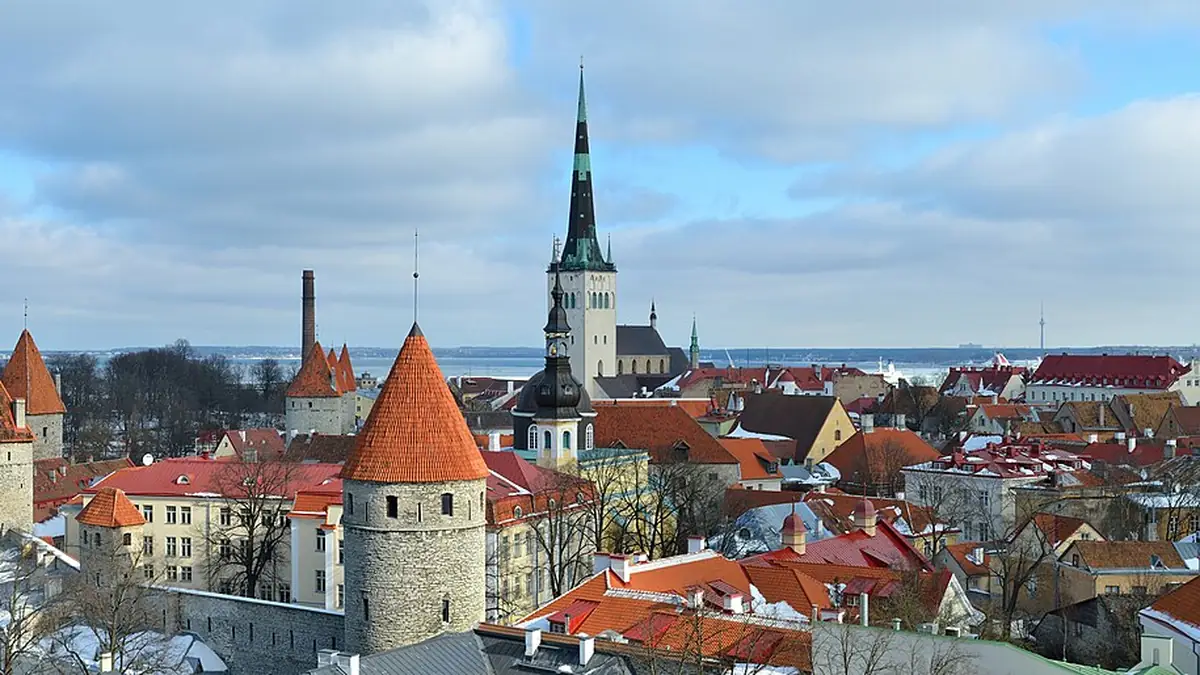
Tallinn rewards anyone who slows down. Indeed, this compact Baltic capital packs a medieval old town, an imperial palace park, and a creative waterfront into one easy trip. Moreover, almost everything in this Tallinn travel guide sits within walking distance. However, first-time visitors often make one simple mistake. They follow the cruise crowds into the centre, wander for two rushed hours, and then leave.
Consequently, they miss the calm streets, the local neighbourhoods, and the sea views entirely. This guide fixes that problem with a simple sequence. First, you explore the lower Old Town early in the morning. Next, you climb to Toompea for castles and viewpoints. Later, you head east to Kadriorg, and finally northwest to Kalamaja and Telliskivi. As a result, your days feel relaxed, logical, and surprisingly crowd-free.
Why Does Tallinn Feel So Different From Other European Capitals?
Tallinn blends several histories into a very small area. Danish, German, Swedish, and Russian rulers all left visible marks here. For example, Hanseatic merchants built the warehouses and guild halls in the lower town. Meanwhile, nobles and bishops ruled from the hill above it. In addition, Soviet-era districts and modern tech offices sit just beyond the walls.
That layered past explains the city’s special atmosphere. Cobblestone lanes suddenly open onto broad, leafy parks. Similarly, a medieval church tower can stand minutes from a glass office block. If you enjoy layered old towns, our guide to the top ten places to visit in Prague offers a useful comparison. However, Tallinn feels smaller, quieter, and far easier to cover on foot.
Start in the Lower Old Town Before the Crowds Arrive
Begin your first morning in the lower Old Town, and begin it early. Before ten, the lanes belong to residents, bakers, and a few photographers. After that, cruise groups fill the main squares until late afternoon. Therefore, an early start changes the whole experience. You hear footsteps on cobbles instead of tour-guide loudspeakers.
The lower town holds most of the classic Tallinn Old Town UNESCO sights. UNESCO listed the whole historic centre as a World Heritage Site, and the reason becomes obvious quickly. Medieval street plans survive almost intact here. Furthermore, the old city wall still wraps around much of the district. Fat Margaret tower guards the northern gate, while numerous smaller towers punctuate the walls elsewhere.
What Should You See Around Town Hall Square?
Tallinn Town Hall Square Raekoja Plats forms the heart of the lower town. Markets, executions, festivals, and celebrations have filled this square for centuries. Above all, the Gothic Town Hall dominates the southern side with its slender tower. Nearby, the Town Hall Pharmacy has traded on the square since the early fifteenth century. In fact, many people call it one of Europe’s oldest continuously running pharmacies.
From the square, wander down Pikk Street towards the harbour. Historic guild houses line this long, handsome street. For instance, the Great Guild Hall now houses part of the Estonian History Museum. In contrast, Saiakang, a tiny alley near the square, tempts visitors with marzipan and coffee. Take your time here, because small details reward slow walkers everywhere.
How Do You Beat the Cruise Crowds in the Old Town?
Timing matters more than any secret shortcut in Tallinn. Cruise ships dock in the morning, and their groups peak around midday. Therefore, explore the Old Town before ten or after four whenever possible. Use the busy middle hours for museums, Kadriorg, or Kalamaja instead. Consequently, you will share the famous squares with far fewer people.
- Arrive at Town Hall Square early for empty-street photographs.
- Book popular museum slots ahead during the summer season.
- Save souvenir shopping for the late afternoon lull.
- Pause in quiet courtyards, such as Masters’ Courtyard, for coffee.
- Return after dinner, when golden light flatters the rooftops.
Climb to Toompea for Castles, Cathedrals and Viewpoints
After the lower town, climb the short, steep lanes to Toompea Hill. Toompea is the upper town, and it has always stood apart. Historically, nobles and clergy lived up here, separate from the merchants below. Today, Estonia’s parliament and government work behind its castle walls. Moreover, two famous viewing platforms overlook the rooftops and the sea.
Toompea Castle and Alexander Nevsky Cathedral anchor any visit to the hill. The castle mixes medieval towers with a pink Baroque palace facade. Its tall Hermann Tower flies the Estonian flag, a powerful national symbol. Meanwhile, the cathedral opposite dazzles visitors with onion domes and golden icons. Russian Orthodox builders completed it during the late imperial period.
Remember, the cathedral remains an active place of worship today. Dress modestly, speak quietly, and respect photography rules inside. Afterwards, stroll to the Kohtuotsa and Patkuli viewing platforms nearby. From Kohtuotsa, red roofs, church spires, and the harbour fill the frame. Patkuli, in contrast, faces the city wall and St Olaf’s tower. Both platforms get busy at midday, so visit them early or late.
Why Is St Olaf’s Church Worth the Climb?
Back in the lower town, one tower rises above all others. The St Olaf’s Church viewpoint Tallinn visitors love rewards a steep, narrow climb. For centuries, this spire ranked among the tallest structures in the world. Sailors used it as a landmark, and lightning struck it repeatedly. Today, the viewing platform offers arguably the finest panorama in the city.
However, the climb demands reasonable fitness and comfortable shoes. Steps are worn, uneven, and occasionally quite dark. Therefore, take breaks on the way up and carry water. Once outside, you can circle the spire for views in every direction. Toompea sits to one side, while the harbour and Kalamaja stretch out beyond.
Head East to Kadriorg Palace and Park
When the Old Town fills up, escape east to Kadriorg. Peter the Great founded Kadriorg Palace and Park Tallinn residents cherish after conquering Estonia. He built the palace for his wife, Catherine, as a summer residence. Consequently, the district feels imperial, spacious, and wonderfully green. A short tram ride or a pleasant walk from the centre brings you there.
The palace itself glows in soft pink and white stucco. Inside, the Kadriorg Art Museum displays European and Russian paintings. Furthermore, the great hall impresses visitors with ornate stucco ceilings. Behind the palace, formal gardens, fountains, and a swan pond invite slow wandering. In summer, locals picnic on the lawns and cycle along shaded paths.
Beyond the palace, the park stretches towards the sea. The Kumu Art Museum, Estonia’s national gallery, rises nearby in modern stone and glass. In addition, the Presidential Palace and Peter the Great’s small house museum sit within the park. On the seafront, the Russalka Memorial honours sailors lost in a nineteenth-century shipwreck. Altogether, Kadriorg deserves at least half a day of unhurried time.
Explore Kalamaja and Telliskivi Beyond the Old Town Walls
Later, turn northwest for a completely different side of Tallinn. Kalamaja, the old fishermen’s district, begins just beyond the railway station. Colourful Kalamaja wooden houses Tallinn photographers adore line its quiet streets. Workers and fishermen built these modest timber homes in the nineteenth and early twentieth centuries. Today, young families, artists, and cafe owners have revived the whole neighbourhood.
Streets such as Vana-Kalamaja reward aimless wandering. You will pass tiny gardens, cats on windowsills, and bakeries scenting the air. Meanwhile, the Balti Jaam market beside the station sells local food across several lively halls. Hungry travellers can graze on smoked fish, rye bread, berries, and craft beer. For another characterful district guide, see our pick of the best places to visit in Amsterdam city centre.
What Makes Telliskivi Creative City Special?
Next door to Kalamaja stands Telliskivi Creative City Tallinn creatives call home. Developers transformed an old industrial complex beside the railway tracks. Now, design shops, galleries, studios, and restaurants fill its brick halls. Moreover, bold street art covers many walls, changing regularly throughout the year. The Fotografiska photography museum anchors the complex for culture lovers.
Telliskivi suits the middle of the day perfectly. Cruise crowds rarely venture here, even in peak summer. Therefore, lunch here feels relaxed, local, and genuinely tasty. Afterwards, browse Estonian design stores for ceramics, textiles, and prints. In the evening, bars and food trucks keep the courtyards buzzing. Ultimately, this district shows how Tallinn reinvents itself without erasing its past.
Do Not Miss the Seaplane Harbour and the Bastion Tunnels
On the Kalamaja waterfront, a vast concrete hangar demands attention. The Seaplane Harbour Museum Lennusadam occupies these remarkable First World War seaplane hangars. Inside, the Lembit submarine lets visitors walk through genuine naval history. Historic ships, including the icebreaker Suur Toll, moor outside along the quay. Furthermore, interactive exhibits keep children and adults engaged for hours.
Allow at least two or three hours for this museum. Exhibits range from seaplanes and mines to everyday sailors’ stories. In addition, a cafe and harbour views make lingering easy. Maritime fans who enjoy port cities will also appreciate our guide to the best places to visit in Liverpool UK. Both cities wear their seafaring heritage proudly and openly.
What Hides Beneath Toompea at Kiek in de Kok?
Back in the Old Town, history continues underground. Kiek in de Kok bastion tunnels Tallinn guides lead visitors through began as defensive passages. Engineers built them inside the great bastions during Swedish rule centuries ago. Later generations used them as storage, shelters, and even wartime protection. Today, guided tours reveal these hidden layers beneath the streets.
The tower’s Low German name means peek into the kitchen. Supposedly, soldiers could spy into homes below from its heights. Book tunnel tours ahead, especially in summer, because groups stay small. Also, wear warm layers, since underground passages stay cool all year. Combined with the tower museum, this visit explains Tallinn’s defences brilliantly.
As you navigate the enchanting streets of Tallinn, it becomes increasingly clear that thoughtful exploration yields the richest experiences. This principle resonates across travel destinations, highlighting the importance of a well-structured itinerary tailored for immersion. For instance, if you’re contemplating an adventure in Southeast Asia, a meticulously planned journey through Vietnam can evoke similar sentiments of discovery and surprise. By embracing a comprehensive approach to travel, such as the curated vietnam itinerary 10 days, you can uncover the vibrant culture and breathtaking landscapes that define this extraordinary country. Just as in Tallinn, where hidden gems await beyond the tourist path, Vietnam offers its own array of lesser-known treasures that invite you to linger and engage more deeply with the local way of life.
How Many Days in Tallinn Do You Really Need?
So, how many days in Tallinn should you plan for a first trip? One full day covers the Old Town highlights at a brisk pace. However, two days allow a far better balance of sights. You can pair the Old Town with either Kadriorg or Kalamaja comfortably. Meanwhile, three days add both districts, plus museums, without any rushing.
| Trip length | What you can cover well |
|---|---|
| One day | Lower Old Town, Toompea, one viewpoint, evening in Telliskivi |
| Two days | Everything above, plus Kadriorg Palace and the Seaplane Harbour |
| Three days | All districts, bastion tunnels, Kumu, and a relaxed market morning |
| Four days or more | A slower pace, day trips, and deeper museum time |
Day-trippers from Helsinki face the tightest schedule of all. For them, the early-start strategy in this guide matters most. Conversely, longer stays let you revisit favourite squares at different hours. In short, two or three days suit most first-time visitors best.
When Is the Best Time to Visit Tallinn?
Generally, the best time to visit Tallinn depends on your priorities. Late spring and summer bring long, light evenings and lively terraces. White nights around midsummer keep the sky glowing past midnight. However, summer also brings the biggest cruise crowds and higher demand. Therefore, book accommodation and popular tours earlier for those months.
Autumn offers golden parks, quieter streets, and a cosy cafe culture. Winter, in contrast, transforms the city into a snowy storybook scene. Short days limit sightseeing hours, although festive lights compensate beautifully. Our roundup of places to visit in Poland in winter shows similar Baltic-season charm nearby. Spring arrives slowly, yet it rewards patient travellers with fresh, uncrowded streets.
Summer comparisons can help you decide between destinations too. For example, our guide to the best place to visit in Austria in summer suits mountain lovers. Tallinn, meanwhile, trades mountains for sea breezes and medieval lanes. Either way, shoulder seasons often deliver the best overall value.
What Is the Tallinn Christmas Market Like?
In December, the Tallinn Christmas market Town Hall Square hosts becomes pure festive theatre. A towering tree has stood on this square since the fifteenth century. Many Estonians proudly call it Europe’s first public Christmas tree display. Around it, wooden stalls sell handicrafts, woollen goods, and gingerbread. Moreover, the scent of mulled wine drifts across the cobbles each evening.
Snow often completes the scene, although weather never guarantees it. Santa greets children from his little house on the square. Meanwhile, choirs and dancers perform on a small stage nearby. Arrive on a weekday evening for the calmest atmosphere. Finally, warm up afterwards in a medieval-style restaurant just off the square.
Can You Visit Tallinn as a Day Trip From Helsinki?
Yes, the Tallinn ferry from Helsinki day trip option works extremely well. Several ferries cross the Gulf of Finland throughout the day. Typically, the crossing takes a couple of hours each way. Therefore, an early departure and a late return give you a full day. Book tickets in advance during summer and around holidays.
On arrival, walk straight from the terminal into the Old Town. The distance is short, flat, and easy with light luggage. Consequently, day-trippers lose very little time on transfers. Follow the early Old Town route in this guide first. Then, choose one extra district, either Kalamaja or Kadriorg, for the afternoon.
Overnight visitors gain one big advantage over day-trippers. They own the magical early mornings and late evenings in the Old Town. If your schedule allows, one night in Tallinn transforms the experience. Similarly, city-break fans comparing options may enjoy our guide to places to visit in London in summer. Nevertheless, Tallinn delivers its medieval magic in a fraction of the space.
Where Should You Stay in Tallinn?
For first-timers, where to stay in Tallinn Old Town matters enormously. Sleeping inside the walls puts every major sight on your doorstep. Boutique hotels occupy converted merchant houses along the cobbled lanes. However, Old Town rooms can cost more, and late-night squares occasionally get lively. Light sleepers should request a quiet, courtyard-facing room when booking.
Alternatively, Kalamaja offers a local, residential feel at gentler prices. Guesthouses and apartments there sit minutes from the Old Town on foot. Meanwhile, the city centre east of the walls provides modern chain hotels. Business travellers often prefer those larger properties near the shopping centres. In addition, Kadriorg suits travellers who value parks and calm above nightlife.
- Choose the Old Town for maximum atmosphere and walkability.
- Choose Kalamaja for local cafes and creative energy.
- Choose the modern centre for transport links and larger hotels.
- Choose Kadriorg for greenery, museums, and quiet nights.
Is the Tallinn Card Worth It?
Many visitors ask the same question before arriving in the city. So, is the Tallinn Card worth it for a typical first trip? The honest answer depends entirely on your sightseeing pace. The card bundles public transport with entry to many museums and attractions. Therefore, museum-heavy itineraries usually extract the greatest value from it.
Consider your planned days carefully before buying any pass. If you will enter several paid museums daily, the card likely pays off. Conversely, slow travellers who mainly wander free streets gain little. Old Town lanes, viewpoints from outside, parks, and churches cost nothing to enjoy. In addition, Tallinn is so walkable that many visitors rarely use public transport.
- List every paid attraction you genuinely plan to visit.
- Add up rough entry costs from official attraction websites.
- Compare that total with the current official card price.
- Factor in airport and Kadriorg tram rides you will actually take.
- Buy the card only when your planned entries clearly exceed its cost.
Our verdict stays deliberately simple and honest. Intensive sightseers should seriously consider the card for convenience and value. Relaxed wanderers, however, should probably skip it and pay per attraction. Either way, checking current official prices before travel keeps the decision accurate.
Practical Tips That Make a First Trip Smoother
Tallinn runs largely cashless, so cards and phones work almost everywhere. Nevertheless, carrying a little cash helps at markets and small stalls. From the airport, tram and bus links reach the centre quickly and simply. Alternatively, taxis and ride-hailing apps cover the short journey with ease. Most visitors, however, walk almost everywhere once they settle in.
Estonians value politeness, punctuality, and a certain calm reserve. A friendly greeting and a thank-you in Estonian go a long way. Furthermore, English is widely spoken, especially among younger residents. Tap water tastes clean and safe throughout the city. Finally, pack layers in every season, because Baltic sea winds change quickly.
Tallinn’s Hanseatic roots connect it to a wider trading world. Curious travellers can explore that story further in our guide to places to visit in north west Germany. Luebeck and Bremen share similar brick Gothic and merchant heritage. Understanding those links deepens any visit to Tallinn considerably.
Frequently Asked Questions About Visiting Tallinn
Is Tallinn Safe for First-Time Visitors?
Yes, Tallinn feels safe and relaxed for most visitors. Normal city awareness suffices in busy areas and late-night bars. Pickpockets occasionally target crowded tourist spots, as in any capital. Therefore, keep valuables secure around the main squares in summer.
What Language Do People Speak in Tallinn?
Estonian is the official language across the country. However, English is widely understood in hotels, restaurants, and museums. Many residents also speak Russian, Finnish, or German. Learning a few Estonian phrases always earns warm smiles locally.
Can You Walk Everywhere in Tallinn?
Mostly, yes, and walking reveals the city’s best details. The Old Town, Kalamaja, and Telliskivi connect through easy, flat routes. Kadriorg takes a little longer, although trams shorten that journey. Comfortable shoes matter, because cobbles punish thin soles quickly.
How Many Days in Tallinn?
Two days suit most first-time visitors very well indeed. Three days, however, add Kadriorg and Kalamaja without any rushing. Meanwhile, a single day still covers the Old Town highlights briskly. Therefore, match your stay length to your museum appetite.
What Should You Eat on a First Visit?
Start with dark rye bread, smoked fish, and hearty pork dishes. Medieval-style restaurants near Town Hall Square serve traditional, atmospheric meals. Meanwhile, Telliskivi and Balti Jaam offer modern, creative Estonian cooking. Finally, try kama-based desserts and local craft beer for something different.
Final Thoughts on Your First Tallinn Trip
Tallinn succeeds because it never asks you to rush. Its medieval core, imperial park, and creative districts sit remarkably close together. Yet each neighbourhood delivers a completely different mood and rhythm. By sequencing them well, you avoid crowds and travel fatigue alike. Above all, early mornings in the empty Old Town will stay with you.
Use this Tallinn travel guide as a flexible framework, not a strict script. Linger where you feel happy, and skip whatever fails to tempt you. Return to favourite viewpoints at a different hour for fresh light. Ultimately, first trips here often end with one clear thought. Tallinn deserves far more than a rushed day between ferries.




